Category: Z Featured

Our editors pick the cool stuff for you

  • Asian Peanut Kale Salad

    Asian Peanut Kale Salad

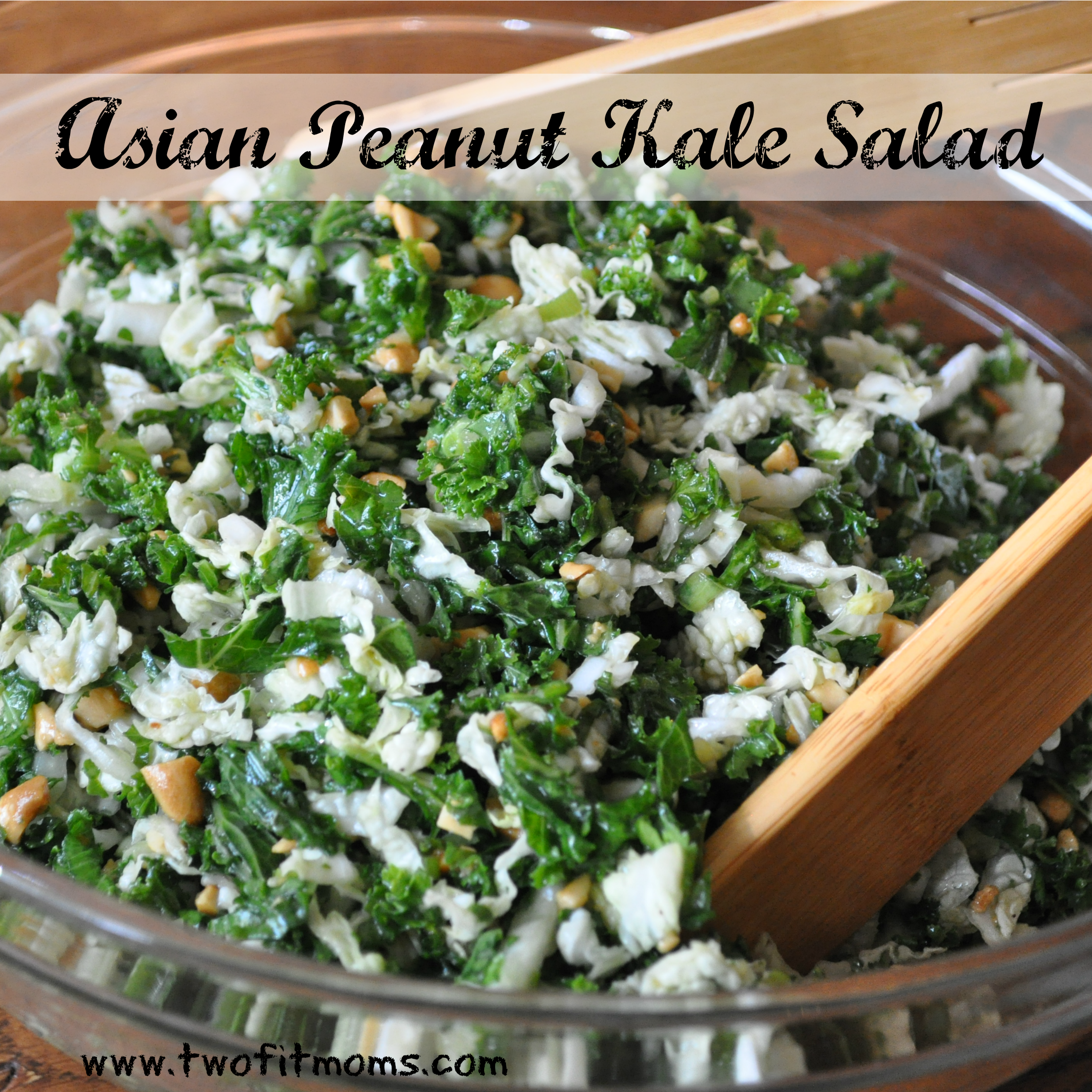
    kale with headerKale is so mainstream now, you can find it anywhere and on most menus.  In fact, my brother raved about a kale salad he had recently at an upscale chain restaurant, and since we are all about kale, I decided to re-create it.  If you search the Internet you will see that others have tried their hand at re-creating this salad.  But, with some educated-guessing, we came up with our own version!

    Personally, I think all salads should be chopped.  I think they just taste better and the flavors meld together better.  And, when eating Kale raw, cutting it every-so-finely makes a big difference! It creates a much lighter consistency to what can be a tough green.  All of the vegetables in this salad are sliced finely — what we call chiffonade.  In fact, earlier this year we offered tips on preparing your greens which showed you this chopping method.

    This is a great summer salad, and I bet it will convert your non-kale-eating friends into kale-eating junkies.

    Enjoy!

    Asian Peanut Kale Salad

    This is a hefty size salad and will feed a crowd.

    For the salad:

    1 bunch of kale, washed, ribs removed and cut chiffonade (approximately 7 cups)
    1 medium sized Napa Cabbage, bottom removed and cut finely (approximately 4 cups)
    1/2 bunch of cilantro, finely chopped (approximately 1 cup)
    1 bunch of scallions, finely chopped (approximately 1 cup)
    20 leaves of mint, finely chopped (approximately 1/2 cup)
    3/4 cup chopped roasted peanuts

    For the dressing:

    3/4 cup of roasted peanut oil
    1/4 cup of rice wine vinegar
    juice of 1 lemon
    2 tablespoons of honey
    1 tablespoon of Dijon mustard
    1 tablespoon of soy sauce
    1/4 teaspoon of garlic powder
    salt and pepper to taste

    Finely chop (chiffonade) the kale, cabbage, cilantro, scallions and mint (see picture below for desired consistency).
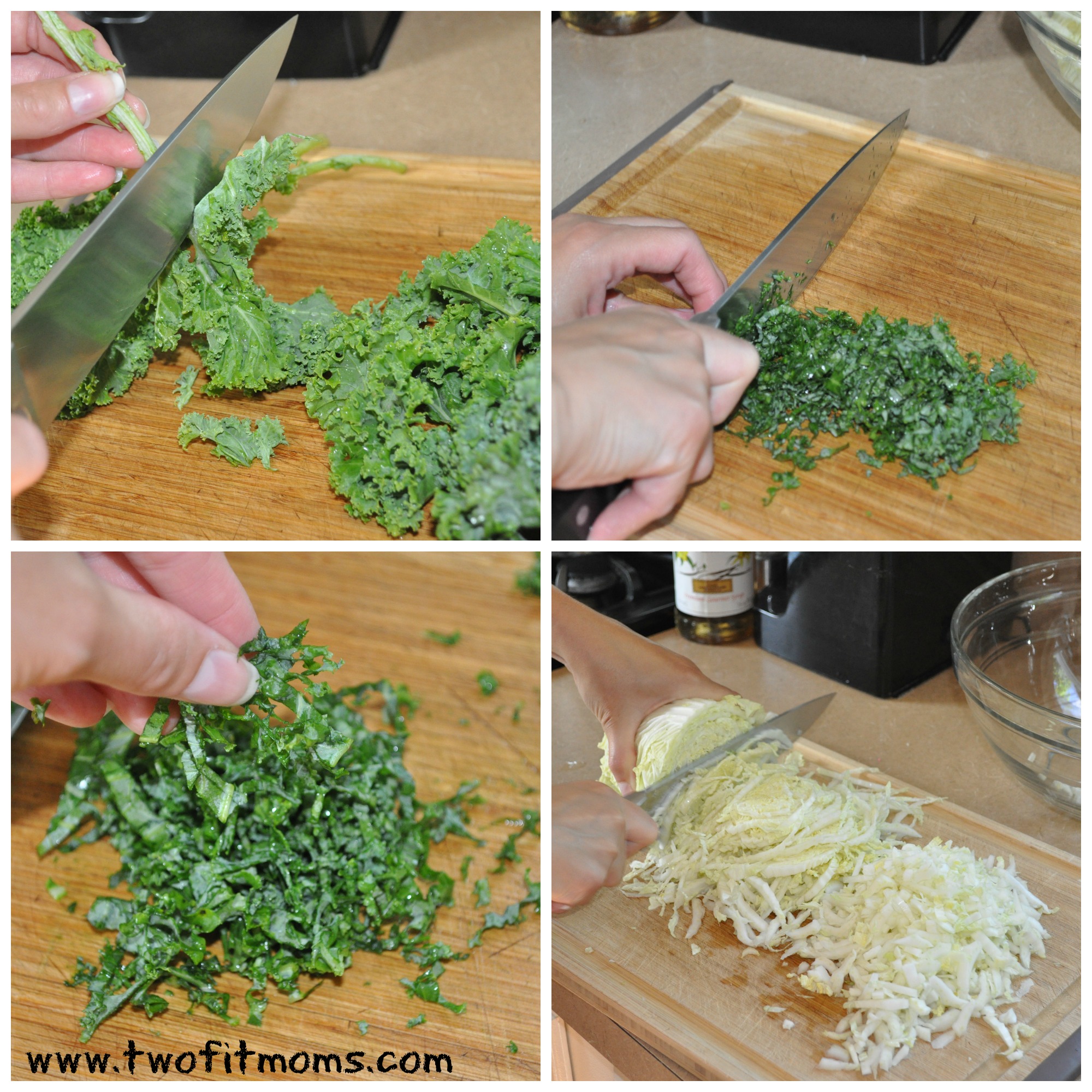
    kale chop logo
    Add greens to a very large bowl and set aside.

    In a separate bowl combine the peanut oil, rice wine vinegar, lemon juice, honey, mustard, soy sauce, garlic powder, salt and pepper, to taste.  Whisk the ingredients until they form a dressing consistency.

    Pour the majority of the salad dressing over the greens and top with the majority of the roasted peanuts.  Toss the salad.  Garnish with reserved chopped peanuts.

    Helpful hint: Check to see whether or not the salad is dressed enough for you.  The cabbage in the salad will break down, releasing water, so you might not find the salad is “wet” enough at first.  If you have the time, let it sit about 30 minutes, before adding the rest of the dressing.


  • Pushing Past Fear

    Pushing Past Fear

    One day, you will be given an incredible opportunity.  It may be a new job, or an acceptance into a great school, or an invitation to perform or speak in front of an audience.  Your friends will cheer, your family will feel great pride to hear about this new opportunity, and you will smile and thank everyone for the encouragement, but deep down inside, you will have a feeling of dread.  You will be afraid.

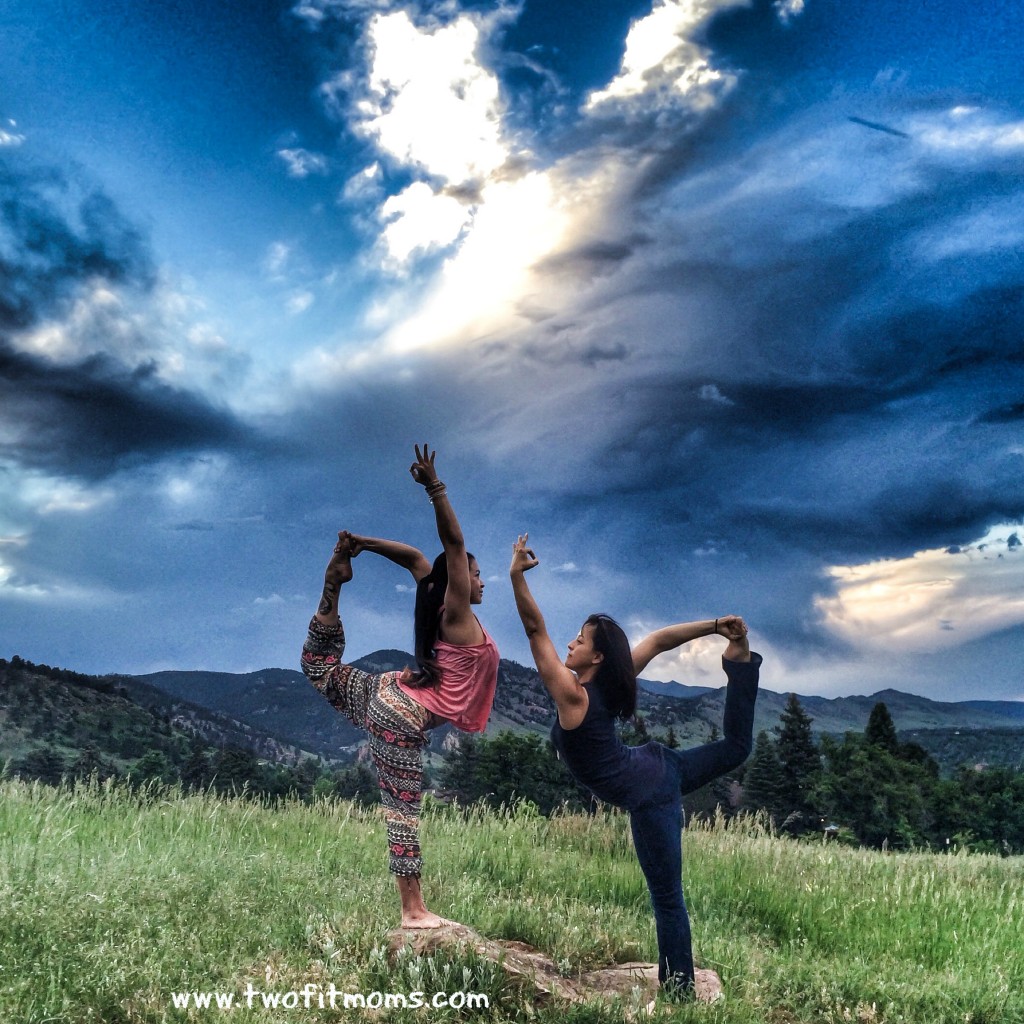
    TFMDancersLet me remind you now that with any great opportunity come feelings of unease…a fear of failure, a fear of success, fear of the unknown and feelings of inadequacy.  You may feel that you are being pushed so far past your comfort zone that you cannot succeed, but this is when you must remind yourself that you wouldn’t have been chosen for this great opportunity if others didn’t see your potential.  You CAN rise to meet this challenge, and you WILL thrive, if you just believe.
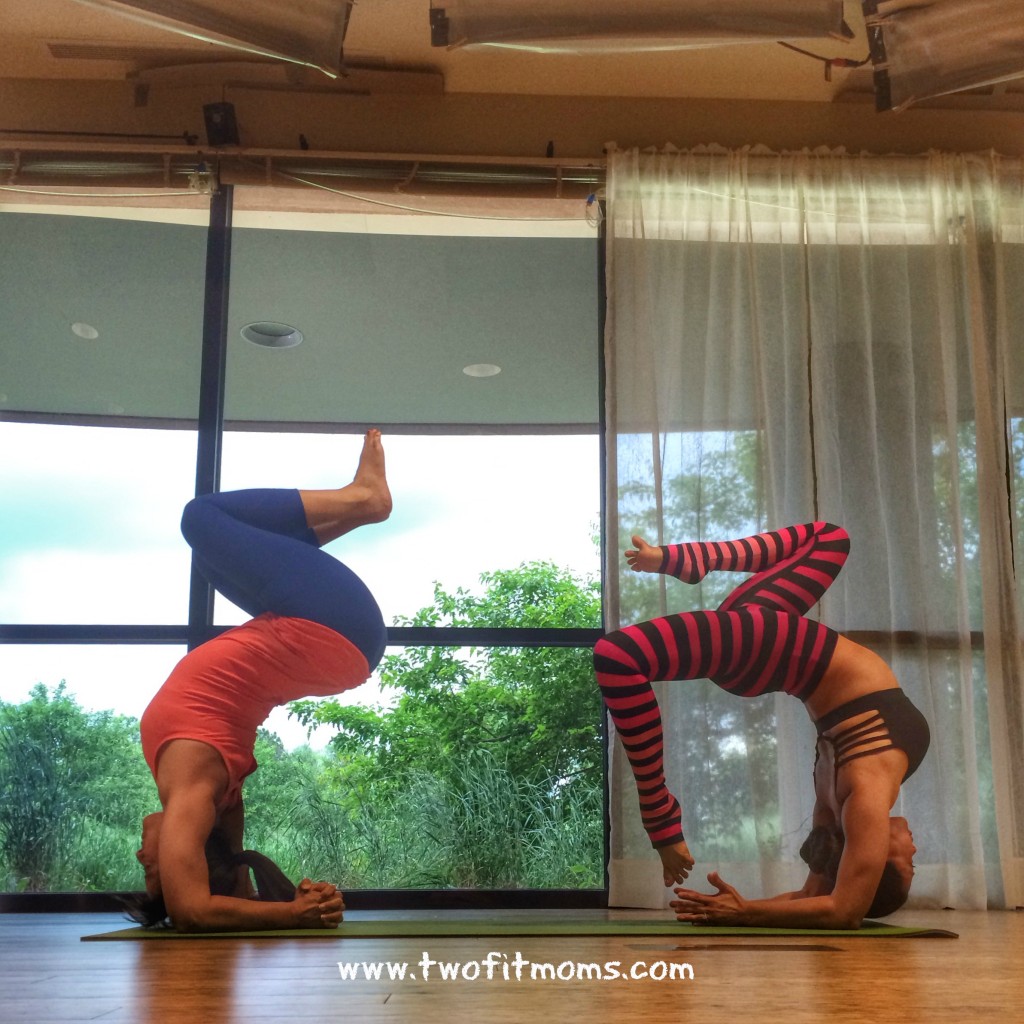
    This past week, Laura and I traveled to Boulder, Colorado to film five instructional yoga videos for Gaiam.  It was overwhelming to know that a company like Gaiam, with its vast wellness empire, would be interested in being affiliated with two yoga moms from New Jersey.  It all felt surreal, and it stirred up all sorts of doubt in our minds.  What if we didn’t sound good on camera?  What if no one liked the videos?  What if we are unable to project our true personalities because we are so nervous?  The insecurities were abundant, but we pushed forward anyway.  We planned our sequences, filmed test videos, chose our clothing, and boarded the flight to Boulder.

    TFMHollowbackWhat we found when we arrived at Gaiam just a few short hours later was comforting. The air was fresh, the surrounding mountains were picturesque, and the familiar stress of New York City was thousands of miles away.  We were greeted by friendly faces that felt more like a big family than a big company. This certainly was not the fearful, intimidating environment that I had pictured in my head.  Imagine if our fears stopped us from pursuing this opportunity?  We would have missed out on this amazing experience.
    Yes, the filming of the videos was still nerve-wracking.  And yes, it was hard work, but in the end, we tolerated the fears and feelings of discomfort, and we overcame them all. The feelings of inadequacy were just that—feelings. We were prepared, and what we brought to the table was enough.

    Sometimes, you just need to muster up the courage to move forward.  Push right through that comfort zone and into the unknown.  Take risks, overcome your fears, and you will see that you are much stronger and much more capable than you ever thought you could be.

    “Take the first step in faith. You don’t have to see the whole staircase, just take the first step.” – Martin Luther King, Jr.


  • Daily Practice: 5 Tips to a Better Handstand

    Daily Practice: 5 Tips to a Better Handstand

    The most common question I receive is: “How can I improve my handstand?” While understanding basic principles and alignment is key, I do have some tips!

    Here are five ways to help you improve your handstand and get you balancing on your hands.

    New to handstands?  Make sure to check out my Handstands 101 Part 1 and Part 2 articles!

    #1: Grip it!

    HANDSTAND PREP 0

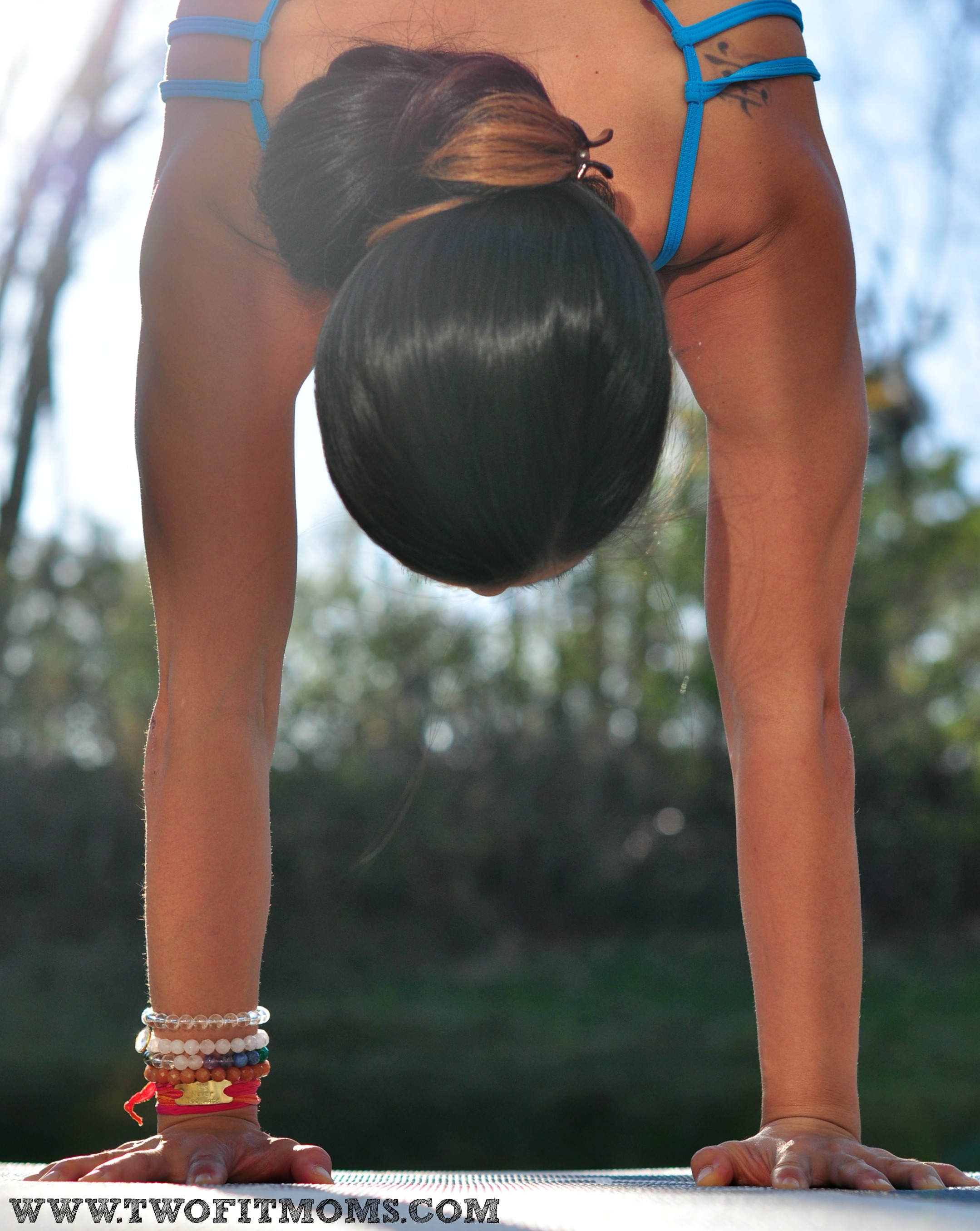
    Your 10 little fingers truly play an important part in your handstand practice. They can help you keep your balance and prevent you from falling over. From the moment your hands touch the earth, spread your fingers and actively grip or claw your mat. Making slight adjustments in your fingers can take your practice to a new level.


    #2: Square your hips!

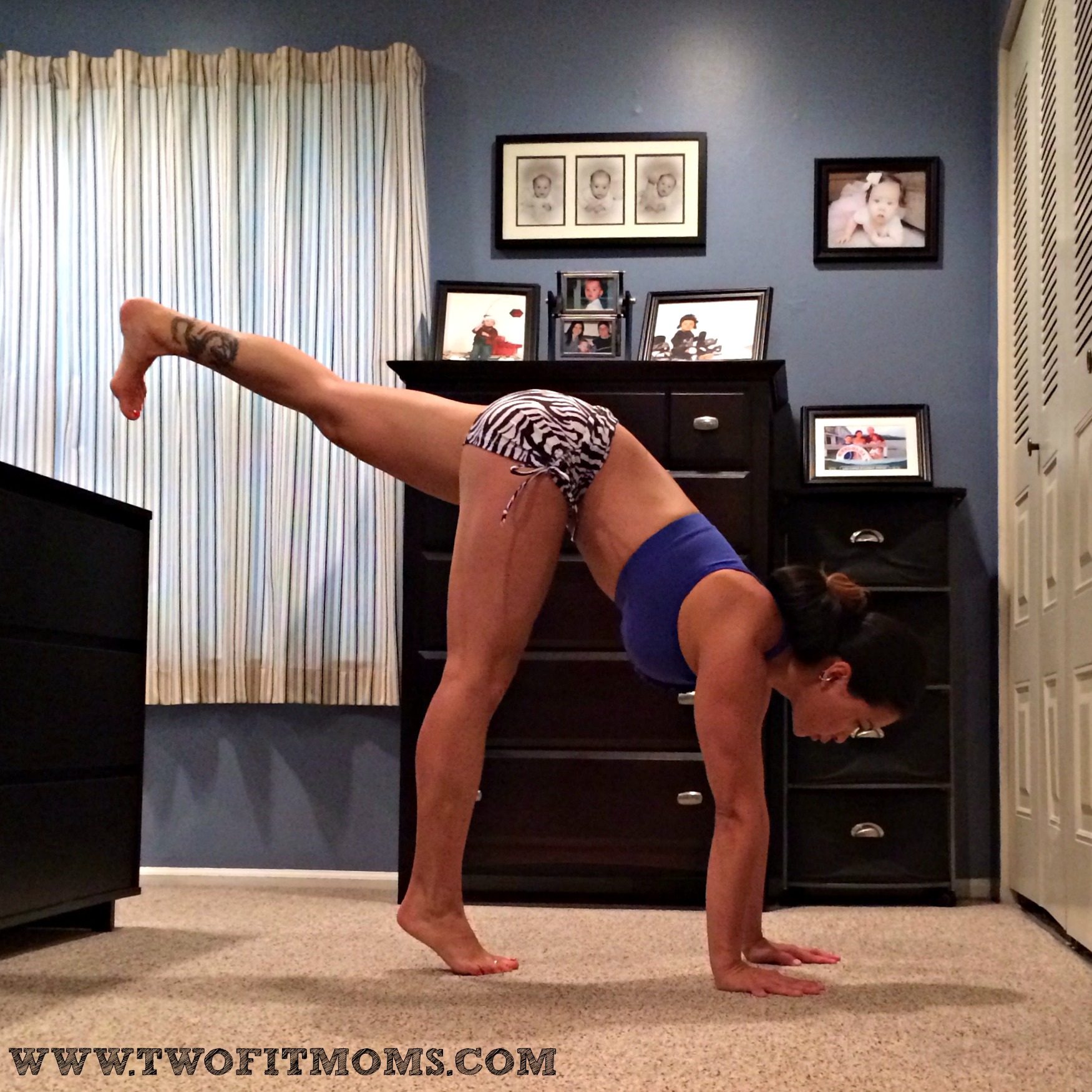
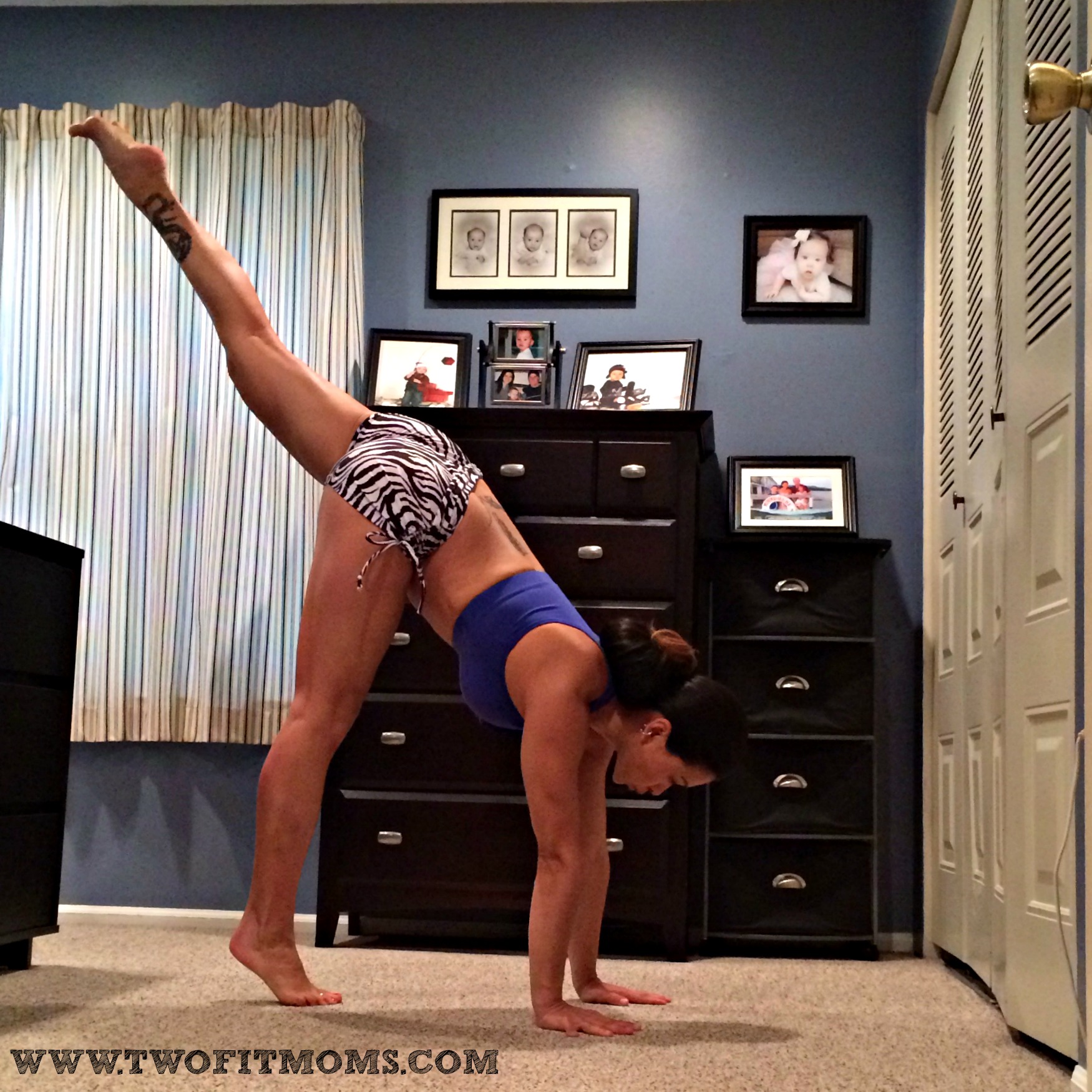
    HANDSTAND PREP 2Keeping your hips square while kicking up may be the most important tip of all. When you go to lift your leg to kick up, be mindful of where your toes are pointing. Are they facing the ground or are they off to the side?  If they are off to the side, you are opening up your hip which can cause you to kick up tilted and, ultimately, fall down.

    Once you lift your leg, flex your foot, and internally rotate the inner thigh so your toes face down towards your mat. Another great tip to keep your hips square is to plug the femur bone (or thigh bone) into your hip socket.

    #3: Move away from the wall!

     HANDSTAND PREP 1

    There is no shame in using the wall when learning to handstand.  In fact, I encourage it.  Unless you know how to gracefully fall into wheel or cartwheel out, having a wall as a safety net is your safest route.  You don’t, however, want to become overly reliant on the wall – at least not if your goal is to handstand without its assistance.  Therefore, I suggest practicing about a leg’s distance away from the wall, only using it when needed. Doing it this way will help you learn to control your kick ups and make it that much easier to handstand in the middle of the room.

    #4: Learning to Balance

    If you are at the point in your handstand practice where you can gently kick up but cannot find your balance point when you bring your legs together, this exercise is for you!

    Start in tabletop position with your fingertips right at the wall, and notice the placement of your heels and your hands. Move your hands back now so your fingertips are where the heels of your hands were…Essentially you are now a hand’s distance away from the wall. (You may need to play with the distance at first.) Kick gently up to the wall (notice how softly I land), and extend both legs up.

    Press the crown of your head firmly into the wall and notice how my feet float off of the wall. My body comes into complete alignment. From here, you can learn what it feels like to have everything stacked, and you can also start to experiment with taking the crown of your head off of the wall.

    [KGVID poster=”http://www.twofitmoms.com/wp-content/uploads/2014/06/Video-Jun-09-9-51-26-AM_thumb25.jpg” width=”640″ height=”360″]http://www.twofitmoms.com/wp-content/uploads/2014/06/Video-Jun-09-9-51-26-AM.mov[/KGVID]

    #5: Slow down and have PATIENCE!

    handstand prep 3

    This last tip is probably the hardest.  First…Slow down!!! Everyone is quick to plant their hands down onto their mat and start kicking up at a frantic pace. Take a moment to set yourself up and check your alignment. Do this before each and every kick up attempt! If you are always rushing, you are decreasing your chances for success.

    Second…have PATIENCE!  Patience with yourself, patience in your practice.  Progress may be slow, you may get frustrated…breathe.  Slowly but surely you will reach your goal!


    XOXO

    Blog Signature

  • Our Favorite Farro Salad

    Our Favorite Farro Salad

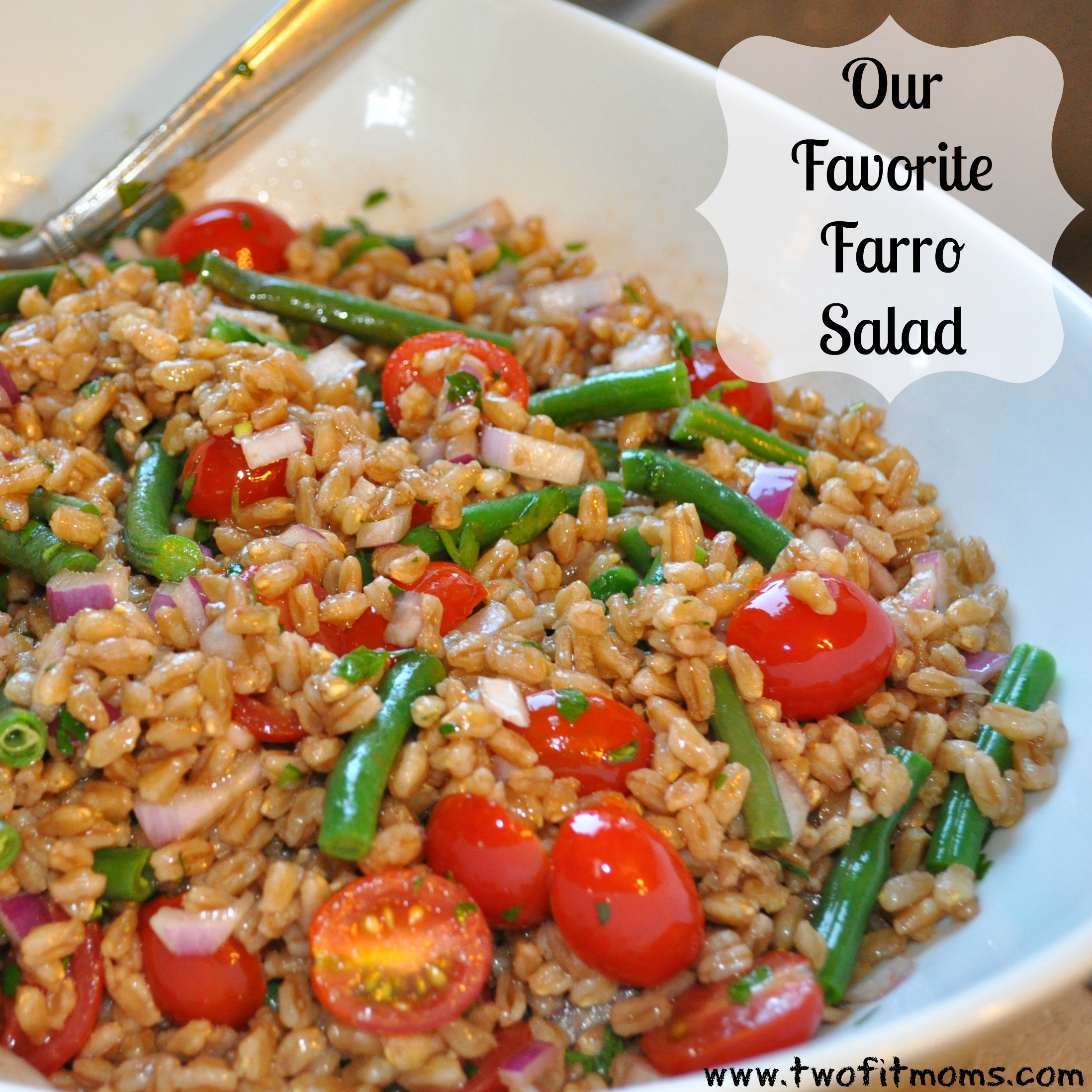
    farro bannerFarro is an ancient grain, most commonly found and grown in Italy. It can be added to soups and salads, and if you’ve never tried it before, here’s the perfect introduction.

    This farro salad has been eaten, adapted and shared by all three of us at Two Fit Moms.  It’s a staple, the perfect side dish, great for barbecues and events — and everyone loves it.  I make it about once a week during the summer when tomatoes are ripe and plentiful.

    I can bet that my colleagues make certain additions and substitutions to make this salad their own — but I tried to capture the basic salad recipe here for you.  You can feel free to jazz it up — adding chopped cucumbers, or a vidalia onion for a bit more sweetness or other chopped herbs.

    Please let us know what you think of this recipe.  We hope you love it as much as we do!

    Our Favorite Farro Salad
    serves a crowd, or 4-6 people with leftovers!

    1, 14 ounce bag of farro (rinsed and drained)
    4 1/2 cups of water
    1 pint of cherry or grape tomatoes cut in half
    1/2 red onion, chopped
    1 1/2 cups of steamed string beans, cut into bite-sized pieces
    1/4 cup of parsley, chopped
    1/3 cup of olive oil
    3 tablespoons of balsamic vinegar
    1 clove of garlic, crushed
    salt and pepper

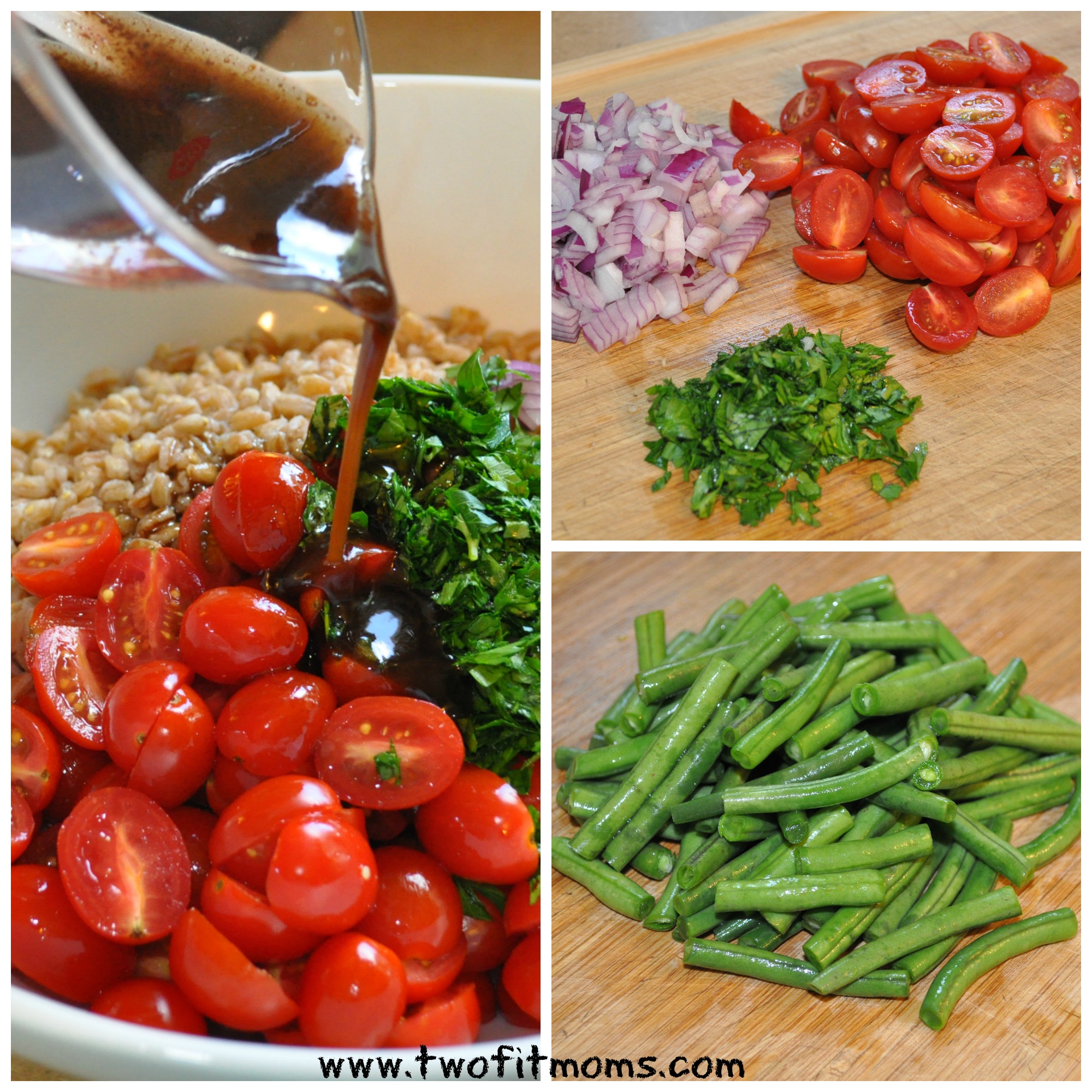
    Add water, two teaspoons of salt and the farro to a large pot and bring to a boil over medium/high heat.  Lower heat and let simmer for approximately 20 minutes until most of the water is absorbed and the farro is tender (but still firm).  Drain the farro and add to a large bowl.  Set aside.

    In a separate bowl, add the olive oil, balsamic vinegar and crushed garlic; whisk until combined.  Add tomatoes, red onion, string beans and parsley to farro. Add the dressing to the farro salad (while still warm). Toss. Season with salt and pepper to taste, and toss again.

    farro collage with mark

    Serve warm, at room temperature or cold (the longer it sits, the better it tastes!)


  • Empower Yourself with Arm Balances

    Empower Yourself with Arm Balances

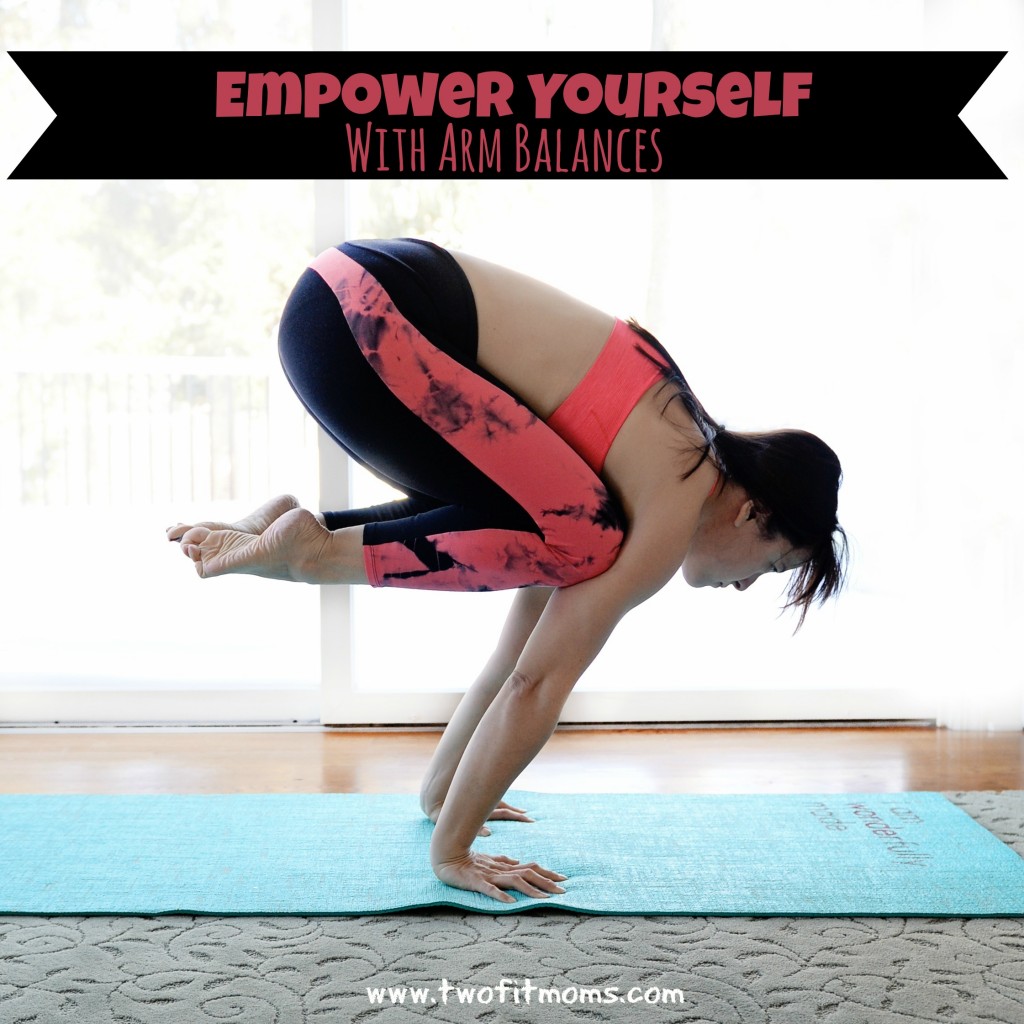
    I still remember the first time I was able to hold crow pose for more than a second.  I wanted to jump for joy and announce my accomplishment to anyone who was willing to listen.  Crow pose, which once seemed so impossible, became a reality.  I watched an impossibility morph right into a possibility, and then into an accomplishment.  What an empowering process!  If I can accomplish an “impossible” feat on my yoga mat, think of all of the possibilities for my life off of the mat.Crow

    I want to share this inspiration with others, and that is why I continue to teach arm balances to anyone who wants to learn.  I want others to get a glimpse of their own potential.  THAT is the gift I want to give others—not the gift of arm balancing.  Balancing and twisting into interesting shapes and poses is fun, but it’s just the medium for delivering the greater gift—confidence in one’s own abilities.

    It doesn’t have to be perfect.  Some days, it will feel effortless, and other days, it may not be a pretty sight.  No one will show up at your front door and give you a medal for arm balancing beautifully.  Likewise, no one will show up to berate you for your clumsy form.  The idea here is to empower yourself OFF the mat by breaking through barriers ON the mat.

    Get inspired, stay motivated, and practice often.  You can do amazing things!

    To access tutorials and tips for your own arm balance practice, CLICK HERE!

  • Daily Practice: Chaturanga Dandasana

    Daily Practice: Chaturanga Dandasana

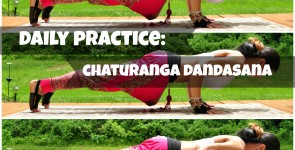
    If you have ever taken a yoga class, you should be familiar with the pose, “Chaturanga”.  However, it is very likely you are not familiar with the correct way to get into this pose! Chaturanga Dandasana, or Four-Limbed Staff Pose, is essentially a tricep push-up.  It may look simple, but many yogis have trouble with this pose. Here are my recommendations for correctly getting into Chaturanga.


    Most commonly you will find Chaturanga Dandasana, or Chaturanga, for short, in a vinyasa that consists of Downward Facing Dog, Plank and Upward Facing Dog. Depending on the class you are taking, there could be 10 Chaturangas or 100! And, muscling through Chaturanga with bad form can wear out your shoulders, your elbows and strain muscles in your chest and back. Here are the key steps to safely chaturanga-ing your way through a vinyasa class!

    – From Downward Facing Dog, shift forward into Plank Pose, or the top of a push up. Your arms are perpendicular to your mat. You are a straight line from your head all the way down to your heels, and your shoulders stack directly over your wrists. Draw your shoulders away from your ears and down your back, keep the belly engaged, and try not to let your buttasana sag. Gaze slightly forward.

    – Now, I want you to think of your arms and shoulders as a ferris wheel. Your shoulders are at the top of the wheel and about to make their descent down towards the earth. If you drop them straight down by just bending your elbows, you plummet to the earth.  Not good. Instead… Slowly start to shift forward as seen in the top picture below. It’s a slight movement that brings the shoulders beyond the wrists.

    chaturanga collage 1

    chaturanga collage 2

     – Continue to squeeze the elbows in as you slowly bend them to a 90 degree angle.

    – Shoulders remain broad down your back, the front of your shoulders remain lifted and your belly continues to be engaged. Gaze down or slightly forward, but keep your neck soft.

    If you cannot do the full Chaturanga with proper form, or you are tired, MODIFY and do Caterpillar Pose.

    Caterpillar Pose is a great alternative, and allows you to practice keeping your elbows pinned to your sides and forearms perpendicular to the ground. From Downward Facing Dog, shift slightly forward and lower your knees, chest and chin to the ground. Your elbows hug into your body, your hips and buttasana remain high.  From this position you can slide forward into your Upward Facing Dog.

    Catepillar pose

    As always, be mindful in your practice.  Take a few pictures or even a video to see your form, and make adjustments if necessary.

    XOXO

    Blog Signature


  • Lemon-Dijon Herbed Salmon

    Lemon-Dijon Herbed Salmon

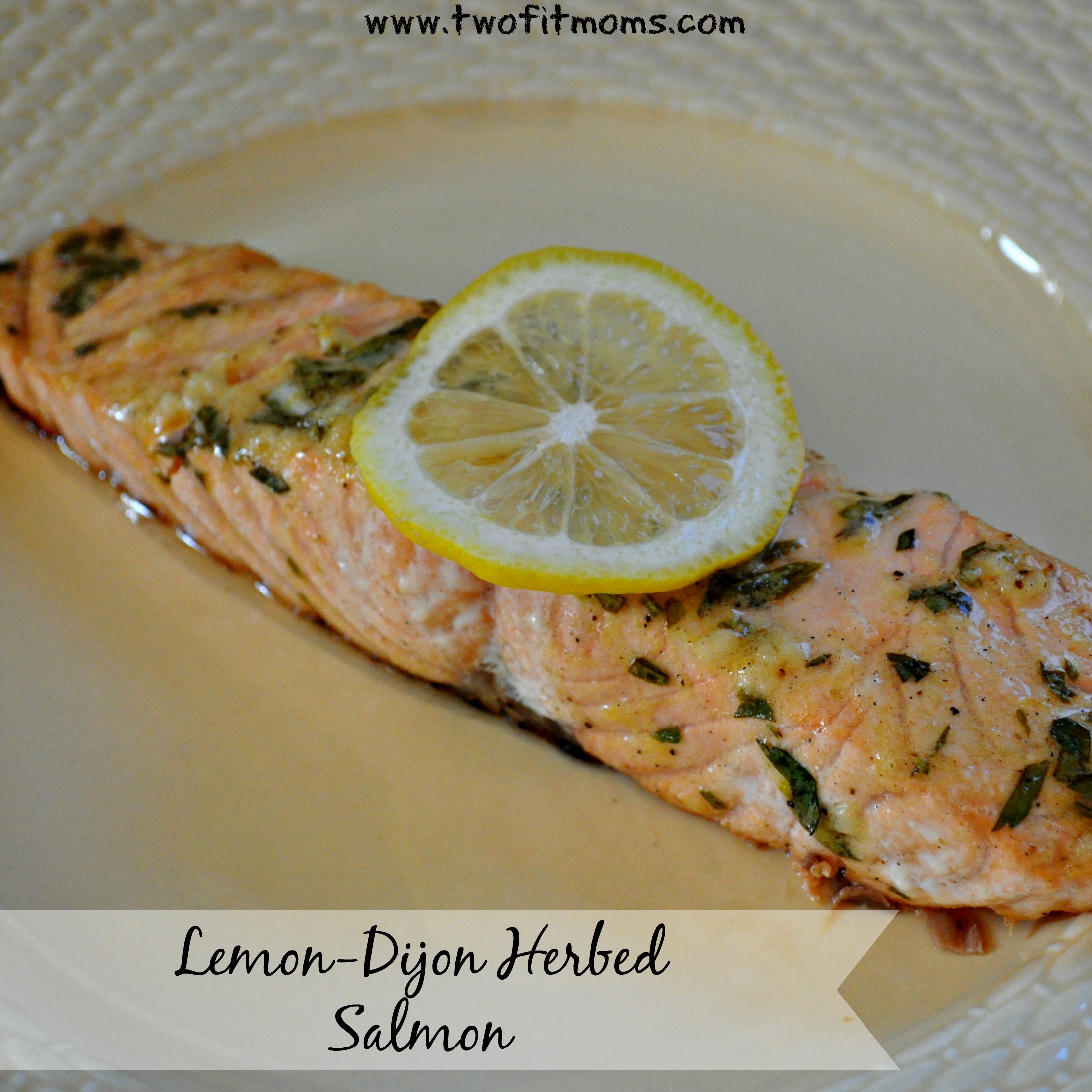
    lemon dijon salmon with bannerI’m going to be very honest with you. . . . I’ve never liked salmon.

    In fact, I’m the only one in my family who would not eat it.  Even my 2-year old likes it.  Since I’m the odd man out, so to speak, I decided I needed to make a more concerted effort to try salmon.  Plus, it’s healthy and good for your complexion (I’ve heard), so I decided to give it a try.

    I chose wild salmon versus farm-raised salmon at the suggestion of a friend who believes wild salmon has a milder flavor. Plus, wild salmon is supposed to be the healthier option, albeit pricey (a bit of a splurge, and not something we eat every day).

    I went to my local fish monger (luckily I have an amazing one in town), and I bought fresh, wild salmon. Then, I needed to find a good recipe because I think the key to good fish is good preparation.  I can assure you that just throwing some lemon on top would not be appealing to me.

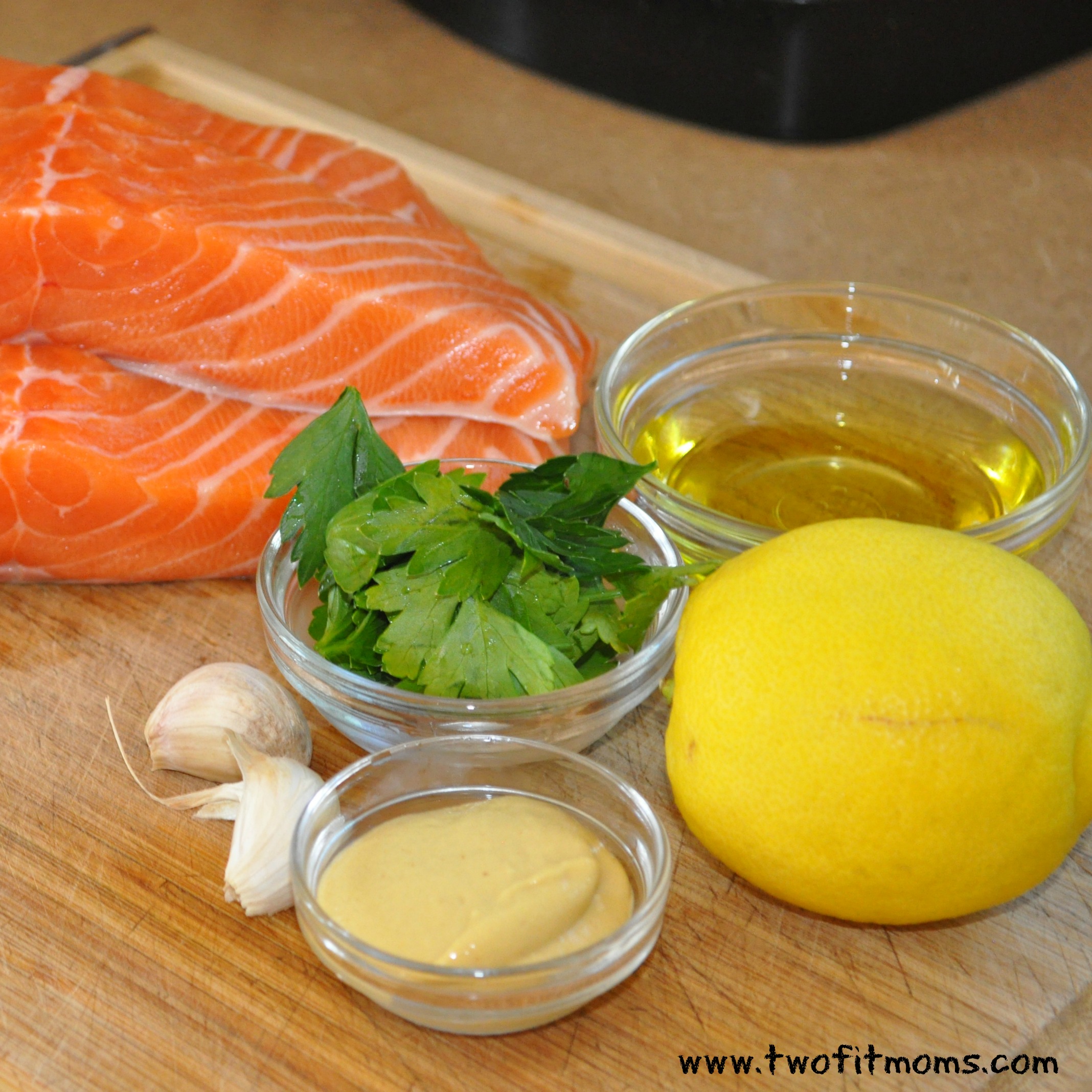
    So, I searched the Internet looking for recipes, and cobbled together a marinade from what I had on hand in my refrigerator – lemon, garlic, dijon mustard, and parsley.  Voila!

    To my surprise, I really liked it.  The whole family liked it!  I’m not sure why — I guess it was just the right combination of flavors between the fresh lemon and parsley, the tangy mustard and spicy garlic.  It was also cooked just right — not overdone, but moist.

    Needless to say, I actually enjoyed the wild salmon.  It was sort of a miracle!  So, I figured, if I like it, you will too.

    Here’s my recipe for Lemon-Dijon Herbed Salmon! Consider serving it with our Shaved Fennel Salad or Lemon-Garlic Scented Roasted Asparagus!

    salmon squareLemon-Dijon Herbed Salmon
    serves 4-6 people

    2 lbs of wild salmon, cut into steaks
    1/4 cup of olive oil
    2 cloves of garlic, crushed
    1/4 cup of parsley, chopped
    1 tablespoon dijon mustard
    1 lemon, juiced and zested
    salt and pepper to taste

    Preheat oven to 400 degrees.

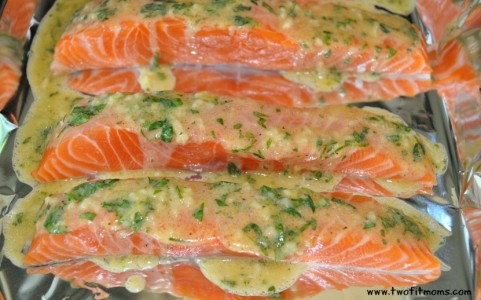
    In a bowl, combine olive oil, crushed garlic, chopped parsley, mustard, juice and zest of one lemon, salt and pepper.

    Place wild salmon in a baking pan, lined with tin foil.

    Evenly distribute marinade over each portion of fish.

    Bake wild salmon for approximately 15 minutes, until firm, but moist.  Serve immediately!

    Helpful hint: Try making this recipe on the grill! You will still want to cook the wild salmon on tin foil.  Try to keep the temperature of the grill at a constant 400 degrees.  I noticed mine cooked a little sooner on the grill, closer to 10-12 minutes.  Keep in mind, cooking times will vary depending on size and thickness of your wild salmon steak. 

  • Handstands:  The Art of Falling

    Handstands: The Art of Falling

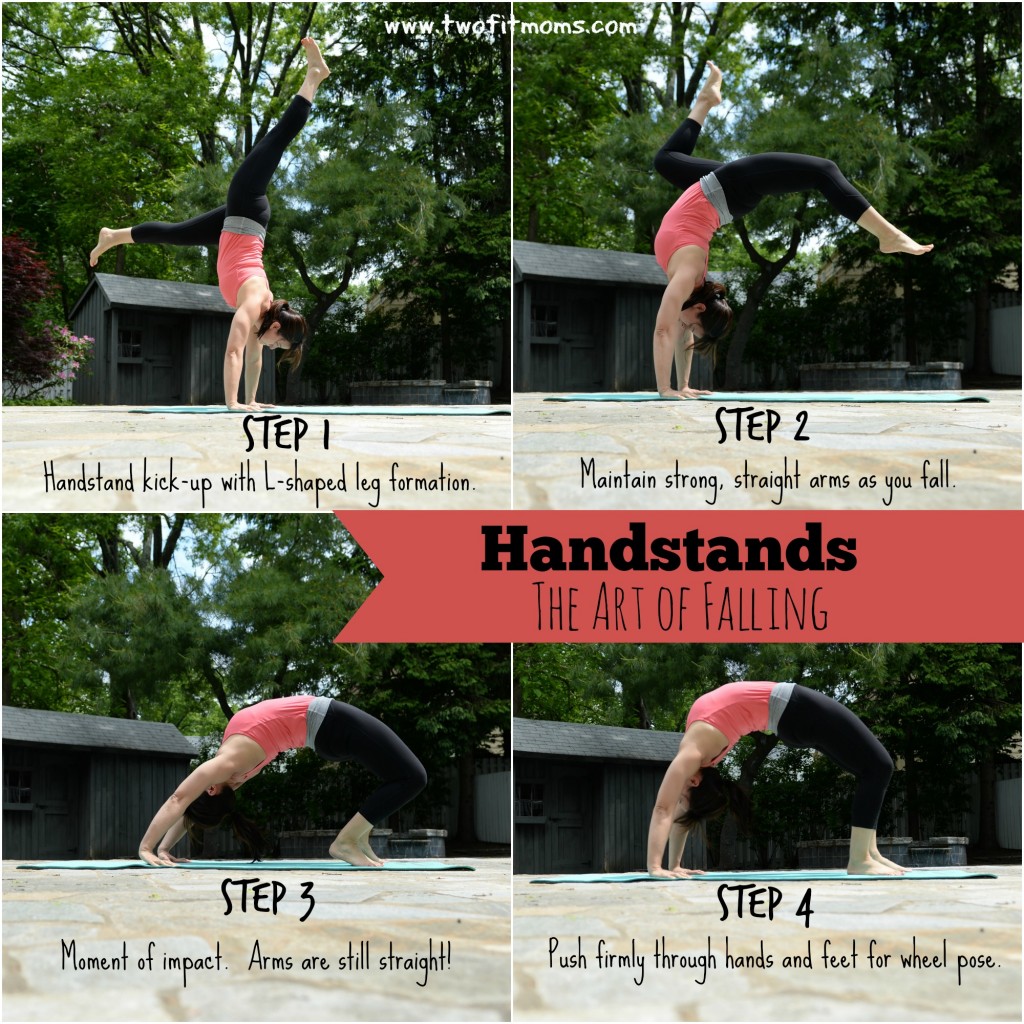
    If you are ready to move your handstand practice away from the safety of a wall, you must embrace the art of falling.  I call it an art because there is actually a bit of technique involved. Once you master the technique, you will not be afraid of practicing in the middle of a room.  You will realize that falling out of any inversion can be a controlled transition from one pose to another.  When you feel your body wavering as you balance on your hands, you will not flail around and then land flat on your back.  You will be armed with a game plan—a real exit strategy.  You will fall (or transition) from handstand into wheel pose.TheArtofFalling

    Practice Wheel Pose
    Before moving your handstands away from the wall, you MUST be very comfortable in wheel pose.  You will be falling into this deep backbend from a height, so you certainly don’t want to fall into this pose if you are uncomfortable or feel any strain at all when you lift into wheel from the floor.  Please review the proper form for wheel pose HERE.

    If you cannot do this pose with ease, continue to practice your handstands with a wall.  Every day, you can continue to work on your backbends and heart/shoulder opening stretches until wheel pose is no longer a struggle.

    At this point, if you are uncomfortable with wheel pose, you may be wondering if there are other alternatives to exiting a handstand.  Yes, there are other options, but I don’t like teaching them.  Falling into a cartwheel, for example, is a very popular exit strategy from handstand, but it doesn’t make sense for beginners.  As a recent beginner myself, I know that once you begin to lose your balance in a handstand, you do not have enough control to do anything but fall straight back.  Attempting to do anything else (like lift one hand to cartwheel to the side) is dangerous and could result in injury.  Trust this process.  If wheel pose is difficult, keep practicing your backbends each day.  Soon enough, you will be practicing handstands in the middle of the room, and you will stay safe because your hands will be rooted in one spot and remain there for the duration of any fall/transition.

    Practice the Transition
    Make sure you are warmed up before practicing this transition.  Kick up into any variation of handstand that feels stable, and when you begin to lose your balance, don’t fight the natural momentum.  The inclination will be to fall straight back, and that is what you will do.

    The most important step in this transition is to maintain straight arms the entire time.  If you bend your elbows during the fall, you might hit your head or land flat on your back.  Just think—strong, straight arms.  Repeat it over and over in your mind.  One way to stay strong is to grip your mat firmly with your fingertips.  By maintaining an engaged feeling in the tips of your fingers, you will be reminded to engage the entire length of your arms by staying strong and straight.

    If You are Scared…
    Kicking up into handstand in the middle of a room and then falling back into wheel requires a huge leap of faith.  You must believe that you have the strength in your arms, the flexibility in your back, and the overall balance necessary to land on your feet in wheel pose.  If you are not convinced of your own ability to do this, don’t be discouraged.  You can practice transitioning into wheel from handstand WITH the safety of a wall.

    To begin, lie down on your back with your knees bent, the soles of your feet flat on the ground, and the tips of your toes against a wall. Review your form before continuing—make sure that your heels are as close to your bottom as possible.  Bend your elbows, and bring your hands alongside your ears, with your fingers pointed toward your body.  You are now set up on the floor as if you were going to lift into wheel pose with your toes against a wall.  Take note of where your hands are relative to the wall.  THIS will be your starting point for your handstand practice.  No need to lift into wheel pose right now.  Go ahead and stand up, and place your hands down onto this starting point that you just determined.  Kick up into handstand, and when you lose your balance, allow your legs to fall against the wall.  Keep your arms strong and straight, and begin to walk your feet down the wall onto the floor into wheel pose.  Repeat this exercise as many times as necessary to become accustomed to the feeling of transitioning from handstand to wheel.  Once you feel confident, go ahead and try the transition in the middle of the room.

    Stay safe, believe in yourself, and enjoy the process.

  • Daily Practice: Opening Up the Hips

    Daily Practice: Opening Up the Hips

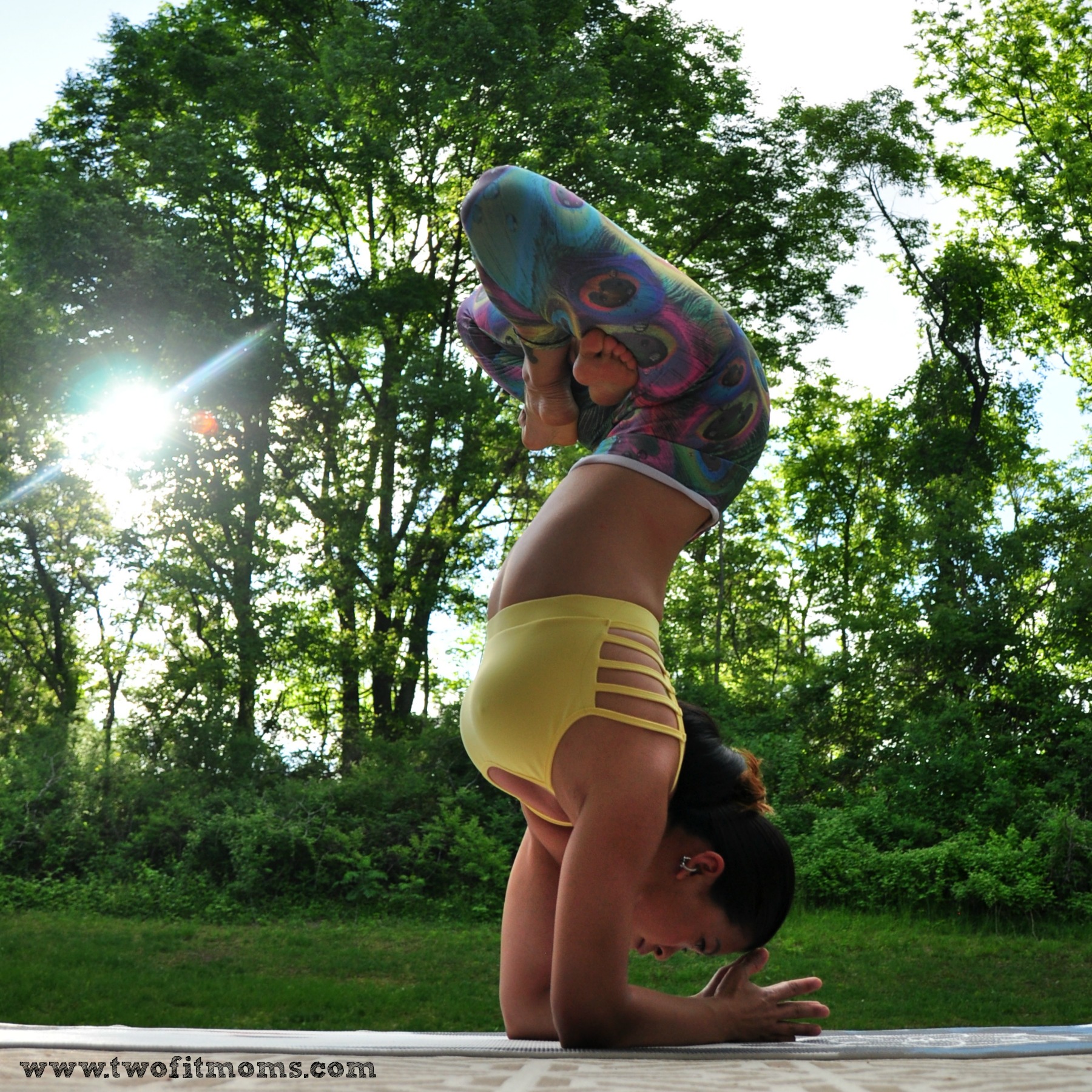
    DSC_9761a

    When I became serious about my yoga practice, getting into inverted lotus was one of my goals. However, it was no small feat with naturally tight hips (which became even tighter after two kids!).  The pose seemed nearly impossible. Even seated lotus was hard…my knees would bother me, and my ankles would hurt. Opening up my hips was the obvious answer and only after adding hip openers to my daily practice did I see any progress. Here are the five hip openers that I try to incorporate daily. I recommend having a block nearby if you have tight hips. As always, be mindful of your practice and move at your own pace!

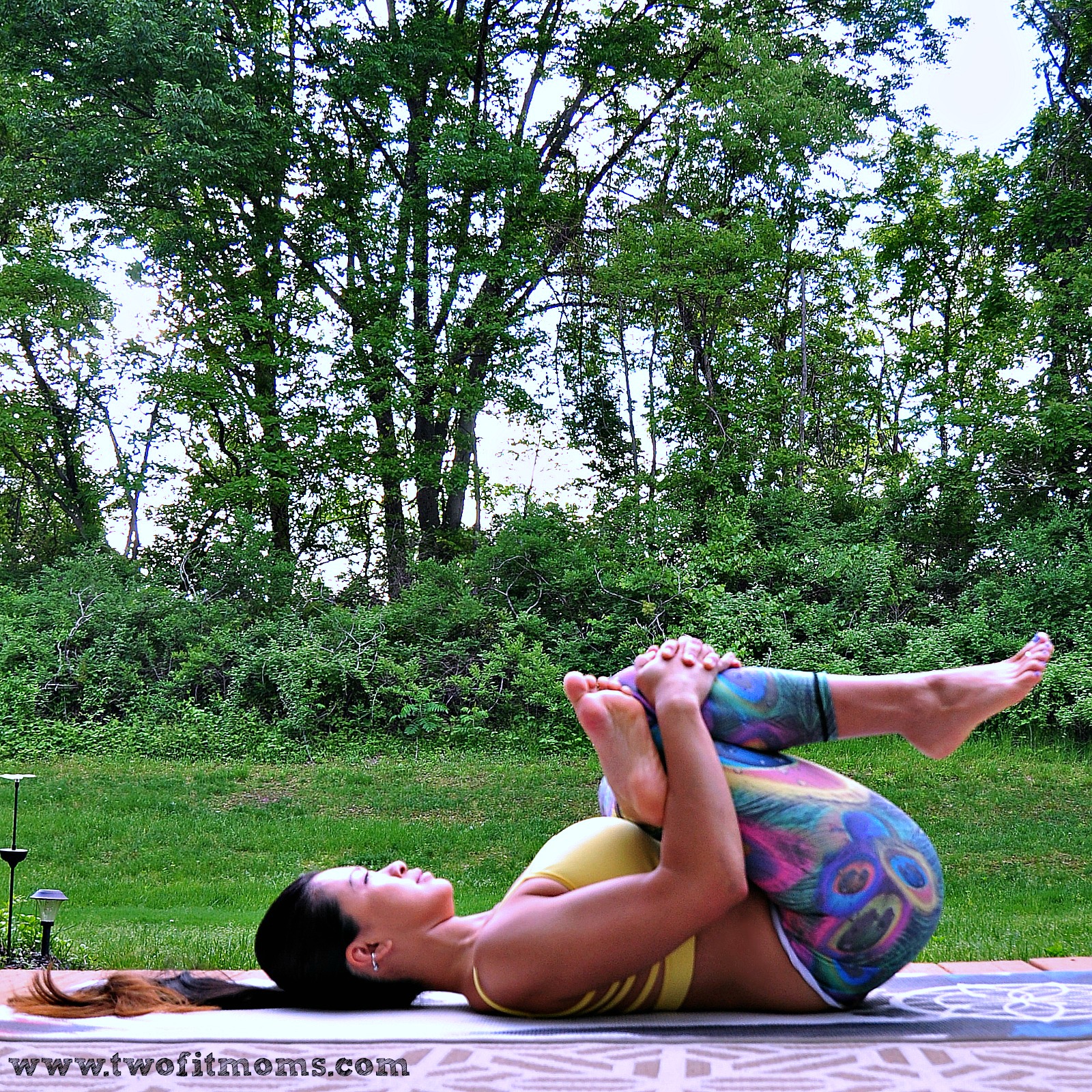
    #1: Reclined Thread the Needle

    DSC_9567aa

    – Start out lying down with your feet planted on your mat.

    – Cross your right ankle over your left thigh, just above the knee. Flex your right foot.

    – Bring the legs into your body. The right hand will go through the triangle in your legs.

    – Grab onto the back of your left thigh or you can grab onto your left shin.

    – Hug the legs into you.

    – For a deeper stretch, push the right elbow into your inner right thigh to open the hip even more.

    – Hold for about 10 breaths, then switch sides.

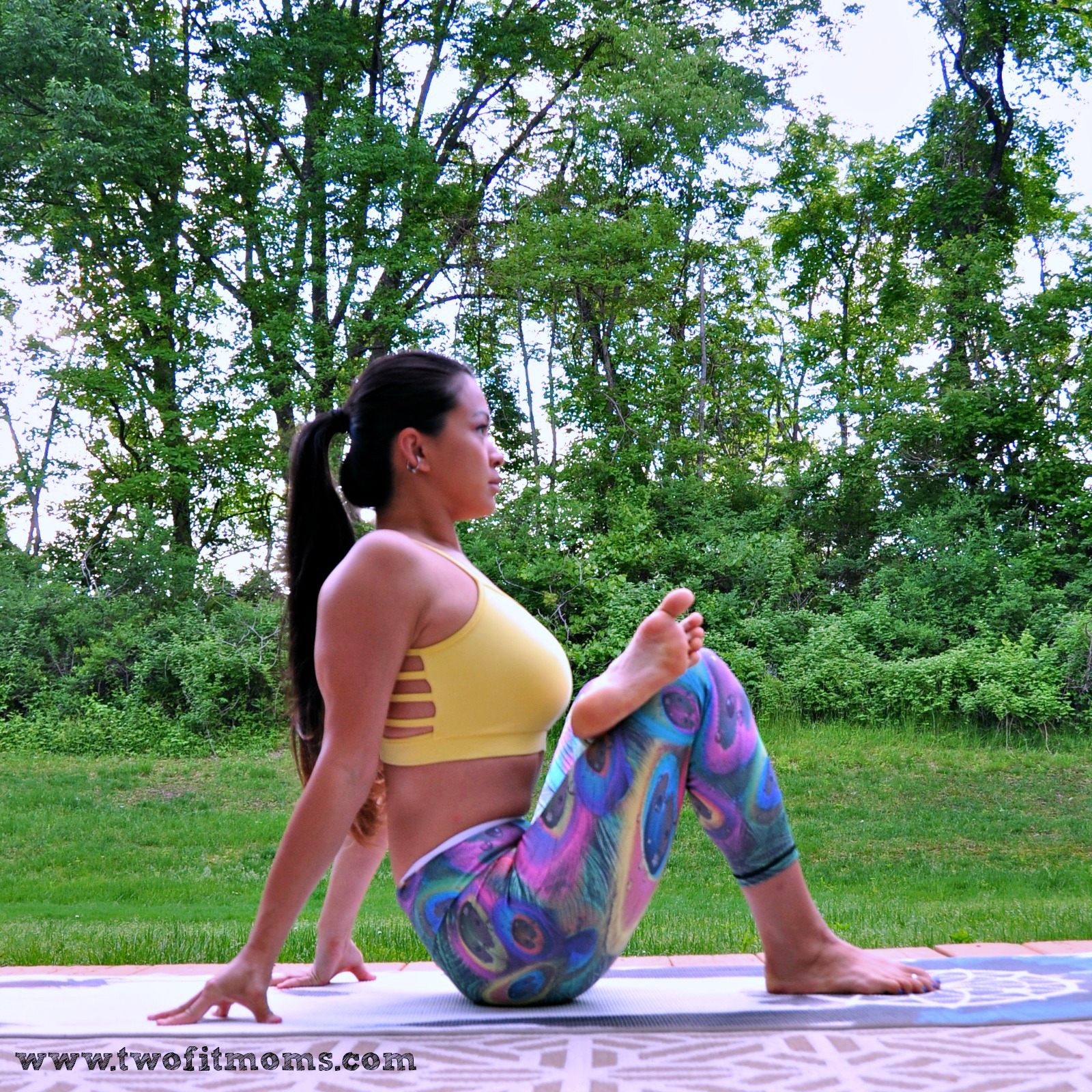
     #2: Easy Seated Hip Opener

    DSC_9586aa

    – Sit on your mat and extend both legs out in front of you.

    – Bend the left knee and plant the left foot firmly on your mat…not too close to your body at first!

    – Cross the right ankle once again over your left thigh, just above the knee.

    – Bring your hands behind you and sit up tall, bringing your chest towards your right shin.

    – For a deeper stretch, move the left foot closer to your body.

    – Hold for about 10 breaths, then switch sides.

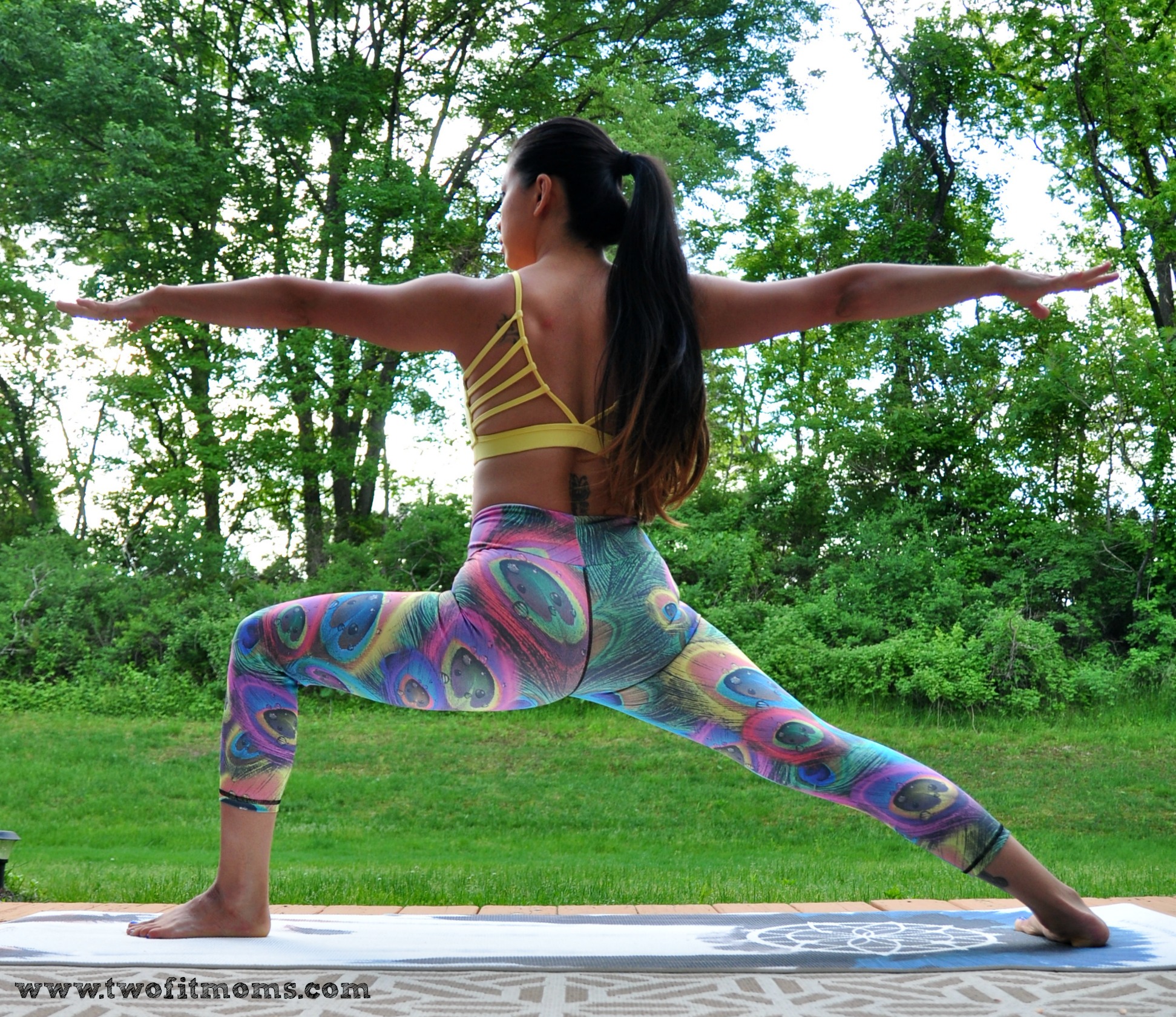
    #3: Warrior II

    DSC_9674a

    This might seem weird, but holding a standing posture like Warrior II builds heat in your hips.

    – From Downward Facing Dog, step your right foot in between your hands and spin the back heel down.

    – Windmill the arms up to shoulder height, straight line from fingertip to fingertip.

    – Right knee stacks directly over the right ankle.

    – Right knee is parallel to your mat.

    – Shoulders stack directly over your hips; shoulders relax away from your ears.

    – Gaze out past your right middle finger.

    – Hold for 10 breaths, then switch sides.

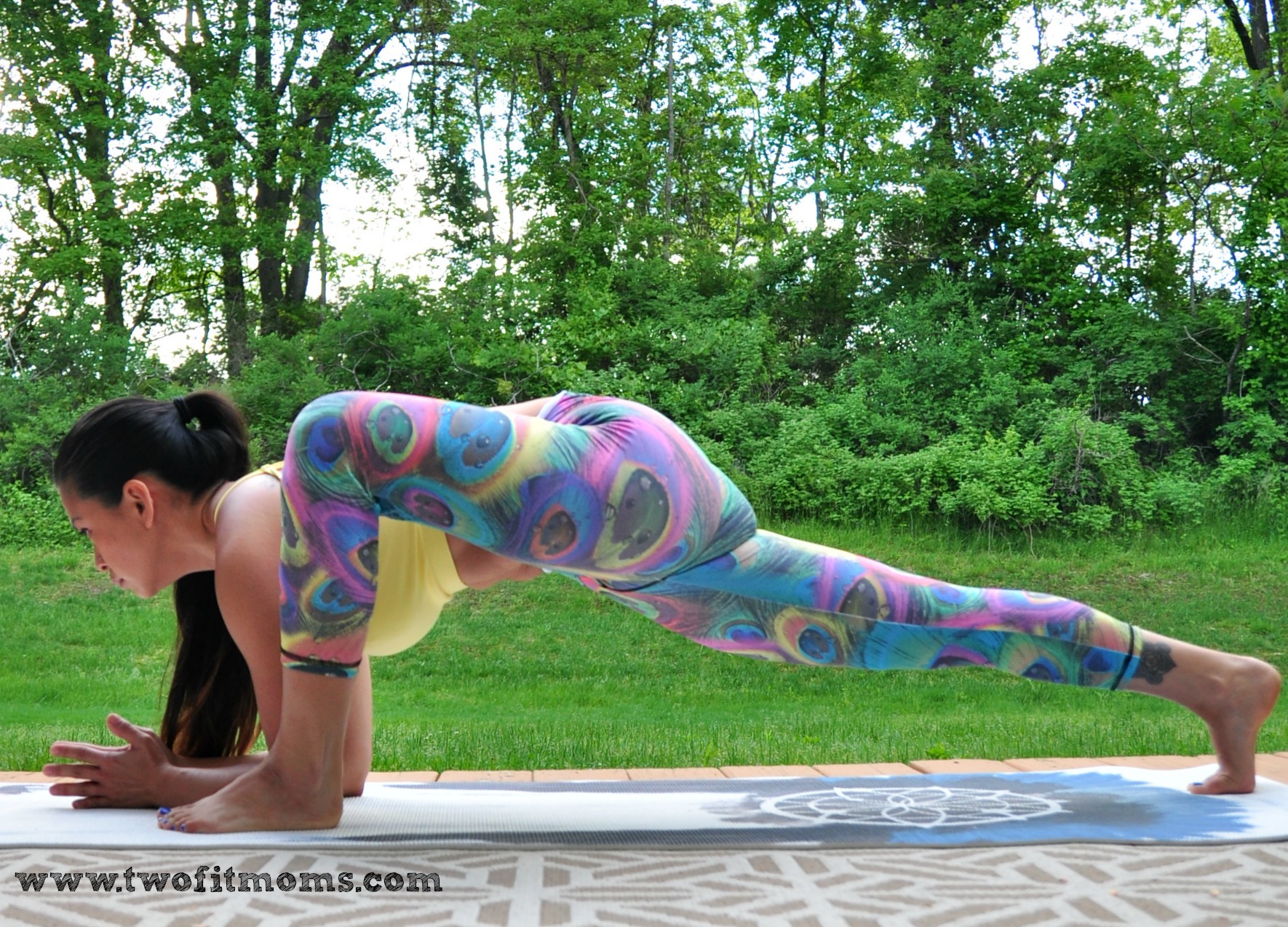
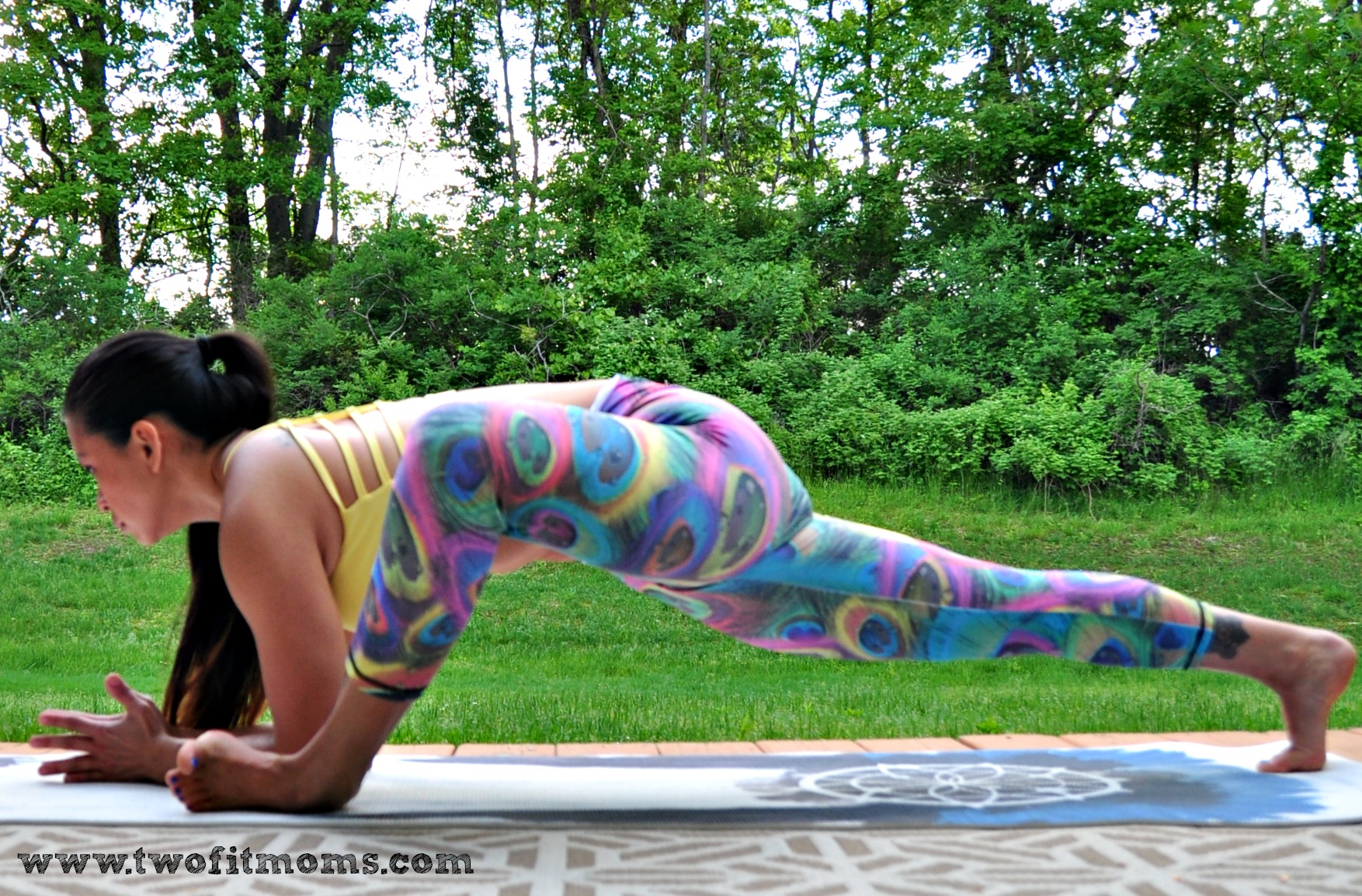
     #4: Lizard PoseDSC_9642a

    DSC_9651aa

    – From Downward Facing Dog, step your right foot to the outside of your right hand and lower your left knee onto your mat.

    -Drop down on your forearms. If this is highly uncomfortable, use a block to bring the ground up to you.

    – Keep your gaze forward; think Upward Facing Dog in your torso.

    – Keep your right knee squeezing in at first. Then if accessible, roll onto the outside edge of your right foot. Keep your right foot flexed.

    – For a deeper stretch, curl your back toes under and lift the back knee up.

    – Hold for 10 breaths, then switch sides.

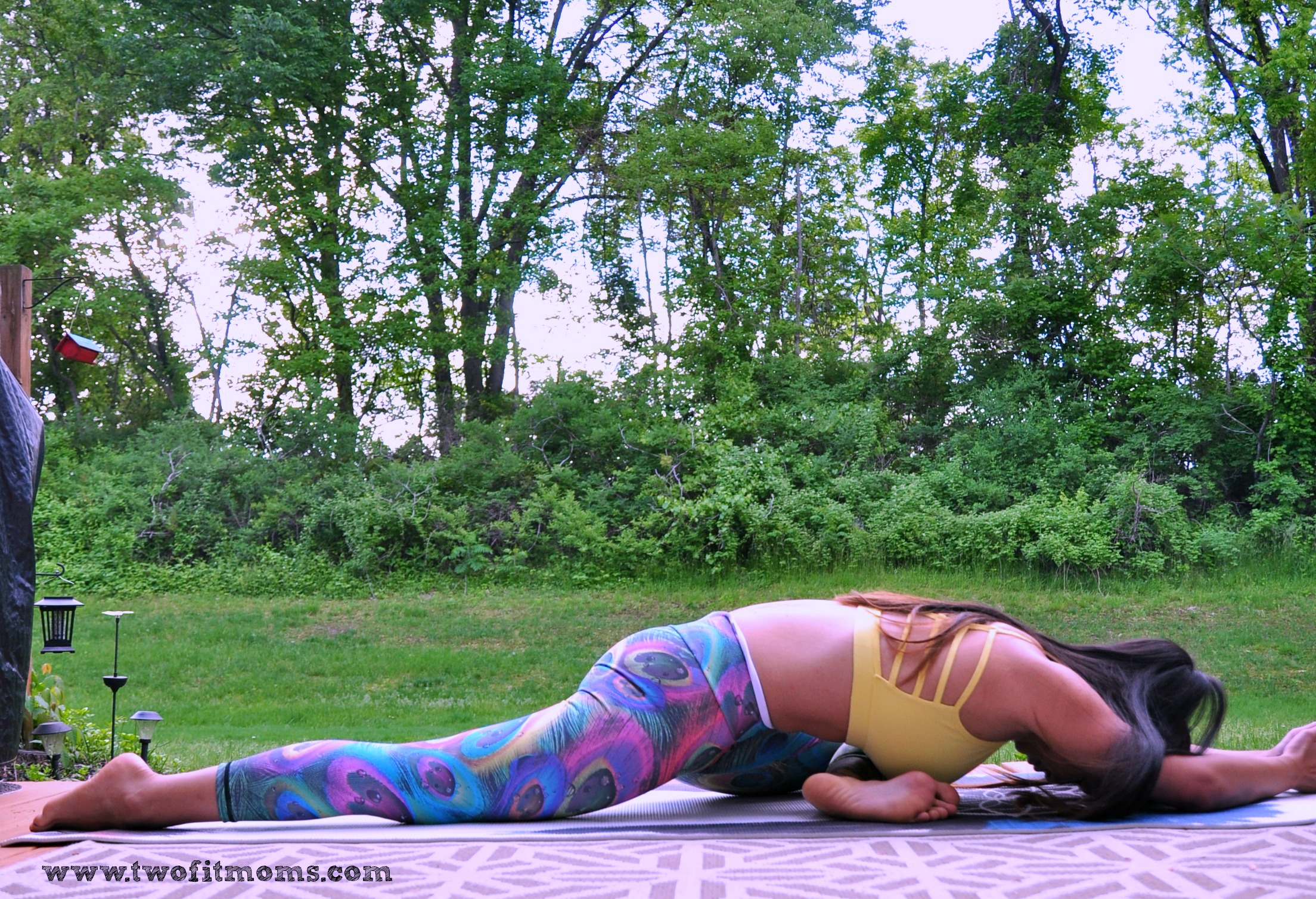
    #5: Pigeon Prep

    DSC_9617aa

    – From Downward Facing Dog, bring the right knee behind the right wrist and drop the shin down onto your mat. Depending on how open your hips are, the shin may be parallel to the top of your mat or closer in towards your body.

    – Square off your hips. If you are way up off of your mat when you do this, place a block or blanket underneath you.

    – Take a peak behind you and make sure the back leg is going straight back.

    – Sit up tall, then walk your hands forward over your right shin. You can rest your forehead on a block, your hands or the ground.

    – Hold for 10-20 breaths, then switch sides.

    Remember to always be patient with yourself during your practice. Your hips will open up with time and consistent practice.

    XOXO

    Blog Signature

  • Smashed Potatoes

    Smashed Potatoes

    smashed pot bannerI love potatoes — mashed potatoes, roasted potatoes, french fries, potatoes au gratin.  The list goes on and on . . . .But, I also like easy recipes and ones that the whole family will enjoy.  This recipe for smashed potatoes is really very simple.  And, they are fun to make, because you get to smash the potatoes with a mug — almost as if you were making tostones.

    However, nothing is fried, so this is a great healthy side dish.  The potatoes are oven baked and seasoned with delicious smoked paprika, garlic powder, salt and pepper. They are a great alternative to a roasted potato — and I market them as french fries to get my kids to eat them!

    So, next time you are at the market, grab a bag of baby new potatoes (they can be white, Yukon gold, or red potatoes).  And because all bags of potatoes seem to come in different weights, you choose the amount of olive oil and seasoning you put on them.

    Smashed Potatoes

    1 bag of baby new potatoes (I like the white or Yukon gold varieties)
    A few tablespoons of olive oil
    Smoked paprika
    Garlic powder
    Salt
    Pepper

    Add cleaned potatoes to a pot of water.  Bring the water and potatoes to a boil over medium-high heat.  Boil until potatoes are fork-tender — mine took about 25 minutes.  Drain potatoes and let them cool so that you can handle them.

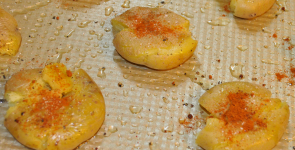
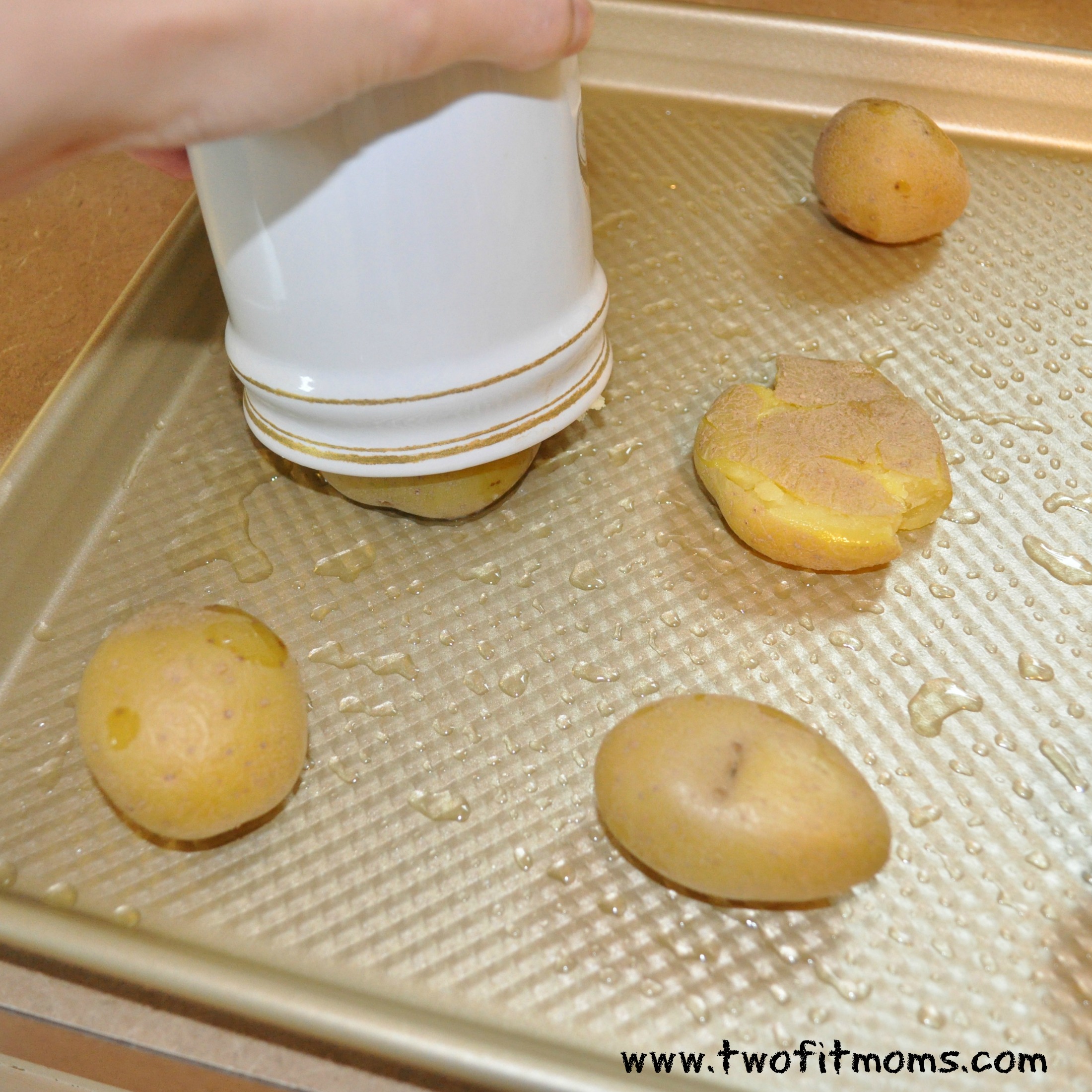
    smashing potatoIn the meantime, preheat your oven to 400 degrees.  Take a large cookie sheet and coat the bottom lightly with olive oil.  Place potatoes on the cookie sheet a few inches apart so that you can allow them to spread when you smash them.  With a flat bottomed coffee mug, push down on the potato until it flattens (check out the picture to the right).  Once you have flattened all of the potatoes, drizzle a few tablespoons of olive oil over them and sprinkle with paprika, garlic powder, salt and pepper.  There’s no precise measurement for the spices, but take a look at the picture in the header to get a sense of how much spice I used.

    Bake until potatoes crisp up a bit – time will all depend on how many potatoes you have and their size, but 20 minutes is probably a good estimate.

    Enjoy!

    Helpful Hint: If you tend to be short on time in the evening, boil your potatoes during your morning routine. Drain them, and leave them on your countertop (or in the fridge, if you prefer) for smashing and oven roasting later.