Downward Facing Dog, or Adho Mukha Svanasana, is one of the most well-known yoga poses. It is the pose we come back to as we move through our flow. It is also a resting pose. Since we are most frequently in Down Dog, we sometimes forget to pay attention to our form. So, let’s break down Downward Facing Dog to help you get the most out of this pose.
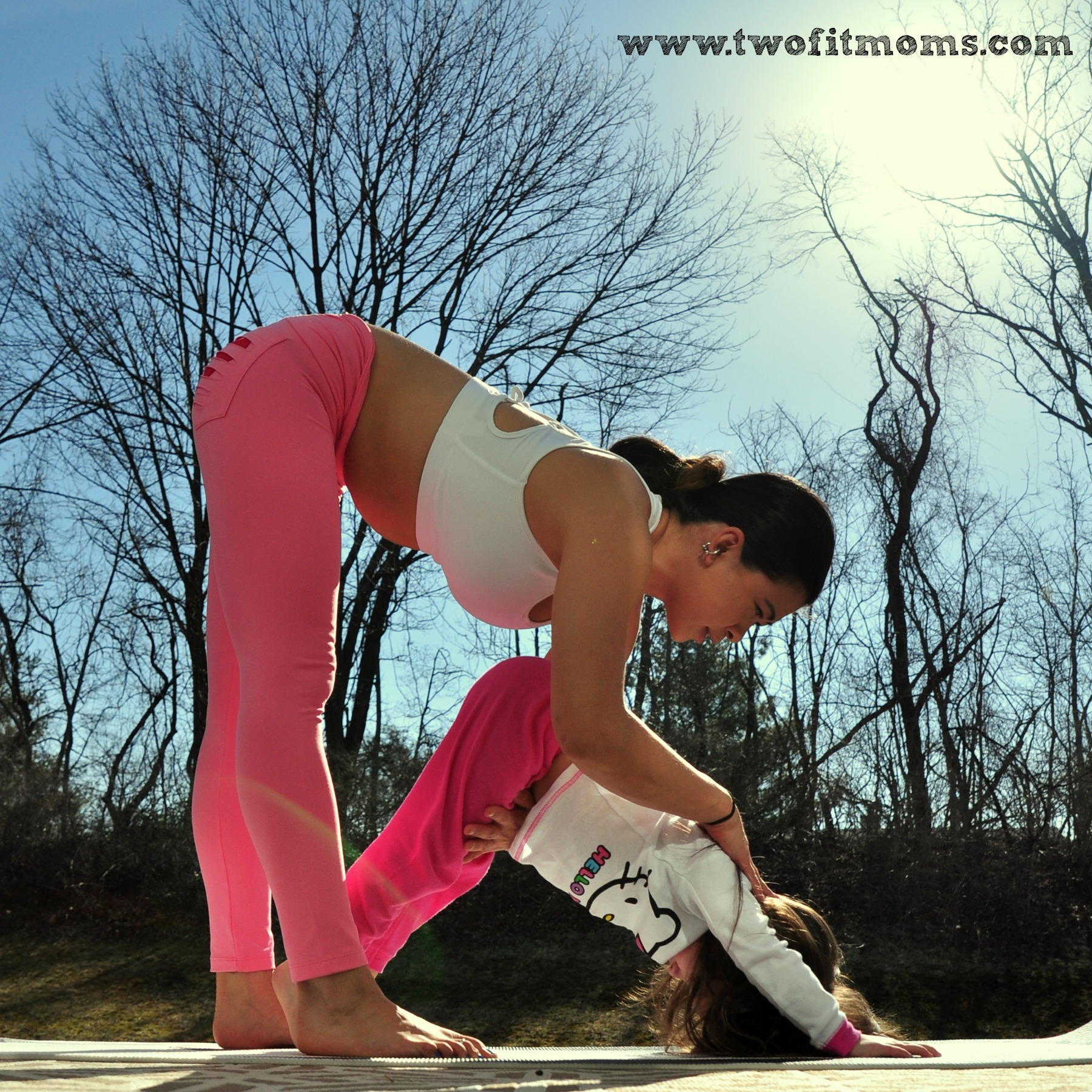
Hands & Feet: Where should they be?
Generally speaking, if you come into Plank Pose (or the top of a push up), your hands and feet are in the perfect position for Downward Facing Dog. This is the ideal place to start; however, it may not work for you. I walk my feet in about an inch when doing this. Play with it, everyone’s body is different!
If you are coming into Down Dog from Tabletop position (on all fours), you can either move your hands a few inches past your shoulders OR move your knees back a few inches before lifting the hips.
Here’s your Down Dog checklist:
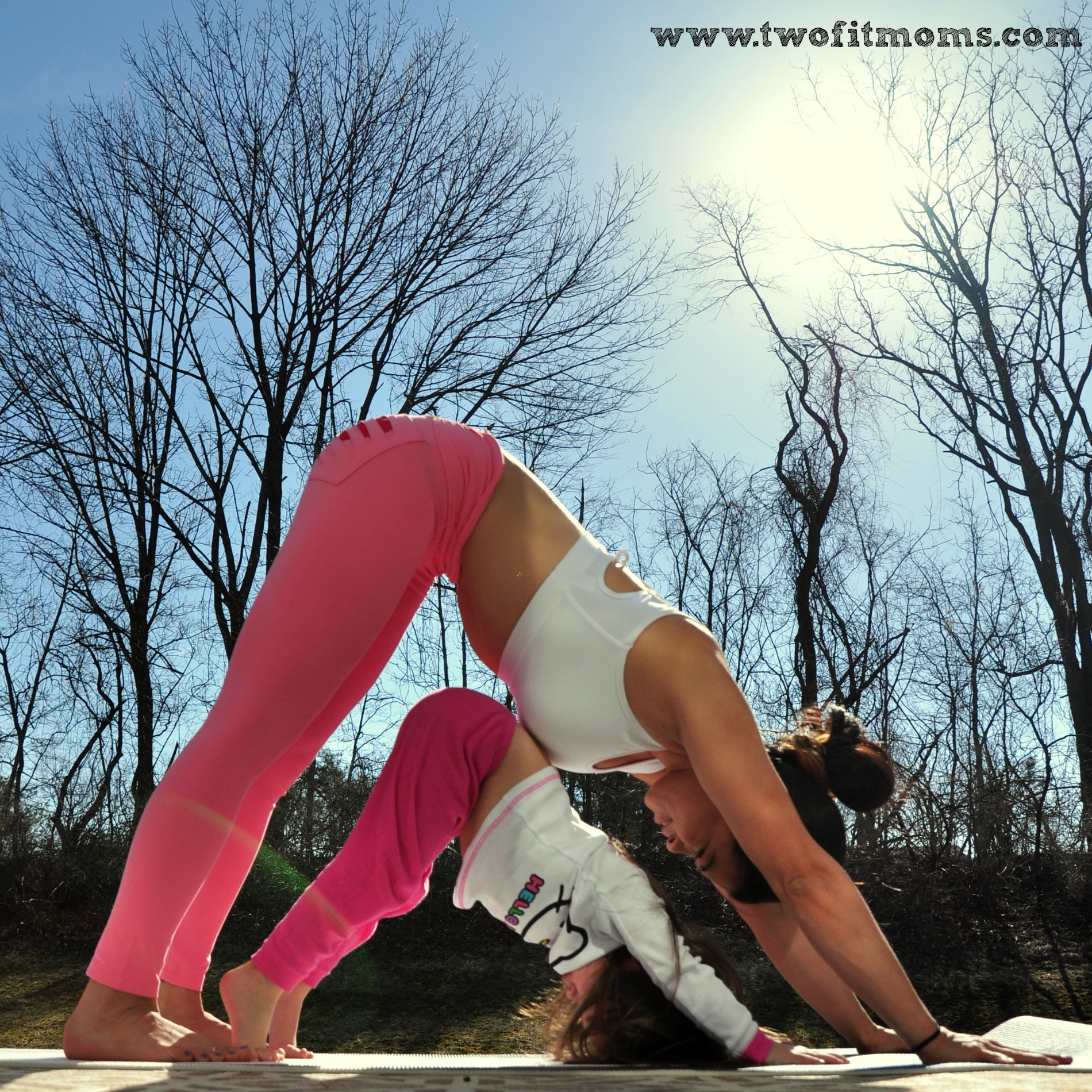
– Are my hands and feet shoulder width apart?
– Are my fingers spread? Index fingers parallel or slightly turned outward?
– Do I feel my palms connected to my mat?
– Are my biceps slightly externally rotating? In simple terms, are the eyes of my elbows moving towards the front of my mat (external rotation) or in towards each other (internal rotation).
– Are my shoulders rolling down my back away from my ears?
– Is there any strain in my neck? Are my ears alongside my biceps?
– Am I sagging into my chest? If so, can I corset my low rib cage together to prevent lower back strain?
– Are my abs engaged?
– Is my lower back rounded or strained? If so, maybe I need to put a slight bend in my knees.
– Are my quadriceps, or the front of my thighs, engaged?
– Are my inner thighs internally rotating?
– Is the intention of my heels moving towards my mat?
I know this is a long checklist, but start by remembering two or three of these pointers until they become commonplace in your Downward Facing Dog. This pose strengthens every part of your body. Respect it, and show it some love!
XOXO

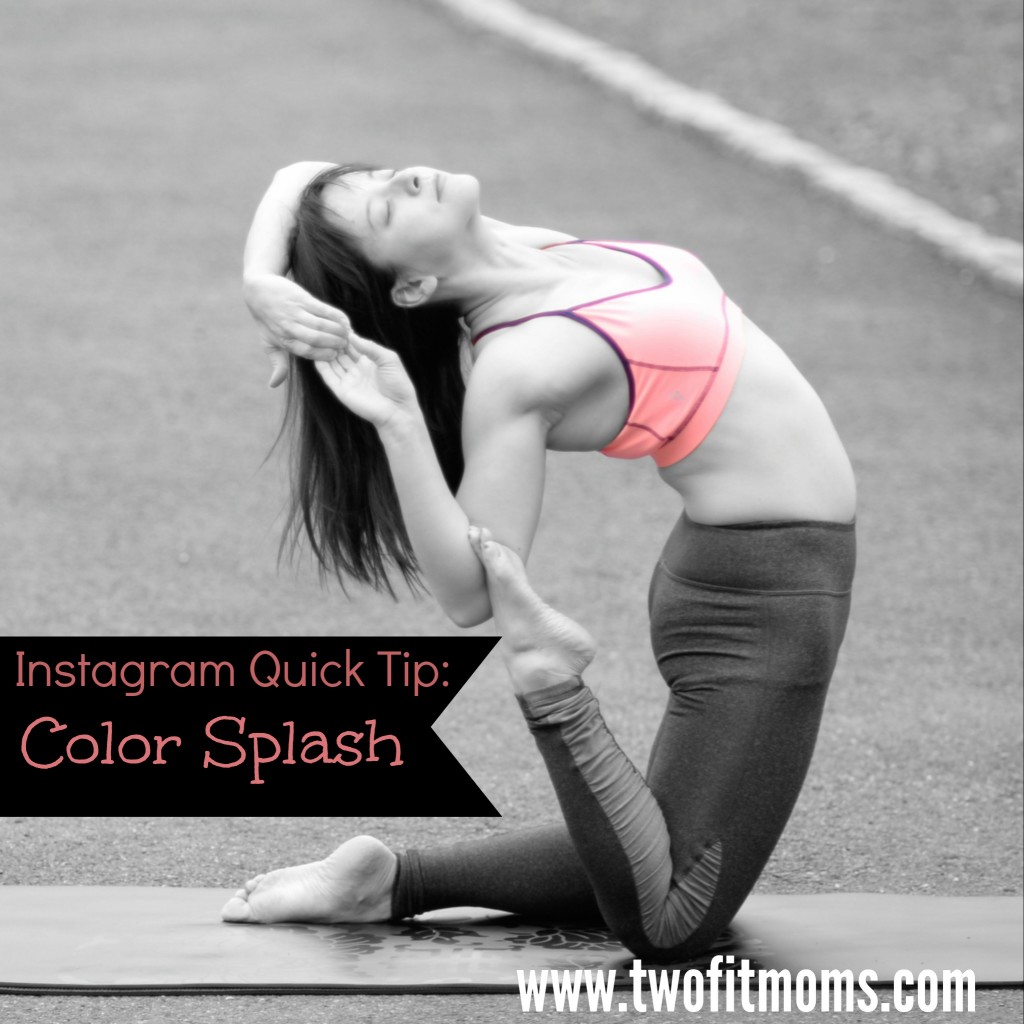
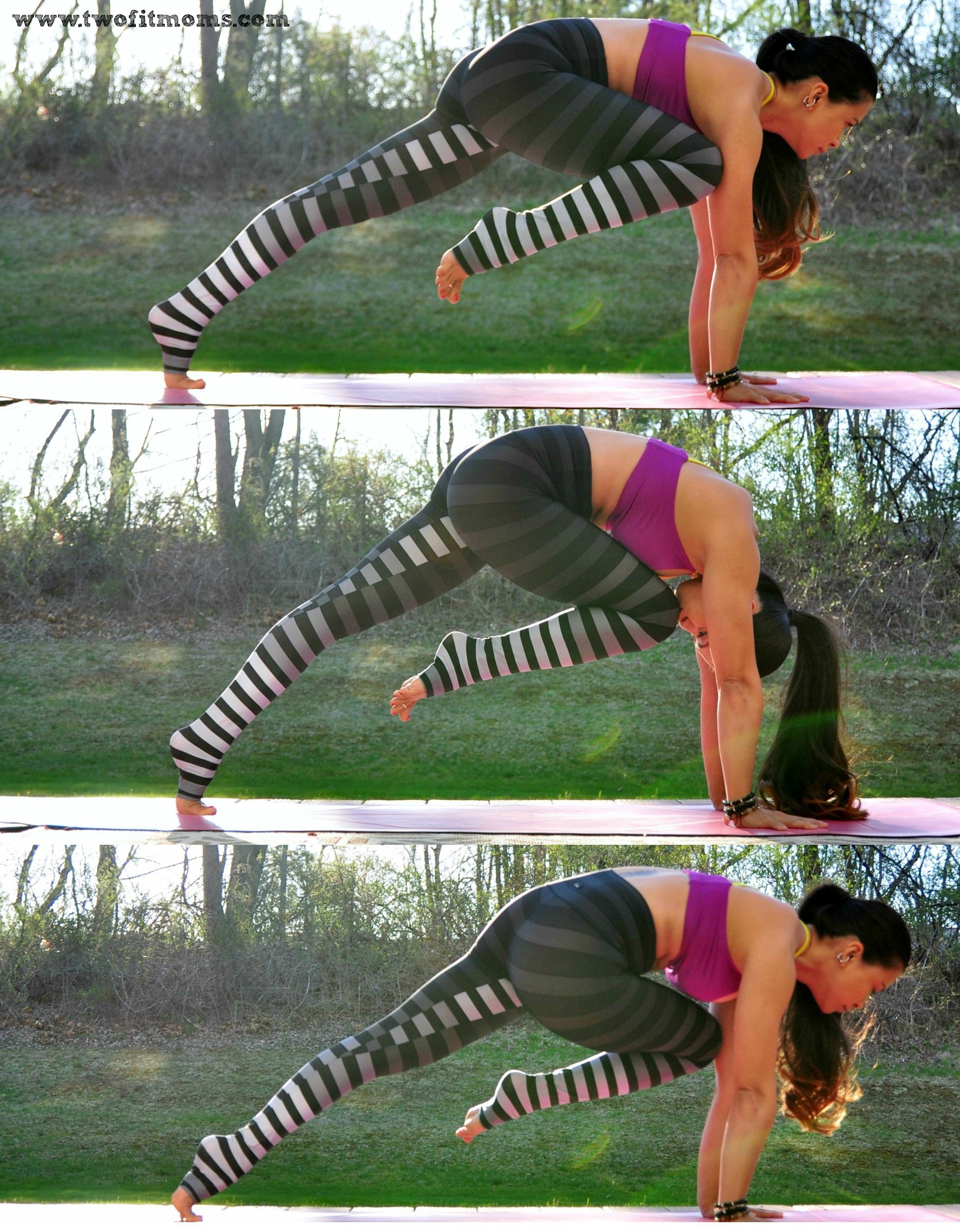
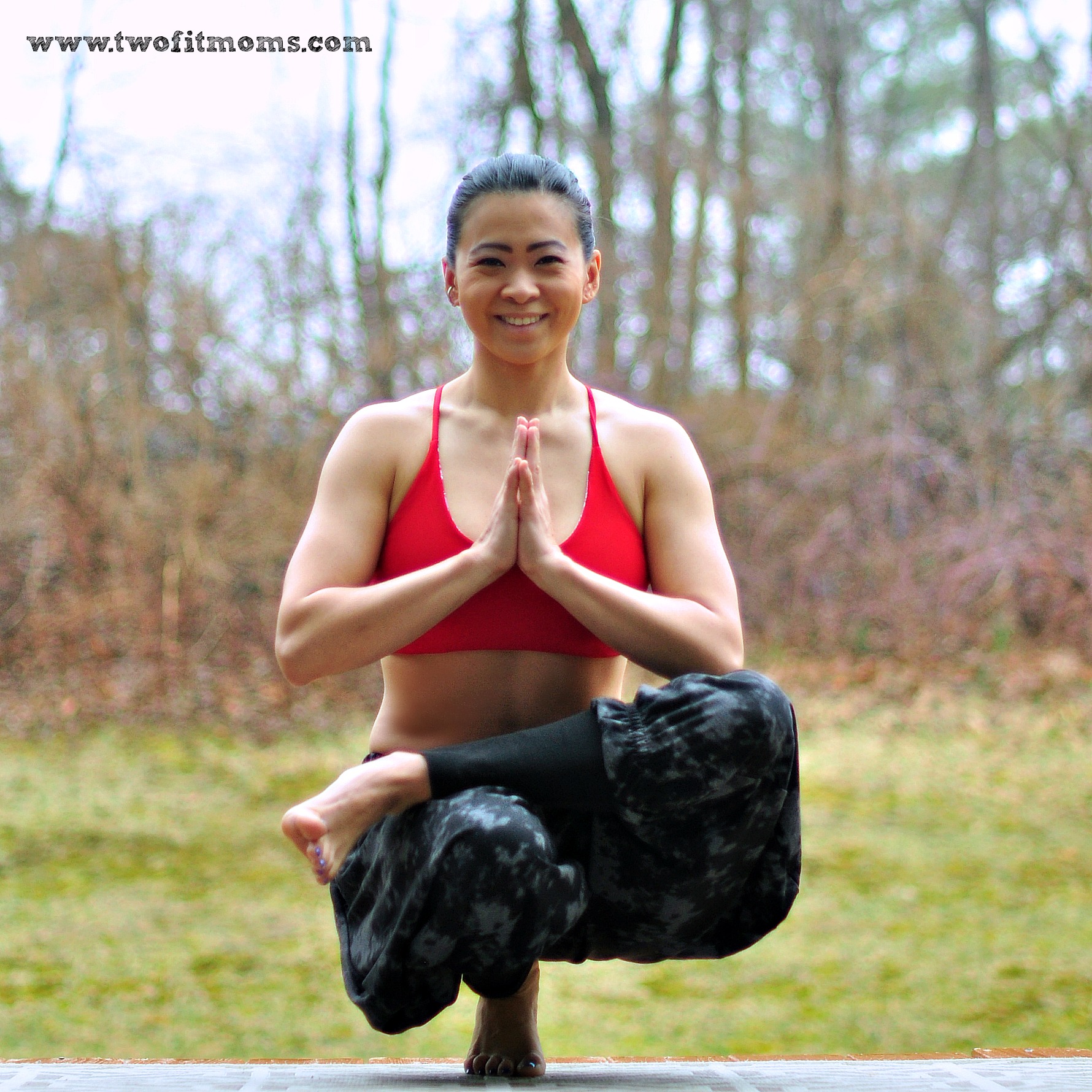
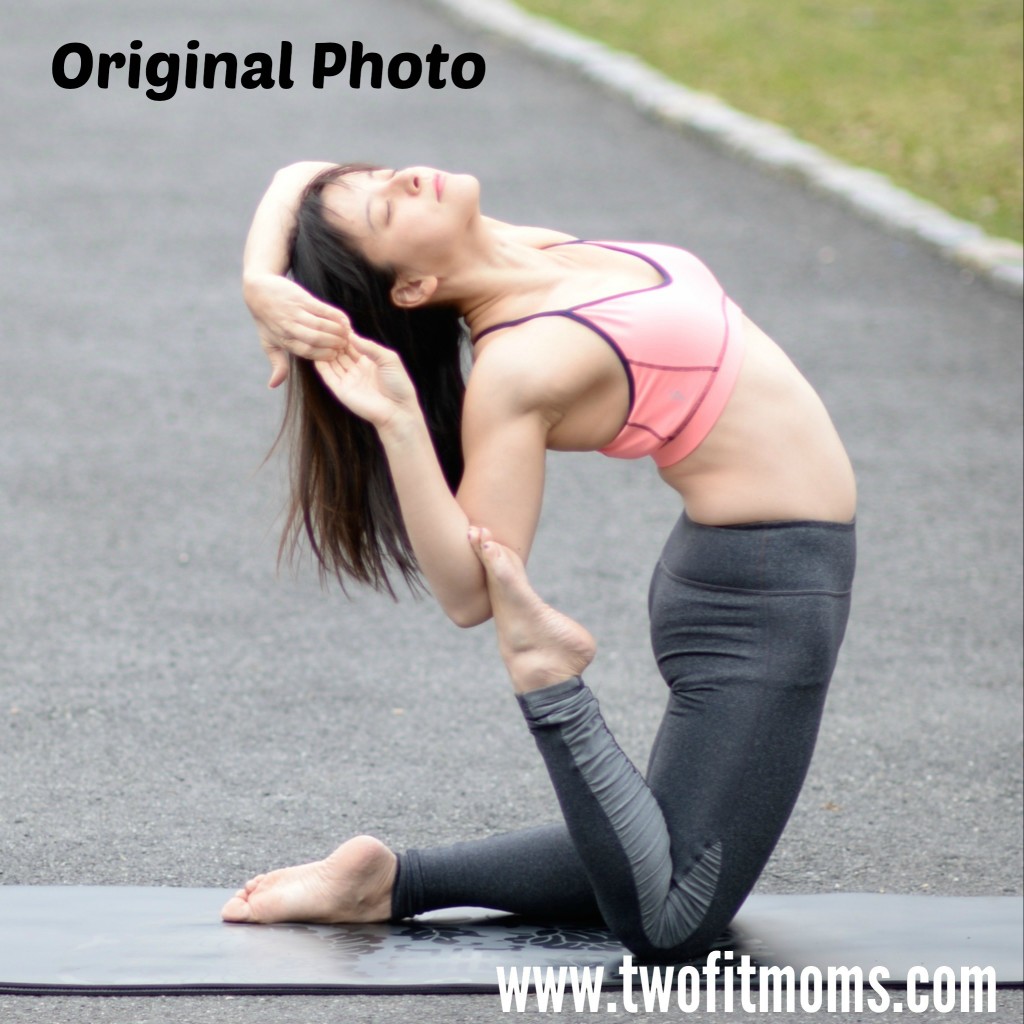 Take a look at my original photo. It’s fine as is, but the bright pink color of my top is competing with the green grass in the background. By converting the entire image to black and white, I can remove the background noise and focus on my clothing.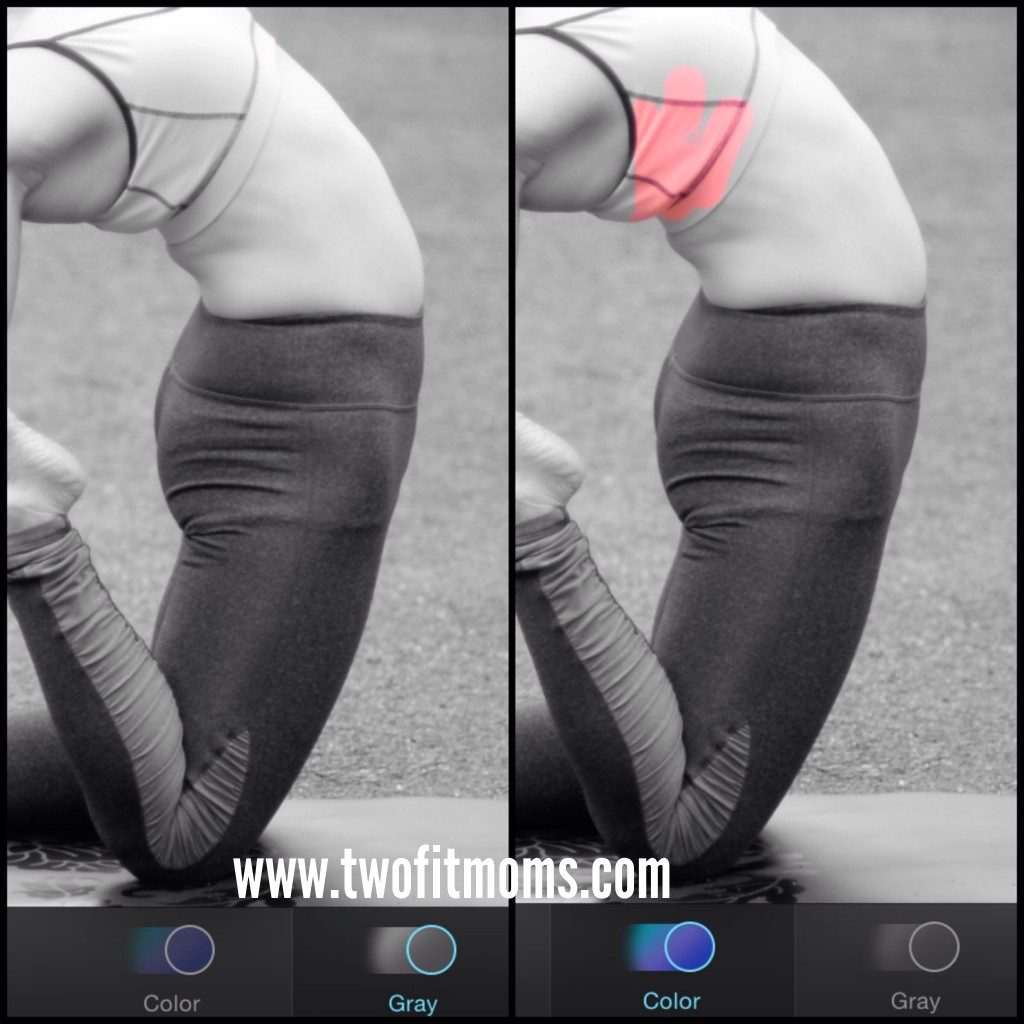

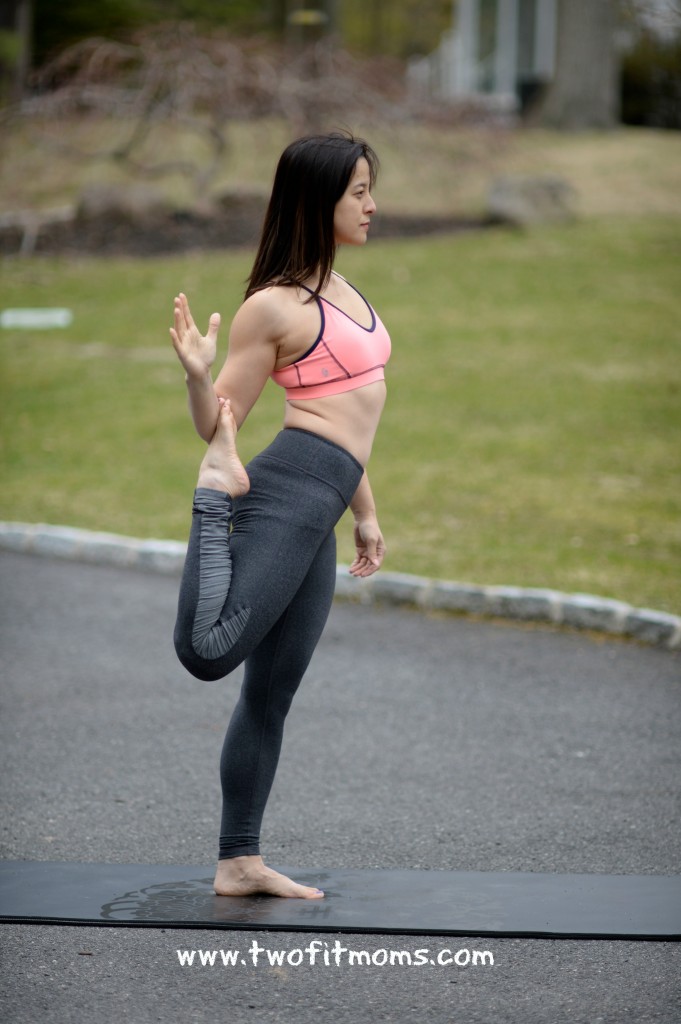
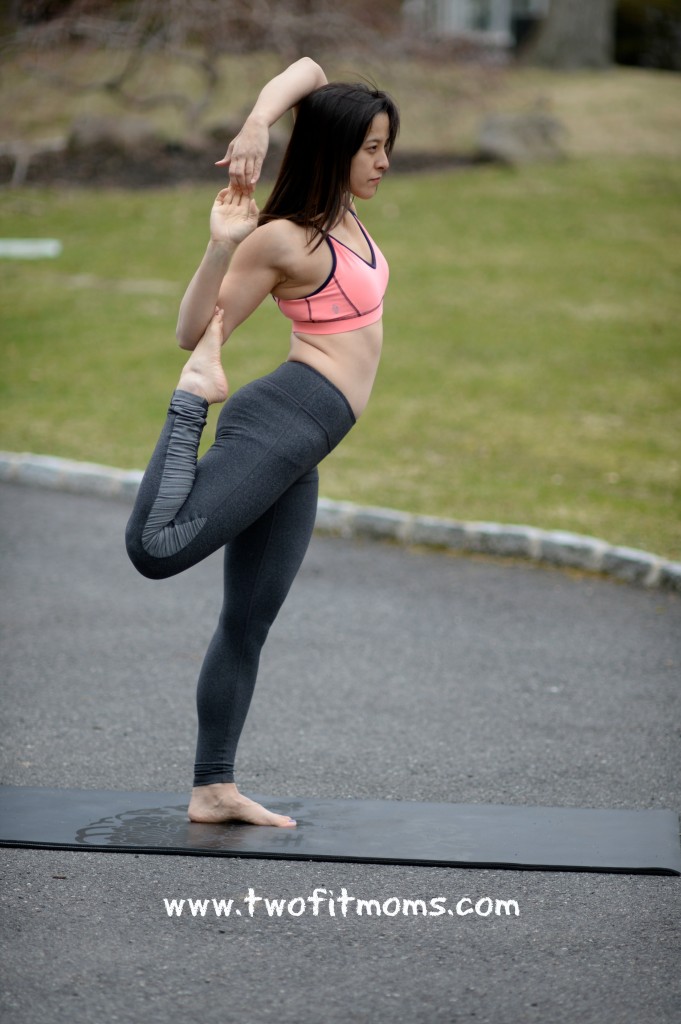
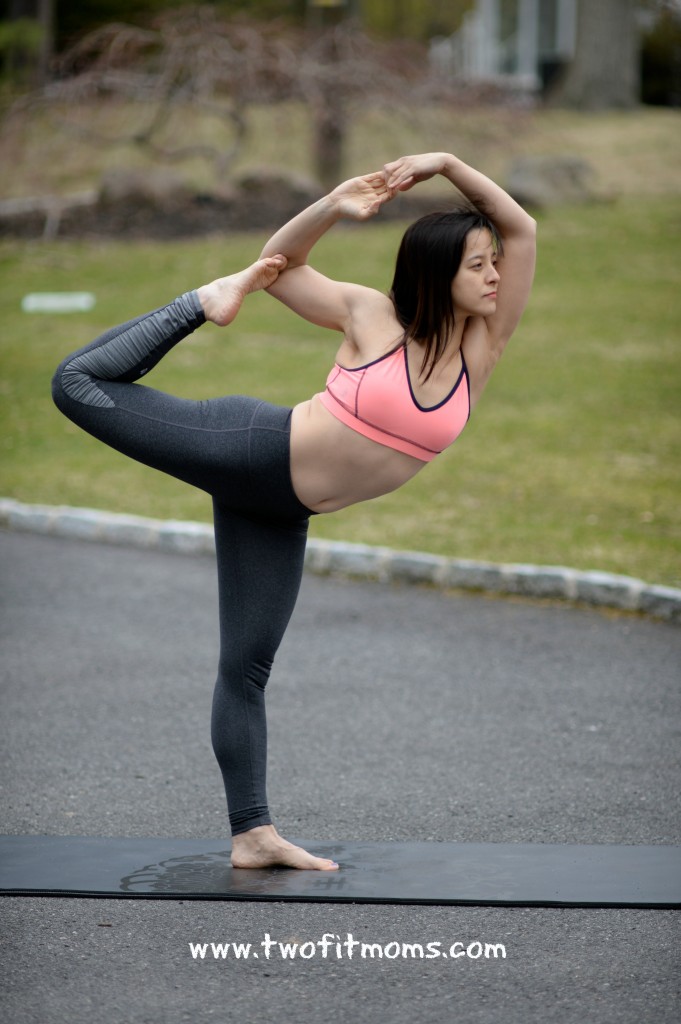
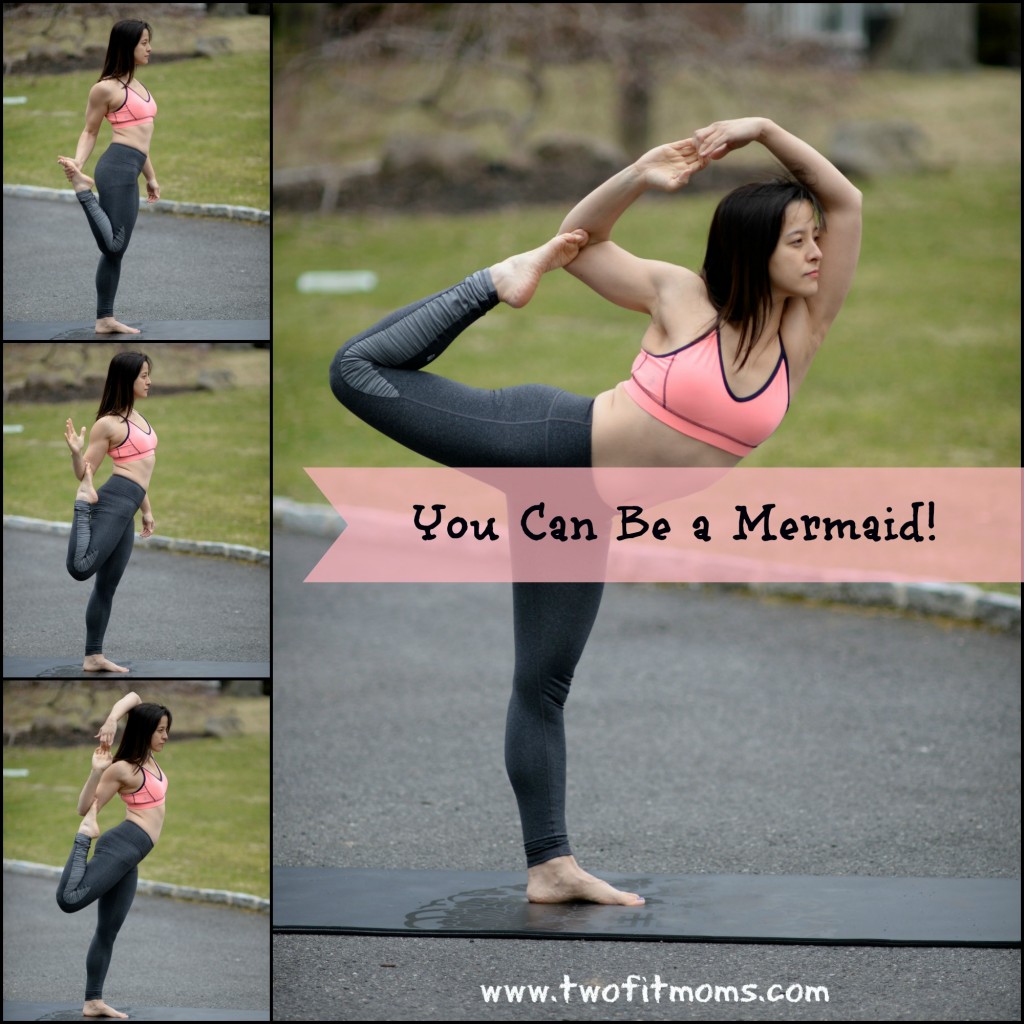 I still remember the first time I saw a photo of standing mermaid pose. I was scrolling through my Instagram feed, and I paused to look at this interesting posture. It appeared to be some kind of dancer pose variation, but I had never seen anything like it before. I had to try it!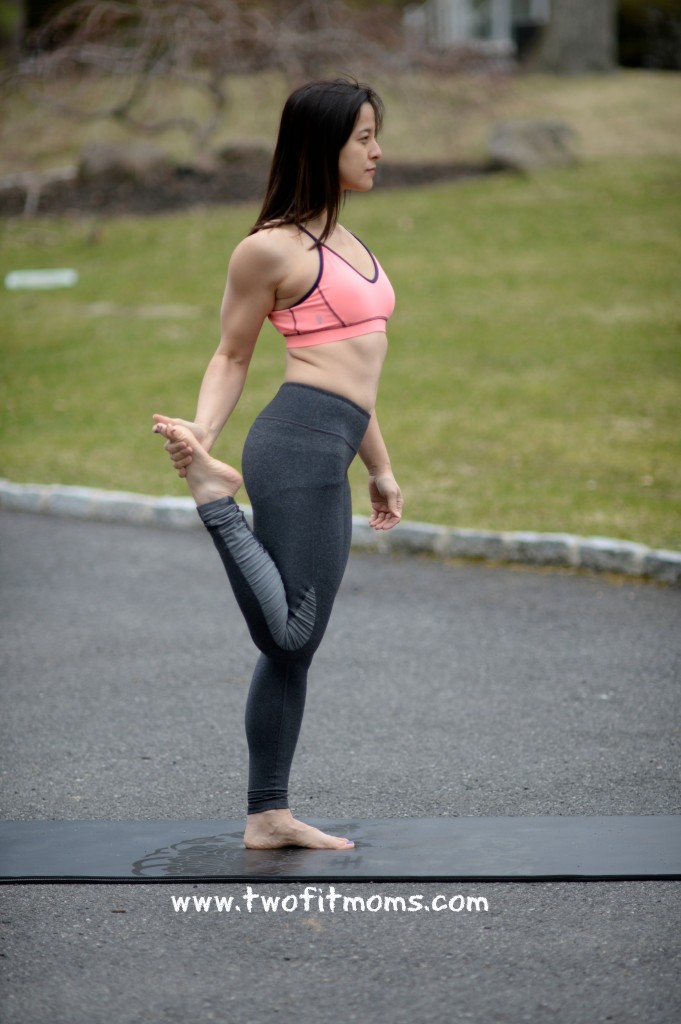

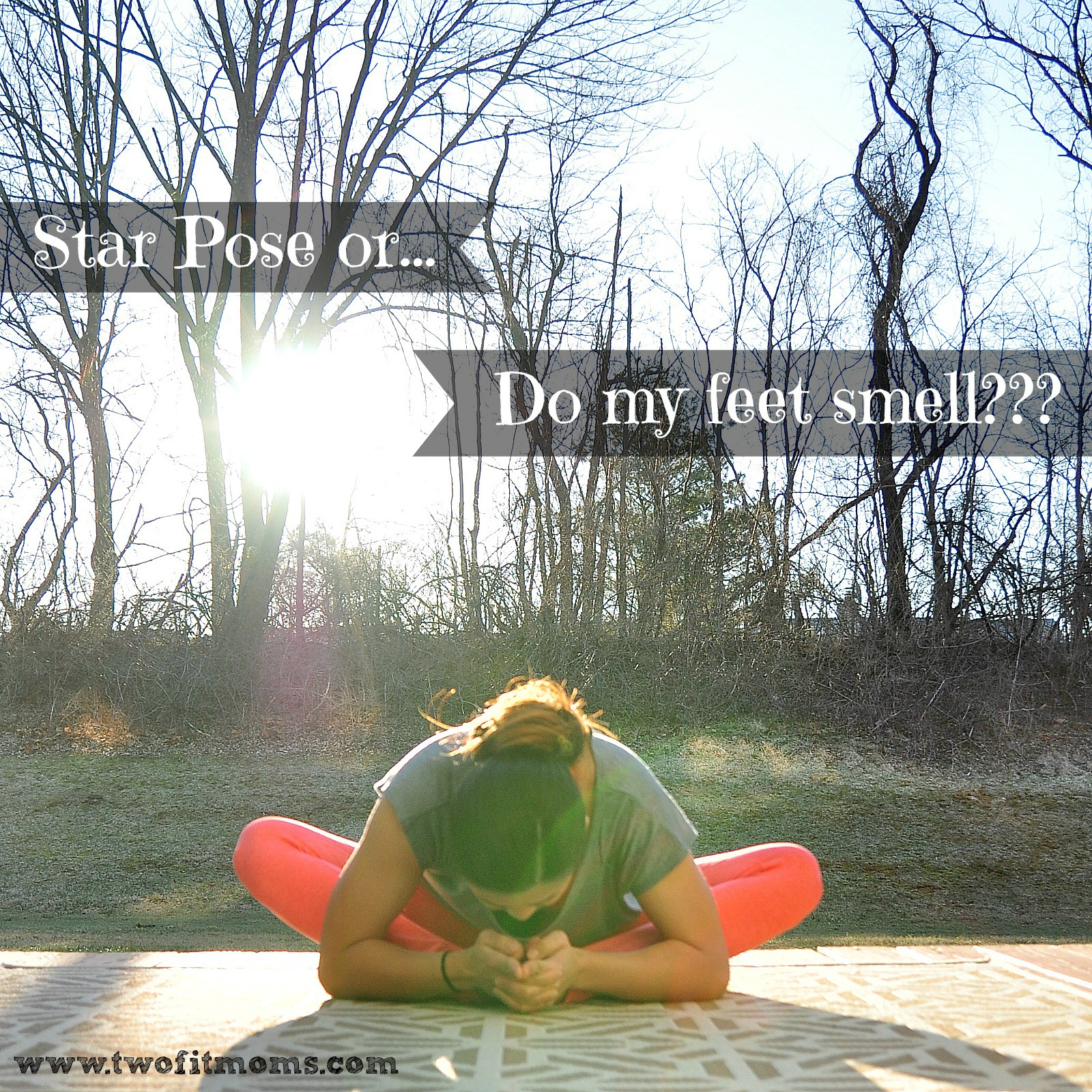
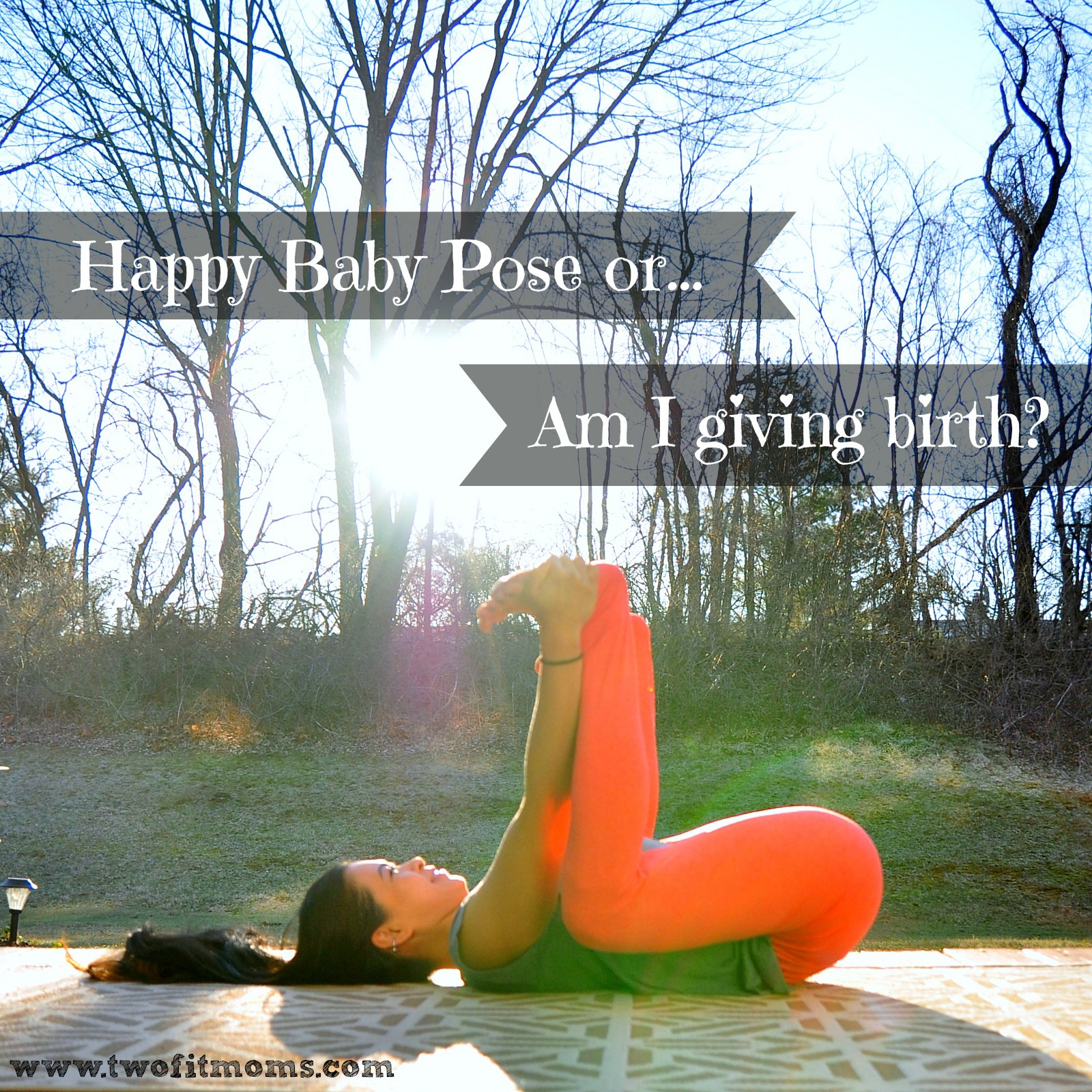
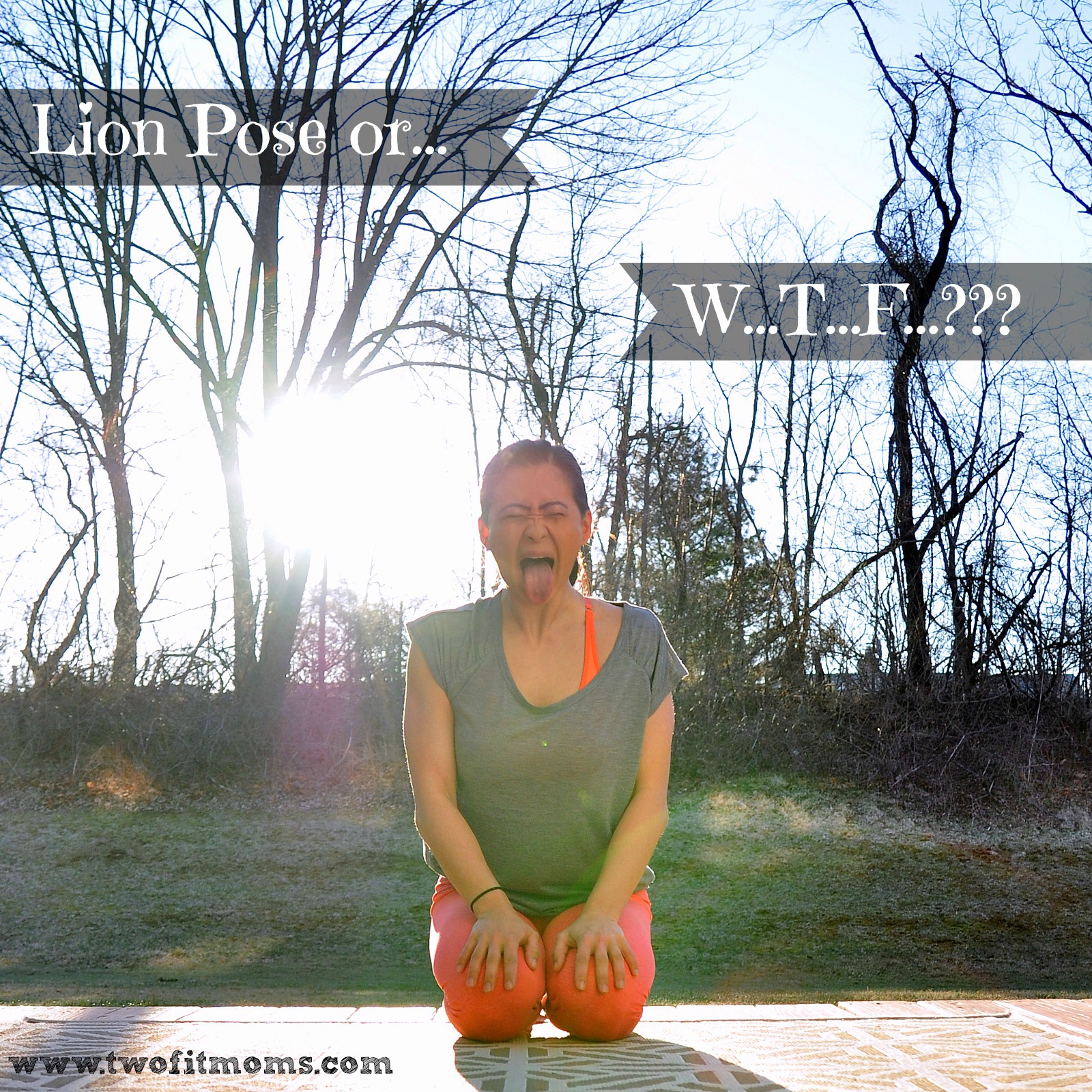
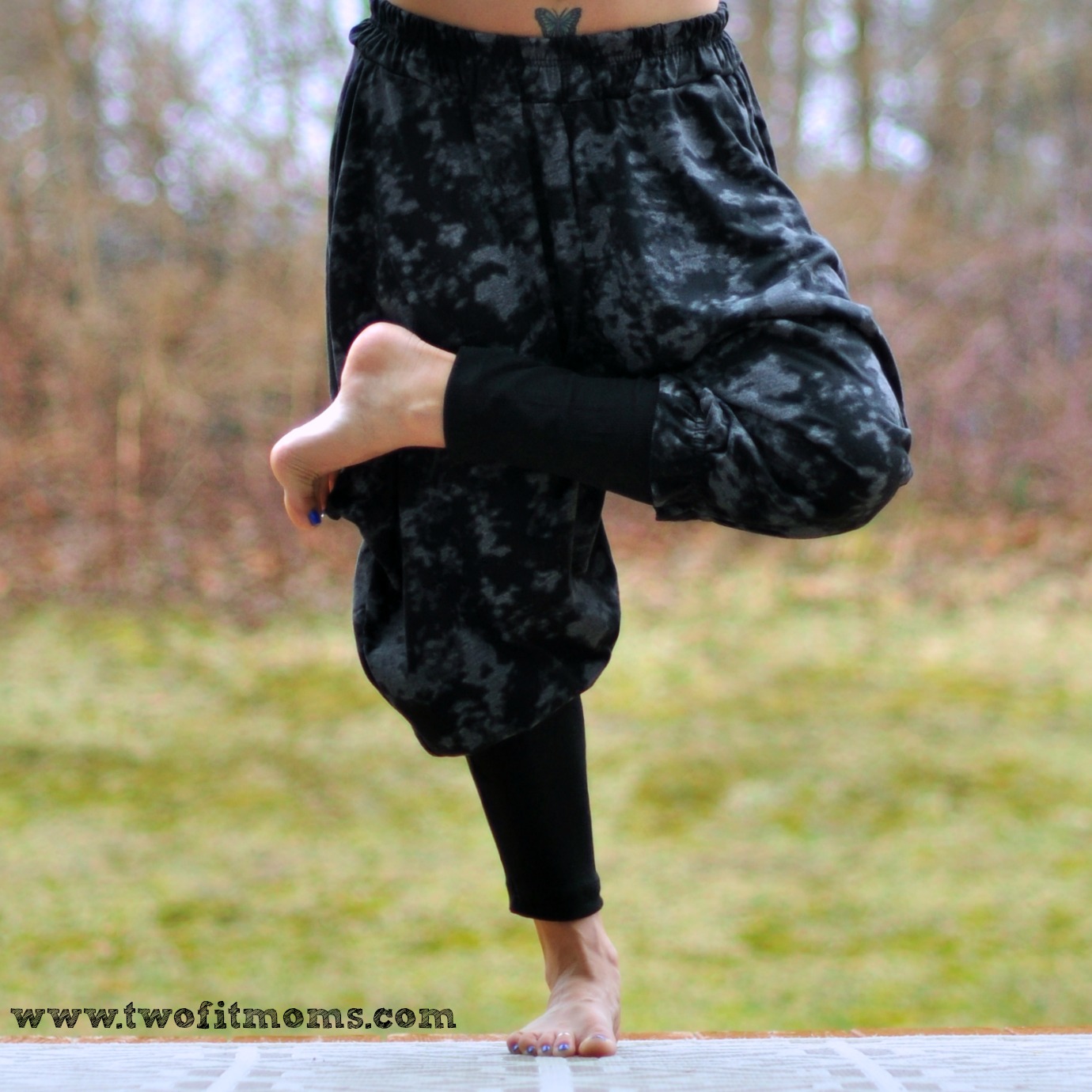
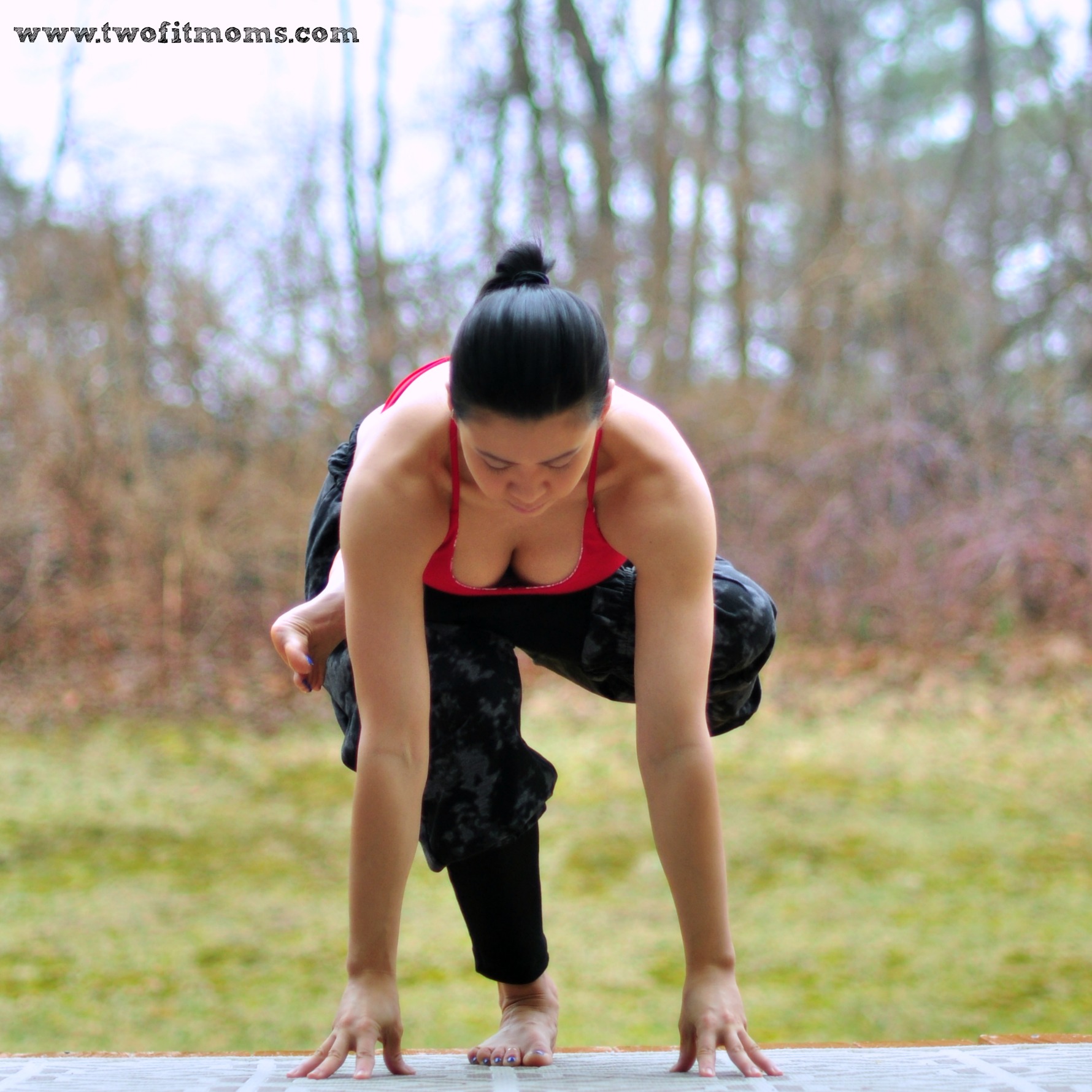
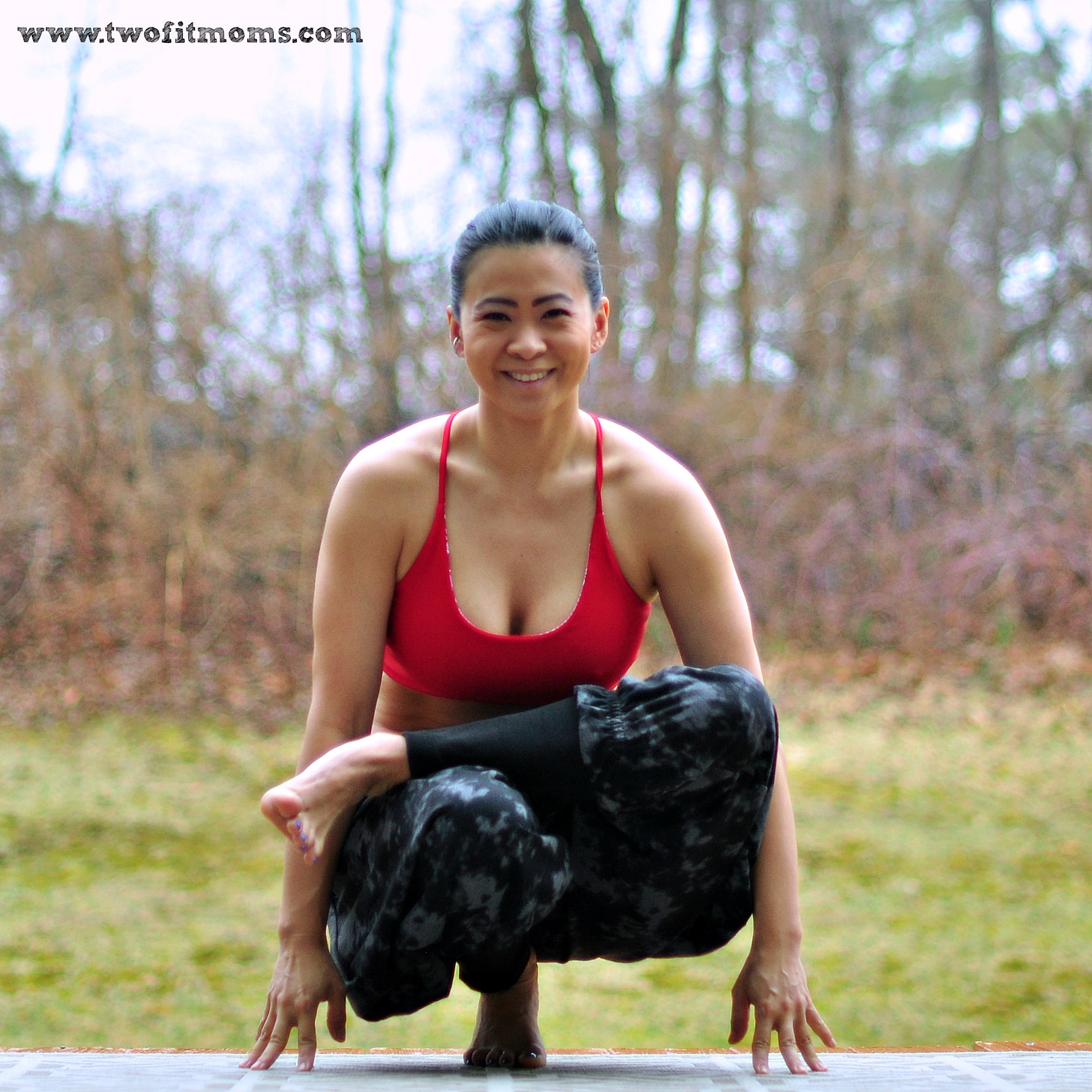
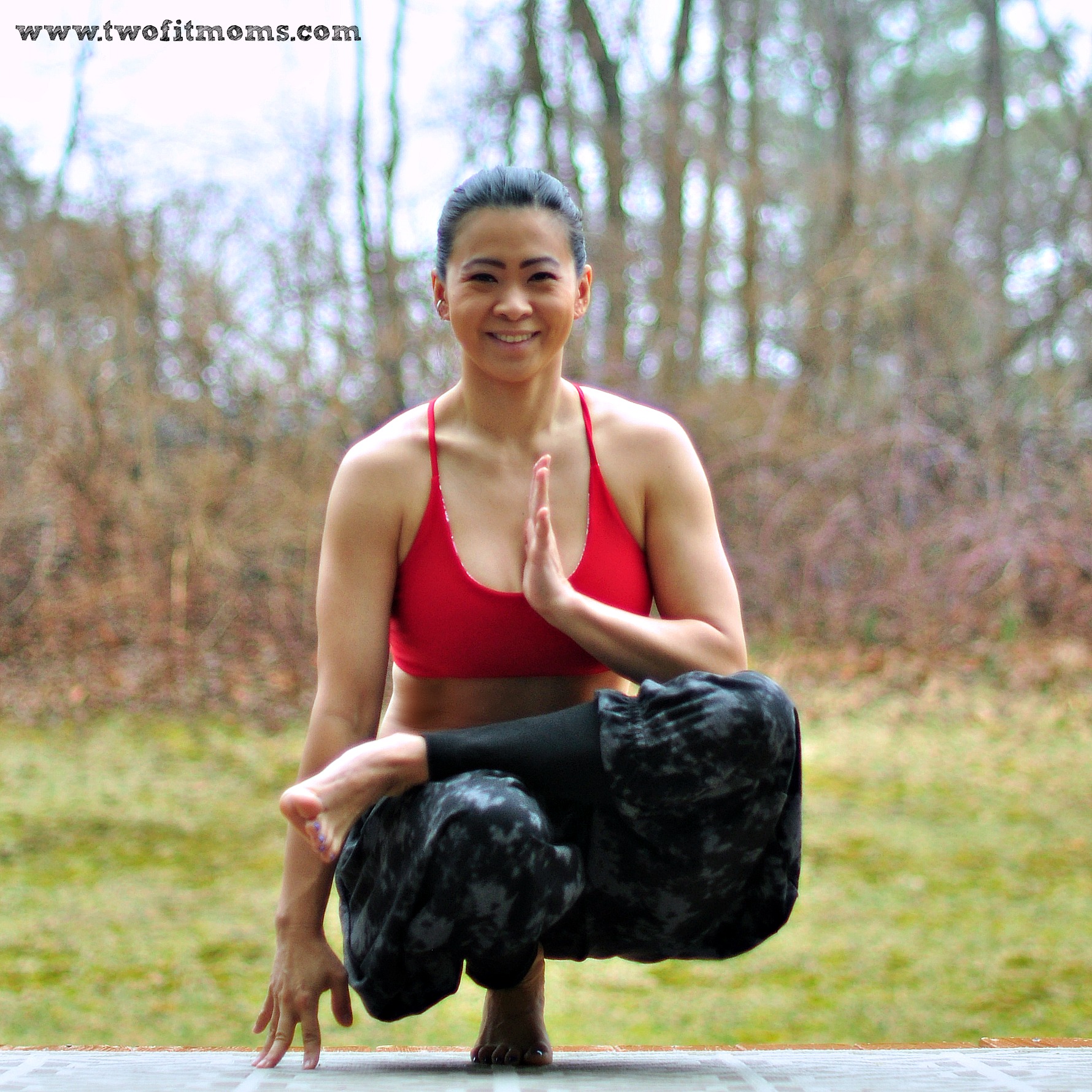
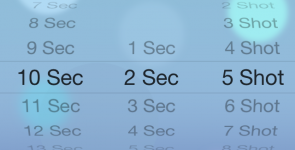
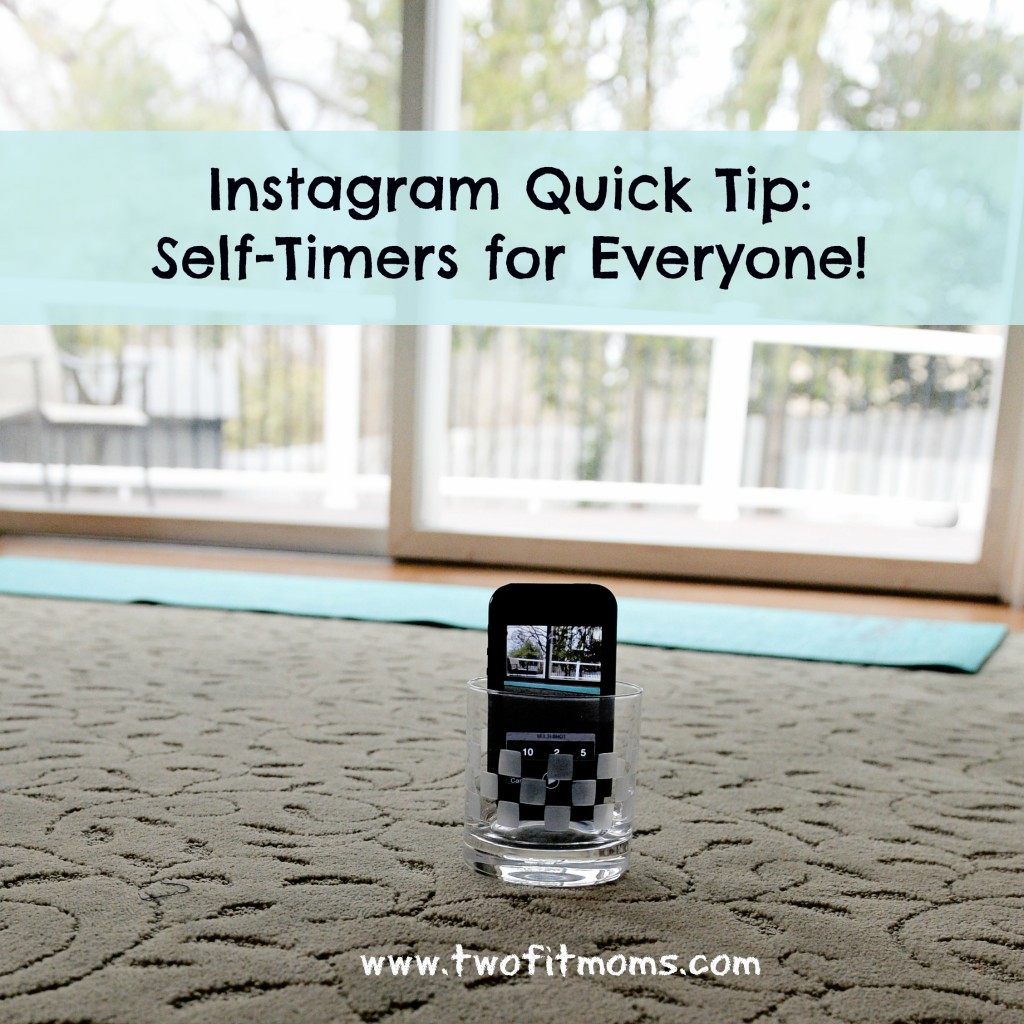
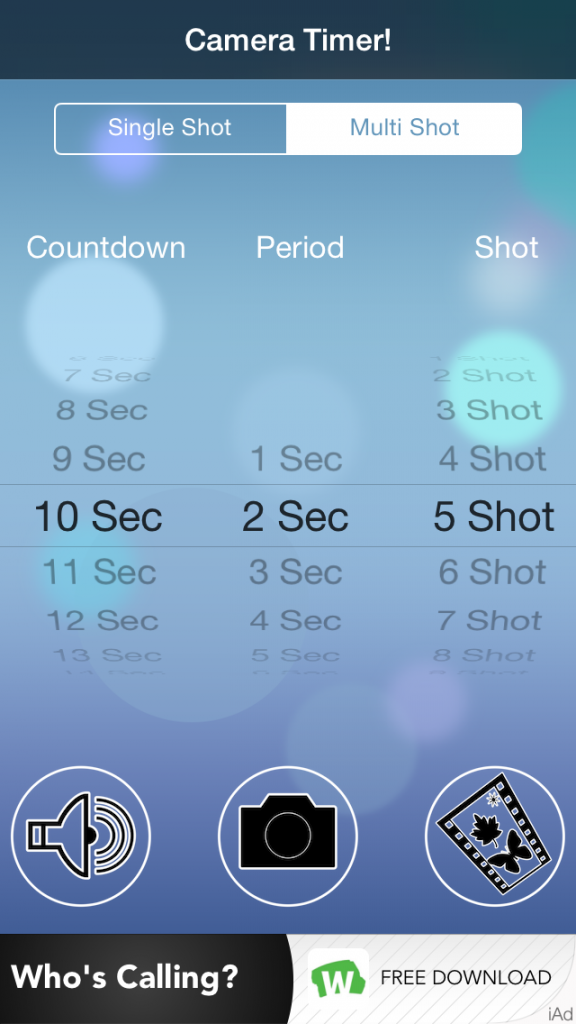 First, set your “countdown”, which is the amount of time that you think you need to get from your phone to your yoga mat and get into your first pose. You might need anywhere between 10 and 20 seconds. Play around with this number. You can also set your “period”, which is the length of time between photos. I prefer two seconds between shots. Finally, you can decide on how many photos you’d like the camera to take. Five photos always seems like a good number to me. Once you set your “countdown”, “period” and “shot”, you are ready to go. Place your phone into a short glass (as explained in my first
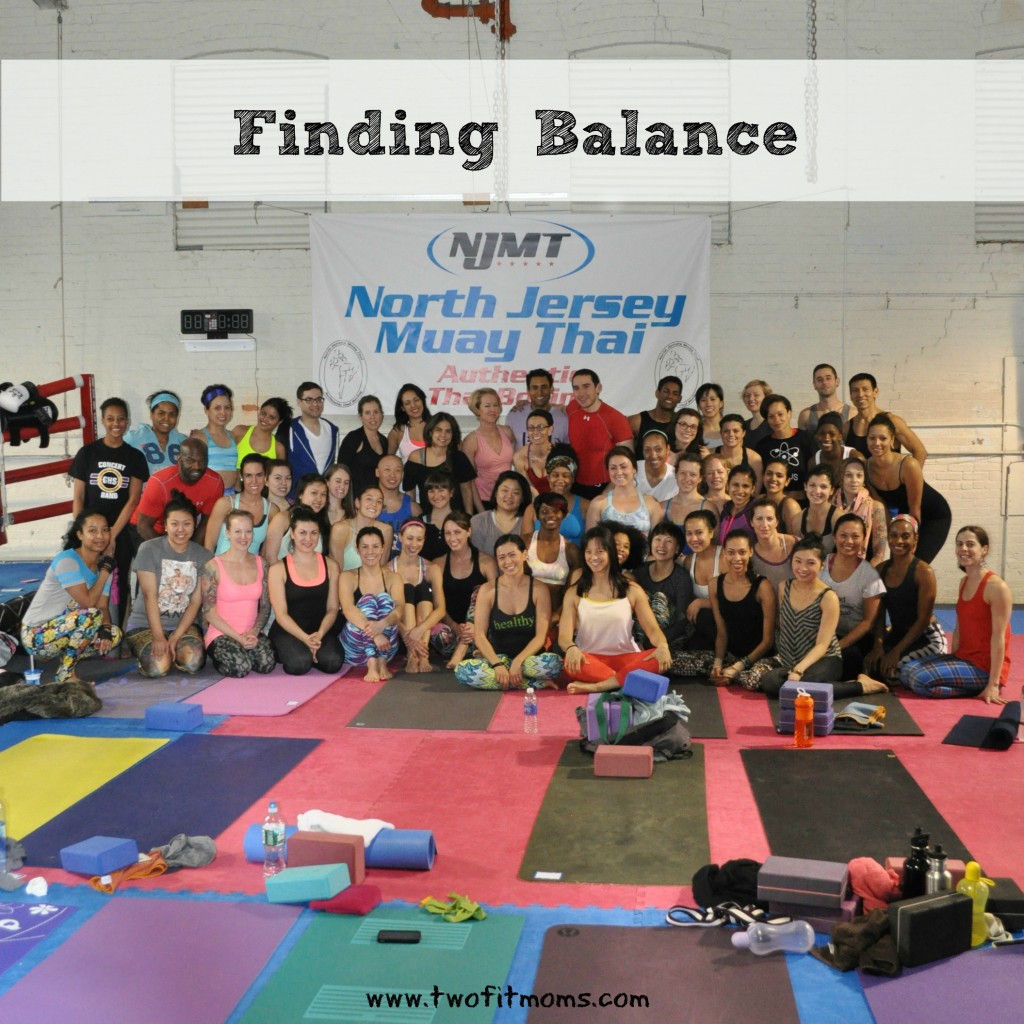
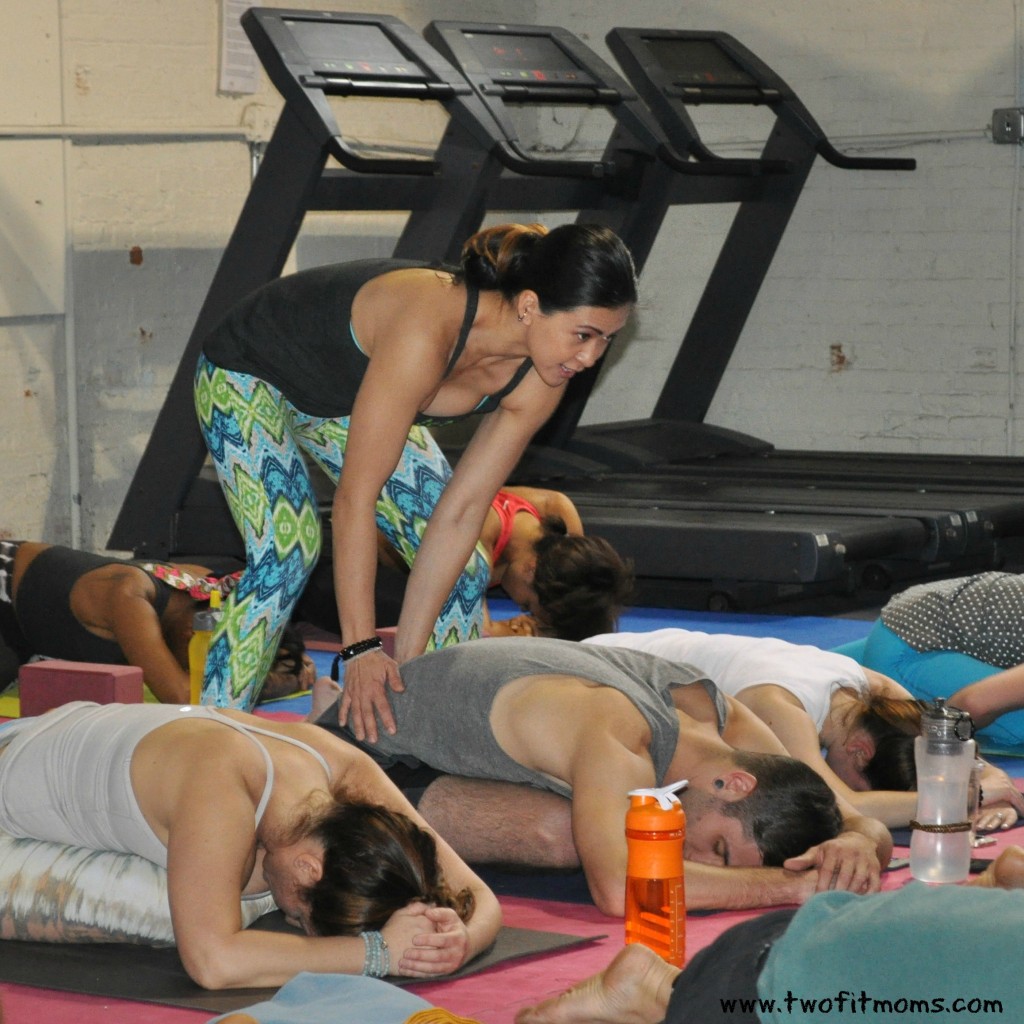 great session planned along with fun vendors and goodies from a leading yogawear brand. We also just love getting together with fellow yogis. It’s a wonderful family that we have — relationships that we have been able to nurture and cultivate via Instagram and our weekly classes.