Category: Yoga

  • Instagram Quick Tip: Photography 101

    Instagram Quick Tip: Photography 101

    I am extremely passionate about my yoga.  What you may not know is that I am equally passionate about  photography. Combining these two art forms came naturally to me when I started my Instagram. As my yoga progressed over these past two years, so has my photography. I’ve learned to really USE my camera through a lot of trial, error and practice. Without getting too technical, here are a few tips I’ve learned and put into practice every single day.
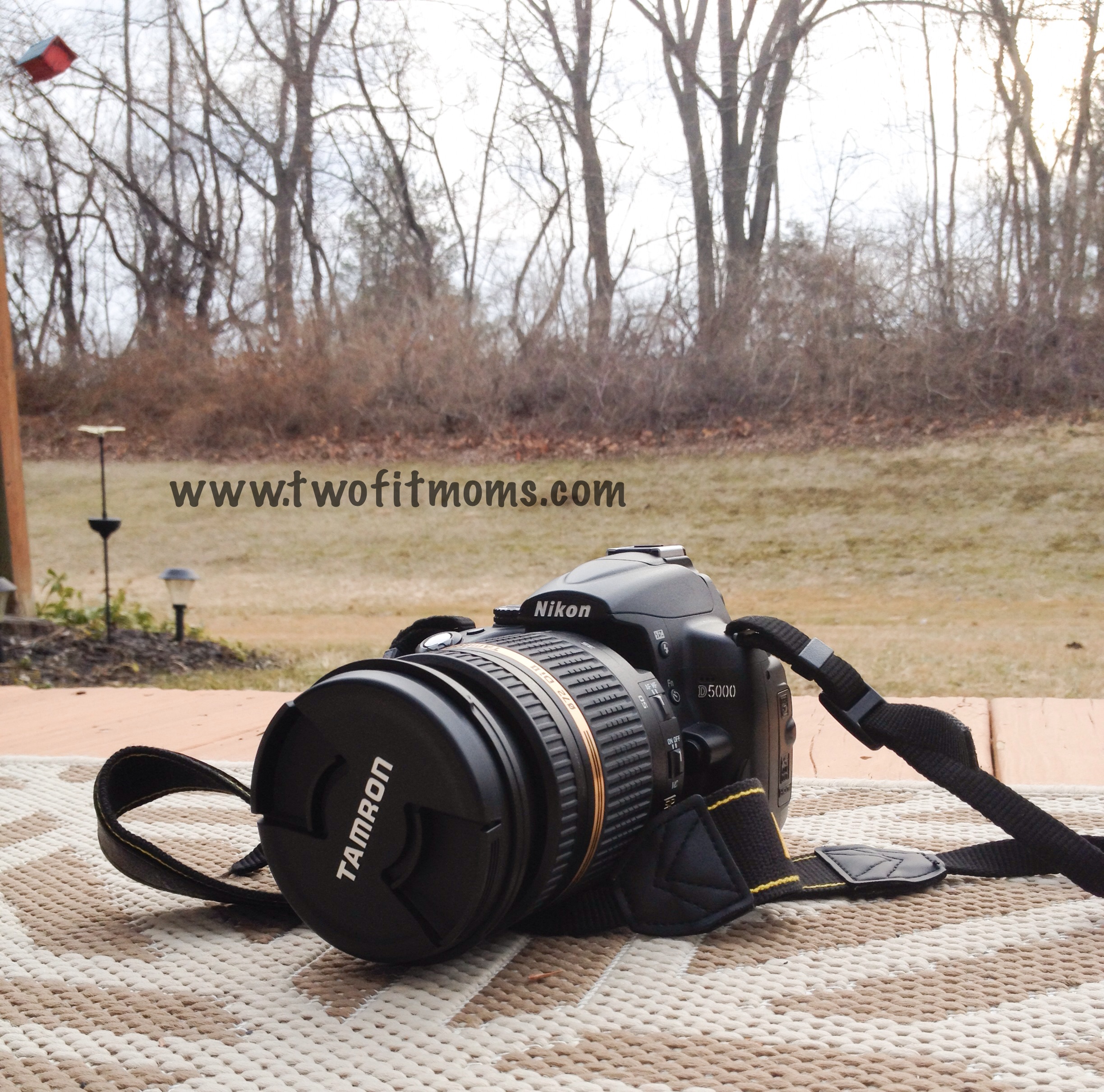
    Photo Mar 26, 8 05 14 AM

    Camera vs. Phone

    The cameras on our phones these days are incredible. When I’m out and about, it’s a no brainer to whip out my phone if I want to snap a picture. With the abundance of self timer apps available and baby phone tripods, you really don’t need anything else to shoot basic pictures.

    During my Junior year in high school, I took my first ever photography class…and fell in love. Digital cameras were not around yet, so we used film. There was no “deleting” pictures and “reshooting”…It was you, your camera and about 24-36 chances per roll. You learned very quickly how to make good use of your shots. Although shooting today is much easier, I learned a lot from that class that I still put into practice to this day…exposure, set up, lighting…just to name a few.

    When I decided to purchase a digital single-lens reflex camera (DSLR), I knew I had to look at it as an investment.  They do not come cheap — they are also a lot bulkier than a camera phone — but they yield beautiful results! If photography is something that really interests you, regardless of whether or not you are using it for yoga, you need a decent camera to shoot. Being able to set your own shutter speed and depth of field can take a great shot and make it amazing.

    Here are a few of my favorite tips to help you take beautiful yoga pictures!

    Tip #1: Shoot Low
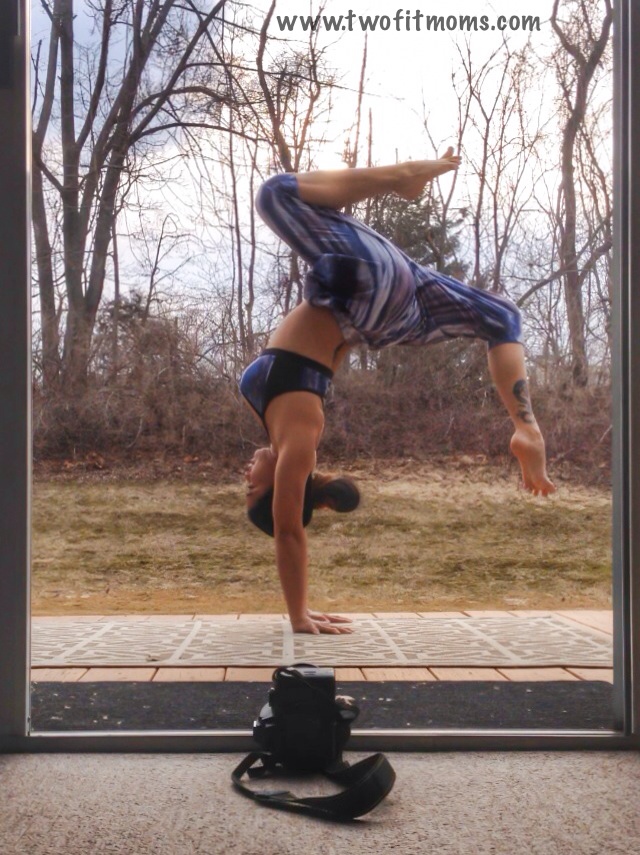
    Photo Mar 27, 10 29 58 AM

    I am constantly growing and learning in my yoga practice.  The same is true for my photography practice. In October, I had the privilege of shooting with Robert Sturman,  a renowned photographer who specializes in yoga photography. One of the most important tricks I learned from collaborating with him is to SHOOT LOW. I mean…on the ground low. Whether you or someone else is taking the picture — get LOW.  This one simple technique will offer new perspective and make all the difference in your pictures.

    This picture was taken last summer.  My camera was about three feet off of the ground shooting straight at me.
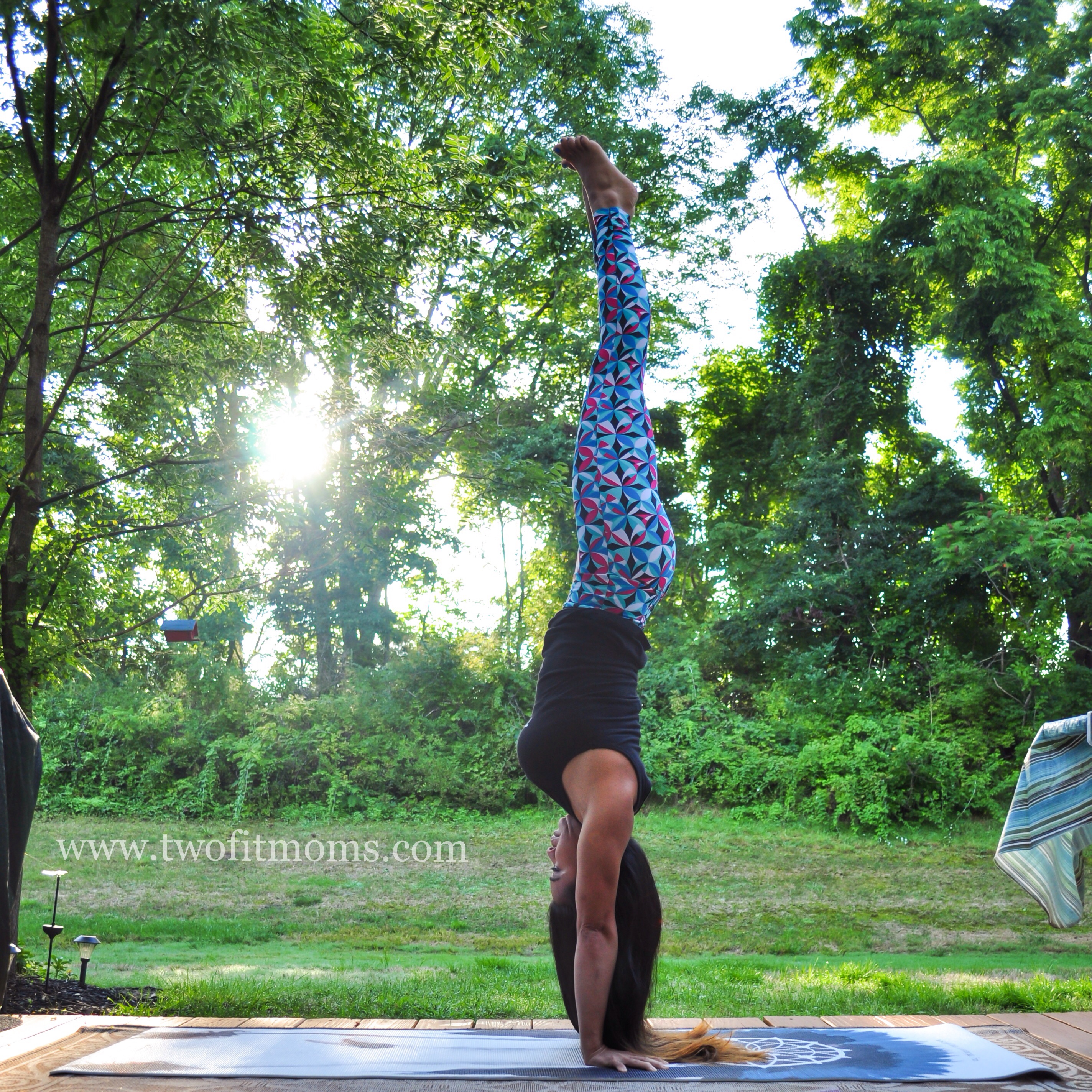
    Photo Aug 16, 7 52 15 AM


    This picture was taken last month.  My camera was on the ground and propped up to shoot up.  See the difference?
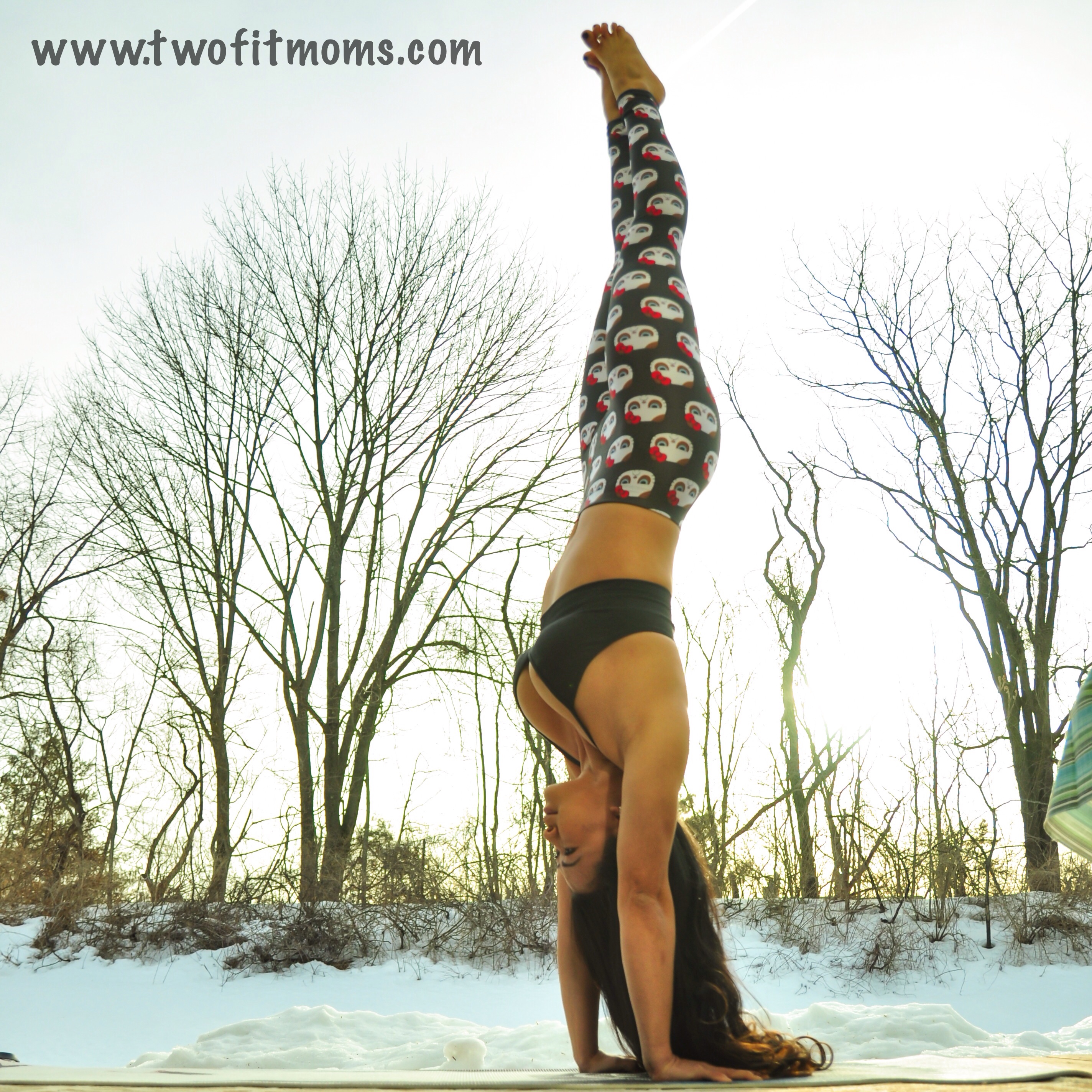
    Photo Mar 04, 9 07 37 AM

     Tip #2: Use Natural Lighting

    I’m not a fan of flash photography. Nine times out of ten, the subject ends up looking washed out. Look for locations with  lots of natural light! Usually the best light is during sunrise and sunset…or on cloudy days! If it’s possible, try to have the subtle light from the sunrise/sunset facing you so your face is not in shadow. The light during full sun can overexpose a picture, cause you to squint or create too many shadows.  Lastly, avoid shooting directly into the sun UNLESS you are going for silhouettes. Any back lighting will make you appear dark as in my example below.
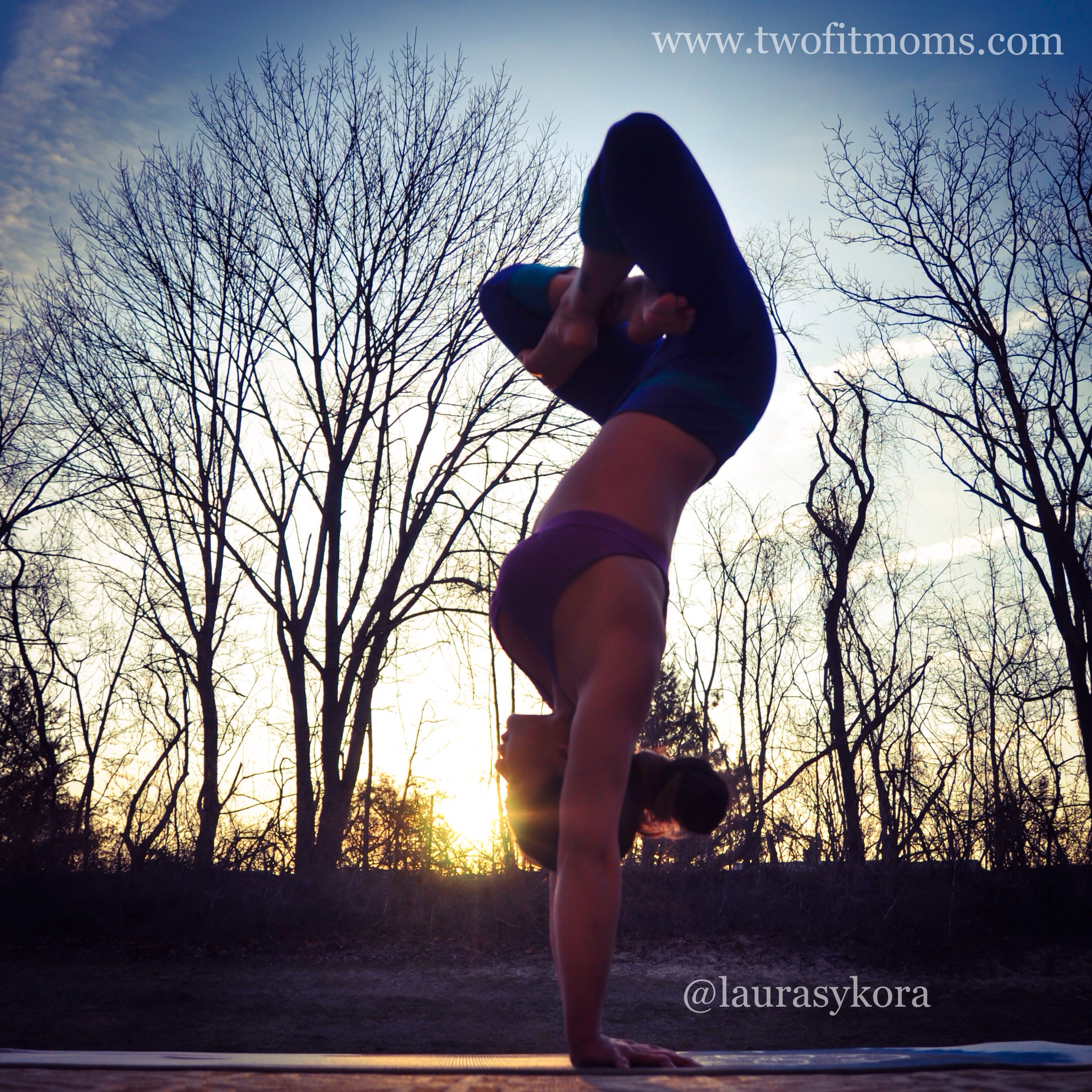
    Photo Mar 25, 7 51 39 AM

     Tip #3: Have a Plan

    Contrary to what many people believe, I do not spend hours on end taking pictures of myself everyday. After my real yoga practice, which is usually before sunrise, I have about 10-15 minutes to snap some pictures for the day. I make those 10-15 minutes count by having a plan. Each night, I decide what I am going to work on for the next day, and I write down three to four things I want to capture. Some days I end up with more shots, some days I end up with one shot.
    Photo Mar 27, 1 43 22 PM

    Tip #4: Think Outside the Box

    I’m a huge fan of thinking outside the box when it comes to taking my yoga pictures.  I look for opportunities to take pictures at different angles in order to offer new perspective. Turning ever so slightly towards the camera or away from the camera can make a shot look completely different. Also, zooming into just a portion of the pose can offer amazing effect. I don’t suggest cutting limbs out of pictures for the sake of it, but I do suggest focusing on certain aspects of the pose and purposely cutting parts out. There is a big difference between the two.
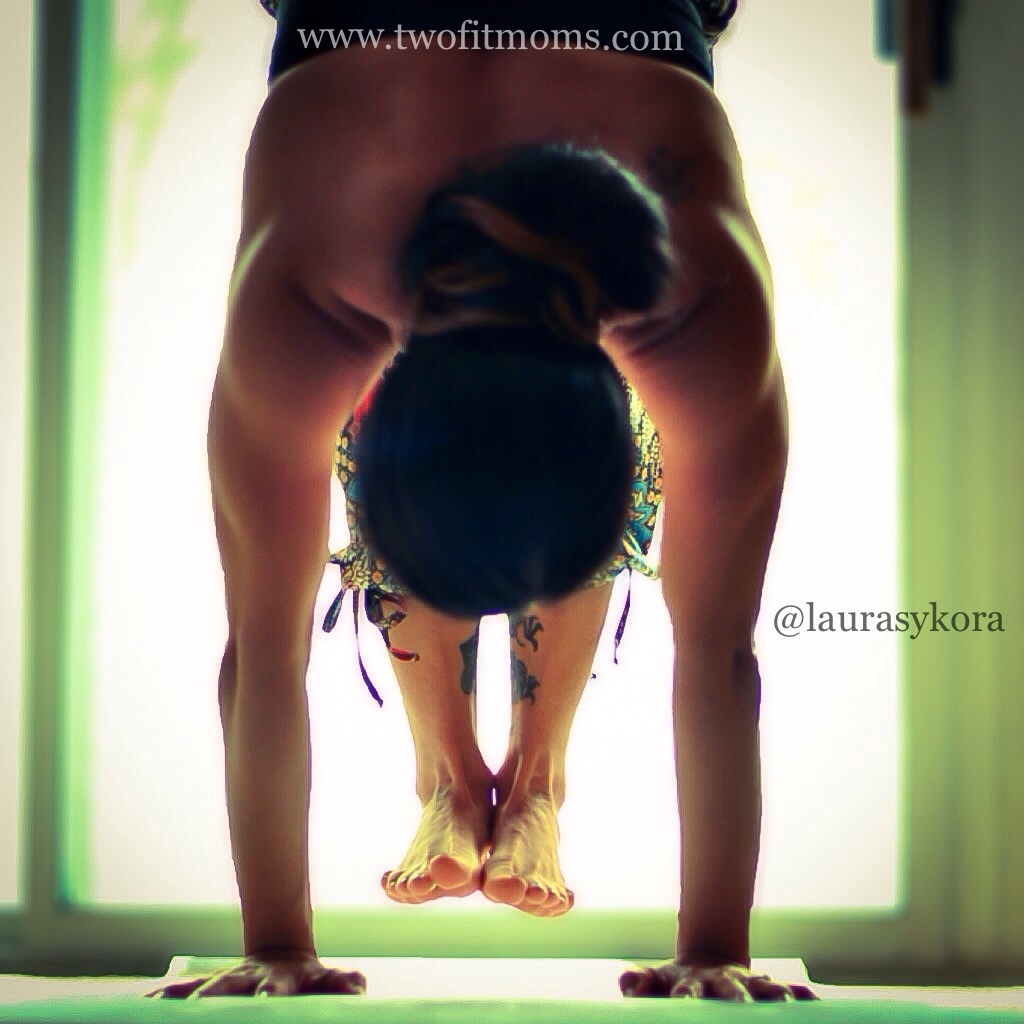
    Photo Mar 27, 1 45 27 PM

    I hope these tips offer you some perspective on how I take my pictures! Look out for some more photography tips coming your way soon!

    XOXO

    Blog Signature

    If you are seriously interested in buying a phone tripod or a new camera, here are some of my favorite cameras and photography products. My camera is a few years old, so I have listed the two newer models. (I shoot with a Nikon D5000!)
     

  • An Announcement…

    An Announcement…

    Hello everyone!

    Just a quick note to thank you all for the tremendous support.  In the two months that we’ve been up and running with the Two Fit Moms website, we’ve been working hard to create an online space where we can expand upon all of the yoga, fitness and nutrition love that we express so briefly in captions on Instagram.  We hope you are enjoying all of our tutorials, tips, recipes, and weekly giveaways.

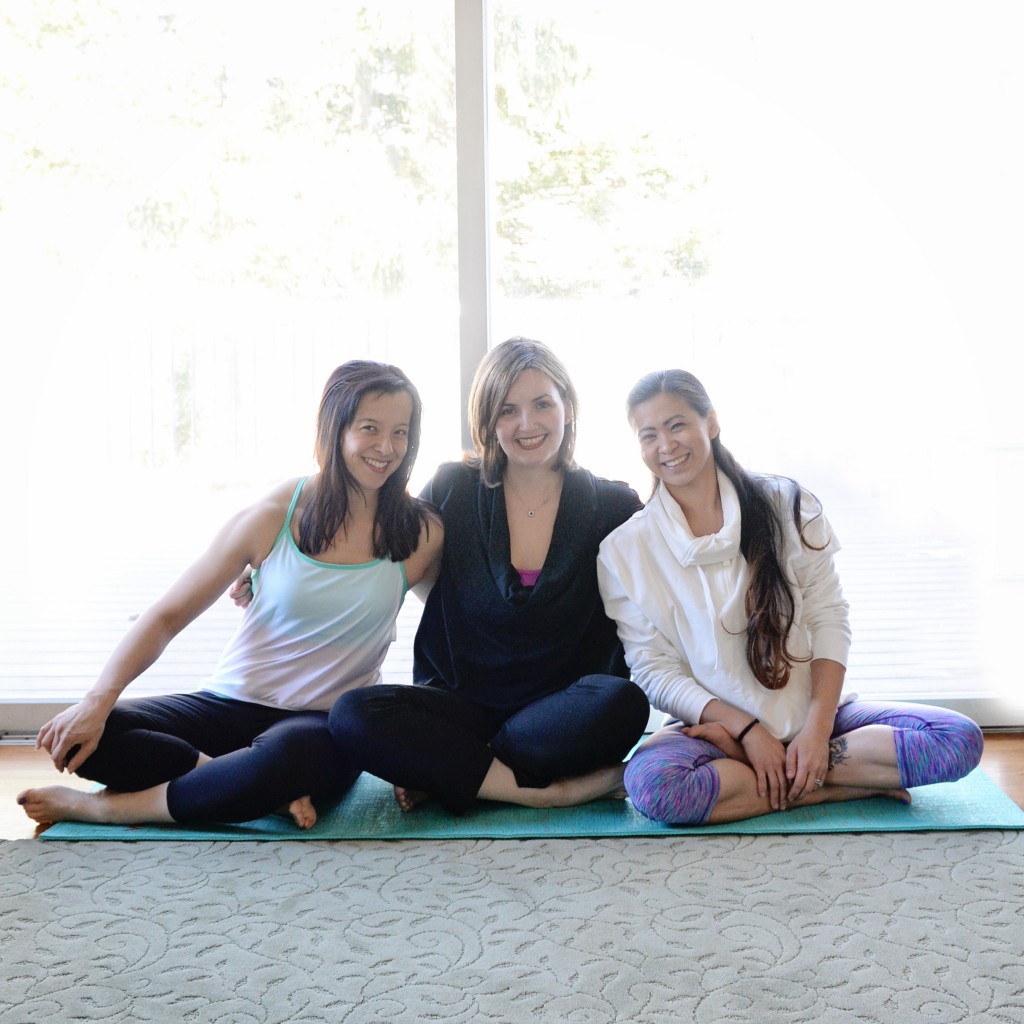
    In an effort to provide more content, and in order to manage the Two Fit Moms website more effectively, we have added a new member to our team.  We are excited to introduce you to Kate Alexander, who has been in our lives since high school!

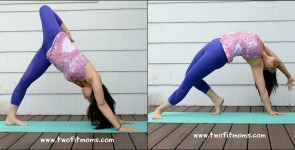
    GroupPicKate will take on the role of creative and editorial director for Two Fit Moms.  With more than 15 years of experience in public relations, she will also be responsible for all things related to marketing and branding of the website.  Kate will be a great addition to our team, as she shares her tips on how she balances her life as a professional consultant, a wife, and a mother to three young children.  Please look out for her future posts on nutrition and wellness.
    Much love to you all—


    Masumi & Laura


  • Transition into Wild Thing

    Transition into Wild Thing

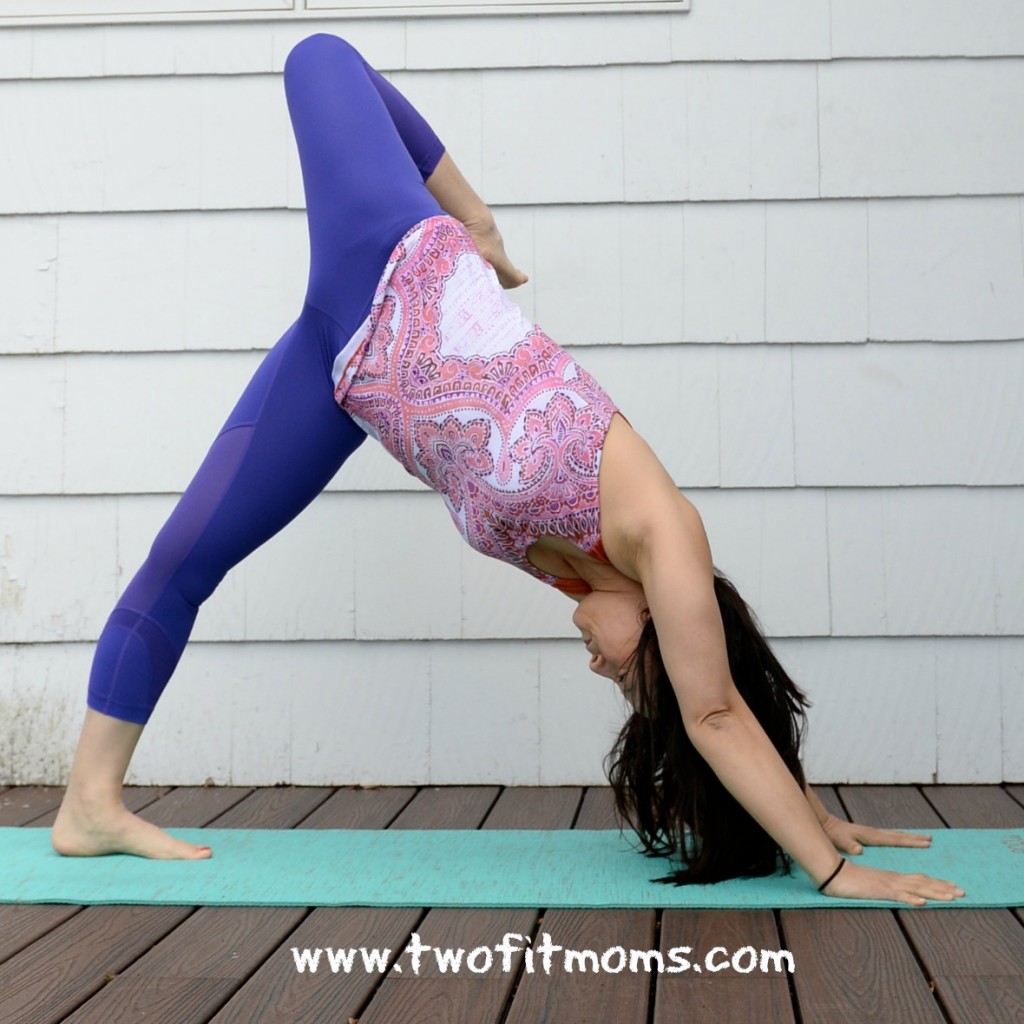
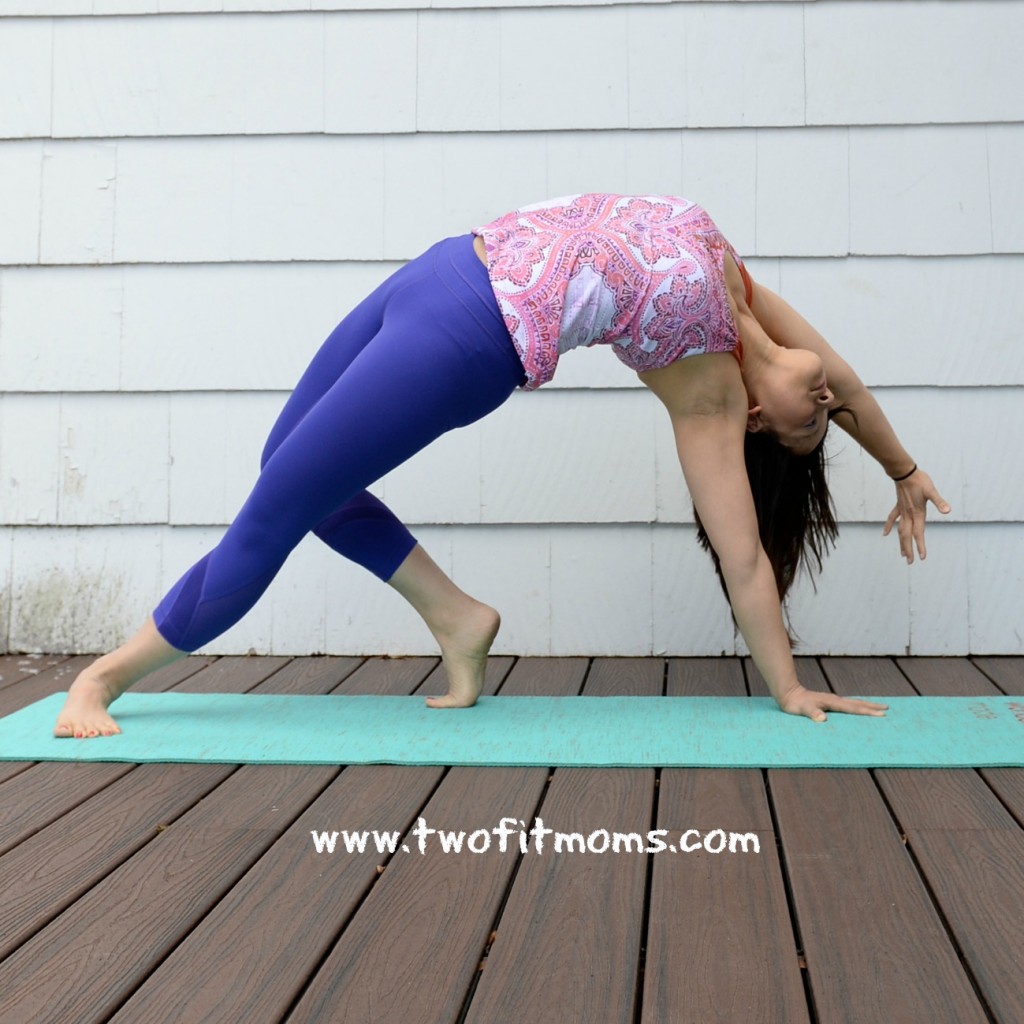
    One of my favorite backbending poses in yoga is Wild Thing, or Camatkarasana. The reason why I love it so much is that in order to get into the pose, you transition through a couple of my favorite stretches: downward facing dog and three-legged dog with an open hip. Not only do you reap the benefits of stretching out the entire front body with the backbend, but you also get a great hamstring stretch and hip-opener on your way into wild thing.

    Step 1
    Begin in downward facing dog. If you are unsure about the placement of your hands and feet for downward facing dog, start out in plank pose (top of a push-up). Make sure that your hands are directly stacked under your shoulders, and your feet are about hip width apart. The term “hip-width” refers to the distance between your two hip bones, and NOT the distance between the outer edges of your hips. From plank pose, lift your hips back and up into the air so that your body looks like an upside down V. Take 3 to 5 deep breaths in this pose, enjoying the stretch in your hamstrings, chest and shoulders.
    Step1

    Step 2
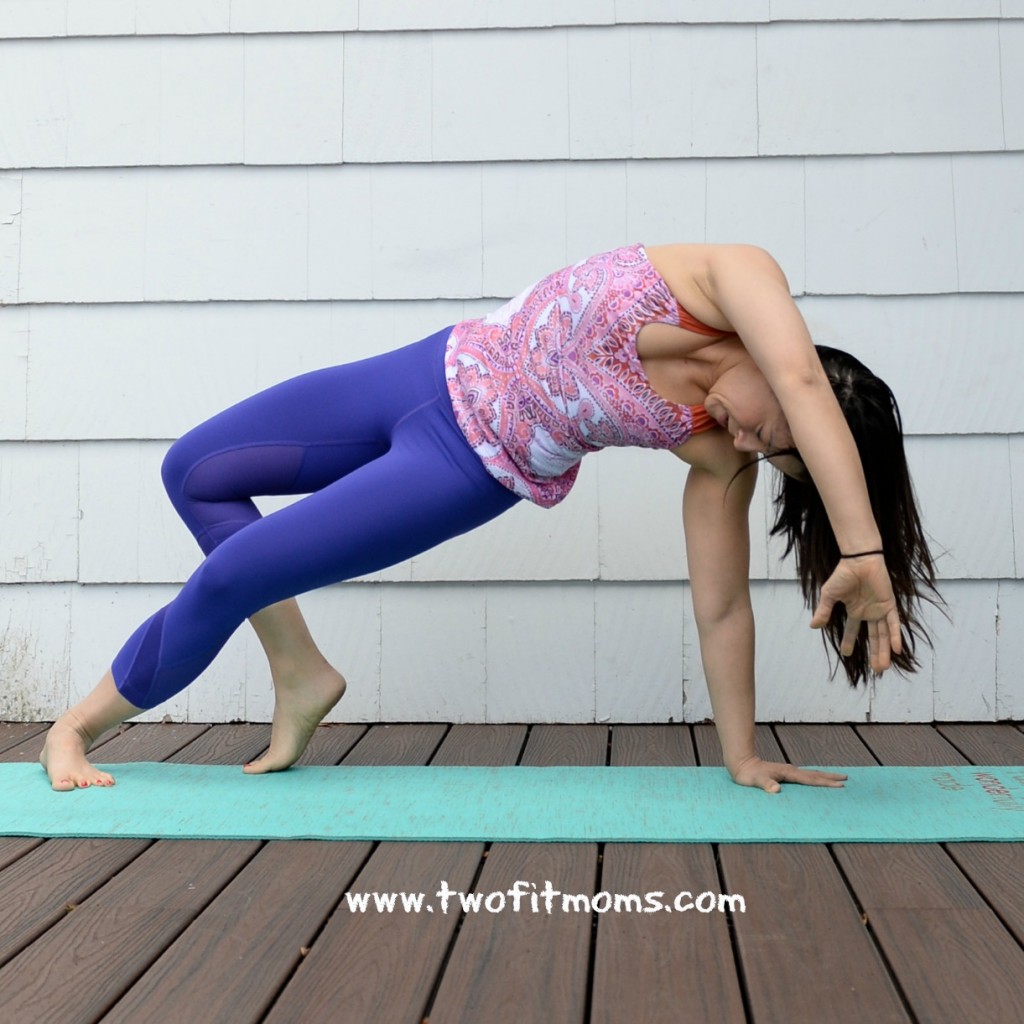
    Raise your right leg high into the air, stack your right hip over your left hip, and bend your right knee. Be mindful to keep an even amount of weight in both hands, and do not allow your weight to collapse into your left shoulder. Shoulders should be even. Take 3 to 5 deep breaths in this pose, and enjoy the hip stretch.
    Step2

    Step 3
    Slowly lower the ball of your right foot to the ground behind your left leg. Your right hand will simultaneously begin to lift from the mat.
    Step3

    Step 4
    Push firmly into the mat with both feet, as you lift your hips toward the sky and reach back behind you with your right hand. Keep your chest and hips lifted, and remember to breathe evenly through your nose. Hold this pose for 5 breaths (about 30 seconds), and repeat on the other side.
    Step4

  • Instagram Quick Tip:  AfterFocus App

    Instagram Quick Tip: AfterFocus App

    One of my yoga students recently asked me if I had an app that would clean her house.  I laughed, but then I realized that for Instagram purposes, I had an app that virtually accomplished the same thing.  Do you find that many of your Instagram yoga poses are plagued by cluttered backgrounds or distracting details?  If so, look no further.  I have the perfect app for you:  AfterFocus.

    With a few swipes of your finger, you can keep the subject of your photo in perfect focus while blurring the background.  This is a great app for removing the focus from other people or objects that happen to make it into the frame of your photo and detract from your fabulous yoga pose.

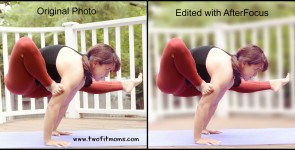
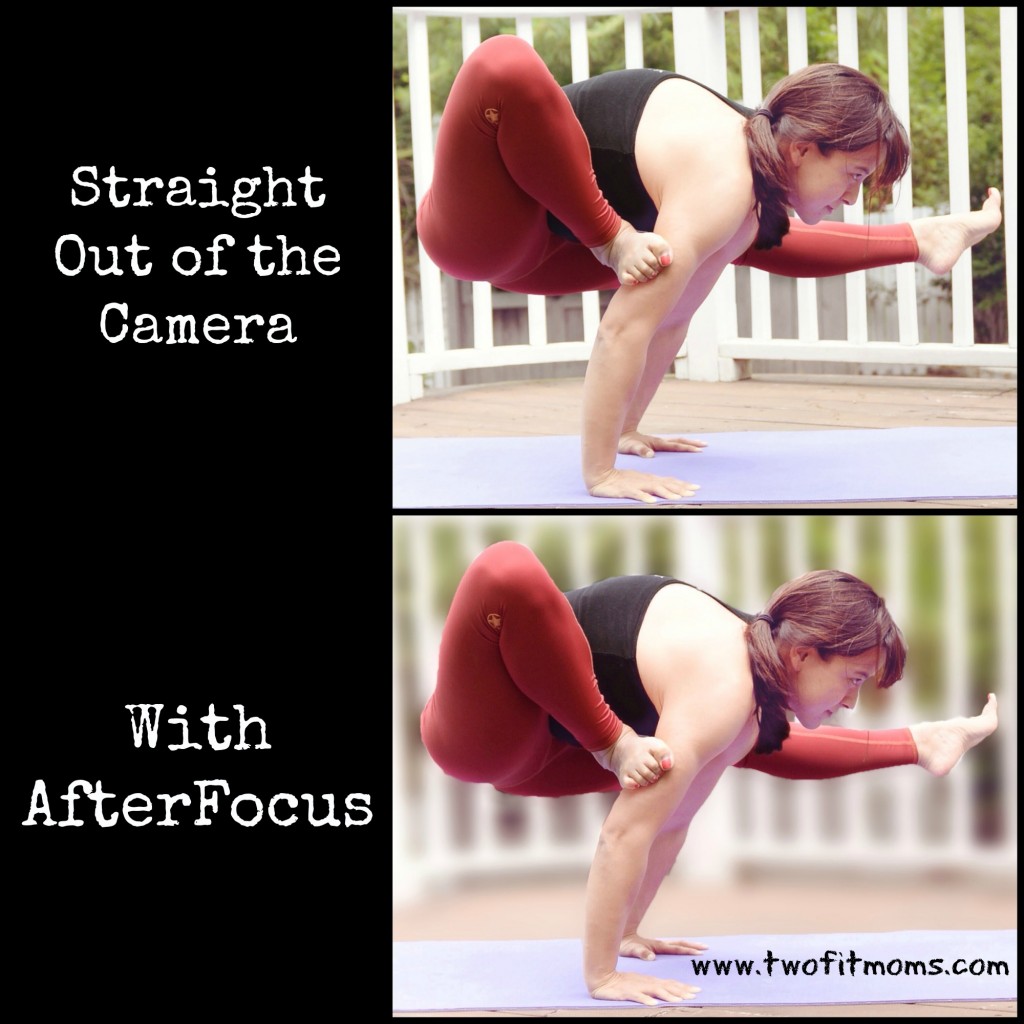
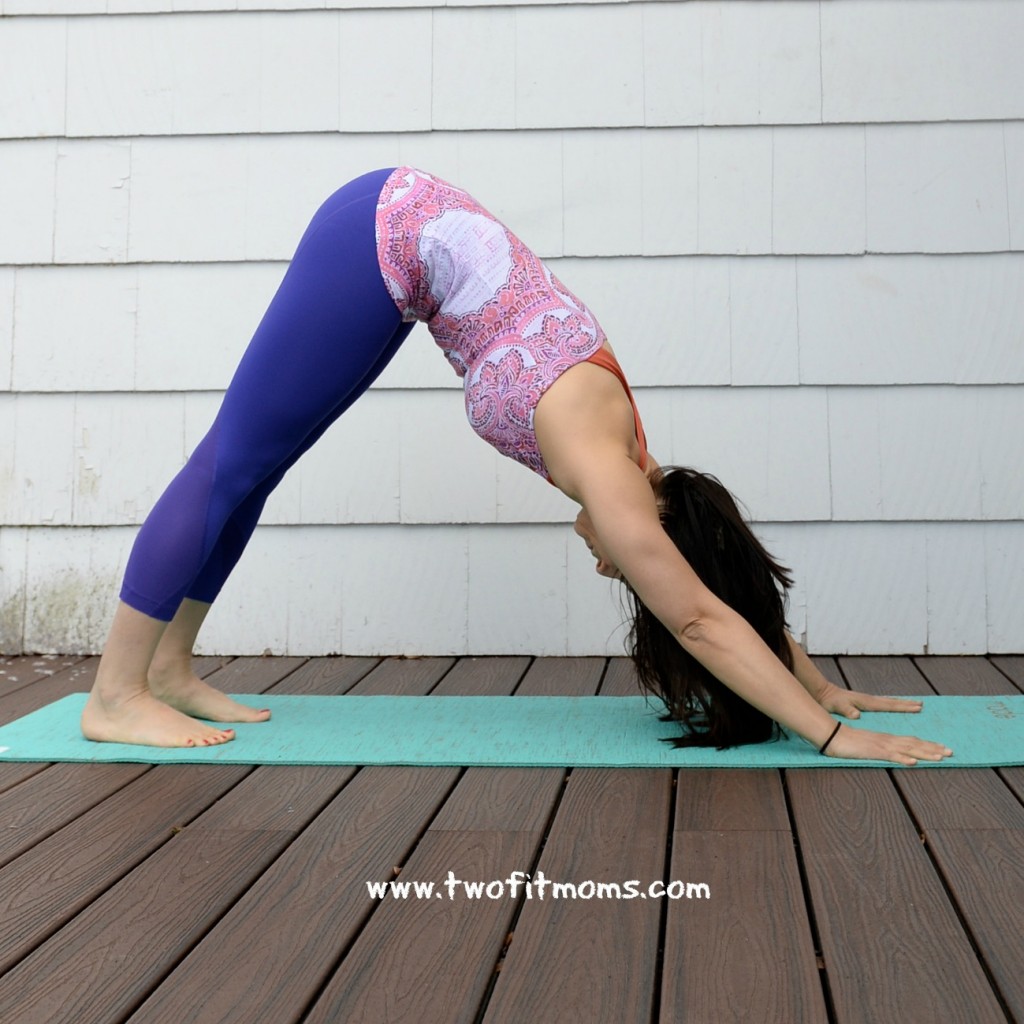
    AfterFocusTake a look at my two photos.  In the top picture, the white fence in the background isn’t an eyesore, but it is receiving the same amount of attention as the yoga pose.  By running the photo through the AfterFocus app, I can blur the fence into the background. This app will automatically recognize your focus object and blur the background, just by drawing a few lines with your finger inside the object of focus.
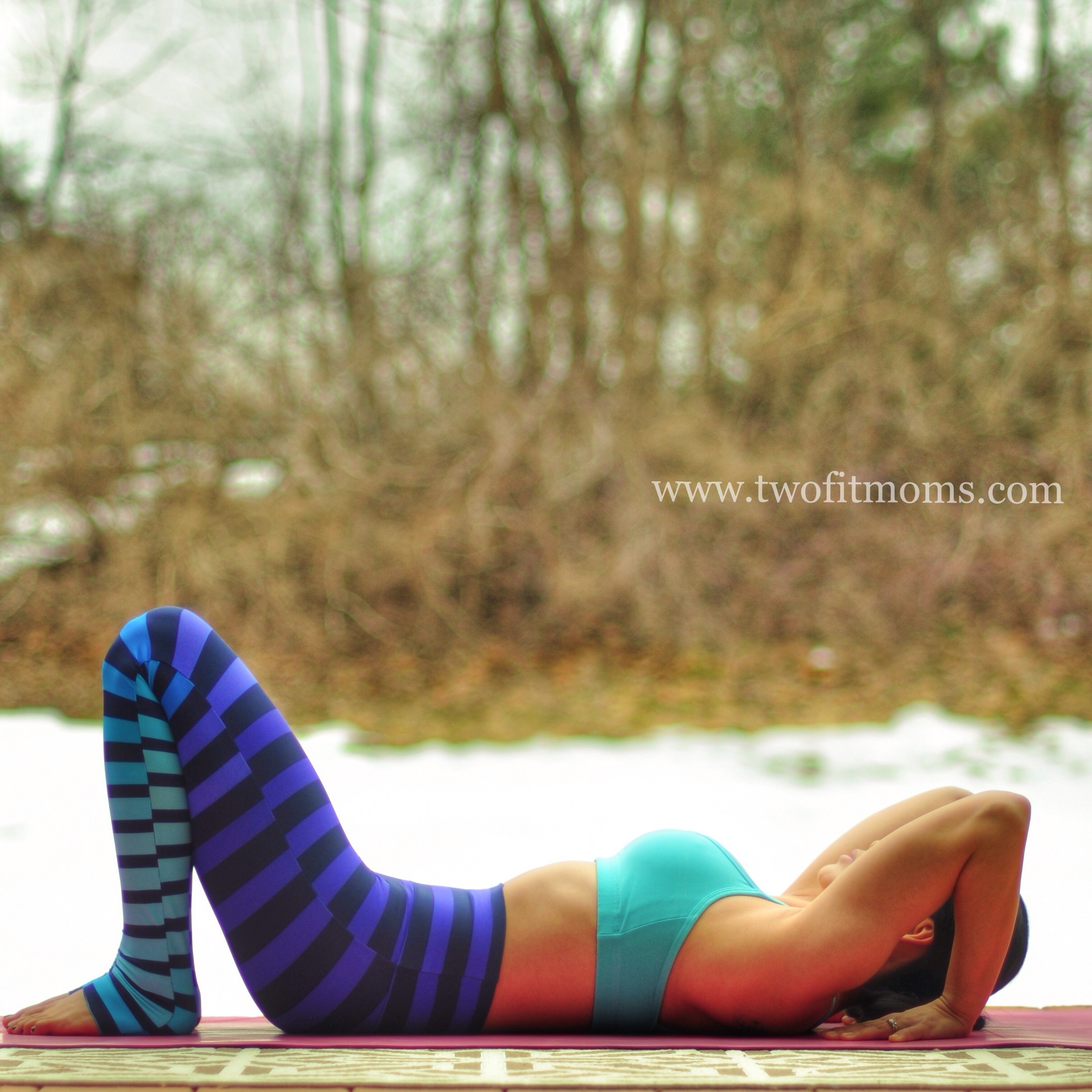
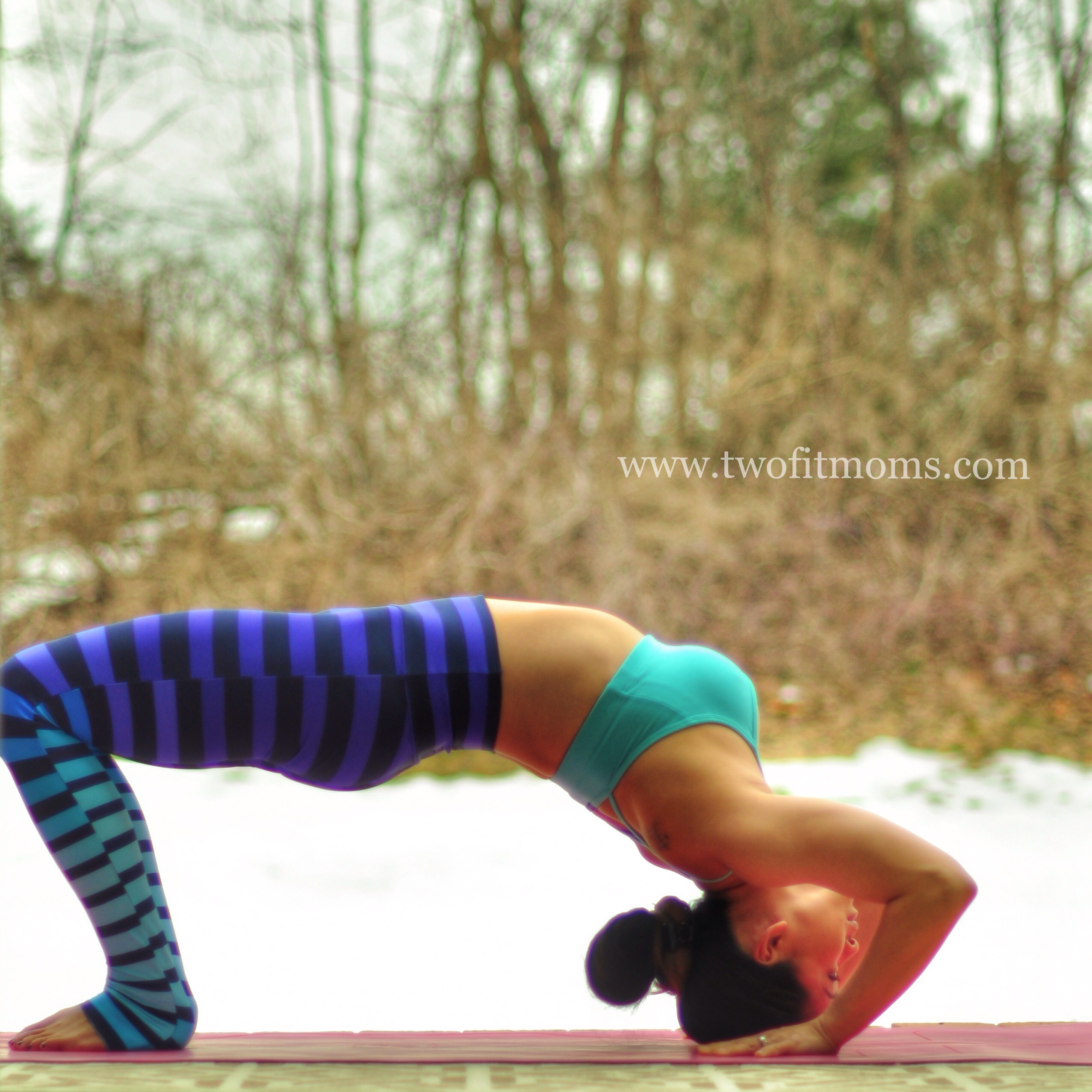
    Give this app a try, and allow some of the visual clutter and distractions to blend away into a soft haze. Enjoy this Instagram quick tip, and please let us know if there are specific topics that you would like to see addressed in this series!

  • Urdhva Dhanurasana: Getting into Wheel Pose

    Urdhva Dhanurasana: Getting into Wheel Pose

    Our journey into backbending continues with Urdhva Dhanurasana or Wheel Pose. As we discussed in the Bridge Pose tutorial, backbends can be energizing…flooding your body with oxygen while stretching out the entire front body, shoulders and chest. Be mindful when practicing and continue to take each posture slowly.

    Step 1: Lie down on your mat. Extend your legs out and take a couple of deep breaths. Bend your knees and bring your feet down onto your mat. Your feet should be parallel to one another and hip-width distance apart. Try to get your heels as close to your buttasana as possible. Bend your elbows and place your hands down alongside your ears. Fingers will point TOWARD your body. Squeeze the elbows in.

    Photo Mar 12, 1 57 37 PM

    Step 2: Take a deep inhalation. On the exhale, push into your feet and lift your hips up. Feet remain parallel and knees squeeze in. Try to keep your buttasana relaxed by drawing the tailbone slightly up. Take a breath. On another exhale, push into your hands this time and come up onto the crown of your head. Elbows squeeze in as your shoulder blades hug your back. I like to walk my hands closer to my body at this point. This is just an option though! Take a breath or two here.

    Photo Mar 12, 1 57 44 PM

    Step 3: On an exhalation, push firmly into your mat with your feet and hands and try to straighten the arms. Remember to keep the feet parallel. There will be a slight internal rotation of the thighs…this is what will prevent your feet and knees from spinning outward. Draw your tailbone down and relax your buttasana.  Keep your shoulders engaged and hugging your back.  Let your head fall neutral. Stay here and take 3-5 breaths.

    Photo Mar 12, 1 58 08 PM

    When you are ready to come down, bring your chin to your chest and slowly bend your elbows bringing the back of your head and your body gently onto your mat. Hug your knees into your chest and relax.

    XOXO

    Blog Signature

  • Getting Your Kids Involved In Your Yoga Practice

    Getting Your Kids Involved In Your Yoga Practice

    Health and fitness has always been an integral part of my life. When I found out that I was pregnant in March of 2005, I was overjoyed that I was going to be a mom, but I was also panicked about how it was going to change my body and how I was going to get it back to its pre-pregnancy state. It wasn’t until after I had my son that I realized that life and fitness don’t end when you have a child. My body was still mine. I just had to reclaim it!


    Fast forward to today. I’m 36, I have two kids, a husband, a full time job and a growing business…My goals of staying fit have not changed…HOW I make the time and get it done has changed. One of my favorite things to do now is to get my kids on my mat with me! Whether it’s for 5 or 10 minutes, it’s an opportunity to get them involved in my exercise routine.

    Here are five quick tips on how I got my kids involved!

    1. DO NOT expect them to do a full practice! I know that sounds obvious, but when my son and daughter started to join me, I thought they would just fall in love with yoga and practice the full 30-45 minutes with me. WRONG. Children under the age of 10 do not have that long of an attention span, but they can manage 5-10 minutes on the mat. So, start there!

    2. Begin with the basics! Kids love Downward Facing Dog. Another favorite is Cobra pose, Tree Pose, Warrior II and seated Easy Pose or Sukhasana. These are great beginner poses, in general.

    3. Teach them…but don’t expect perfection! Teach them the names of the poses. You will be amazed how quickly they will pick them up. Teach them what they SHOULD be doing, and don’t fret if the poses aren’t perfect. Just make sure they are not going to hurt themselves.

    4. Get them their own yoga gear! I don’t know about your kids, but mine love to have their own stuff…their own space and their own gear. So maybe look into a toddler mat or even an inexpensive full-sized mat! They will feel grown up and you won’t have to share your mat!

    5. Make it fun! Remember to keep it light and fun! In my experience, it’s all about the memories you are building with your child while instilling the importance of fitness. Keep your practice with them consistent.  It builds their knowledge and makes it part of their daily routine…something that can last a lifetime!

    “The best thing to hold onto in life is each other.” – Audrey Hepburn

    Yoga with mini
    [KGVID poster=”http://www.twofitmoms.com/wp-content/uploads/2014/03/Video-Mar-13-11-40-24-AM_thumb9.jpg” width=”1280″ height=”720″]http://www.twofitmoms.com/wp-content/uploads/2014/03/Video-Mar-13-11-40-24-AM.mov[/KGVID]


    XOXO

    Blog Signature

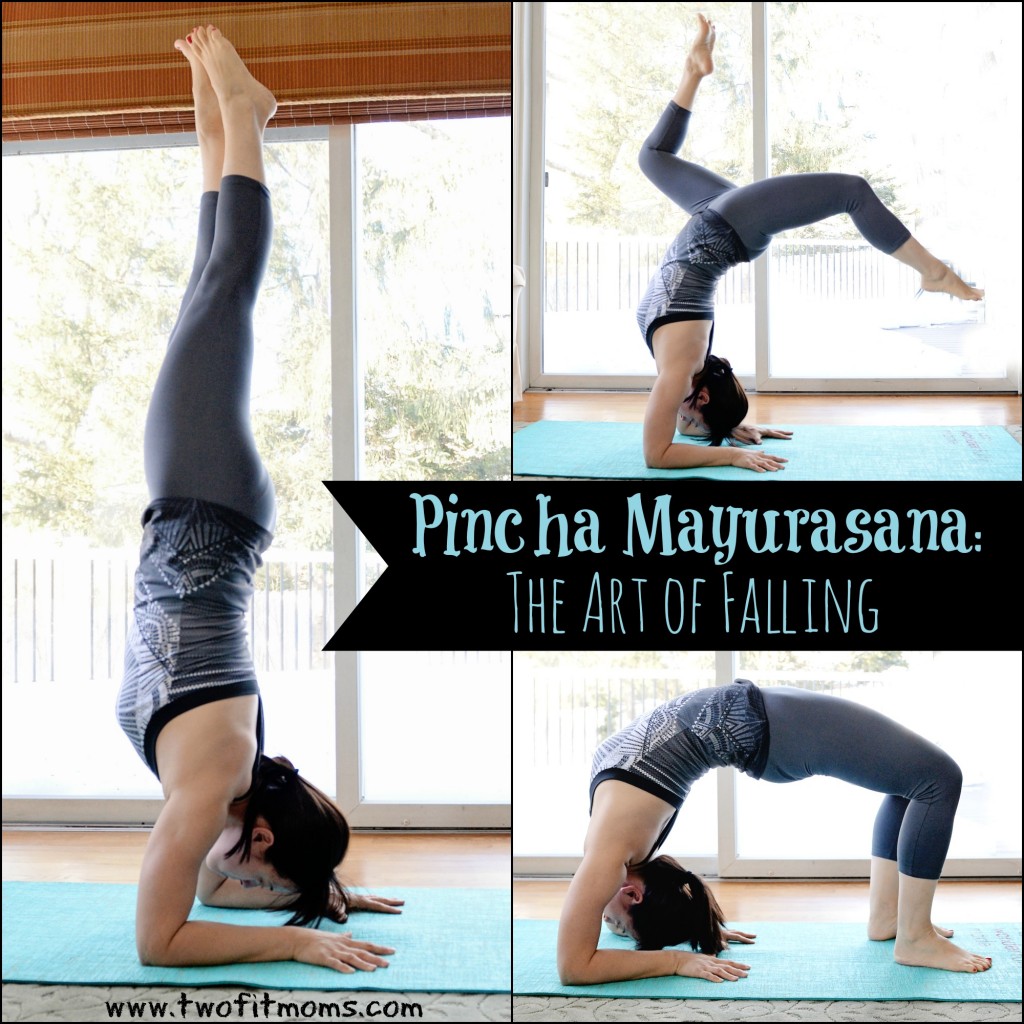
  • Pincha Mayurasana:  The Art of Falling

    Pincha Mayurasana: The Art of Falling

    If you’ve recently added Pincha Mayurasana (forearmstand) to your inversion practice, you may be wondering when or if you should move away from the safety of a wall.  As a general rule, you should NEVER move your inversion practice away from the wall until you have perfected your exit strategy.

    Falling flat onto your back and injuring yourself is NOT an exit strategy.  Falling safely out of an inversion is FallingFromPinchaactually a skill, and today, I will show you how to turn your fall out of forearmstand into a controlled transition.
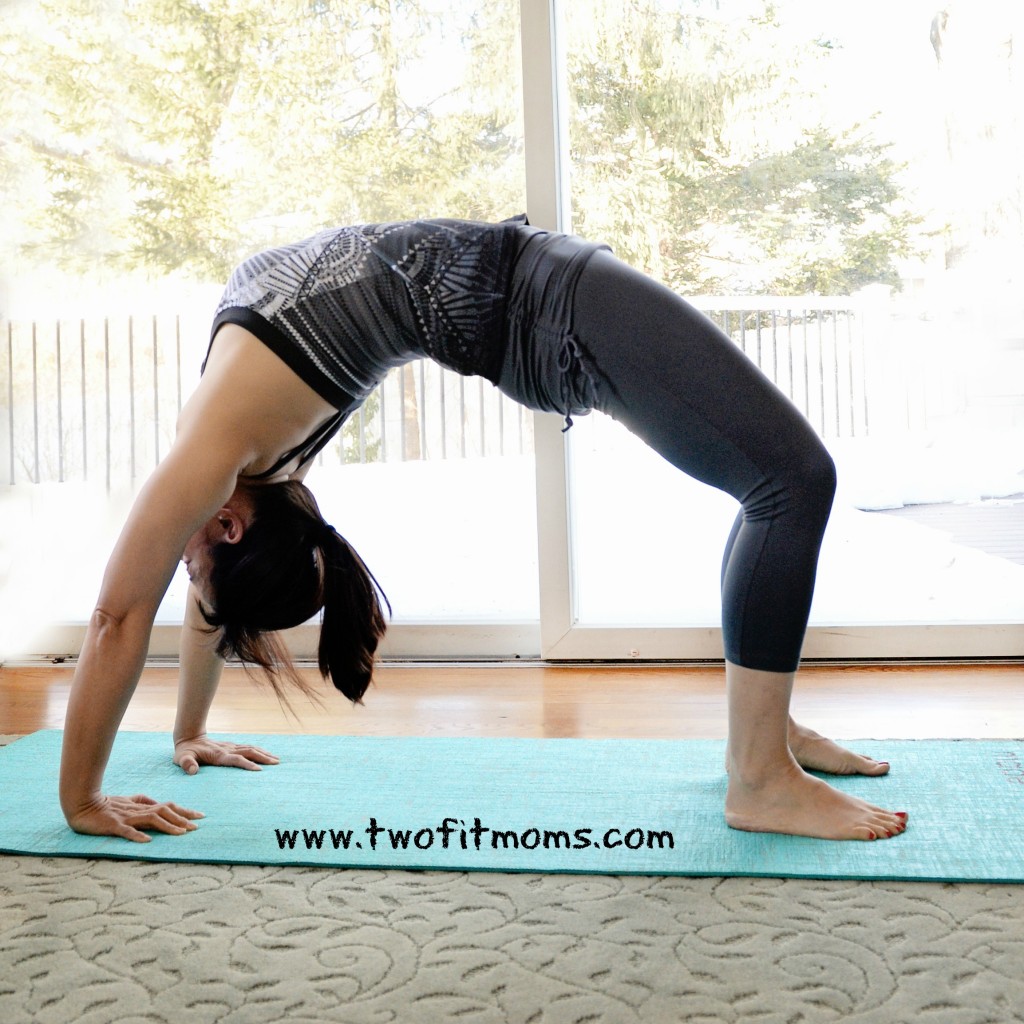
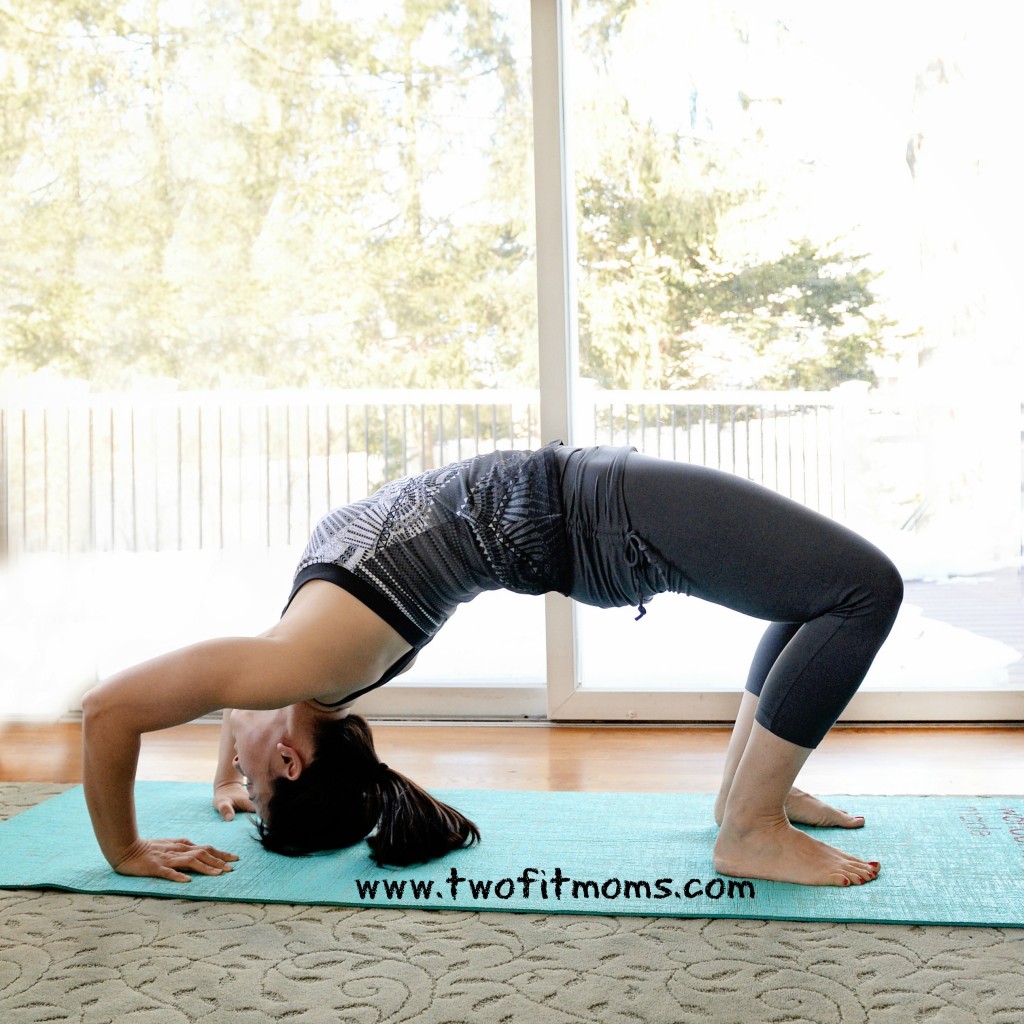
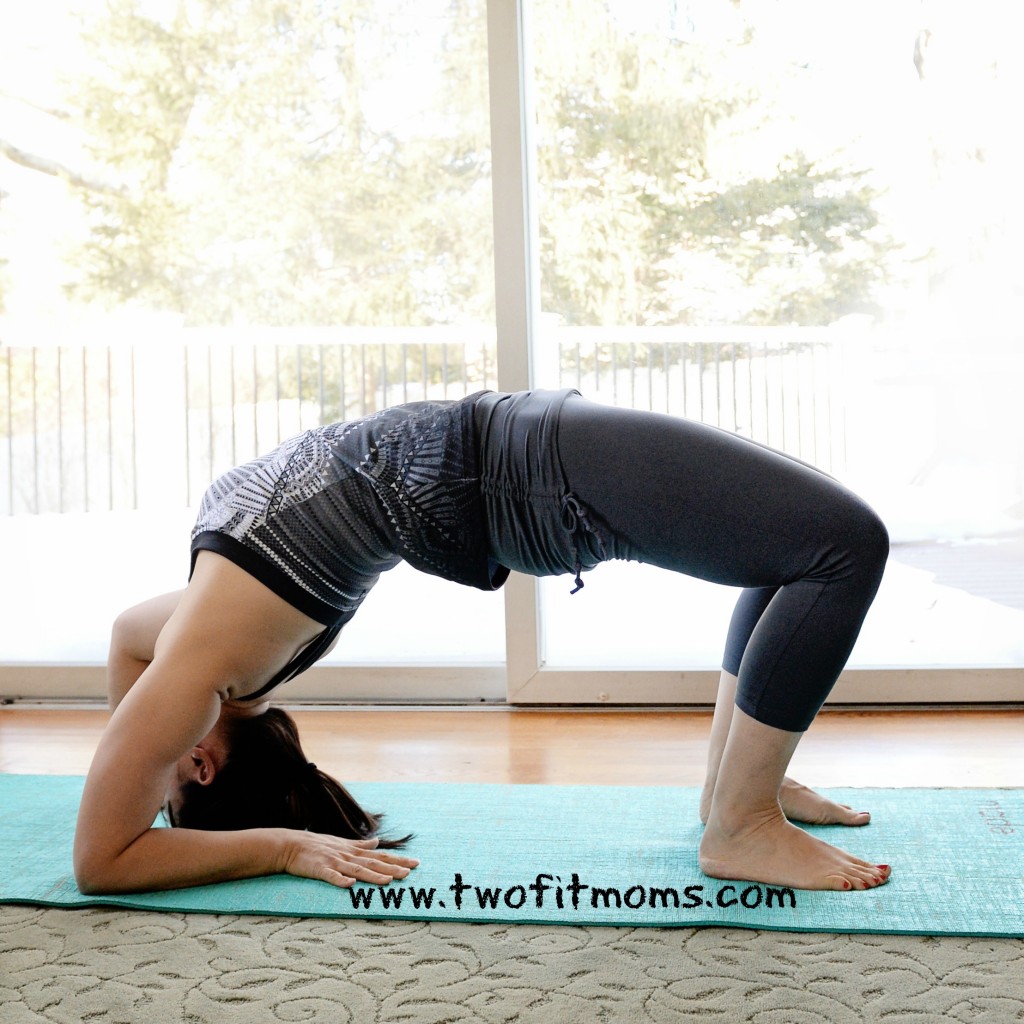
    The goal?  Forearmstand into forearm wheel.  Yes, forearm wheel is a deep pose requiring flexibility, but once you master this pose and this transition, you will practice in the middle of the room without fear.

    Getting into Forearm Wheel
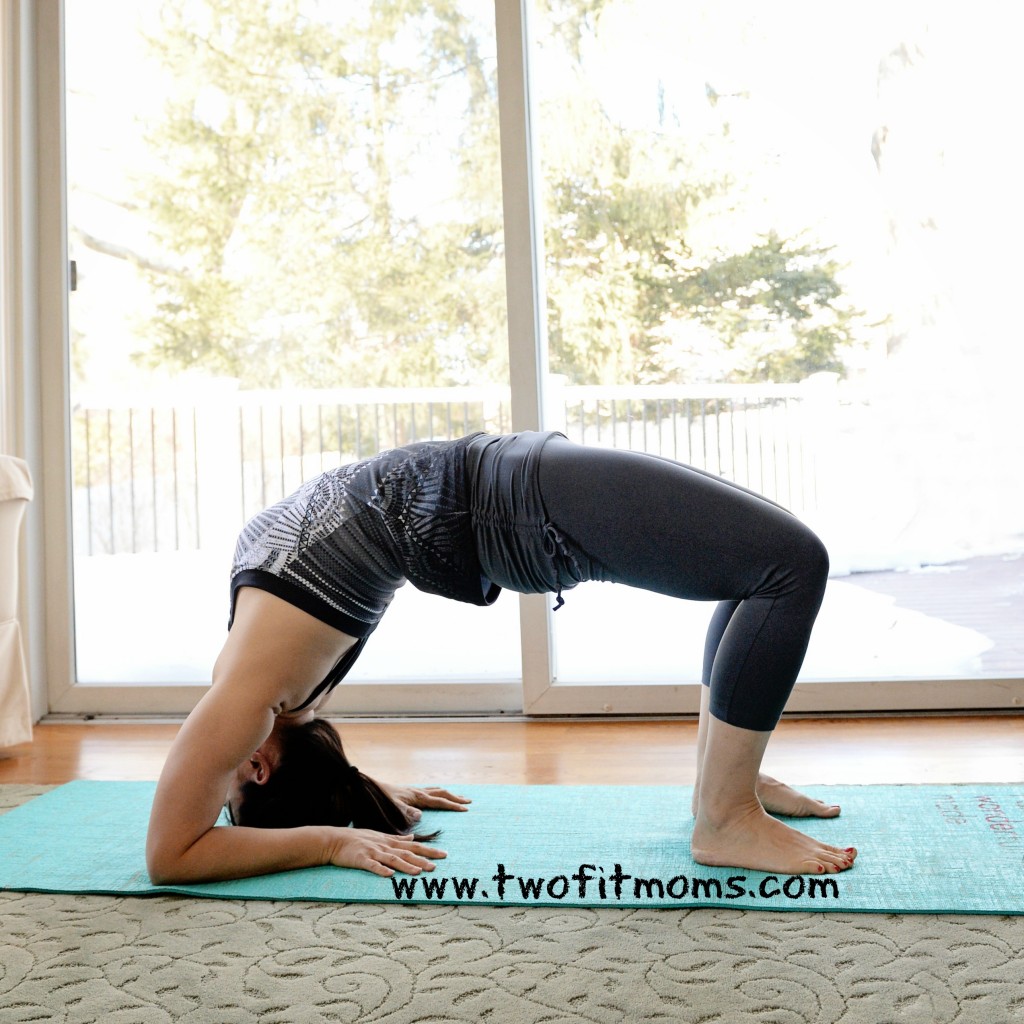
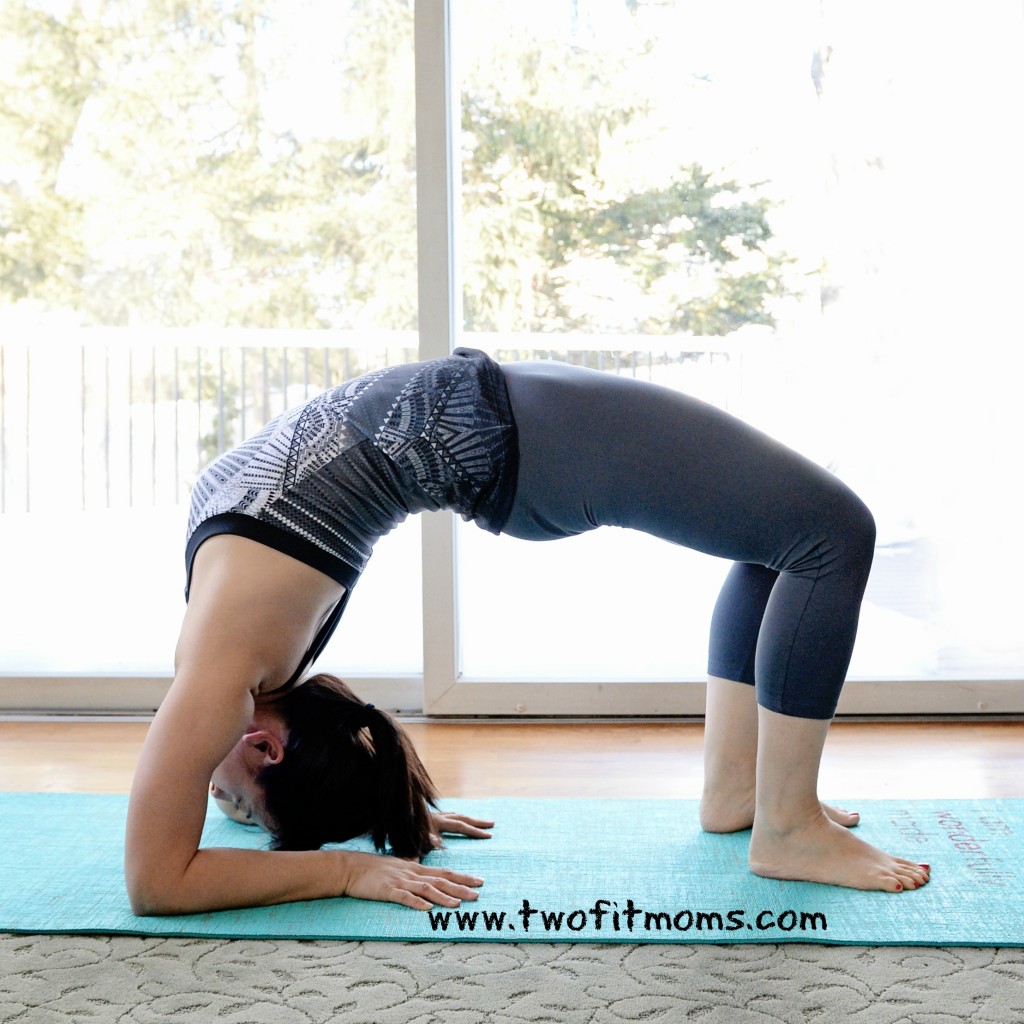
    The first step in perfecting this transition is to practice the final pose:  forearm wheel.

    Step 1
    Lie on your back, with your knees bent and feet flat on the floor. Place your palms onto the mat on either side of your head with your fingers pointing toward your feet.  Press through your hands and feet and gently lift up onto the crown of your head for a breath or two.  Continue to press through your hands and feet, lifting your head from the floor. Straighten both arms and lift your hips toward the sky for wheel pose.  If you are unable to do wheel pose, please continue to practice your forearmstands against a wall and re-visit this article at a future date.  Being comfortable with your backbends is essential for this exit strategy.
    WheelPose
    Step 2
    Slowly bend your elbows and gently lower the top of your head to the mat. Keep your elbows stacked above your wrists and your chest lifted.
    LowerOnToHead
    Step 3
    Slowly lower yourself onto one forearm.  If the stretch feels too intense, stop.
    WheelOneArmDown
    Step 4
    If your back is not straining, lower yourself onto the other forearm.
    WheelBothArmsDown
    Step 5
    Press down firmly through your forearms and lift your chest to raise your head off the mat.
    ForearmWheel
    If you are unable to do this forearm backbend with ease, then please continue practicing your forearmstands with a wall.  Falling into a deep backbend from a height is potentially harmful until your flexibility improves.  Each day, make it a point to work on your backbends and to open up your chest, shoulders and hip flexors.  The sooner you become comfortable in your backbend practice, the sooner you will become free from the wall.

    Practicing the Transition
    Now that you’ve mastered the forearm wheel, let’s practice falling into it.  Make sure you are thoroughly warmed up before attempting.  When you begin to lose your balance in your forearmstand, your natural inclination is to simply tip over.  Work with that natural momentum, and do not try to fall to the side or to lift your forearms from the ground.  Keep your forearms firmly rooted into your mat, with your elbows stacked right under your shoulders.  Do not collapse into your arms!  If you stay strong through your shoulders and arms, your legs will touch down, your head will never touch the mat, and you will be in a forearm backbend.

    Remember:
    Keep your inversion practice at the wall until you perfect your exit strategy.  Perfecting an exit strategy, however, may take a great deal of time.  Do not get discouraged.  Your yoga practice is not a race, and it is here to serve you through your lifetime.  Practicing your inversions with a wall is FINE.  Be prudent and use a wall if your body is not quite ready for the exit strategy presented here in this article.  Good luck!

  • Start Your Backbend Journey with Bridge Pose

    Start Your Backbend Journey with Bridge Pose

    Backbends are extremely powerful and energizing poses. They open up the heart, the chest and the shoulders.  They stretch out the spine, the neck and the entire front body. They flood the body with oxygen and have the ability to quickly get you out of a funk.  Backbends are also known to offer relief from fatigue, stress, anxiety and depression, to name a few.

    Deep backbends can be extremely intimidating for beginners. Bridge pose or Setu Bandha Sarvangasana is a great intro pose to set you on your backbend journey. Take it slow and be mindful.  Do not do this if you have any neck or shoulder injuries. Always respect your limits.


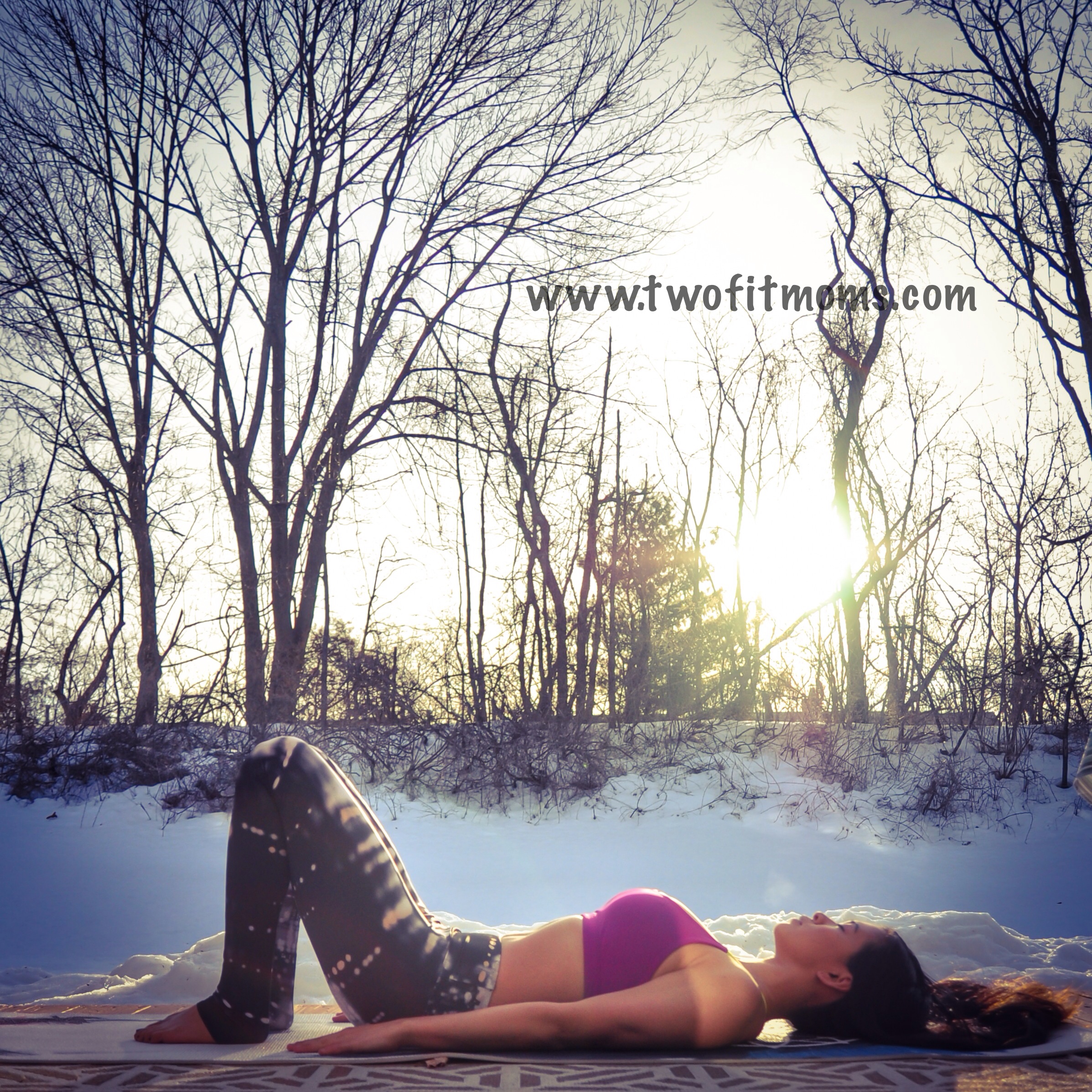
    Step 1: Lie down on your mat. Extend your legs out and take a couple of deep breaths. Bend your knees and bring your feet down onto your mat. Your feet should be parallel to one another and hip-width distance apart. Relax your shoulders and release any tension you may have in your face.

    Photo Mar 06, 8 44 50 AM

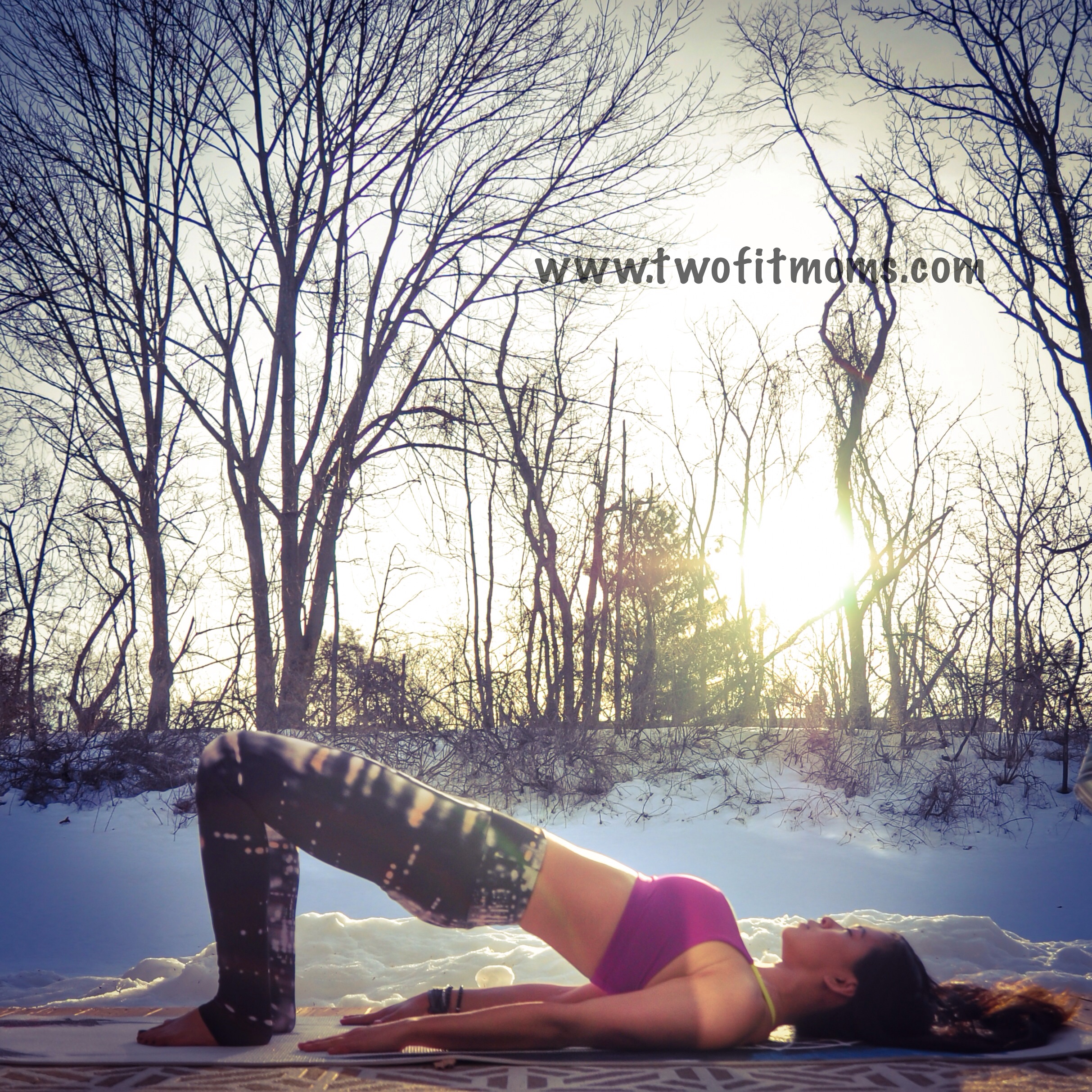
    Step 2: On an exhale, press your feet and hands firmly into your mat as you lift your hips up. Keep your neck long, do not bring it down towards your chest. Draw your tailbone up and be careful not to clench your bottom. No squeezed cheeks allowed!

    Photo Mar 06, 8 45 05 AM

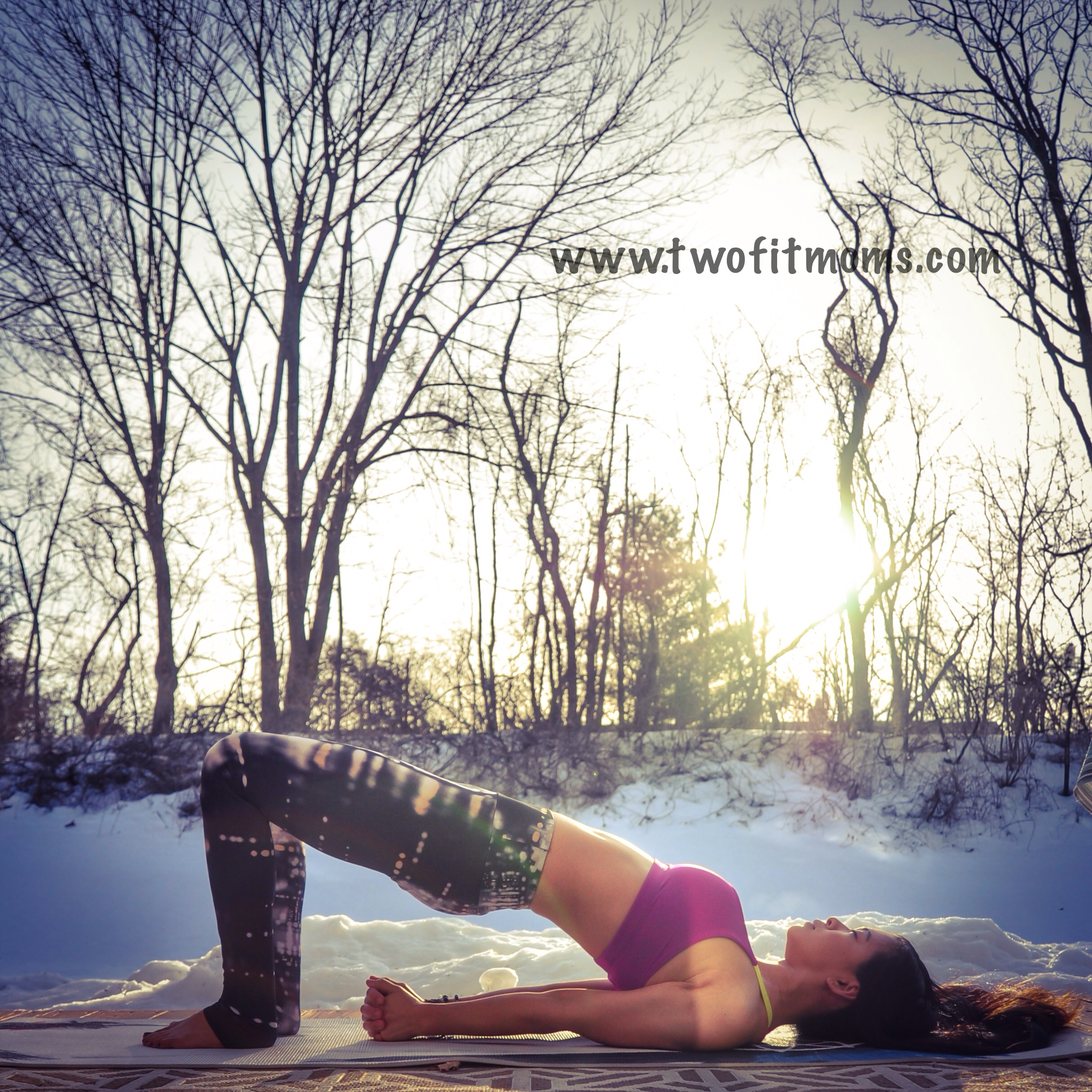
    Step 3: Keeping a firm base, start to work your shoulders underneath your body. Your shoulder blades draw in towards one another. Clasp your hands together underneath your body and straighten your arms. Press your arms firmly into your mat as you actively reach your clasped hands toward your heels. Be mindful to stay evenly on the soles of you feet and keep your knees directly stacked over your ankles. Do not let them sway in or out. Stay here and take 5-10 breaths. To release, unclasp your hands and set them down beside you, then slowly lower your hips down. Relax.

    Photo Mar 06, 8 45 20 AM

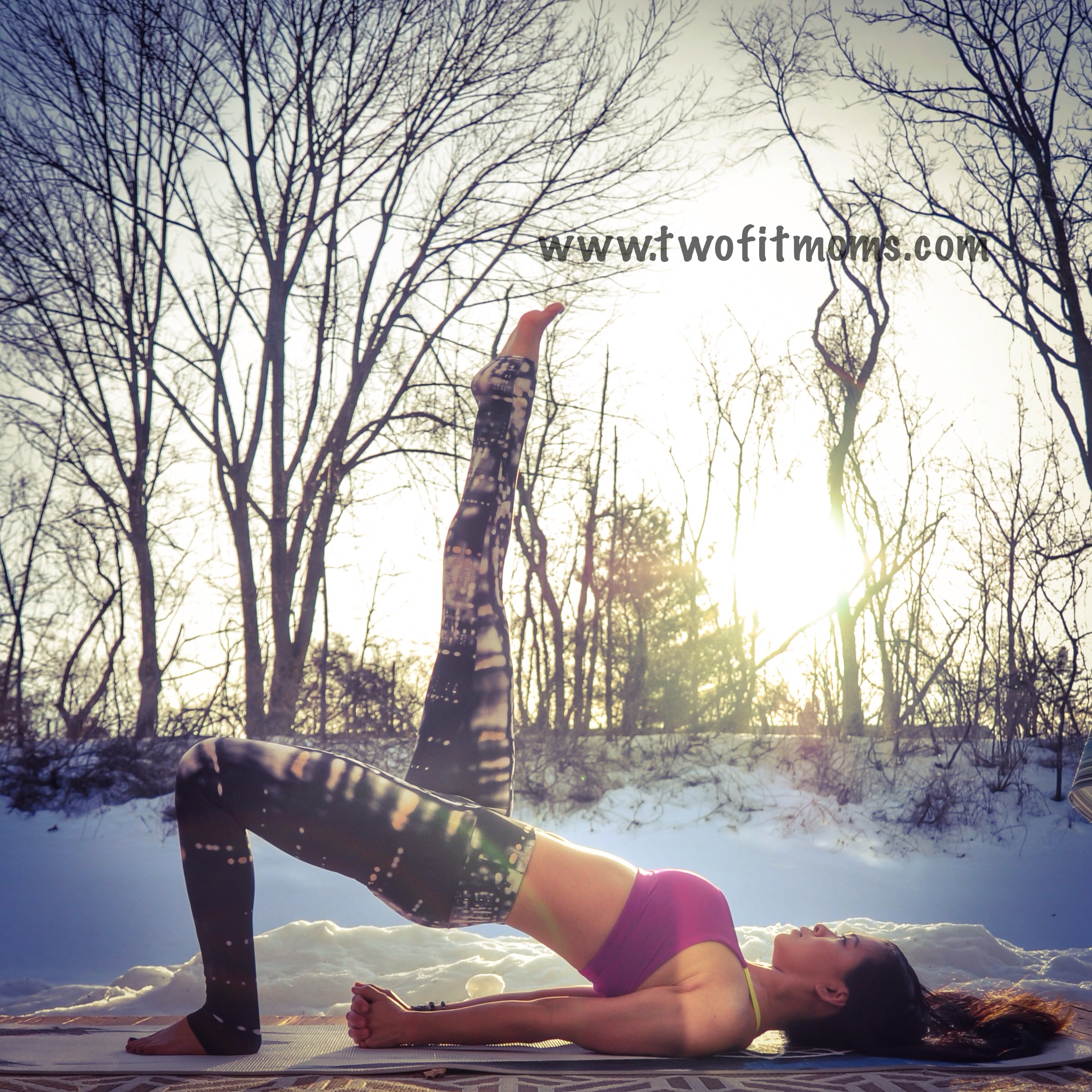
     Optional Variation: Extend on leg up and hold for a 3-5 breaths.  Lower the leg and extend the second leg up.  Hold for the same number of breaths as the first side. Lower the leg and hold in regular Bridge pose for 3-5 breaths…Then slowly lower down and relax.

    Photo Mar 06, 8 45 29 AM

    Remember to have patience with yourself and your practice. Speaking from experience, backbends can be frustrating…but they can also be very rewarding. Take your time.  In the words of K. Pattabhi Jois: “Practice and all is coming”.

    XOXO

    Blog Signature


  • Instagram Quick Tip:  Accentuate Muscle Tone

    Instagram Quick Tip: Accentuate Muscle Tone

    Navigating the world of photo-editing apps is tedious, especially if you are new to photography and new to Instagram. Rather than wasting money on apps that you may not like or use, let me introduce you to my favorite tips and programs for creating visually appealing photos.

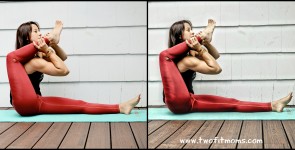
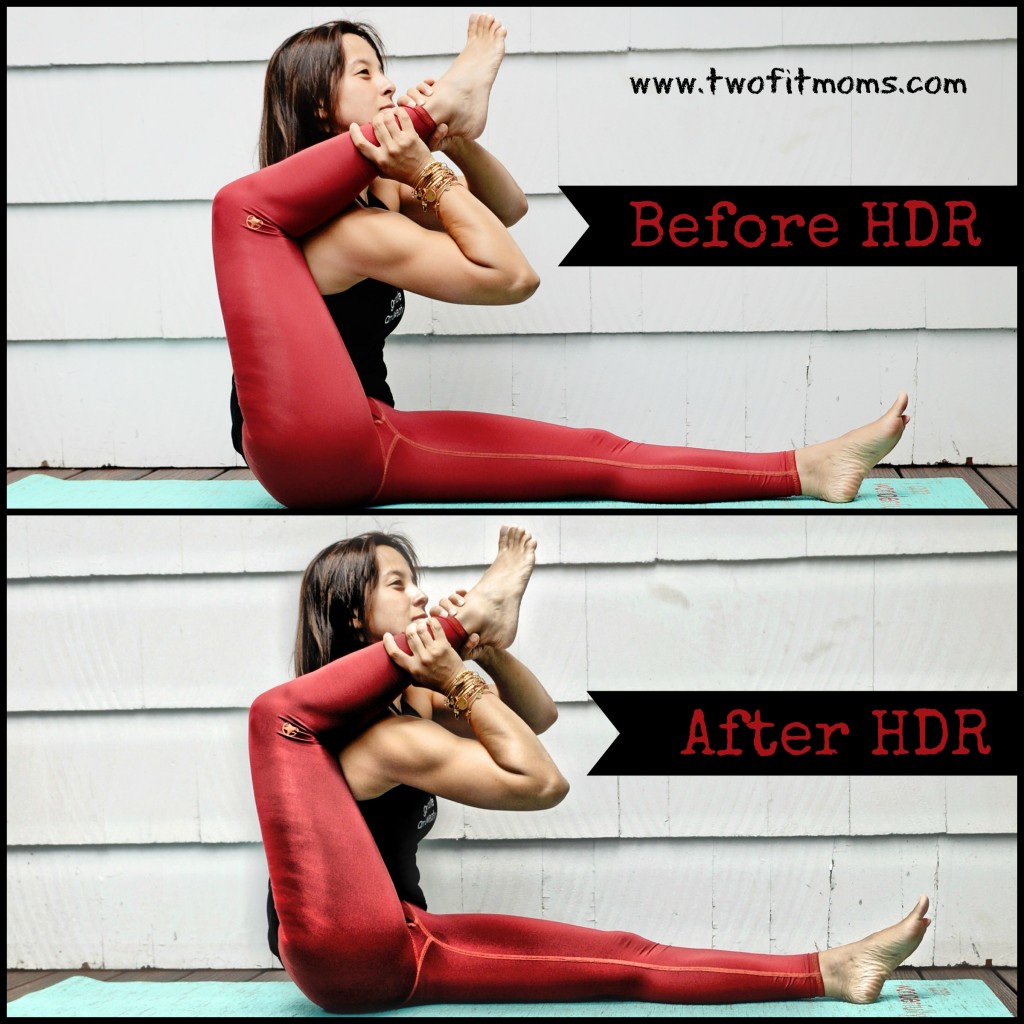
    “Simply HDR” is one of my favorite apps for adjusting shadow, light, grain and contrast. The result of using such an app? Greater detail and more dramatic photos. Do you want to accentuate your existing muscle tone? If so, this is the app for you.
    HDRBeforeAfter
    Take a look at the two images of me lifting my leg over my shoulder. The top photo is straight out of the camera with no editing at all. The bottom photo is the same image with about 10 seconds of editing in “Simply HDR.” As you can see, the app doesn’t create muscles where there are none, but it certainly accentuates what currently exists!

    Photo editing is a fun and creative way to express yourself. Create beautiful and dramatic images by adding depth and shadow. Please keep in mind that I just focused on one aspect of this app. Obviously it can be used in many ways, not just to define one’s physique. Accentuating bodies is clearly not the purpose of this program, but it’s one application of it. Take a look at this app, and research some others on your own. Have fun!

  • Instagram Quick Tip:  Use Your Glassware!

    Instagram Quick Tip: Use Your Glassware!

    Over the past year and a half, we have received numerous questions about our Instagram photos.  These questions have ranged from, “Who takes your photos?” to “What app did you use to create that effect?”

    In order to help you navigate the fun world of Instagram, we will be writing short posts to bring you Instagram quick tips!  We will share our ideas for creating fun and interesting content for your own Instagram pages, and we will share our favorite apps for editing photos and videos.

    Today’s Quick Tip
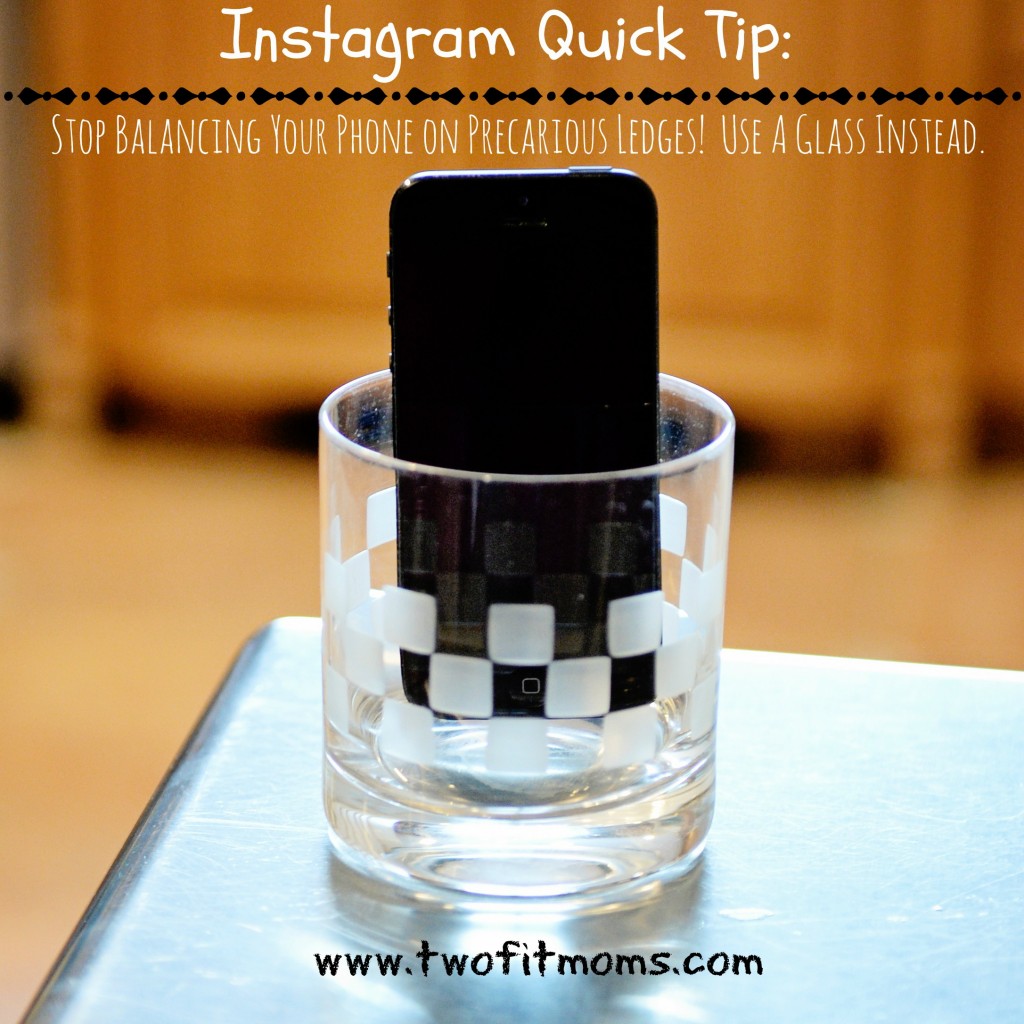
    Stop putting your phone at risk each time you take an Instagram photo!  Many of you who use a self-timer to take your own yoga portraits are leaning your phones on precarious ledges around the house in order to find the perfect photo angle.  If you haven’t cracked your phone screen as a result of it tipping over onto a hard surface, InstagramQuickTipconsider yourself lucky.

    Here’s our solution to taking photos and videos with your phone safely.  Place your phone into a heavy, short glass.

    Carry the glass around the house with you and place the glass, rather than the phone itself, onto ledges, bookshelves, counters, etc.  If necessary, stuff a washcloth in front of (or behind) the phone to get the desired photo angle.  Get the perfect shot every time using this method without the fear of cracking your phone screen!