Category: Wellness

  • 10 Simple Tips to Raise an Active Family

    10 Simple Tips to Raise an Active Family

    Now that the school year has ended, the kids are home, and the temptation to sit in front of the TV watching cartoons all day is great. It’s unbelievable that active, energetic children can turn into couch potatoes so quickly. The good news is that this is easily reversible. Children have a natural inclination to want to move, jump, fidget, skip and dance. Playing outside, swimming, running races and riding bikes are all forms of exercise, and kids looks forward to all of it. It’s all fun and games in their eyes.TipsforActiveFamily
    The key to raising an active family is to set a positive example as active parents, to surround your children with opportunities to be active, and to harness your children’s natural playful spirit.

    Here are a few of our tips to help you raise an active family. You can do this on a financial budget of any size!

    1. Limit your kids’ time in front of the TV.  One simple way to reduce TV-watching time is to pre-record your kids’ favorite shows. When it is time to watch a show, you can quickly fast forward through the commercials and cut back on the time that they are in front of the screen. We also recommend setting aside a specific time of day to watch TV. Pick a time that doesn’t interfere with physical activity—Maybe an hour before bed or an hour early in the morning before breakfast.


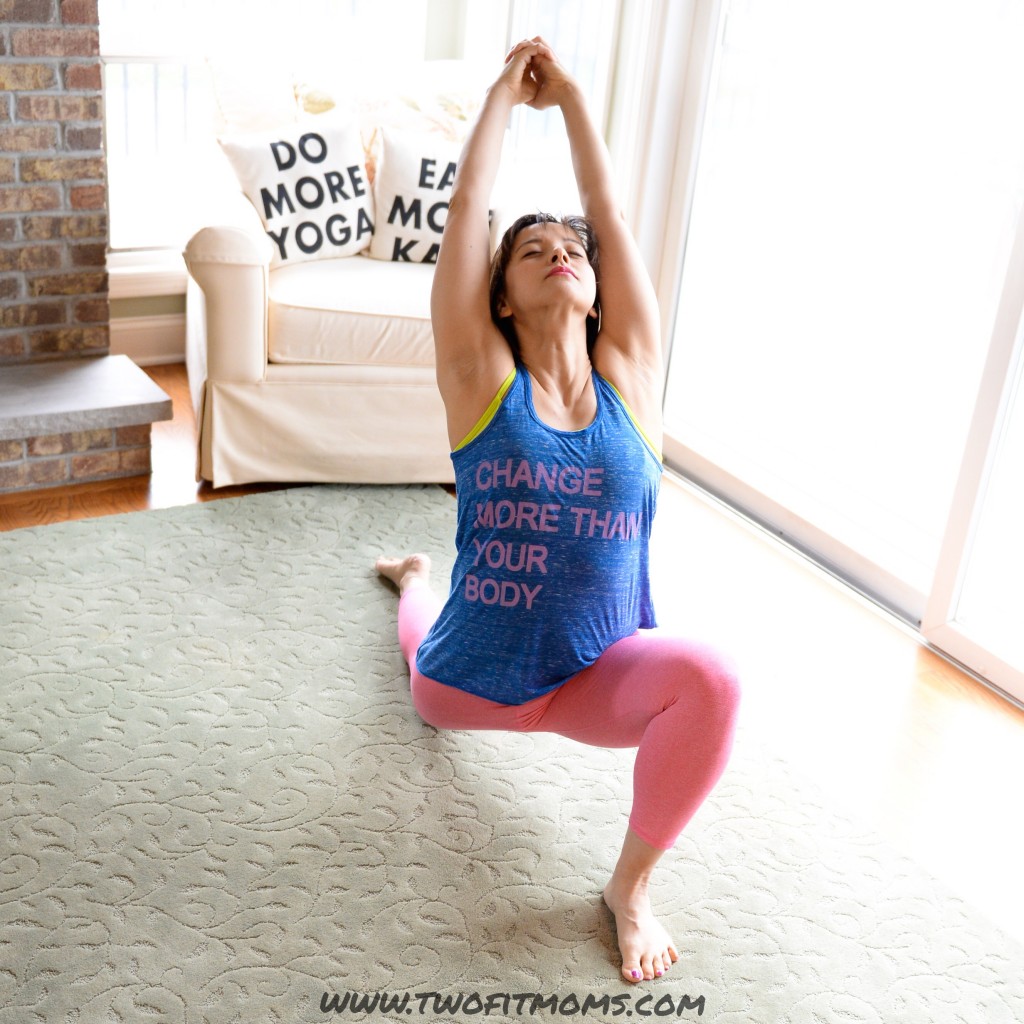
    1. Set a good example. Let your kids see you exercising. If you disappear for each of your workout sessions, your kids are not seeing you being active. Don’t cancel your gym membership, but make it a point to do some form of exercise at home that your kids can witness.   Pushups, sit-ups, squats and yoga are all great examples of effective exercises that are doable right in your living room.


    1. Get active with your kids. Children get a kick out of seeing their parents playing, and it encourages them to join in. I have my own jump rope in the garage. When I take it out and start jumping in the driveway, the kids run and get their jump ropes, too. It’s just not possible for them to stand and observe. The urge to move is too great, and they join right in.


    1. Make it a daily habit. Being active doesn’t mean that you must commit to long five-mile runs or day-long bicycle rides with your kids. You can raise an active family just by making it a habit to move every day. A ten-minute game of tag counts as movement!


    1. Create a fun environment at home that encourages activity. Set up a volleyball net in your yard. Install a basketball hoop outdoors. If you don’t have the budget to install any sort of nets or goals, just keep a few different balls on hand in a large bucket. Kick a soccer ball around after dinner or play catch. The idea is that if you build it, they will come. Go ahead and create an inviting area for play.


    1. Keep a ball/frisbee in your car. Be prepared for spontaneous fun! You never know when you might run across a large grassy field that is perfect for an impromptu game of catch, kickball or frisbee.


    1. Blend inactivity with activity. Think about all of the inactive things that you do with your kids regularly, and find a way to make some of those activities more active. For example, instead of driving to the ice cream shop after dinner, walk there. Instead of parking your car right in front of the movie theater, park on the other side of the mall/parking lot.


    1. Research your town’s recreational activities/programs. There are plenty of summer camps, private swimming clubs and sports camps that run all summer long, but if that’s not in your budget, contact your town to find inexpensive or even free activities for your kids. Playgrounds are free, some local zoos have free admission days, state parks offer great hiking trails, and some local bowling alleys offer free bowling for kids all summer long.


    1. Build movement into their chores. This will obviously depend on the age of your children, but even little ones are happy to help rake leaves in the fall, plant flowers in the spring, and pull weeds in the summer. Older children can drag the garbage cans to the corner, get the mail from the mailbox each day, scrub bathtubs, etc. Allow your children to build a sense of responsibility while also moving their bodies and staying active.


    1. Encourage your kids to get outside every day. With the exception of a few days a year that are dangerously cold or hot, your kids can dress appropriately and do just fine outdoors. What do they do once they get out there? Well, it’s a strange phenomenon, but they always find something to do.



  • 75 Tips for Your Wellness Journey

    75 Tips for Your Wellness Journey

    Wellness is not just about the weights you lift or the food you eat or the number staring back at you on the scale. Wellness is a state of being that reflects your health in various areas of your life— food, fitness, flexibility, sleep, spirituality, relationships, etc. In order to inspire you to continue on your lifelong wellness journey, we have created a list of 75 tips to help you live a healthy life. Enjoy!

    75Tips

    1. Automate your breakfast. Think of a few different healthy breakfasts that you enjoy, and plan to eat one of those pre-selected meal ideas each day. By doing this, you will always start the day on the right foot.


    1. Exercise, even if you only have 10-15 minutes. Baby steps count and add up over time.


    1. Limit your TV watching time to 1 hour per day.


    1. Cook your own food, take-out less.


    1. Wash, chop and store your vegetables in the refrigerator so that they are ready to eat. Healthy meals are much easier to create when all of the prep work is done ahead of time.


    1. Commit Sun Salutation A to memory so you always have a portable yoga sequence.


    1. Develop a relationship with a doctor when you are healthy and feeling well. If you become sick, you will be grateful to have a healthcare professional that already knows who you are.


    1. Get up from your desk once an hour to move or stretch.


    1. Keep an extra pair of sneakers in the trunk of your car so you always have an option to go for a quick power walk.


    1. Set a daily intention. Move through each day with purpose.


    1. Carry your own pen— especially during flu season.


    1. Get enough sleep.


    1. Shop the perimeter of the supermarket for fresh, whole foods.


    1. Look for foods in their most natural form. (Veggies instead of veggie chips; fruit instead of fruit juice)


    1. Replace all sweetened beverages with unsweetened tea or fruit-infused water.


    1. Create a positive affirmations practice. You ARE on a healthy path. You ARE worth the effort.


    1. Schedule your exercise session the way you’d schedule an appointment. Take it seriously, and don’t cancel!


    1. Turn off all text notifications on your phone to increase productivity and create more free time in your day.


    1. Eliminate refined sugar and flour from your diet.


    1. Start a meditation practice to lower stress levels.


    1. Get some fresh air, even if the weather isn’t ideal. It’s amazing what it can do to change your mood and clear your mind.


    1. Do something for yourself each day that is purely for pleasure. Maybe it’s a hot bath, or maybe it’s curling up with a good book. Just find something that brings you joy, and do it.


    1. Set a cut-off time each evening for electronics. Unplug from it all, and wind down. It will still be there tomorrow!


    1. De-clutter your bedroom to create a peaceful environment for sleep.


    1. Eat mindfully— sit down at a table to eat your meals. Focus on your food, not on your phone, computer or TV.


    1. Keep a food journal if you find yourself mindlessly eating throughout the day. If you must commit it to paper, you will feel accountable.


    1. Call a friend. Make an effort to keep in touch with the people that you care about. You need a strong support system.


    1. Find time to give thanks for all of the good things in your life. Maybe even start a gratitude journal.


    1. Get the most out of your day by making a to-do list. Live intentionally!


    1. Take care of your skin. Wash, moisturize, and protect it with sunscreen.


    1. Take photographs to track your progress. It doesn’t matter if you’re on a yoga journey, a weight loss journey, or a muscle-building journey. It’s hard to see the changes on a day-to-day basis, but weekly photographs will help you record the progress.


    1. Don’t forget to floss your teeth.


    1. When eating out, share an entrée or choose an appetizer as your main meal. Portion sizes tend to be large at restaurants.


    1. Chew your food thoroughly. Digestion begins in the mouth!


    1. Stop obsessing over the number on the scale. You already know when you’ve been eating well and taking care of yourself. You don’t need a machine to confirm what you already know.


    1. Get familiar with the Clean 15 and Dirty Dozen so you can make smart decisions in the supermarket.


    1. Adopt an active lifestyle. Going to the gym is just a small fraction of the day. It matters how you live when you’re not officially exercising. Take the stairs. Go for walks. Park your car in the back of the lot.


    1. Cut out the processed food/snacks from your diet.


    1. Listen to your body, and don’t ignore the signals. Sometimes, your body will tell you to move, other times it will tell you to sleep, or heal, or even see a doctor.


    1. Try different types of workout programs to keep your exercise regimen fresh and interesting.


    1. Wake up at the same time each day to stabilize your circadian rhythm.


    1. Find a fitness/yoga/wellness support system on social media. A community of like-minded people will keep you inspired.


    1. Use a cold-pressed oil (such as olive oil) to prepare meals. If you plan to use canola oil, make sure it’s organic and expeller-pressed. Many canola oil products have been bleached, deodorized and extracted with chemical solvents.


    1. If you have a chocolate craving, choose a small piece of good quality, dark chocolate (greater than 70% cacao) instead of milk chocolate.


    1. For optimal gut health, include fermented foods in your diet, which have a probiotic effect: miso, natto, sauerkraut, tempeh, natto, kimchi, etc.


    1. Choose wild-caught fish over factory-farmed fish.


    1. Reduce your caffeine intake, particularly in the afternoon and evening when it can affect your ability to fall asleep at night.


    1. Challenge your mind. Stay sharp.


    1. Get out of your comfort zone. Try something that scares you a little. How about a handstand?


    1. Save sweets for special occasions—maybe as a treat on Friday night or at a gathering or event. If you must have dessert every night, choose fruit.


    1. Check your bedroom for lit-up digital displays on alarm clocks and electronics.  Keep these displays covered at night, as the small amount of light thrown off by these devices can affect the quality of your sleep.


    1. Make portion control easier by eating off of smaller plates.


    1. Each time you shop, buy a vegetable that you don’t usually choose at the grocery store. Gain exposure to nutrients and flavors that you typically don’t get!


    1. Take your shoes off at home to avoid tracking in pesticides, fertilizers, allergens and germs.


    1. If you carry a purse, keep it off of kitchen counters, dining tables, and other food preparation areas. The bottoms of purses are often places that harbor bacteria, as a result of being placed on floors of public places.


    1. For natural remedies for a number of minor ailments, consider using essential oils instead of over-the-counter pills.


    1. Get a massage.


    1. Looking for natural relief from allergies or sinus problems? Try rinsing your nasal passages with a Neti pot.


    1. Wash your hands often to avoid getting colds.


    1. If you don’t have time to put on your workout gear, do a few sets of push-ups.


    1. Practice deep breathing techniques to alleviate stress.


    1. Carry your own healthy snacks from home rather than shopping at the convenience store when you are famished.


    1. Listen to a Yoga Nidra guided meditation to experience deep relaxation and stress relief.


    1. For the greatest nutritional benefits, replace whole grain products with actual whole grains (ie, barley, whole oat groats, brown rice, millet).


    1. Ramp up the number of green vegetables in your diet by making green smoothies in the morning.


    1. Read fitness and wellness blogs or subscribe to a couple of health magazines to stay motivated and inspired.


    1. If you train hard, remember to include a day of rest. Rest does not mean that you have to give up all forms of activity. Try a restorative yoga class or go for a leisurely walk.


    1. Find a workout buddy that will keep you accountable. Even if you’d rather exercise alone, find a friend that you can text or e-mail each day with a workout update. Having to report to someone on a daily basis will help you stay on track.


    1. If you are intimidated to attend a group fitness class or a group yoga class, hire a personal trainer or a yoga instructor to work with you for a few sessions.


    1. Good health is easiest to achieve when everybody is on board. Include your family in your wellness journey. Allow your children to help you prepare a healthy meal. Encourage your family to join you for yoga, biking, jogging, etc.


    1. Practice the Confucian teaching of “Hara hachi bu” and eat until you are 80% full. The goal is to be satisfied, but not stuffed to the gills.


    1. Create a playlist of music that motivates you to move your body.


    1. If you don’t have time to exercise at a gym or yoga studio, invest in a few good exercise DVDs or an online membership to take fitness/yoga classes.


    1. When you don’t feel like exercising, tell yourself that you can stop after 10 minutes. Chances are, you won’t stop once you get started.


    1. Consistency matters. Your wellness journey will reflect what you do on a regular basis, not what you do once in a while. Commit to just a couple of healthy lifestyle changes first, and make sure you can incorporate them into your life before adding more changes.


  • A New Perspective

    A New Perspective

    I’m a big fan of inspirational quotes. I always have been. Even when I was a teenager, I would cut inspirational images out of magazines and tape them to my bedroom wall. I loved messages of hope, perseverance, strength and overcoming obstacles. My favorite quotes as a teenager/young adult were ones about self-empowerment, and they sounded a lot like this:

    “You are only in competition with yourself.”

    “The only person you should ever try to be better than is the person you were yesterday.”BeHereNow

    Quotes like these drove me to work harder and motivated me to accomplish more each day. These quotes served their purpose at that time because each new day was very similar to the prior day. My body felt good, I was strong, and I was young without a health issue in sight. It was actually possible to be in competition with myself because I was changing very little from day to day.

    What I now know is that life changes. Babies are born. Bodies get injured. Surgeries become necessary. Sickness happens.

    Right now, I am taking three different antibiotics to fight Lyme disease and two tick-borne parasites. My body hurts more now than it did before I started the antibiotics. (I’m told that this is not uncommon.) I cannot be in competition with the person I was yesterday because I feel so much worse today.

    Some days, the stars align, and I can handstand, split, throw my leg behind my head, sit in lotus without pain and run for miles without a problem. Other days, my stress level is high, my mind cannot focus, my knee is too inflamed to bend or even walk without a limp, and my balance is horrific. If THAT is my reality on many days, then I can’t live a life of anger and frustration because I think I am a mere shadow of my former self.

    I see now that it’s much healthier to just strive for excellence today, based on today’s circumstances. Competing with a former version of myself is just a recipe for disappointment.

    If I have learned anything from yoga, I have learned that all we have is now.  The present. Each time I step onto my mat, I focus on the current breath and the current posture.  I don’t think about the next posture in the sequence.  I don’t judge the postures that I’ve already completed.  All that matters is the current moment. I encourage you to live your yoga, too.  Live here in “the now”, and find peace.

    “There are only two days in the year that nothing can be done. One is called yesterday and the other is called tomorrow, so today is the right day to love, believe, do and mostly live.” –Dalai Lama


  • A List of Lists for You to Make

    A List of Lists for You to Make

    I love lists. I love reading them, creating them, and getting inspired by them. There’s just something so efficient about receiving information in list form. Each item on the list is like a bite-sized nugget of information that is easy to swallow and digest. Even if an article is lengthy, it seems to somehow be easier to absorb the information if it’s organized as a list. AListofLists

    In keeping with this spirit, I’ve created a short list of lists for you to make. When you are feeling uninspired, and life feels tough, start working on these lists. Add to them, read what you’ve previously written, and keep them stored in your phone so you can always find them.

    The Gratitude List
    Everyone talks about being grateful, and remembering to give thanks each day, but how many people truly practice the act of gratitude? I know that I didn’t appreciate the concept of gratitude until I started taking inventory of everything that makes me feel grateful each day. Four years ago, I started a gratitude list in the Notes section of my iPhone. I started with just a few items on my list, but before long, I had hundreds of items on the list. Some of the items weren’t particularly deep. I had material things on the list— like a new handbag, but I also had experiences and people on the list. When I was going through a particularly tough time, the list made me smile and reminded me of all that I have in my life. A gratitude list is a good list to keep. I highly recommend it.

    The “Already-Done” List
    I am a big fan of To-Do lists. They keep me on track and provide structure to my daily life. But for the purpose of inspiring and lifting your spirits, I encourage you to create an “already-done” list. What is an already-done list? Well, it’s simply a list of your accomplishments over the past year. Think about everything that you’ve managed to get done, and give yourself credit! You do so much. You rock. Take note of it today. In the same way that you might make a list of New Year’s resolutions for the coming year to go to the gym, eat more vegetables, and get more sleep, go ahead and make a list of things that you’ve accomplished in the past 12 months. Get inspired by your own actions!

    The Happiness List
    When you’re feeling blah, turn to your happiness list. Think of everything that makes you happy, and start making your list. Here are just a few things on my own list that make me happy: ice cream, sunsets, fresh sheets on the bed, and an uninterrupted afternoon in the bookstore. You might find yourself smiling as you create your own list.

    The If-Money-Were-No-Object List
    Make a list of everything that you would choose to do if money were no object. Ignore your budget, and ignore your current responsibilities. Just imagine what you’d do. Maybe you’d get a pilot’s license and buy your own plane. Maybe you’d travel to the top 50 spas in the world in search of the best massage. Enjoy this fun exercise that will make you smile and give you a glimpse into your wildest dreams.

    The Instant-Mood-Booster List
    This is a list that you should create when you are feeling vibrant and happy. Think about all of the things that put you in a good mood instantly, and write them all down. When life gets tough, turn to this list, and see if you can incorporate one of your own suggestions into your life. Your list will be specific to you! I know that I feel happier instantly when I declutter my desk or bedside table. I also know that 30-minutes of cardiovascular exercise puts me in a good mood, as well as a trip to the hair salon, a new book or dinner with friends.

  • Listening to Your Body

    Listening to Your Body

    Have you noticed how quick we are to obey everyday signals? We stop our cars when the traffic light turns red. We get out of the pool when the lifeguard blows the whistle. Even my kids follow their own set of signals at school— they know to stop talking and pay attention when the teacher lifts her peace fingers into the air. We seem to have no problem following these types of external signals, but somehow, we are quick to override the internal signals from our own bodies. We stop at traffic lights, but we blow through warning signals from our bodies that scream, “Slow down and rest!”ListentoBody

    Yesterday was a constant battle for me between my mind and my body. I woke up feeling terrible— like hit-by-a-truck terrible. I didn’t feel sick, but I was overwhelmed with a sense of exhaustion that I’ve rarely felt. I knew that I didn’t have the energy to put on my exercise clothing and get on the elliptical machine, but I knew that if I skipped my morning exercise, I would feel sluggish and dull for the rest of the day. I hemmed and hawed and finally sat up on the edge of my bed and took inventory of how I felt. My hands and wrists were aching so much that I couldn’t curl my fingers to make a fist. My right knee was on fire. I was beyond exhausted. My body was screaming for me to rest. I was so tempted to limp down to my gym and do something…but then I realized how foolish that would be. My body was waving red flags and telling me to rest. So, even though it pained me to do so, I listened. I reset my alarm and slept for another hour.

    After an extra hour of sleep, I didn’t feel any better. I limped downstairs to make breakfast for the kids and somehow managed to get my son off to school on time with a packed lunch. Once the house was quiet, I opened my laptop and started to review my to-do list:


    -I had a magazine deadline in two days.

    -I needed to oversee some graphic design work.

    -I needed to type up a bunch of notes for an upcoming yoga retreat.

    -I needed to incorporate a new ad onto our website.

    -I had to schedule an appointment to get my daughter’s blood drawn at a local lab the next day.

    -I had to re-order one medication from the pharmacy.

    -I had a doctor’s appointment in the afternoon.

    -I had to call the insurance company about a large hospital bill.


    The list seemed never ending. My mind was dull and my body was unhappy. I was tempted to push through the warning signals. I made myself a big cup of black tea and sat back down to work… And then I realized that I was being ridiculous. I couldn’t focus on my work because I could only think about how terrible I felt. It was time to listen to my body. I shut down my laptop and climbed into bed. THAT is what my body needed. It needed rest to heal.

    Today, take notice of your own body’s signals. Don’t override them.

    -Are you nodding off each afternoon during work meetings?

    -Are you going for a run, despite the sharp pain that you feel in your knee with each step?

    -Are you ignoring pain in your belly and telling yourself each day that you must have eaten something bad?

    -Are you popping pills every three to four hours to combat headaches?

    -Have you experienced sudden, unexplainable weight loss or weight gain?

    Pay attention! Your body is being kind enough to tap you on the shoulder and alert you when something isn’t quite right.

    We are being bombarded with signals each day. It is our job to stop and tune into these signs and interpret them (or seek help interpreting them).

    Many of you reading this post have a regular yoga practice. Today, I encourage you to take that same mindfulness that you have on your mats each day, and apply it to your life off the mat. Listen to your body. Don’t ignore the signals. Make changes, and seek help when necessary.


  • Why Multitasking is Overrated

    Why Multitasking is Overrated

    Multitasking. We’ve all heard of this concept, and it is often touted as the answer to efficiency and productivity challenges. We cook dinner while scrolling through social media posts. We compose business e-mails while chatting on the phone. We catch up on our favorite television show while eating a meal. Does any of this sound familiar?Multitasking is Overrated

    Most of us attempt to multitask on a daily basis because we are drawn to any solution that buys us a little extra time in our busy lives. But when we are multitasking, are we really working efficiently and mindfully? Are we really getting more done in a shorter period of time? Are we producing the highest quality of work and avoiding errors in the process? Are we giving the best of ourselves? I think not, and here’s why.

    What “Multitasking” Really Means
    The word “multitasking” is a concept that is borrowed from the computer industry.    Originally, the idea of multitasking referred to the ability of a computer (single CPU core) to handle more than one task at the same time. An important point to highlight here is that the processor doesn’t actually process multiple tasks simultaneously; It toggles between tasks at a rapid rate.

    The processor is able to switch between tasks quickly so that it appears as if multiple tasks are being executed at the same time, but these tasks are being performed serially, not concurrently.

    In a similar way, when we think we are multitasking, we are not actually performing tasks simultaneously (unless one of the tasks is something really automatic/repetitive like walking, jogging or chewing gum).  When we multitask, we are switching between tasks, just like the processor. Multiple tasks are not being given our full attention at the same time.

    Why Human Multitasking Fails
    You may now be wondering why we can’t multitask just like the computer by toggling between tasks. Well, the computer is able to keep track of all necessary information on one task and quickly move to another task without losing any information. This doesn’t work out so well for us as humans. We essentially lose information as we move back and forth between tasks—We often call it, “losing our train of thought.”

    Each time we lose our train of thought, it takes a while to find that train again and hop back on. You know what that’s like. Try to think of a time when you were busy writing a research paper or composing an e-mail. Maybe you were grooving along at a great pace until someone interrupted you. Even if the interruption was very short, you probably lost your momentum and couldn’t pick up where you left off. You lost your train of thought. In contrast, a computer’s processor toggles between tasks without the train ever becoming lost. All information is retained in memory, and the computer can quickly cycle through tasks at a quick pace.

    The Beauty of Monotasking
    As humans, I believe the art of monotasking is far more effective for productivity and efficiency. It forces us to focus on one thing at a time—to give our undivided attention to a task.

    It’s actually the very reason why so many of us step onto our yoga mats each day. We are looking to clear our minds and just focus on our breath. We aren’t looking to stand in Warrior 1 as we create grocery lists. We aren’t practicing inversions and calculating budgets in our minds. When we hit our mats, we are monotasking. We complete our practice, and then we move on. If you notice, you probably feel much better, too. Life seems more manageable when you are focused on the task at hand.

    This week, I challenge you to cut out the daily noise of multitasking. Don’t attempt to tackle multiple activities at once. Focus on what’s right in front of you until you are done, and see if you are more efficient. Be mindful. Put down your phone when someone is talking to you. Drive your car without calling someone. Turn off the TV when you’re eating. You get the idea. Practice being more mindful; Practice the art of monotasking.

  • 5 Ways to Motivate Yourself to Exercise

    5 Ways to Motivate Yourself to Exercise

    Not everyone has the natural desire to get up and sweat. Even for regular exercisers who enjoy physical exertion, there are days when it feels easier to sit on the couch. Newton wasn’t kidding when he stated that a body at rest will remain at rest unless an outside force acts on it. Sometimes, we need to provide that outside force to get us moving.MotivateYourself

    Nearly everyone knows how important it is to exercise for optimal health, but this information on its own doesn’t seem to be enough to motivate most people. I consider myself to be a very disciplined person, but it’s not the long-term incentives that get me moving when I’m in a funk. Long-term incentives such as living to a ripe, old age and setting a good example for my children are very important, but THOSE are not the factors that get me out of bed or off the couch on days when I’m feeling particularly lazy or apathetic toward the idea of working out. Long-term incentives just aren’t always effective at creating immediate change.

    You need a few short-term incentives that will kick you into high gear and motivate you to put on your exercise clothes. Think about what could motivate you today to get up and move, and make a note of whatever that is. Here are a few of my own tips that I’ve used over the years to get moving each day.

    Buy a new song for your exercise playlist. When you are in an exercise slump, tell yourself that you can buy a new song for your exercise playlist each day you hit the gym/unroll your mat/pick up your weights. At the end of two weeks of consecutive exercise, you will have enough new music to power you through an hour-long workout! Why do you want new music? Music has the power to set the mood, as well as the tempo of your workout. I have slower songs for stretching, slightly faster songs for my warm-up, and crazy upbeat songs for my higher intensity exercise. Music will drive you to work harder, even when you don’t think you have the energy to work hard.

    Remind yourself that exercise increases productivity all day long. I know it’s tempting to skip your workout. That extra time could be used for so many things, but remind yourself that it is a good short-term investment. Exercise is more effective than a jolt of caffeine. You will get more done during the day if you allocate a block of time to move your body. When I finish my morning workout, I feel energized. I power through mundane tasks like packing up lunch boxes and unloading the dishwasher. I can focus on more complicated tasks, write with better clarity, and get through my to-do list at a quicker pace on days that I exercise because my mind is clear, and my body feels good.

    Put a bottle of your favorite body spray into the refrigerator. This is one of my favorite tips for hot summer days, and I’ve been doing it since I was a college student. After working out and sweating like a beast, I take a shower and treat myself to a cool, refreshing spritz of body spray. I don’t allow myself to use the refrigerated spray on days that I skip my workout. I like saving it as a special treat—a mini spa treatment that I get after each workout. I now associate the scent of my body spray with strength and discipline, and that’s just a great feeling.

    Treat yourself to a full water bottle or pitcher of fruit infused water.
    I’m not a big water drinker. The only time I’m even interested in drinking at all is during/after exercise, so I treat myself to fruit-infused water after each workout. Sometimes I’m lazy, and I just squeeze a couple of lemon slices into a glass, but most of the time, I will treat myself to a big beautiful pitcher of cucumber-mint-strawberry water or lemon-lime-tangerine water. It’s such a nice, healthy treat that provides a bit of incentive on lazy days.

    Embrace the idea that you will feel better instantly! When you are wallowing on the couch, feeling a bit down, or overwhelmed by the circumstances of your life, tell yourself to get up and exercise because you will feel better afterwards. I’m not talking about feeling better after weeks of regular exercise (which, of course will happen, too)— I’m talking about feeling better in the next 30 minutes. Endorphins have an amazing effect. There’s no better incentive than that. Exercise is an instant mood booster, and your body and mind will thank you for the workout.


  • 5 Tips to Consider After Being Diagnosed with an Illness

    5 Tips to Consider After Being Diagnosed with an Illness

    Those of you who have been following me on Instagram know that I’ve been on a long-term healing journey for a mysterious autoimmune condition.

    Three and a half years ago, I gathered multiple opinions for acute roaming pain in my tendons and ligaments— severe pain that would strike without warning and then disappear randomly without a trace. I had blood tests, x-rays, and MRIs. I met with two rheumatologists, a sports medicine doctor, physical therapists, a podiatrist (to assess damage in my hips and feet) and a general practitioner. I was not lazy with my medical care. Based on my blood work and clinical findings, these bright professionals with years of experience each came to the conclusion that I had an autoimmune disease. The treatment for such an illness was pain management and immune-suppressing drugs. None of these drugs were mild.Extreme close-up of medical pills and syringe on white background

    Rather than turning to medications that had a long list of side effects, I turned to a macrobiotic diet to heal and suppress symptoms. I found a macrobiotic counselor who suggested a strict healing diet, and I found tremendous success after just four months.  I never had to take any of the strong medications that are typically prescribed for rheumatological issues, and for the most part, I’ve felt very good.

    I started noticing a change in my health this past September when my daughter was admitted to the hospital for a kidney transplant. The palm of my left hand started to hurt while I was in that hospital room with my daughter, and the pain has not subsided in the months since.

    Within a few weeks of receiving a new kidney, my daughter rejected the kidney, and we found ourselves back in the hospital, living a nightmare. It was at that time that my right knee began to hurt, and I started to have trouble walking.

    A couple of months later, my right wrist began to hurt, and I’m now at a point where I can’t put much weight onto either of my hands without feeling excruciating pain.

    Stress is an unbelievable force. It can change your body chemistry and trigger illness. No matter how strict I became with my diet, I could not find healing. After a few months of struggling to heal on my own, I contacted my macrobiotic counselor. She was very firm with me. She reminded me that she always thought that something else was going on in my body. Based on the principals of oriental diagnosis, she examined me and maintained that she continues to think that I have Lyme disease or some kind of parasite. I reminded her that three years ago, I had asked both of my rheumatologists for Lyme testing, and they both refused. They told me that Lyme is the most over tested disease that rheumatologists see, and that they had no basis for testing me.

    My macrobiotic counselor told me to start searching for a new doctor and to keep searching until I could find one that would agree to testing. Four weeks ago, I found an integrative doctor who agreed to help. I had extensive blood tests to check for Lyme disease and the co-infections (parasites) that often travel with the infected tick.

    One week ago, I received my results, and my macrobiotic counselor was right. I can’t ignore that I DO have antibodies that are suggestive of an autoimmune condition, but perhaps the formation of those antibodies was triggered by being bitten by an infected tick. I am now starting a long course of two different types of antibiotics. I have been warned that this could take quite a while to heal, but I am patient. After all, I’ve been patient for the past 3.5 years as I harbored these parasites in my body without any medical intervention. I can continue to be patient.

    Let me tell you what I have learned from this experience that may help you if you’ve been diagnosed with an illness or are currently searching for answers about your own medical condition.

    Always seek multiple opinions from the best doctors when dealing with a serious medical condition that requires treatment.

    Once you have your multiple opinions, don’t assume that your multiple opinions (even if they are in agreement) are 100 percent correct. Always leave the door open to other possibilities.

    Search for a good doctor that practices integrative medicine and combines the best of western medicine and alternative therapies. Remember that not everything that heals in this world is found under the roof of a hospital. Take the help from medications when necessary, but keep in mind that healing and cures don’t always appear in the form of a pill or a syringe. Don’t underestimate the power of the body to heal itself with natural remedies.

    Find the discipline within yourself to try a natural healing plan. But don’t forgo the experienced care of a physician! Work alongside your medical team. Do everything in your power to strengthen your body. Cut the sugar. Cut the processed foods. Start loading up on greens and sea vegetables and fermented foods. Strengthen your gut, and strengthen your immune system. I adopted a strict macrobiotic diet, and by doing so, not only did I heal from unimaginable pain, but I also eliminated a bunch of other smaller issues (like debilitating seasonal allergies that plagued me each spring for 15 years.)

    Don’t allow your gut feeling to be drowned out by your doctors. In hindsight, I realize that I had a gut feeling. There was a reason why I was asking each doctor for Lyme testing. I allowed that inner voice to be drowned out by doctors because I valued their experience much more than I valued my gut feeling. Be your own greatest advocate. Insist on the tests you want to see. Offer to pay for them yourself, if necessary. Or keep looking for a doctor who is willing to explore your ideas and theories. They may not pan out, but you will feel much better after covering all of the bases.

  • How 10 Minutes Changed My Day

    How 10 Minutes Changed My Day

    Despite all of my planning, this morning wasn’t particularly smooth. My alarm clock woke me at 5:45 am. I was groggy and confused. Was it time to get up already? I’m not one to jump out of bed joyfully in the morning, but today felt unusually rough. My sleep cycle was interrupted because my husband had to leave for work in the middle of the night. (Okay, maybe it wasn’t the middle of the night, but 4 am certainly felt like the middle of the night.)

    As I sat at the edge of my bed at 6 am, I realized that I had been sitting motionless, staring into space for a full 15 minutes. FIFTEEN MINUTES of staring into space!!! What just happened? I was wasting my precious “me time”! I had to get moving.

    I finally willed my body into the bathroom where I washed up, and then I headed into my walk-in closet and put on my workout clothes. I had a brand new exercise outfit to wear today. (Insert sleepy happy dance.)10 minutes

    I pulled my shirt over my head, stepped into my leggings and socks, and then I realized that the store tags were still dangling off of my new clothes. I briefly considered removing the tags with my bare hands to spare myself the annoyance of having to find a pair of scissors, but decided that with my luck, I would probably tear a nice hole into my new clothing if I did that.

    I tiptoed past my kids’ bedroom and walked into my office to look for a pair of scissors. Please Lord, don’t let me wake the kids.

    The kids stayed asleep, but my scissors were gone! What?!! Last week, the kids “borrowed” my stapler, which was never to be seen again, and now my scissors have disappeared into the same abyss?! Do they not have 8 pairs of kids’ scissors lying all over the house? Ugh. I went down to the kitchen and found another pair of scissors and headed into my home gym to work out. Finally! My morning exercise could begin.

    I looked at the time, and realized that I’d managed to move at such a snail’s pace that I had killed 45 minutes in my bedroom, bathroom, office and kitchen. This was going to be an abbreviated workout.

    As I stepped onto my elliptical trainer, I suddenly remembered that I received a new pair of fitness headphones to try. Might as well use them! I pulled the new headphones out of the packaging and snuggled each earbud into my ear. The left earbud didn’t feel right. I saw that the cardboard box included a little bag of extra rubber earbud pieces in multiple sizes. I pulled one out of the bag and started changing the removable earbud piece. It promptly fell off, and bounced out of sight. My home gym is not big, but I couldn’t find the rubber earbud anywhere. I actually got onto my knees and looked for a few minutes. I gave up my search and used another rubber piece instead.

    I put my new headphones on with the proper-sized earpieces, stepped back onto my elliptical, and started moving.

    That’s when I heard it.

    “Mama…we’re hungry.”

    Gah! The kids were up. I had been up since 5:45 am, and I had gotten nothing accomplished.

    I almost gave up right then and there. It was 6:45 am, and it was a school day. But the key word there is almost. I didn’t throw in the towel.

    I looked at my kids and told them that I needed 10 minutes. They scurried off.

    In total, I exercised on my elliptical trainer for 10 minutes and 44 seconds. Was it ideal? No, of course not, but life is rarely ideal. In just 10 minutes and 44 seconds, I still managed to claim a small piece of the day for myself— for my mental and physical wellness. Although I did not exercise for nearly as long as I anticipated, I maintained structure and routine. When I stepped off that machine, I felt awake, limber, and accomplished.  I was energized.  I didn’t feel resentful toward my children because I managed to start my day by doing something that made me feel good.  It didn’t have to be an hour-long activity. Ten minutes made a difference.

    If you can’t commit to long periods of time, go ahead and give yourself a few minutes to move your body. You will see that in as little as ten minutes a day, you can change your mood, your self-esteem, and your whole outlook on life.


  • 5 Healthy Things You Should Do EVERY Day

    5 Healthy Things You Should Do EVERY Day

    Creating a healthy lifestyle doesn’t have to be stressful or impossible. You don’t need to overhaul all of your habits at once and plunge into a lifestyle that you barely recognize. Spare yourself the anxiety and shock of a sudden shift in habits by incorporating changes into your life, one small step at a time. The trick is to feel successful. If you feel successful, you will continue down the path of wellness.

    Let me introduce you to our short list of wellness tips that you can incorporate into your own life in order to make health a top priority for you and your family. We have boiled it down to five simple steps that you can take every single day to start feeling better immediately.Green Background With Sunburst, Vector Illustration

    If you aren’t quite ready to tackle all five tips at once, add one each day until these habits feel effortless. As the old saying goes… “Rome wasn’t built in a day.” It’s just fine to lay one building block today and maybe another one tomorrow.

    Once you get the hang of these basic steps and have incorporated them into your daily life, you can continue to add to this list to create a daily plan that works for you.

    Make a Meal
    Ideally, you’d make all of your meals at home, but I know that life is busy. Some nights, it’s easiest to just order from a local restaurant or to meet friends for dinner. Yes, you can find healthy options and do quite well at restaurants, but at the end of the day, no one will take as much care with your food as you will. At home, you can control the amount of sodium, oil and sugar that goes into each dish. And at home, you can be sure that your produce is scrubbed and the ingredients are fresh and offer a variety of nutrients. At a restaurant, you lose all of that control, so I encourage you to commit to making a meal for yourself at least once a day. For those of you who don’t like to cook or don’t know how to cook, start out with an easy meal. Breakfast is a great place to start. If you don’t have the kitchen prowess to bake an oatmeal cake or make a vegetable frittata, blend a smoothie. A fruit smoothie mixed with greens and chia seeds (or hemp seeds or flax seeds) and maybe some almond butter is a great healthy choice for you.

    Go Outside
    Getting some fresh air is the quickest way to change your mood and clear your mind. It’s amazing what a little sunlight and air can do—and it’s not all in your head! Your mood really is changing, as sunlight increases the production of the mood-lifting hormone, serotonin. Whether you’re walking, doing yoga, gardening, or sipping your morning coffee/tea, make an effort to set aside 30 minutes every day to enjoy some fresh air and sunshine. GoOutside

    Unplug from Electronics
    I know that this is a tough one. Right now, I’m fully immersed in the current season of Game of Thrones, and there’s just no way that I’m giving it up. I get it. I’m not asking you to give up all of your favorite shows or asking you to cancel your phone service. I’m simply asking you to limit your time with your electronics by unplugging from it all each day. Start by being more mindful of how many precious hours you spend in front of your television, your iPad and your cellphone. Can you turn it off at a set time each evening? Can you limit yourself to an hour of television every other night? Can you pare down the list of shows that you watch? Can you limit your social media interactions to a 15 or 30-minute block of time? Decide on limits that seems reasonable to you, and enforce them. I know that when I turn off my electronics, I am more productive. I read more, cook more, sleep more, write more, and feel more connected to my own life. I bet you notice the change in your own life, too.

    Do Something for Yourself
    Make a commitment to do something for yourself each day. Let it be an activity that you love. Let it be an activity that you do purely for pleasure and not out of obligation. I happen to love exercising, but if I’m being honest with myself, there is definitely a component of obligation to my health when my alarm clock buzzes each morning. When I curl up in my bed with a favorite book, there are no strings attached. It’s pure pleasure reading. Find your own activity that brings you joy and do it each day— even if it’s for just a 15-minute block of time. This is one simple way to bring balance into your life.

    Move Your Body
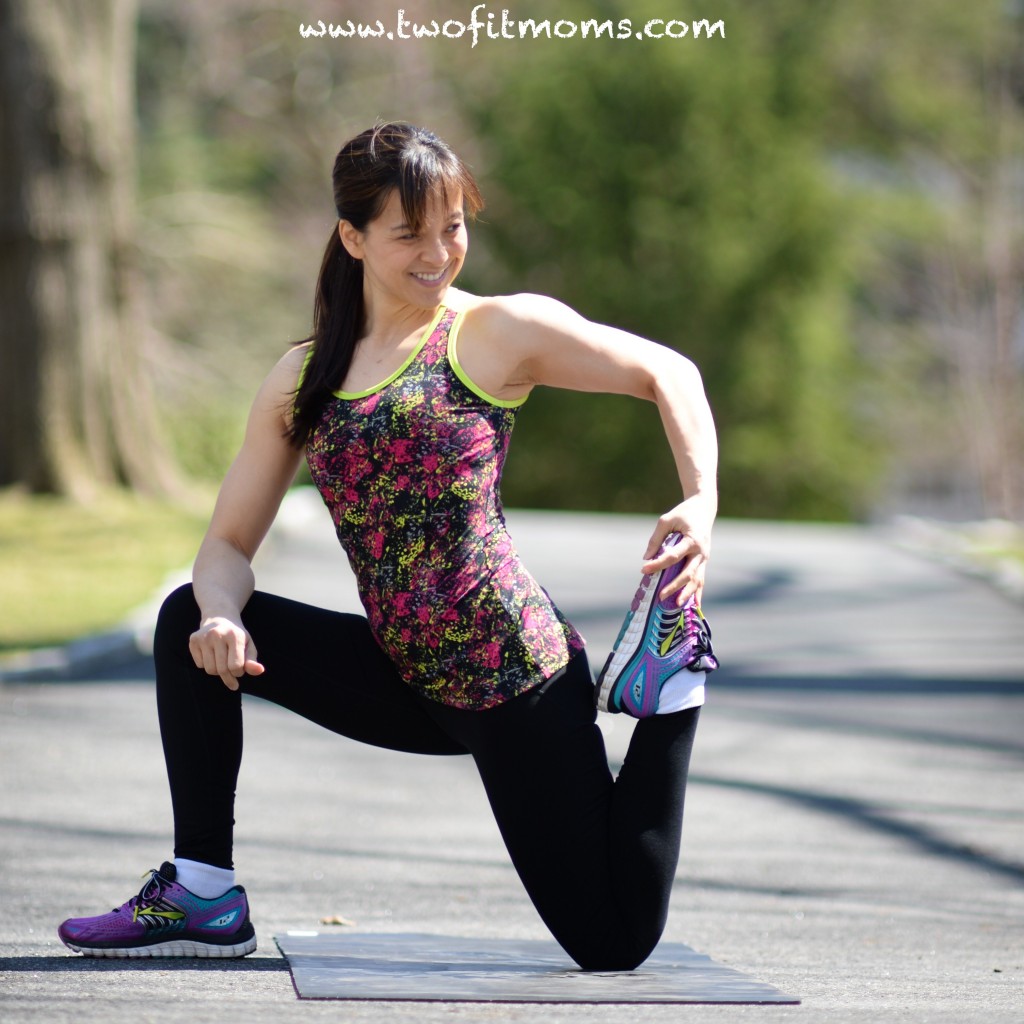
    Get into the habit of moving your body each day. If you are not already in this habit, start out small. You don’t need to start training for a marathon today if that’s not what floats your boat. You can start with a few minutes of push-ups and crunches on your bedroom floor. You can go for a walk. You can attend a yoga class or go for a bike ride. You can go to the gym or jump rope in the park. The possibilities are endless, and you don’t have to start with an overwhelming exercise regimen. Lay the foundation by building healthy habits. Once the habits are established, continue building upon them.Move