Category: Wellness

  • Women’s Health Spotlight: Get in the Know about Endometriosis

    Women’s Health Spotlight: Get in the Know about Endometriosis

    As we get older, we’ve come to realize that so many of our friends, our peers are suffering with pain. Oftentimes, they are suffering silently. Their symptoms are misunderstood by their friends, family and, in many instances, their doctors. Not feeling well is frustrating, and even more frustrating is not being able to pinpoint why you don’t feel well.

    So, while uncharacteristic, this month we wanted to offer some insight and education on a commonly misunderstood disease — endometriosis. It happens to be perfect timing as March is Endometriosis Awareness Month.

    Endometriosis affects approximately one in ten women in the United States.  Yet, according to a recent survey conducted by HealthyWomen – the nation’s leading independent health source for women, less than a third of women correctly recognize all the painful symptoms of endometriosis, including: painful urination, painful bowel movements, and pain during sex. In addition to the general lack of awareness around symptoms, there’s a lack of conversation among those impacted by the disease and clear miscommunication around the illness amongst the medical community.

    The survey shows that two-thirds of women respondents know someone who has endometriosis, but the majority say they rarely speak to friends or family about pelvic pain. However, the most disturbing finding was the general dismissiveness of the healthcare community as nearly half of women respondents who identified themselves as diagnosed with endometriosis were told by healthcare professionals that their pain was simply “part of being a woman,” or had their symptoms described as “normal.”

    So, today we want to start a conversation about endometriosis and raise awareness of the disease to arm you with the information you need to determine if you may be suffering from this illness.

    What is Endometriosis? 

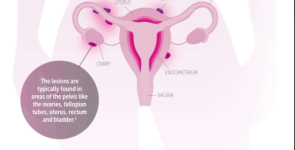
    Endometriosis occurs when tissue similar to that normally found in the uterus begins to grow outside of the uterus, leading to long-term pelvic pain (during or between periods), pain with intercourse and other painful symptoms. These growths are called lesions and can develop on the ovaries, the fallopian tubes or other areas near the uterus, such as the bowel or bladder.

    What are the symptoms? 

    Here are some of the leading symptoms:

    • Painful menstrual cramps, which may get worse over time
    • Pain during or after sex
    • Painful bowel movements or painful urination during menstrual periods
    • Pain in the intestine or lower abdomen
    • Heavy menstrual periods
    • Premenstrual spotting or bleeding between periods

    For a more complete list of symptoms visit: MEinEndo.com

    Is there a cure? 

    There is no cure for endometriosis and the associated pain is currently managed with oral contraceptives, progestins, danazol, nonsteroidal anti-inflammatory drugs, opioids and GnRH agonists. In more extensive cases surgical treatments, like laparotomy or laparoscopy, are often pursued but may be not curative for all individuals

    I think I have Endometriosis, what do I do now? 

    We are not doctors, so we can only recommend that you consult your OBGYN.

    However, before your visit make sure to do your homework. Rely on trusted resources like MEinEndo.com and endometriosis.org.

    Conducting your own thorough research and arming yourself with questions is the first step towards diagnosis.

    And, don’t forget, you are your own best advocate when it comes to maintaining your health and wellness, so make sure your voice is heard.

  • 5 Steps Towards Making Your Dream a Reality

    5 Steps Towards Making Your Dream a Reality

    Four years ago, we began sharing our love of yoga on Instagram by posting snapshots and picture tutorials of some of our favorite poses. With young kids at home, we rarely made it out to attend classes at yoga studios, but we loved to practice at home. We had a passion for connecting with others and sharing whatever we learned on our mats, so we posted photos often and helped build a virtual yoga community. We hoped to be able to reach a larger audience one day, and seeing that dream come true through our relationship with Gaiam has been a surreal experience.
    TFM-74_IG
    Last month, we realized another one of our dreams as we launched the Two Fit Moms apparel line with Gaiam.

    We want YOU to dream big too! So, in keeping with this theme, here are five things that we believe have helped us, and will help you, as you set on your path towards making your dreams a reality.

    Think Positively: You need to believe it in order to achieve it, so the first thing on your list should be to create a positive affirmation. If you don’t believe in you, no one else will.  Create your own personal mantra that you come back to time and again – especially when your faith in you falters. Consider starting and ending your day with this mantra. “I am strong, I am confident, I can achieve my dreams.”

    Fake It, Until You Make It: You need to walk the walk and talk the talk – even if you don’t believe it at first. If your goal is to run a marathon one day, start playing the part of an athlete! Even if you are out of shape, you can start eating well, drinking water instead of sweetened beverages and committing to a daily walk. You need to believe in your dream, in your ability to achieve it, and you may need to adjust your mind and your actions in order to realize it. Live your mantra.

    Be Resilient: Recognize that your dreams may change, they may take longer to achieve, they may require more work, or a partner or more resources. Being open to change and able to adapt to it will be important. Things don’t always work out the way we would like, so being able to land on your feet is key.

    Ask for Help: Much of achieving a dream rests on you, but don’t be foolish. Ask for help. Look for guidance from others who may have insight or experience that would be helpful and valuable to you.

    Return the Favor: Don’t take your opportunities for granted. Remember where you came from, be modest, be thankful and give back. Be a source of inspiration, and share your experience so that you can encourage others to start on their path to achieving their own dreams.

  • The Key to Getting Kids Involved in Yoga (or any activity)!

    The Key to Getting Kids Involved in Yoga (or any activity)!

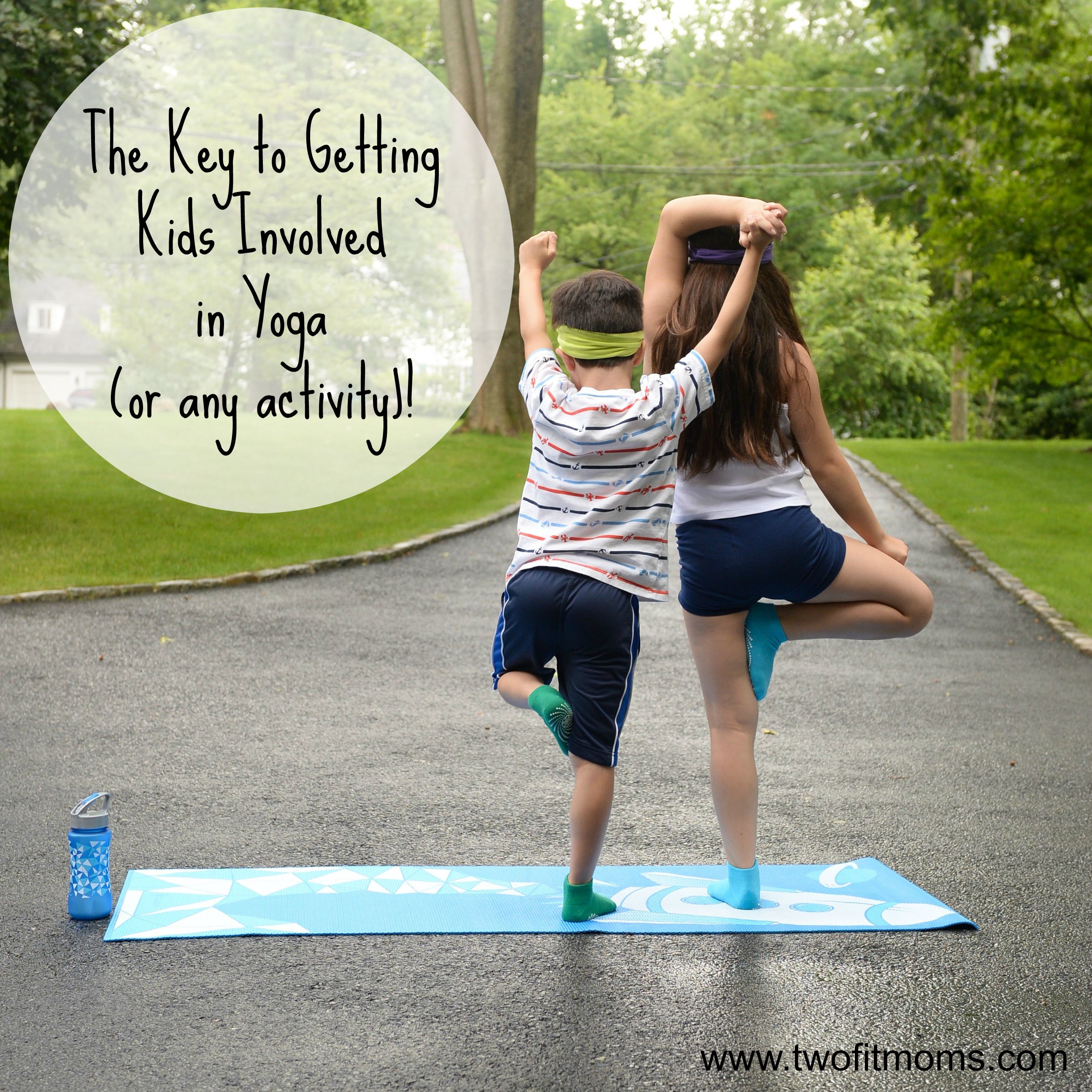
    If you are a parent of young children, you may have noticed that kids are naturally inclined to want to try any activity that you are participating in — whether it be an every day household task or your exercise routine.

    KidsyogabannerTheir attention span varies, however, and, oftentimes, it’s very short.  So, what’s the best way to keep them engaged in an activity?  Give them ownership — their own part/role in the process, their own gear/tools.  If you make them feel like they own the activity, they will be more interested in not only participating, but completing the activity.

    Case in point. . . Recently we received a delivery of some nifty kids yoga gear.  All three sets of kids (seven in total . . .) were very interested.  However, speaking for myself, my daughters completely flipped over this gear — there were mats, headbands, water bottles, yoga grippy socks — all specially made for kids.

    The mats were rolled out in my living room.  The girls’ headbands were on and they were ready to get their yoga on – or at least pretend to teach yoga to each other.  It was very cute.  While they were not actually practicing “yoga” it showed me that if you give them their own gear — their own ownership over the process — they are more likely to get involved and stay involved in the activity.

    So, while purchasing kids yoga gear may not be a priority for you and your family’s budget, it may be something to consider if you are trying to get your kids involved in some physical activity.  You don’t necessarily have to purchase new — you can hand down your gear.

    This concept holds true for any activity. For example, if you are trying to get them to cook, give them their own apron or kitchen tools.  If you are trying to get them to clean, buy them a vacuum – okay, well, this may not work LOL . . .

    The super cool yoga kids mat and gear in the photo above is from Gaiam

  • #1 Tip for Finding Time to Exercise

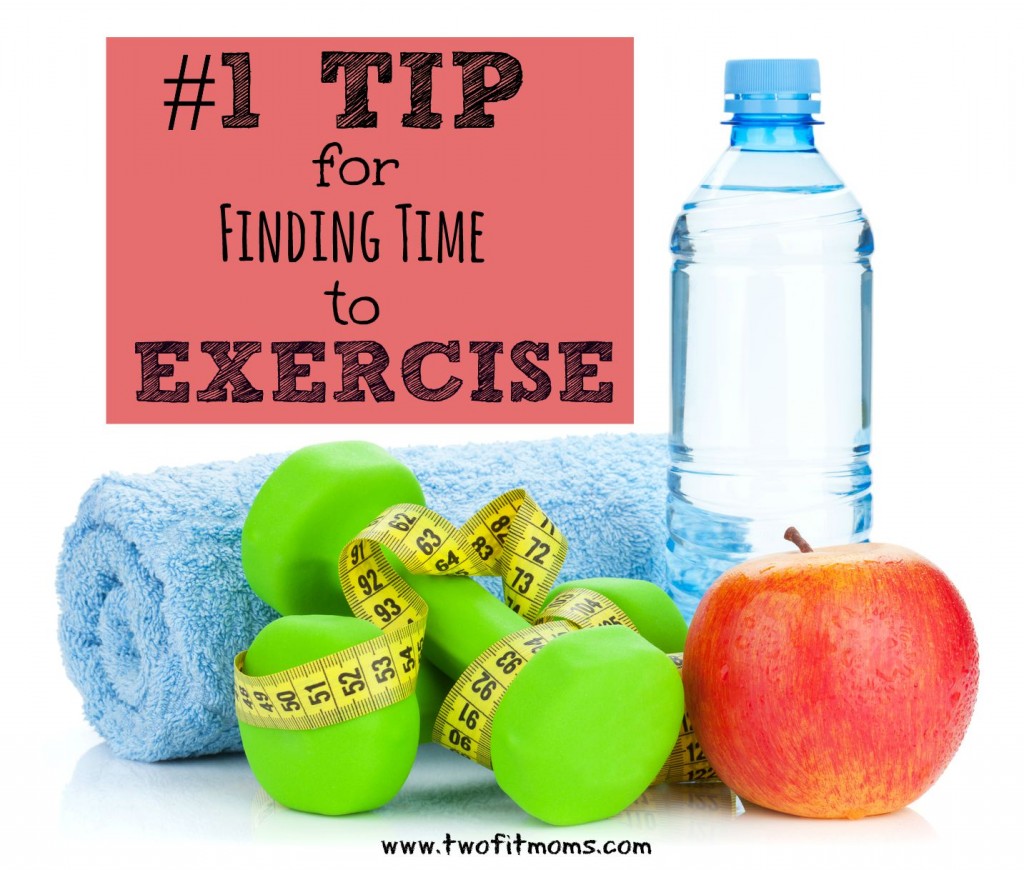
    #1 Tip for Finding Time to Exercise

    I know it’s a struggle to find time to exercise. It doesn’t seem to matter if you are a new mom or a college student—the day feels like a never-ending cycle of tasks that must get done, and working out doesn’t always cycle to the top of the task list.

    I have a tip for you that will change the way that you approach exercise. You WILL find time to workout. You might even laugh at the simplicity of this piece of advice, but hear me out. FindingTimeI’ve managed to exercise during periods of my life when I was working 90-hour weeks in an office, and I’ve also managed to exercise when I was a sleep-deprived new mom.

    Here’s my tip for you:

    Find time to exercise by prioritizing your workout above all of your non-negotiable, must-do tasks.

    What do I mean by this?

    Well, we all have a list of items on our to-do lists that MUST get done. Paying bills is a good example. It doesn’t seem to matter how short on time you think you are, you somehow find time to pay the electric bill and the mortgage every month. You also find time to bathe. You find time to buy food and toilet paper. These are examples of non-negotiable tasks.

    If you are a new mom at home and use your baby’s precious naptime to pay bills, your workout will never happen. Before you know it, the baby will be awake. BUT, if you exercise during naptime, not only will you somehow manage to exercise, but you’ll also find that your bills manage to get paid before their due dates, too. It’s a mini miracle. You will find new time that you never realized that you had by squeezing in your workout before doing the must-do tasks.

    This phenomenon reminds me of the tedious process that I used to experience when writing a paper for school.  If I allowed myself a month to work on it, I would use the whole month.  If I only allowed myself a week to work on it, I would get it done in a week.  There was no option to not get it done, and I seemed to work with whatever amount of time I had, even if it was a minimal block of time.  Fitting exercise into my life along with other obligations works the same way.  Even if I think I’m too busy to exercise, if I just go ahead and do it, all of the other necessary tasks in my life still manage to get done.

    Besides the obvious human needs that we all have, non-negotiable tasks will vary from person to person. You need to determine what your must-do list is, and whatever it is, place exercise ahead of the items on that list.

    The reason why you are not squeezing in a workout as it stands right now is because you do not consider exercise to be a non-negotiable activity. Make it one. In the beginning, your workout may only be 15 minutes long because your life is so busy. Who cares? Build the habit today. If you build the habit now, you will automatically increase the length of your workout when your schedule allows for it. Right now, 15 minutes may be as good as it gets, and that’s just fine. Commit to a program, even if it’s brief, and fit it into your life like a non-negotiable meeting.


  • Advice from a Tree: Looking for Unexpected Sources of Inspiration

    Advice from a Tree: Looking for Unexpected Sources of Inspiration

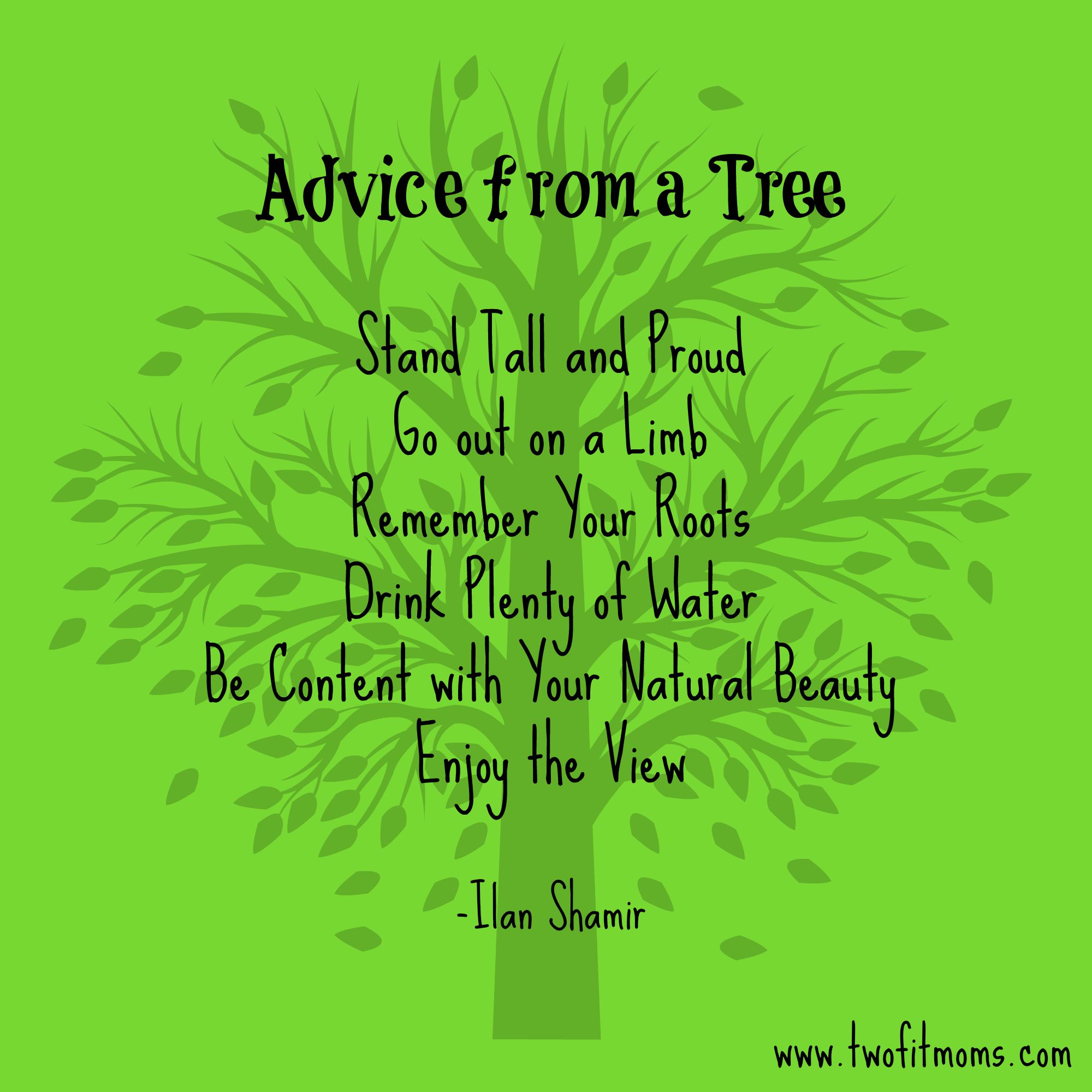
    I stumbled upon this verse from Ilan Shamir called “Advice from a Tree.”  I love how our stature, our sense of self and beauty, our nutrition and our perspective on life can be compared to a tree’s existence.

    It really struck a chord, so I wanted to share it with all of you.

    AdvicefromTreeUpdateWe draw wisdom from all different sources — but maybe we should look more closely at nature for inspiration and guidance on living.

  • Understanding Your Eating Style

    Understanding Your Eating Style

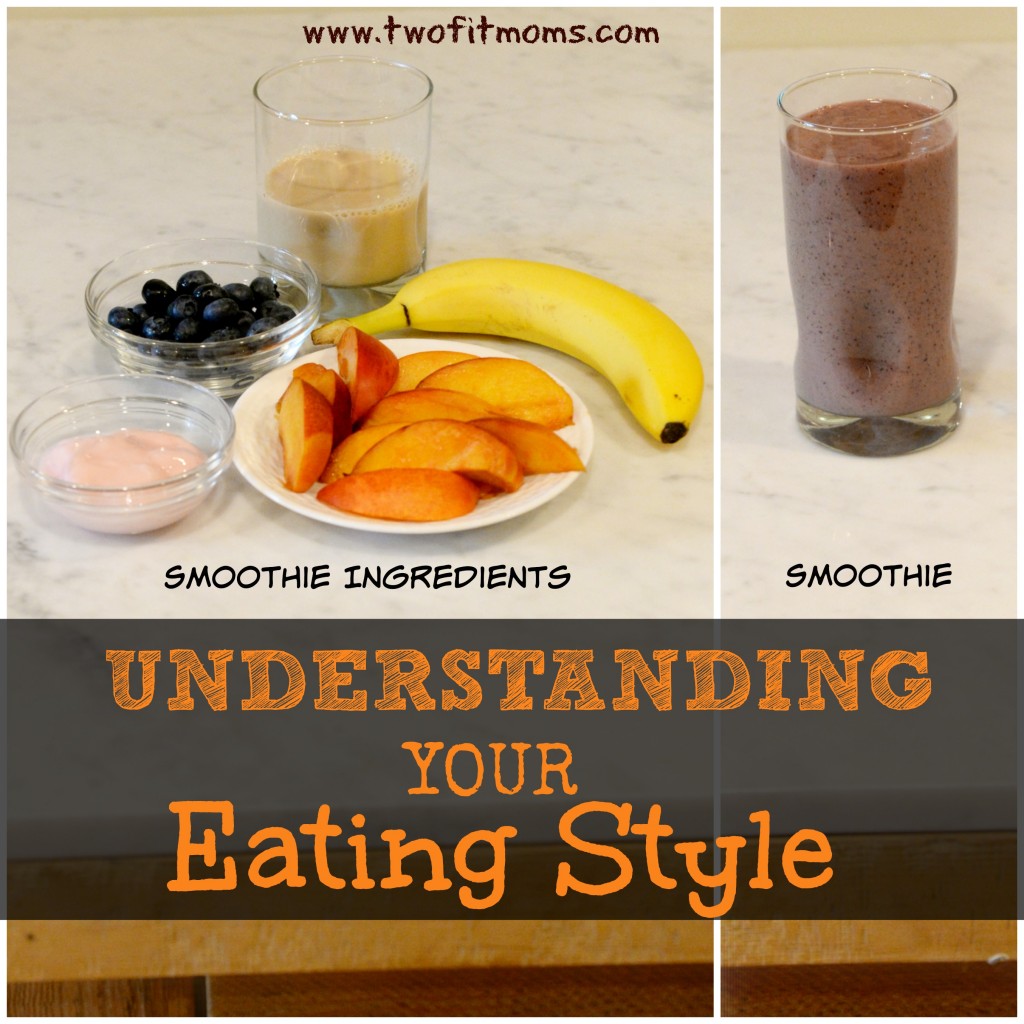
    Most mornings, I wake up and make a smoothie for my kids. It sounds like a simple and quick breakfast, but in my house, nothing is that simple. My kids don’t consider a smoothie to be a meal. Once I hand them their smoothies, they ask me what else I’m making.

    The smoothie, in their minds, is just a drink—an accompaniment to their meal, and not a meal on its own. So, each morning, I make smoothies along with scrambled eggs or pancakes or something else that they consider to be a real meal.EatingStyle

    BUT, if I placed all of the smoothie ingredients onto the table and announced that breakfast was served, I bet that my kids would laugh in disbelief at the quantity of food before them. Look at the ingredients in this morning’s smoothie: nut milk, blueberries, a whole banana, a whole peach, and a quarter cup of strawberry yogurt. They would say that they couldn’t eat all of that food in one sitting. It doesn’t cross their minds that they DO eat all of that food in one sitting (in addition to the “real” meal that I’ve prepared).

    This got me thinking…

    How many adults go through the motions of either buying a smoothie or blending one at home each day without any appreciation for the significant quantity of food that they are consuming? Perhaps some adults realize it. My husband happens to be one of those people, which is why you’ll never see him eating plates of fruit and yogurt and milk. He’s not a big breakfast eater, and the thought of eating plates of food first thing in the morning is just too much for him. A smoothie, which hides all of the bulky volume of fruit, is a perfect solution for someone like him, who would otherwise not eat breakfast at all. He knows he’s getting all of the benefits of fruits, vegetables, nut butters, etc., without actually having to sit down and eat all of that food with utensils.

    I happen to be on the other end of the spectrum. If I choose to drink a smoothie for breakfast, I am looking for snacks within an hour, even if I’m not actually hungry. I am like my children, and my brain interprets the smoothie as a drink, not a meal. I would much rather see an abundant breakfast in front of me—a breakfast that I can chew and savor, rather than gulp down. I don’t care about the convenience of having a smoothie in a cup that can travel from the home to the car. I’d much rather sit down with multiple plates and bowls of food to taste. Eating the individual ingredients of the smoothie would be a much more satisfying experience than drinking the blended version of those same ingredients.

    If you are working towards healthier eating habits, it’s SO important to understand your thought processes surrounding food so that you can tailor your meals and snacks to complement your tendencies.

    Eating mindfully is key.

    If you are wondering whether smoothies are a good breakfast option, ask yourself these questions:

    -Am I a volume eater? Do I like having lots of food in front of me?

    -Do I need various textures of food to feel satisfied?

    -Can I be satisfied with a liquid meal?

    -Am I better off eating the unblended ingredients of a smoothie in whole form? Do I prefer liquid meals? If so, why? Does convenience and portability have anything to do with my preference for smoothies?

    If you answer each of these questions and really consider how and why you think the way you do, you can begin to understand why you eat the way you do. Once you get a handle on why you eat the way you do, you will become more mindful of your food choices and begin to develop healthier eating habits.

    In the past, I’ve touched upon the subject of different eating habits. Not everyone has the same approach to eating, and that’s okay. Just becoming more mindful of your own approach and your own inclinations can help you figure out how to create healthy habits that will work for you.


  • Why Naked is Better

    Why Naked is Better

    A few years ago, I had a fabulous pink bikini that fit well and felt great. Yesterday, I put that same bathing suit on, and I noticed that my skin bulged around the elastic. I felt lumpy and bumpy and became quite critical of myself as I stared at my reflection in the bathroom mirror.

    Here’s an interesting point— I don’t remember the last time I passed judgment on my naked body. I only began judging my body yesterday afternoon when it was clothed in a swimsuit. Without the constraints of clothing, there was no pinching or squeezing or reason to doubt myself. It was only when I shifted the framework and added the constraint of clothing that my thoughts became negative.

    This got me thinking—How freeing it would be to just enjoy the stripped down version of EVERYTHING in life—without a framework for comparison.

    Think about it: You feel good about your accomplishments…until you shift your framework and begin comparing those accomplishments to someone else’s. You feel great about your morning run…until you realize that it took you four minutes longer to run the same route that you ran last week. You feel great about your body until you try to squeeze it into skinny jeans. If only we could always just enjoy life as it hits us, in its raw, naked form, without judgment, WE WOULD BE FREE!

    Here are some tips to free yourself:

    -Life is too short for ill-fitting clothes that make you feel like crap. Have you gained a few pounds? Fine. It happens, and you’ll deal with it, but there’s no reason to walk around feeling self-conscious. You should feel confident because you are worthy. Buy a few items that fit well and make you feel like the rock star that you are.

    -Try going for a run, going for a bike ride, or doing whatever it is that you like to do as part of your fitness regimen, and do it without timing yourself. Jog until you don’t feel like it anymore. Slow down if you want to. Speed up if that feels good. Lift some weights without counting reps. Elevate your heart rate for as long as it feels invigorating, and then stop. Of course you should challenge yourself and set goals, but once in a while, strip it down to the basics: Enjoy moving your body just because you can.

    “Keep your eyes on your own paper.” Did every elementary school teacher say that before a test? At the end of the day, when you glance at someone else’s work, you just end up cheating yourself. Stop comparing. Your life experience is yours and no one else’s. Don’t take the joy and pride out of your accomplishments because the guy next to you seems to have done more.

    Practice yoga in solitude. This idea is an extension of the “keep-your-eyes-on-your-own-paper” theme. The energy of a yoga class is amazing, and you shouldn’t give it up, but too often, we are distracted by the abilities of those around us. We begin to judge our own yoga skills and wonder if we are strong enough or flexible enough to keep up. By practicing alone, you will learn to keep your eyes on your own mat and build a practice that you love, without negative judgement.


  • Small Steps, Big Results: Tips for Living with Less Sugar

    Small Steps, Big Results: Tips for Living with Less Sugar

    Whether you are of the Def Leppard generation or the Maroon 5 generation — there’s no question that love and sugar are synonymous.  There’s good reason why pop bands equate love with sugar.  It’s sweet and addictive — and like love, we find we can’t live without it.
    white sugar
    However, Americans are consuming way more sugar than they should.  According to the American Heart Association, Americans eat about 20 teaspoons of added sugar a day, according to a report from the 2005–10 NHANES (National Health and Nutrition Examination Survey) database. Added sugar is the sugar added to food during preparation, processing, or at the table. It does not include naturally occurring sugar, such as fructose or lactose, which are found in fruit and milk. Teens and men consume the most added sugars. Average daily consumption for men: 335 calories, women: 230 calories, boys: 362 calories, girls: 282 calories. The American Heart Association recommends that no more than half of your daily discretionary calorie allowance come from added sugars. For most women, this is no more than 100 calories per day (about 6 teaspoons); for men, it’s no more than 150 calories per day (about 9 teaspoons).

    So, clearly we have some work to do, but how do we break our love affair with sugar? Well, we have a few suggestions based on personal experience . . .

    Here’s our list of six things you can do to make the break from sugar:

    – Revamp your morning coffee or tea. I used to add sugar to my coffee, but last year, I stopped.  Cold turkey.  It was tough, but I did it, with the help of my Aerolatte (frothed milk made a big difference for me!).

    – Drink water (flat water, mineral water or seltzer).  No soda, no juice, nothing with added sweeteners.  Add a little fresh lemon or lime or infuse with berries or cucumbers if you long for some flavor.

    – If you must use a sweetener, replace refined white sugar with natural sugar sources like honey, maple syrup or brown rice syrup in your baking and cooking. I now sweeten my Banana Bread with maple syrup and use it to replace the white sugar in other desserts like Blueberry Crisp and Apple Clafoutis.

    – Sweeten with fresh fruit. Overripe bananas are the main source of sweetness for my Banana Maple Walnut Ice Cream. They are a great sugar replacement.  Fresh fruit can also be used to sweeten plain yogurt or regular instant oatmeal.

    – Make your own salad dressing. Processed salad dressings (and most condiments) include a lot of added sugar. Consider making your own quick vinaigrette which relies on the sweetness of balsamic vinegar – try the herbed vinaigrette that we use on our Grilled Vegetables.

    – If you find that you can’t eliminate white sugar completely, consider cutting your usage in half. Rather than adding 1/2 cup of sugar to your recipe, drop it down to 1/4 cup. Oftentimes, recipes call for more sugar than necessary.  Start experimenting to see where you can cut the amount of sugar.

    These are just a few suggestions to help you on your way to reducing or eliminating sugar altogether.  You will find that once you start reducing your sugar intake, you will need way less to satisfy your sweet tooth.


  • Overcoming Perfectionism

    Overcoming Perfectionism

    Today, I looked out the window and decided that it was going to rain. And then the sun came out, and I decided that it wasn’t going to rain anymore. And then it rained again. And then it stopped. And then it started again. (It’s actually a bit humorous, now that I’m re-reading what I’ve typed here.)

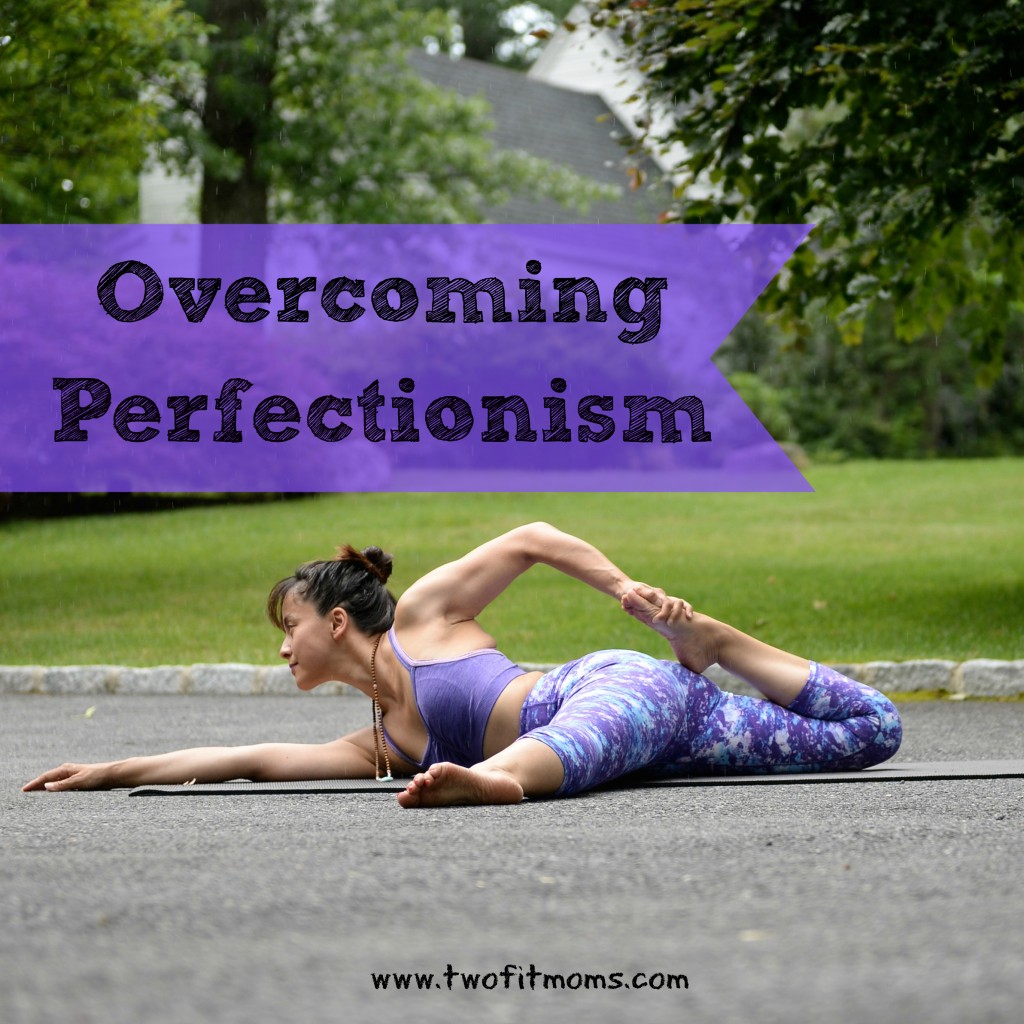
    I stuck my head out the front door to check the temperature. It was hot and humid…typical summer weather in New Jersey, and perfect for stretching and yoga. I briefly considered going outside to practice in the heat, but I changed my mind when I looked up at the sky and saw dark clouds. Conditions weren’t perfect, and I could imagine slipping on my mat in the rain, and hurting myself. Who needs an injury on top of the searing pain that I already have in multiple joints?OvercomingPerfectionism

    I looked outside again. The sun was shining and the rain stopped. This was getting absurd. This time, I decided to head out to my driveway to practice. I started with a few rounds of sun salutations, some hamstring openers, a quick flow, and then I rolled onto my side, and got into one of my favorite yin yoga poses (Cat Pulling its Tail Pose), and I settled in for four minutes. Not even 30-seconds into the pose, the sky opened up, and it started to rain. I lifted my head (as you can see in the photo) and looked around. Yes…yes, it was raining. And that was really all I had to say about that. I put my head back down onto my upper arm and continued to stretch. The world was not ending, and I got through my practice in the rain.

    So, what does this story have to do with you? Well, I’m guessing that I can’t be alone in this— I waste vast amounts of time, waiting for conditions to be perfect before taking action. I am reminded today that conditions don’t have to be perfect to take action. It’s so easy to get bogged down and remain stagnant while waiting for all of the right circumstances to fall into place.

    Stop waiting for conditions to be perfect!

    Stop placing expectations on how things SHOULD be.

    Learn to act today, embracing what IS.

    You can thrive in the current environment, and you don’t have to wait another minute, waiting for the stars to align.

    Today, I expended unnecessary mental energy, trying to decide whether I should practice outside. All along, the answer was yes, I should practice outside, and once I’m out there, I’ll know how to adjust my plan if necessary. No, it wasn’t perfect, but I got something done.

    Ask yourself if you’re holding yourself back in some part of your life because you are waiting for perfection.


    -When it comes to your diet, are you giving up on healthy eating for the rest of the day because you “messed up” at breakfast and ate three doughnuts? Are you waiting for tomorrow to start over because you need a clean slate? Why do you need to wait for conditions to be perfect? Can you overcome your desire for perfection and just get started right now?

    -When it comes to exercise, are you skipping it altogether because you only have 15 minutes? Have you convinced yourself that a full hour is the ideal workout length, and 15 minutes isn’t worth your while? Ask yourself why you need this perfect amount of time to workout. Can’t you begin to make a difference in your life with 15 minutes a day?


    Life is rarely perfect. Usually, I allocate a solid block of time to write for this website. I don’t whip up my articles in 30 minutes, so if I happen to be very busy or traveling, the articles don’t happen. I spend a ridiculous amount of time trying to convey my thoughts with the right words. The perfect words.

    Today, I don’t have that kind of time to spend on the website, but in the spirit of overcoming my own issues with perfectionism, I’m going to go ahead and post this piece in its rough, unedited form.

    I had two choices when I came inside out of the rain: I could quickly type up these thoughts and share them with you (even though the article is far from perfect), or I could skip writing altogether. In the end, I’m glad I chose to write.

  • Struggle Management

    Struggle Management

    I have been very public about my own wellness journey and the struggles that I have encountered along the way. I’ve posted articles about my diet, my meditation practice, my first experience with acupuncture, and all sorts of other topics that relate to my health. I’ve even posted a bunch of tips to consider after being diagnosed with an illness. What I haven’t done is discuss how I’ve dealt with the emotional toll of being diagnosed with a medical condition. It’s a disconcerting and frightening time, especially at the beginning. Even the most level-headed person can fall into the trap of imagining worst case scenarios and horrific outcomes. It’s not a good place to be. It is far better to be in a place of hope and positivity, and that is the goal—to make your way to an emotionally comfortable place following a medical diagnosis or any kind of life struggle.StruggleManagement

    Your struggle may not be an illness— Maybe you’ve lost your job, or maybe you work three jobs as a single parent to make ends meet. Maybe you’re caring for a sick relative, or maybe you’re overwhelmed at work or stuck in a job that you dislike. Whatever your struggle is, I’m confident that you can manage your way through the muck and live a fulfilling life that feels purposeful and worthwhile.

    Here are my top tips for helping you navigate the choppy waters. This is how I’ve dealt with all of the major struggles that I’ve faced in life, and I hope you can find inspiration here to continue moving forward.


    1. Determine what good can arise from the situation. This is a tough one, but I believe it’s a necessary step in overcoming any challenging circumstance. You might have been dealt a terrible hand, but you need to play it. Your situation may be painful and seem insurmountable right now. It might be difficult to imagine anything good coming out of the struggle, but try to make a list. Can there be any purpose in the pain? Will this struggle help you prioritize what is truly important in life? Will you live each day with more clarity and purpose because you are being faced with this struggle? Will you be able to advocate for others with a strong voice as a result of facing this situation yourself? Will your struggle force you to slow down and find beauty in simple everyday acts? Will you overhaul destructive habits and adopt a healthier lifestyle as a result of your struggle? Will you help your family become stronger as a result of them witnessing your strength during this trying time? Make a list, and see that goodness can flow right out of a not-so-good situation.


    1. Maintain a positive attitude. This tip goes hand-in-hand with the previous tip. You must change your thinking. Once you can find purpose in your struggle, or at least something positive that might arise as a result of your struggle, it becomes easier to stay upbeat. Yes, you need to mourn whatever it is that you’ve lost (your good health, a family member, your life savings, your job, etc), but you can’t stay in a deep dark place forever. You have a choice to send positive energy or negative energy out into the world, and I know that you can keep it positive. Remind yourself often that you are strong and capable. Remind yourself that the mind is a powerful tool. You can convince yourself that you are too tired and too weak to overcome your circumstance or you can create a positive environment and talk yourself right into a better mindset where you feel empowered. The choice is yours, and it is up to you to make the right choice.


    1. Take control of your health. There is so much that we cannot control about our health, but fortunately, there is a tremendous amount that we can control. Don’t allow a medical diagnosis to crush your spirit. Don’t give up on your body. Do some research and get inspired by natural remedies and foods that can help you feel better. Regardless of the nature of your current life struggle, you can change your diet, implement a daily exercise program, and begin a regular meditation practice to lower stress levels. You can reduce systemic inflammation, boost your immune system, strengthen your bones and muscles, improve the quality of your skin, and generally feel much better than you’d otherwise feel if you gave no thought to your health habits. Get on the wellness bandwagon. You won’t regret it.


    1. Help someone else. When you hit rock bottom, it’s hard to think about helping someone else. After all, how can you help someone else if you can barely figure out how to help yourself? I understand, and I get it. But I also know that the tendency during a personal struggle is to focus on me, me, me. Yes, it’s warranted, but it’s also healthy to focus on something else that is worthwhile, and something that will also give you a greater perspective on life. Maybe you won’t have the time to volunteer at the local shelter or organize a fundraiser, and that’s ok… but you’re not off the hook. Figure out another way to be of service to someone else. This may be as simple as joining a support group and sharing your experience with someone else going through the same struggle. Sharing your experience and providing your own unique perspective can be inspiring and helpful to someone else.


    1. Sleep. What can I say? I didn’t believe it for a long time, but a good night of sleep can do a lot to transform your state of mind. Feeling blue? Exhausted? Too overwhelmed to even call a friend? Go to bed, and make sure to get plenty of rest. Healing on many levels occurs overnight. It will all seem a bit more manageable in the morning.