Author: Masumi Goldman

  • Banana-Oat Muffins

    Banana-Oat Muffins

    Let me tell you why I love these banana-oat muffins:

    They are quick and easy to make.
    You don’t need to drag your electric mixer out of the cabinet for this recipe.  You just need a big bowl, a whisk, and a good masher—like what you’d use to smash your potatoes.  Making the batter is BananaOatMuffinRecipequick, and 18 minutes in the oven is all it takes to have piping hot muffins on your table.

    They are minimally processed.
    Forget your highly processed pantry items!  No need for white sugar, brown sugar, white flour or flour of any kind.  These muffins are sweetened with just bananas.

    They make use of old brown bananas.
    I can’t handle seeing old brown bananas on my counter top, and there are only so many brown bananas that I can save in my freezer for smoothies.  I love that this recipe makes great use of bananas that are no longer edible.

    They are gluten-free.
    This recipe is gluten-free, so it’s perfect to share with all of your friends.  These days, we all know somebody with allergies, so it’s nice to have a few recipes for baked goods that work for everyone.  If you have a gluten allergy/sensitivity, please make sure you are using gluten-free baking powder.  Your oats should also be labeled as “gluten-free”.  Although oats do not naturally contain gluten, they could have traces of gluten if the oats have been grown next to a wheat field or processed in mill that also processes wheat.

    They are guilt-free.
    All natural ingredients and no added sugar or flour?  I would definitely say that this qualifies as a guilt-free recipe.

    And, they are kid-approved.
    My kids will actually eat these muffins.  I usually sprinkle a few mini chocolate chips on the top of a few of the muffin tins before baking.  It adds a little sweetness and feels like more of a treat.  Feel free to add your own toppings like blueberries or coconut!

    Preheat oven to 400 degrees.

    Ingredients:

    2 ½ cups old fashioned oats
    2 eggs
    3 brown bananas, mashed
    1 ½  teaspoons baking powder
    ½ teaspoon baking soda

    Mix all ingredients together, and divide into 12 muffin tins. Bake for 18 minutes.

  • Our Favorite Veggie Chili

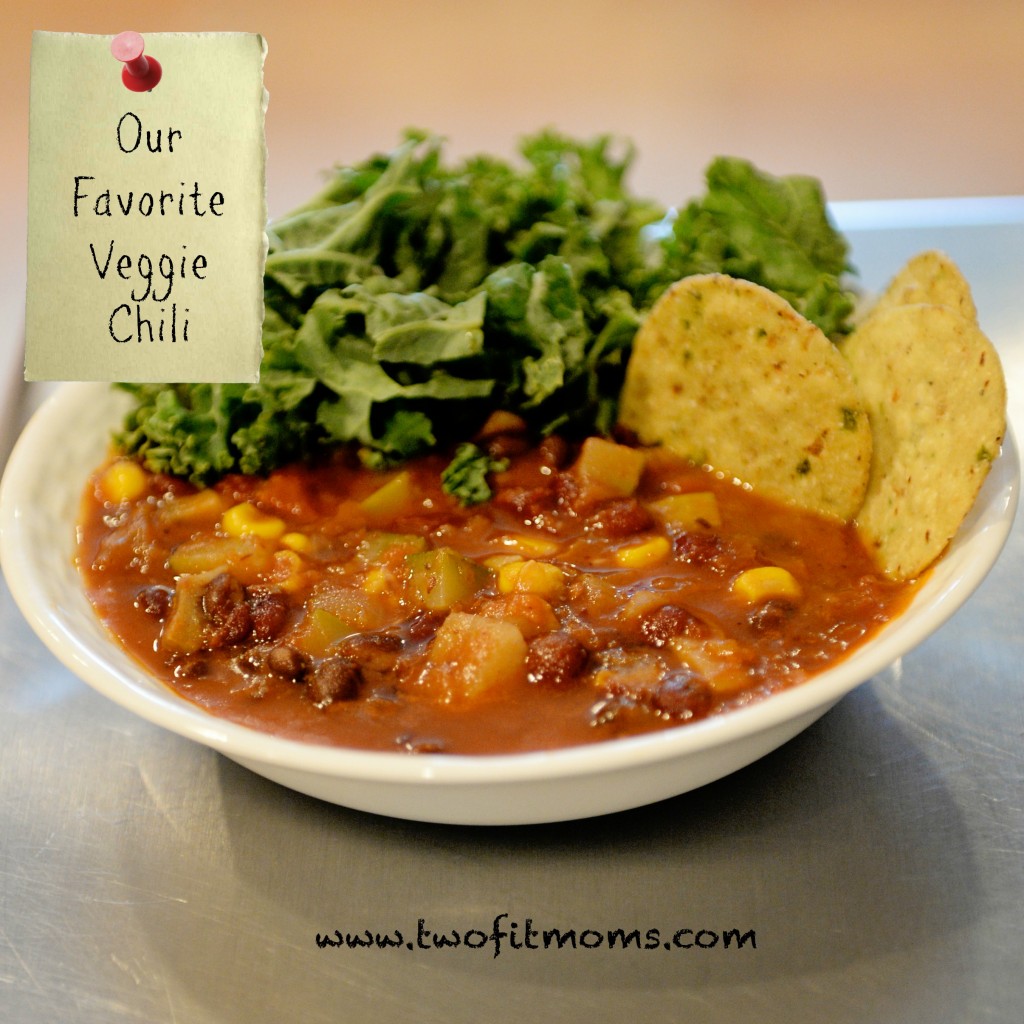
    Our Favorite Veggie Chili

    The snow is falling here in Northern New Jersey. The kids are home from school, the fireplace is lit, and there is a delicious pot of veggie chili simmering on the stove. On a cold day like this, I look forward to warm, cozy, comforting foods. This particular recipe really hits the spot. I first had this chili at a friend’s house, and now it’s been passed down to me, slightly doctored, and now, passed on to you. Enjoy!

    VeggieChili


    Serves 6

    What’s great about this chili is that you can control the spice.  I used half of a seeded jalapeño, but you can certainly use the whole pepper, plus seeds, if you like the heat. You can also add more or less chili powder and cumin depending on your liking. And, feel free to substitute veggies — make the recipe your own!

    2 tablespoons olive oil
    1 large yellow onion, diced
    3 garlic cloves, minced
    ½ jalapeño pepper, finely diced
    1 tablespoon of chili powder
    ½ teaspoon of dried cumin
    1, 10 oz package of white button mushrooms, diced
    1 zucchini, diced
    1 large russet potato, diced
    2 15-oz. cans of black beans, rinsed
    2 15-oz. cans of kidney beans, rinsed
    1 28-oz. can of crushed tomatoes
    2 cups of water
    2 tablespoons maple syrup
    1 teaspoon kosher salt
    1 cup of frozen organic corn
    2 cups raw kale, chopped (garnish)

    Add olive oil, onion, garlic and jalapeño to a pot under medium to low heat. Cook until the onion is translucent.  Add the mushrooms, zucchini, potato, chili powder and cumin.  Sauté the ingredients until the potatoes are tender.  Add the beans, crushed tomatoes, 2 cups of water, maple syrup and salt.  Cover the pot, reduce heat to low and cook for 30 minutes (or all day).  Add the frozen corn and cook for another 5-10 minutes.

    Serve the chili warm over chopped raw kale.


  • Headstands 101…Continued

    Headstands 101…Continued

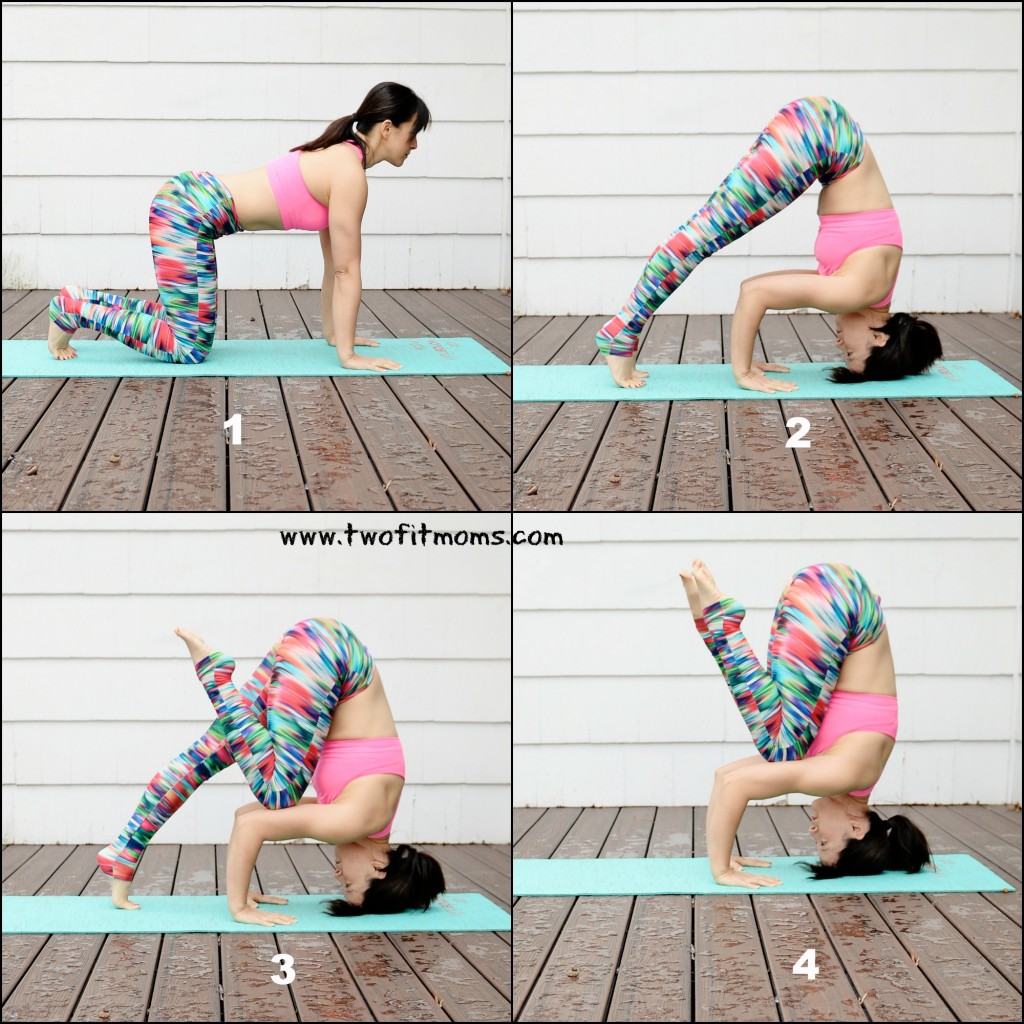
    Last week, I posted a tutorial for a basic tripod egg headstand. If you missed it and would like to join in on the inversion fun, please click HERE to get started.

    If you’re still reading, I will assume that you’ve managed to get through the first Headstand 101 article and perform your first inversion. Congratulations! Getting yourself to this point is significant—I know many of you had to overcome fears and put aside a mountain of self-doubt, but here you are, experiencing success.

    TripodEggCollage

    In this tutorial, I will guide you through the remaining steps to get yourself into a full, tripod headstand with extended legs. Let’s get started.

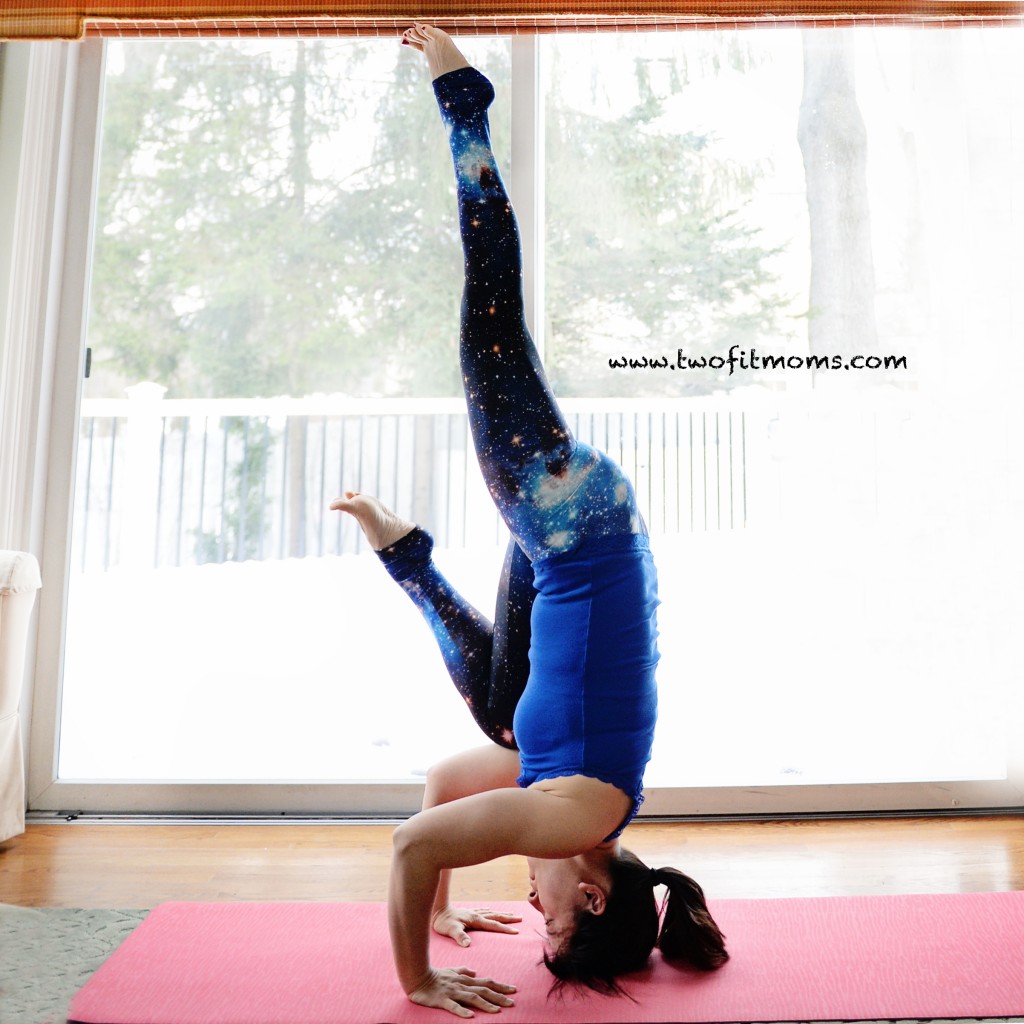
    From your tripod egg pose (step 4 in the collage above), engage your abs and begin to shift your weight into your left knee. As you push your left knee firmly into your left tricep, your right knee should feel light on your right tricep.

    Your first goal is to lift your right knee just 1 or 2 inches off of your tricep. If you can manage to do that, lower your right knee, and repeat the exercise on the other side Step1(shifting weight onto the right knee and lifting the left knee a few inches instead). Most people will find this task to feel more natural on one side. Although we traditionally practice both sides in yoga, in these beginning stages of learning a new inversion, I advise you to just work on getting comfortable by practicing on the side that feels more natural.

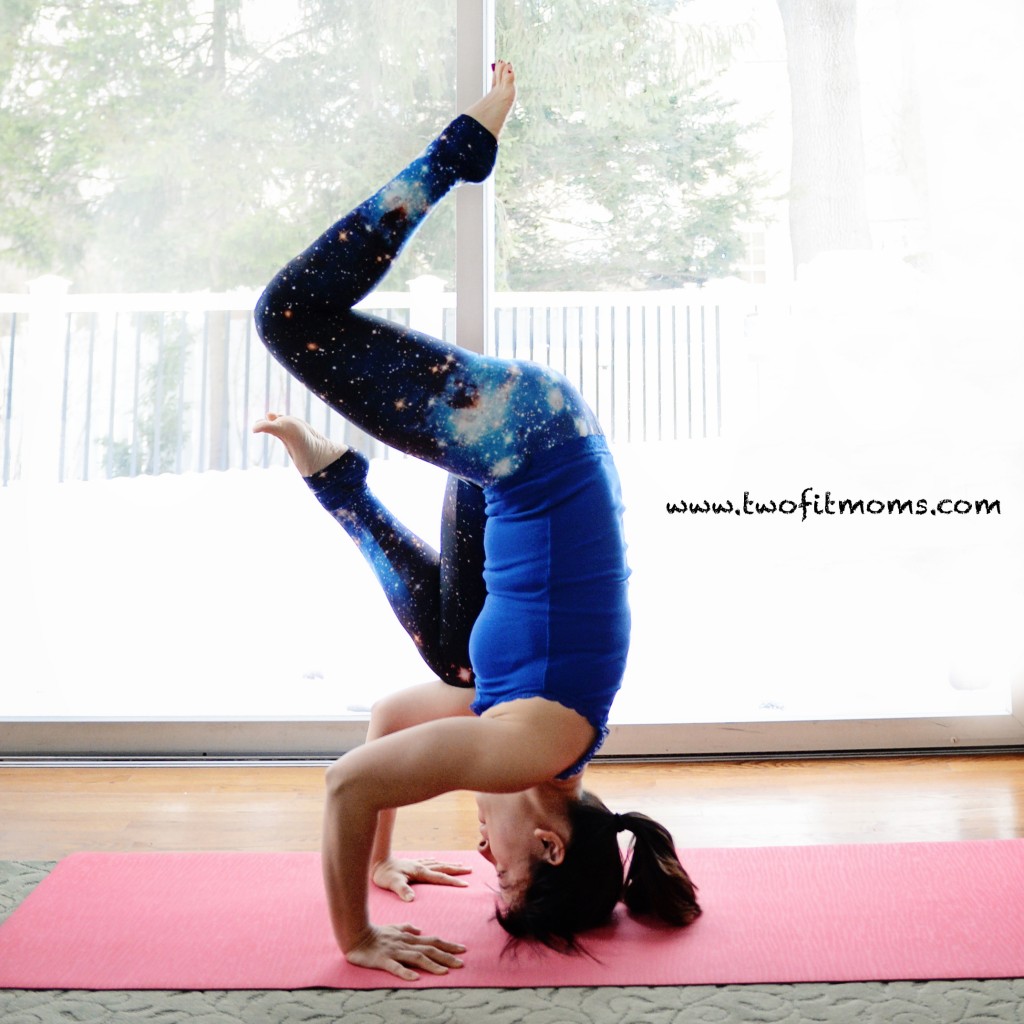
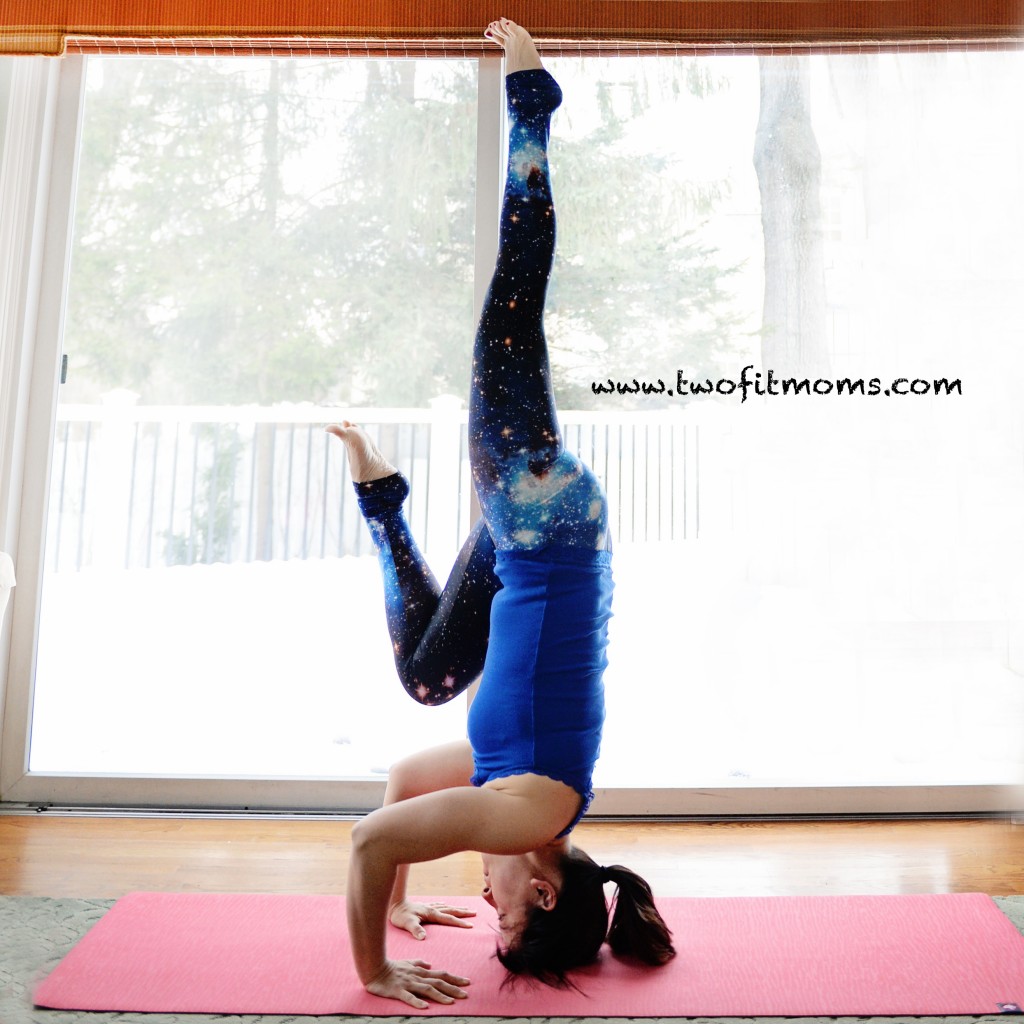
    Once you’ve determined which side feels more comfortable, practice lifting that one knee a few inches at a time into the air. Move slowly, and please resist the urge to throw both knees into the air simultaneously.  Lifting both legs simultaneously adds much more core instability to the pose. For beginners, our strategy is to maintain as much stability as possible by keeping one knee planted on one tricep until the other leg is fully extended.

    Step3

    If you are unable to lift your knee at all, continue practicing the exercise of shifting your weight back and forth between triceps. You will build the strength and stability in due time.  Please do not rush the process by deciding to kick up into a headstand. NEVER kick up into a headstand. Your head and neck are bearing your body weight, and the last thing you need to do is to add the instability and sharp movement of a kick-up.

    If you DO manage to extend one leg into the air, notice whether your body is swaying.  If so, make an effort to engage all of your muscles.  Keep your core tight and energize your extended leg by pointing, flexing or “flointing” your foot.  Flointing is essentially pointing with the ball of your foot—think of Barbie feet that look like they are perpetually in high-heeled shoes.

    Keep practicing your headstand with one-leg extended until it feels stable. Do not move on to the next step until you are comfortable and stable with one leg fully extended.

    Step4

    Before you extend your second leg into the air, run through this checklist in your mind:

    -Is your core engaged?

    -Are you remembering to breathe?

    -Are you flointing/flexing/pointing the foot of your extended leg?

    -Are you making an effort to keep your elbows squeezing in rather than splaying out to the sides?

    -Is your neck nice and long?

    If you’ve answered yes to these questions, slowly begin lifting your second knee into the air. Again, you will feel most stable if you lift in small 2-inch increments.

    Step5

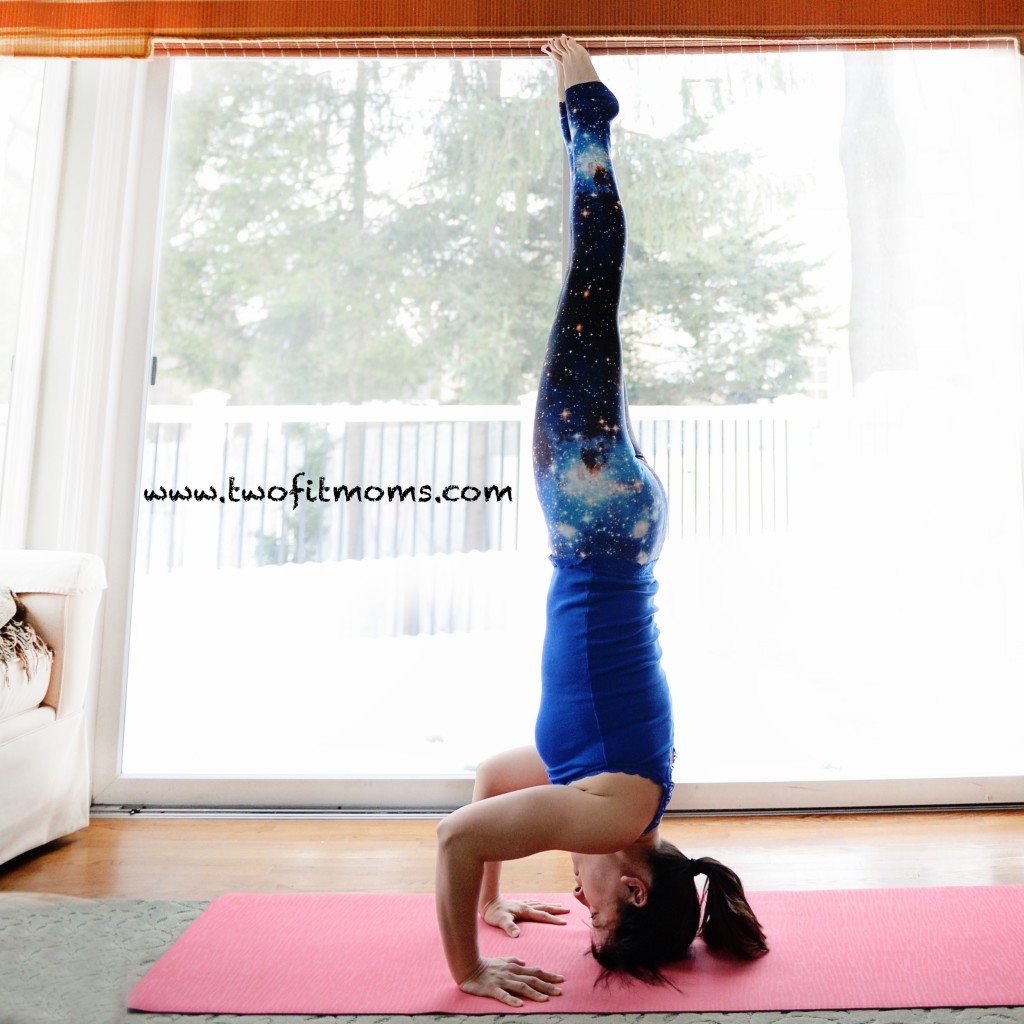
    Lift slowly and maintain an engaged, energized feeling through out your entire body to find stability.  Once you find full extension of both legs, see if you can hold the pose for 5 full breaths.  Congratulations.  You did it!

    Step6

  • My Yoga Bag Essentials

    My Yoga Bag Essentials

    When I roll into class to teach yoga, I look like a pack mule.  I’m not even kidding— I have my yoga mat slung over one shoulder, my portable sound dock hanging over the other shoulder, and my bag YogaBagEssentialsis splitting at the seams with all sorts of items that I’ve deemed necessary to carry into the studio:  a notebook with yoga sequences and dharma talk themes, a stopwatch so that I can keep track of the time while I’m teaching, extra hair ties, headbands, chapstick, tissues, a hand towel, and a bottle of mat spray.  And that’s not even half of it!  While there are many things keeping my bag heavy, there are seven items in particular that keep my soul light and happy.  Let me introduce you to my yoga bag essentials:

    China Gel

    The first necessary item in my bag is China Gel, which Laura and I affectionately call “Yoga Crack”.  Yes, it’s really that addictive, and you need your own jar.  We massage our students with it at the end of class, and we rub it onto our own sore, tired muscles.  It feels hot. It feels cold.  It’s many soothing sensations all at once, and we can’t get enough of it.  You must give it a try yourself.

    Taste Nirvana Coconut Water

    The second necessary item is Taste Nirvana Coconut Water.  I remember the first time my yoga teacher offered me a bottle.  I just finished two back-to-back yoga classes, and I was hot and depleted.  I was not a fan of coconut water, but my teacher assured me that it was not like any other coconut water that I had tasted.  She was right.  I took my first sip, and that was the beginning of my love affair with Taste Nirvana.  It was refreshing and delicious, and surpassed all of my expectations.  I wish I could adequately describe how much I love this stuff.  If you’ve convinced yourself that you don’t like coconut water, try Taste Nirvana, and you will change your mind.  If you love coconut water, you are in for an amazing treat.

    Bobble BPA-Free Water Bottle with Built-In Filter

    The Bobble is a reusable water bottle that filters contaminants from the water as you drink.  The filter, which comes in lots of cool colors, is good to go for 40 gallons (or about two months of use).  Forget about buying individual bottles of spring water at the supermarket and try a Bobble.  I have multiple Bobbles that I keep in various bags and locations so that I always can drink tap water without stressing.

    Yogitoes Skidless Mat Size Towel

    I thought my yoga mat had a great non-slip grippy surface until I took my first hot yoga class.  I was sweating like a beast, and my hands and feet were slipping in basic poses like downward facing dog.  My teacher recommended that I use a non-slip yoga towel on top of my mat, and that suggestion made all the difference.  Once you start sweating, this towel with rubberized grips on the underside makes all the difference.  I stopped slipping!  It was like a mini miracle.

    Brown Rice Crackers

    When I go to the gym, I lose my appetite.  When I go to yoga class, I somehow end up ravenous.  It’s a strange situation, and I don’t understand it, but I embrace it and stock my yoga bag with this particular flavor and brand of brown rice crackers.  These little crackers are so good, and they are the perfect single-bite size to fit right into your mouth. No crumby mess in your car!  I will warn you that you need to exercise a bit of self-control.  It’s hard to eat just a few.  In fact, I eat about half the package in one sitting.  I love the very simple ingredient list, and the product is “Non-GMO project verified”.  It’s also gluten-free, for all of you out there with sensitivities or allergies.

    Women’s Health Big Book of Yoga

    Does anybody else carry books in their yoga bag?  Maybe it’s just me, but I carry books everywhere.  This particular book is wonderful for beginners because EVERY page is covered with glossy photographs of poses, instructions and sequences.  Use it as a reference guide, and use it for daily inspiration.  I LOVE this book.

    Havaianas Flip Flops

    Ok, I will admit it—I am a germaphobe.  Walking around barefoot in the yoga studio makes me cringe.  I can’t handle thinking about the random hair, crumbs, dust and germs all over the floor.  Of course, in order to preserve the sanctity of the room and to keep the floor relatively clean, I do not wear shoes in the studio.  I just try very hard to keep my mind off of my feet.  However, I DO keep a pair of Havaianas flip flops in my bag to slip on to go to the bathroom or to walk in the outer hallways of the studio.  I love these flip flops because they are so thin and light in my yoga bag but sturdy and fashionable.  I have them in all sorts of prints and colors.  Check them out and add a pair to your yoga bag, too.

  • Green Smoothies 101:  Buying the Basics

    Green Smoothies 101: Buying the Basics

    One of the quickest and easiest ways to improve your diet and to start each day with a nutritional bang is to blend green smoothies.  If you are ready to join the green smoothie bandwagon, you will need a few kitchen staples on hand to make this a simple, natural process each day.

    Stock Your Kitchen

    Surprisingly, you can create many different, delicious green smoothies with the same few base ingredients.  Just mix and match the Stock-Your-Kitchenfollowing items in your blender with a couple of new ingredients each day to change the flavor.  If you are working with recipes rather than mixing up your own concoctions, don’t worry—many recipes will include a few of these ingredients.  You might need to add one or two new items from the supermarket, but the staples listed here will be used repeatedly.  Nothing listed here will be wasted.
    -Greens

    In order to make green smoothies, you will obviously need to keep green leafy vegetables on hand.  If you are short on time, you can buy plastic containers full of pre-washed organic greens from the produce section of your supermarket.  It’s as simple as grabbing a handful of leaves and throwing them into the blender with your other ingredients.  If you happen to have an autoimmune illness that affects your joints, I recommend working with greens that are low in oxalic acid, such as kale or collard greens.  Stay away from spinach and swiss chard, which are both high in oxalic acid and can aggravate your joint condition.

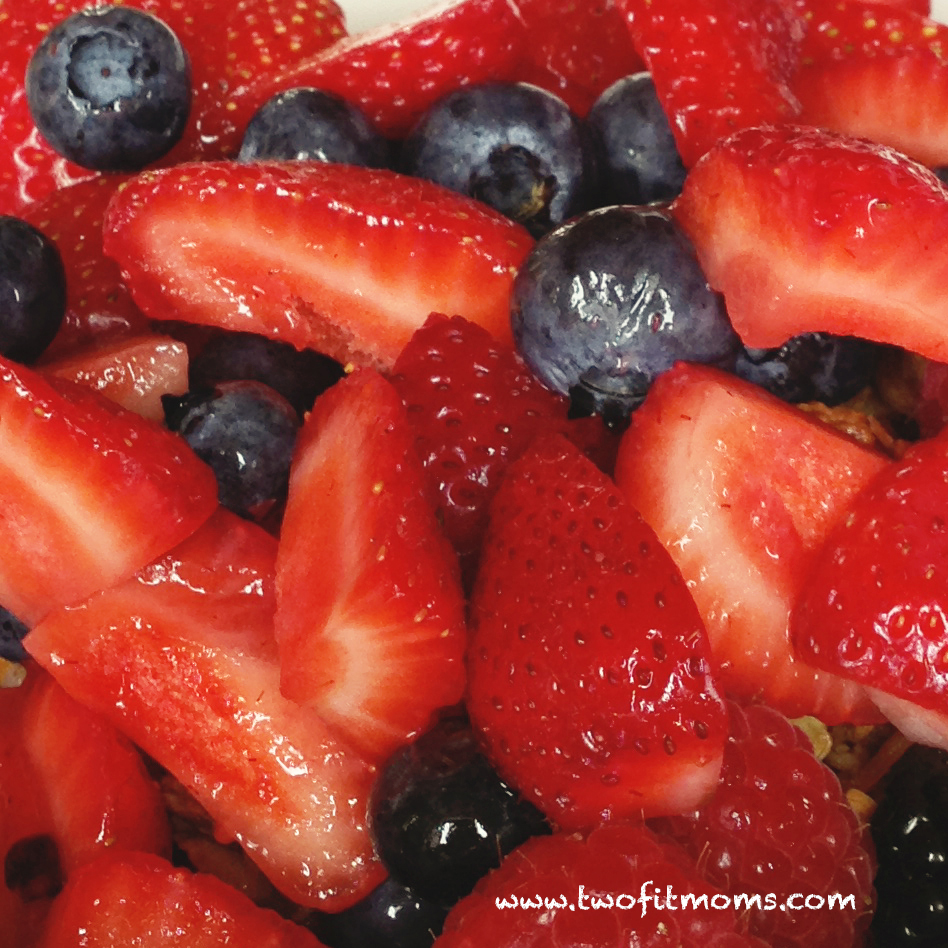
    -Frozen berries

    These days, you can find bags of frozen organic berries at most supermarkets.  Buy a couple of bags of strawberries, blueberries, raspberries or blackberries.  You can buy mixed bags of berries or bags of each individual type of berry.  I recommend buying berries that you typically DO NOT eat often or do not enjoy.  It’s a great way of adding berries-finalwmvariety and new nutrients to your diet.  I know that sounds counterintuitive, but smoothies happen to be a great way of consuming foods that you’d rather not.  Flavors and textures of any particular fruit or vegetable just disappear into blended goodness.  Personally, I am not a huge fan of eating fresh blackberries.  I happen to enjoy the flavor, but I can’t deal with all of the seeds.  It drives me crazy, so now I consume all of my blackberries in pureed form.  I just throw a nice big handful of frozen blackberries into my blender, and I get all of the benefits of eating them without actually having to deal with the unpleasant texture of the seeds.

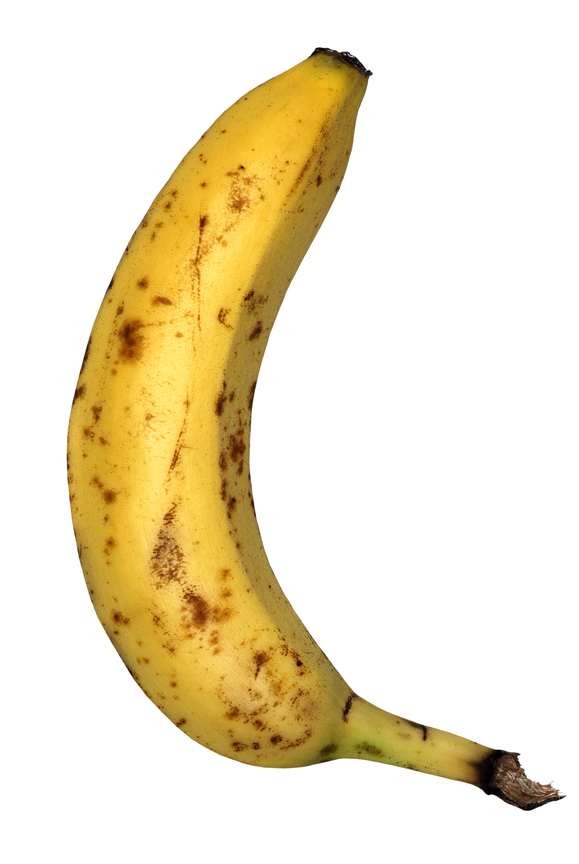
    -Frozen bananas
    brownbanana
    Buy a bunch of bananas, and allow them to ripen on your countertop for a few days. Brown bananas are not particularly appetizing to eat as a snack, but they are perfect for smoothies.  Slice each banana, and freeze the slices.  Frozen bananas slices blend much more easily than frozen bananas that haven’t been sliced.

    -Liquid for your smoothies

    I like to stock my pantry with organic, non-GMO soy milk, almond milk, and coconut water.  If you prefer a smoothie with a juice base, keep your fridge stocked with orange juice, apple juice, or whatever it is that you prefer.

    -Almond butter

    If you are worried about getting hungry within an hour or so after consuming your smoothie, turn your drink into a stick-to-your-ribs meal by adding a tablespoon of almond butter to your blender.  If you aren’t a huge fan of almond butter, try another type of nut butter, or maybe even a piece of non-GMO organic tofu.

    -Fresh Ice

    Three melting ice cubes
    I can’t even tell you how many times I’ve reached into my freezer to grab a handful of ice for my smoothie and realized that my ice smelled a little funky.  Whether you have an automatic ice maker in your freezer like me or a few trays of ice that you fill with water and freeze yourself, check your ice before you actually need to use it!  Once a month, I dump all of my ice out of the freezer bin that collects my ice cubes from the ice maker.  I scrub the ice container with hot soapy water, and I collect all new ice cubes.  There’s really no easier way to ruin a delicious smoothie than to fill your blender with old, stinky ice.  Take the time to make sure you are using good ice.  And don’t forget that you always have the option of skipping ice altogether and just adding more frozen berries instead!

    -Lemons/limes

    When you first start making green smoothies, you will most likely dapple with recipes that include lots of fruit.  Once you become accustomed to these smoothies, you will probably start lowering the quantity of fruit and increasing the quantity of greens and other vegetables.  If you move on to these more savory green smoothies, you will want to have fresh lemons and limes on hand.  A good squeeze of lemon or lime really compliments any greens or herbs, like parsley, that you might add to your blender.  Lemons and limes have quite a long shelf life in the refrigerator, so go ahead and buy a few.  Even if you don’t use them today, you can use them in a few weeks, and they will be just as good.


  • SNOWGA! 10 Reasons Why You Can and Should Take your Snow Day to Another Level

    SNOWGA! 10 Reasons Why You Can and Should Take your Snow Day to Another Level

    If you have an Instagram account, you’ve probably seen plenty of “snowga” photos posted by yogis living in cold weather climates.  What is “snowga”, you may ask?  Well, it’s simply the act of getting into a yoga pose in the snow.  It is NOT, by any means, a full SnowyChopasanaPhotopractice in the snow.  It’s usually just a beautiful moment captured in time, and it consists of running out into the snow for about a minute for the purpose of taking a photo, and then racing back into the house to warm up.


    I’m sure you can easily rattle off many reasons why you shouldn’t and don’t want to do such a thing.  My mind fills with these thoughts, too:  It’s too cold; I might get sick; I might slip; My neighbors will think I’m crazy; “Real” yogis will claim that I am not a “real” yogi if I do this; My toes will freeze; My fingers will freeze; My mat will get all wet, etc.

    Yesterday, I put all of these doubts aside and decided to take a snowga photo.  I couldn’t withstand the cold for more than the time it took to take the one picture shown above, but now that I am looking at it, I am happy.  It was worth it.  Here are a few bullet points to inspire you to rile up your own spirit to be spontaneous and have your own fun snowga experience…And here is a gorgeous photo of Laura doing her own snowga at home.

    LauraSnowgaPhoto
    1.  You are stronger than you think.  You CAN withstand 30-seconds of freezing temperatures.

    2. You will seize the day.

    3.  You will feel a strange sense of accomplishment once it’s all over.

    4.  You will create your own absurd memories in the snow and laugh about it later.

    5.  You will have a recorded image of that absurd memory.

    6.  You will do something recreational in the snow for the first time in a very long time.

    7.  You will feel like you are a figurine in a magical snow globe.

    8.  You will feel exhilarated.

    9.  You can wear the brightest clothes you own and look stunning (rather than tacky) against a white backdrop.

    10.  You will be left with a photo of yourself that you will NOT pick apart.  You will actually see the beauty within yourself, and smile—a priceless gift that makes the discomfort and cold all worthwhile.

  • Headstands 101:  Your First Inversion

    Headstands 101: Your First Inversion

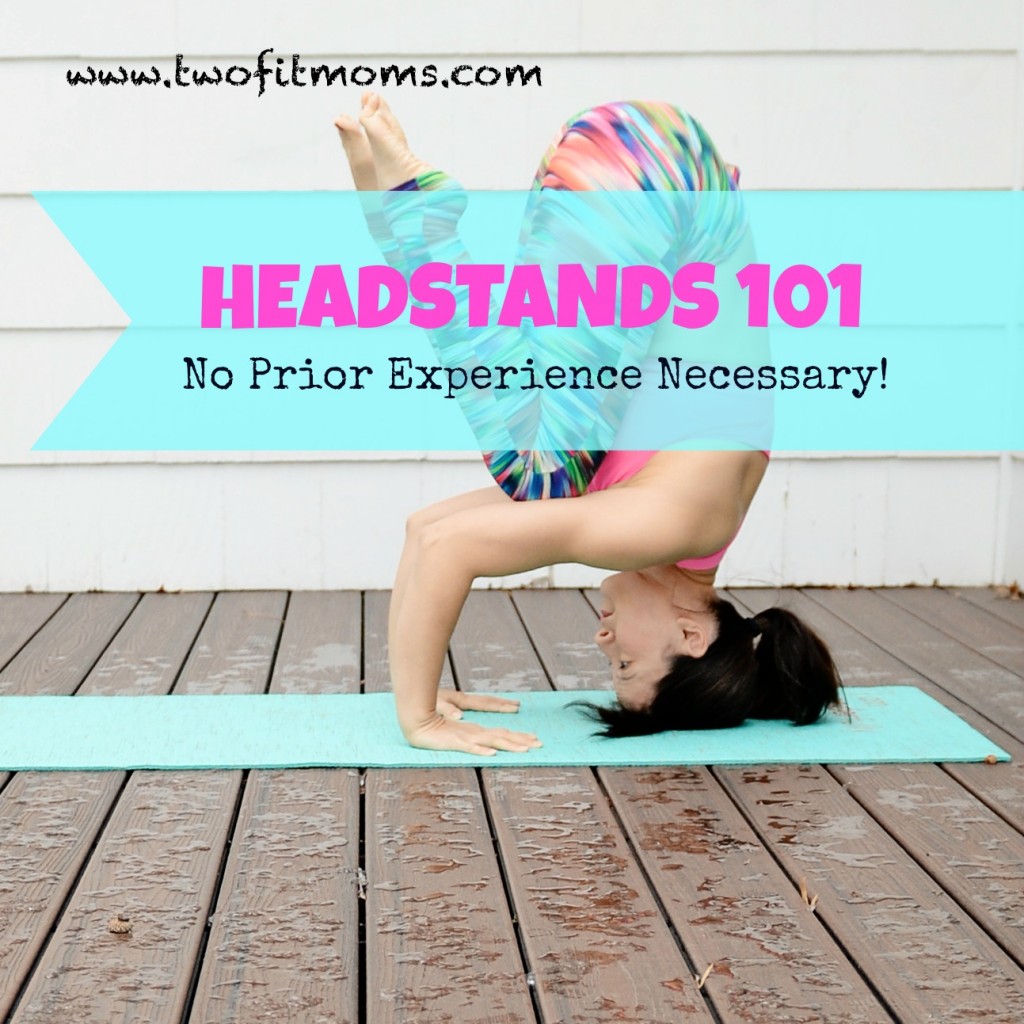
    If you want to invert but don’t know where to begin, you’ve come to the right place.  You CAN do a headstand safely and without fear—even if you have no prior experience in gymnastics, dance or yoga.  When I began my headstand practice about 14 months ago, I had absolutely NO background in any of these areas. I only started practicing inversions Headstands101at the age of 36!  It is never too late to learn a new hobby or skill.  Just be patient, and remember to practice.  It may not happen for you today, and that’s ok!  There is no timetable for success.  I will equip you with the tools and knowledge, and you will work at your own pace until you feel comfortable in the pose.
    The inversion I want to introduce today is the tripod egg headstand.  The “tripod” refers to the triangle shape produced by the placement of your hands and the top of your head.  The “egg” refers to the tight oval tuck shape of your body in the final pose.  Please approach this pose with a can-do attitude.  You CAN, and you WILL.

    Before attempting this pose, warm up your body with a bit of movement and stretching.  Hamstring flexibility is very important in this pose.

    Let’s get started:

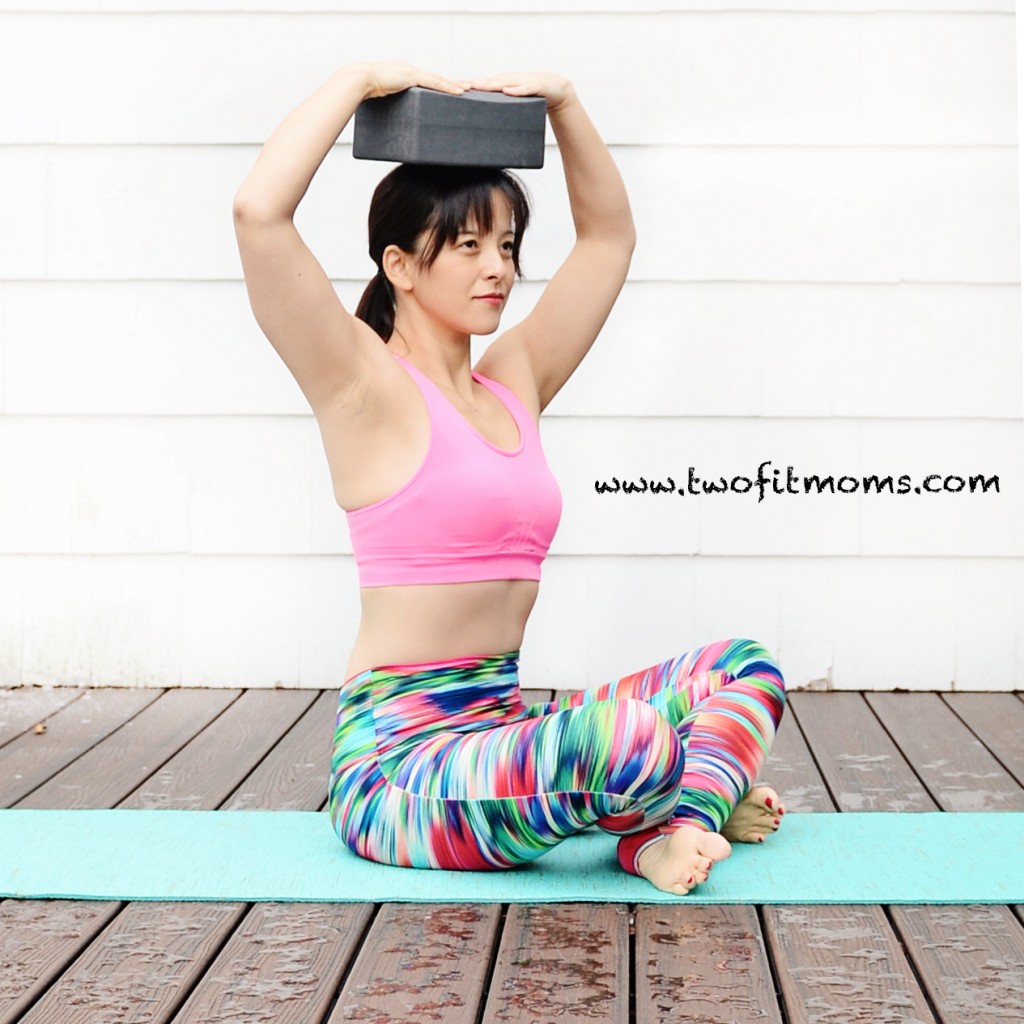
    BalanceBlock
    Step 1:  Find a book (or yoga block), and place it on top of your head to find the balance point. Press the book firmly onto your head so that you can remember the feeling of that balance point.  The balance point of the book will not necessarily be your balance point in a headstand, but it is a starting point, and you can adjust accordingly once you test that spot for comfort.

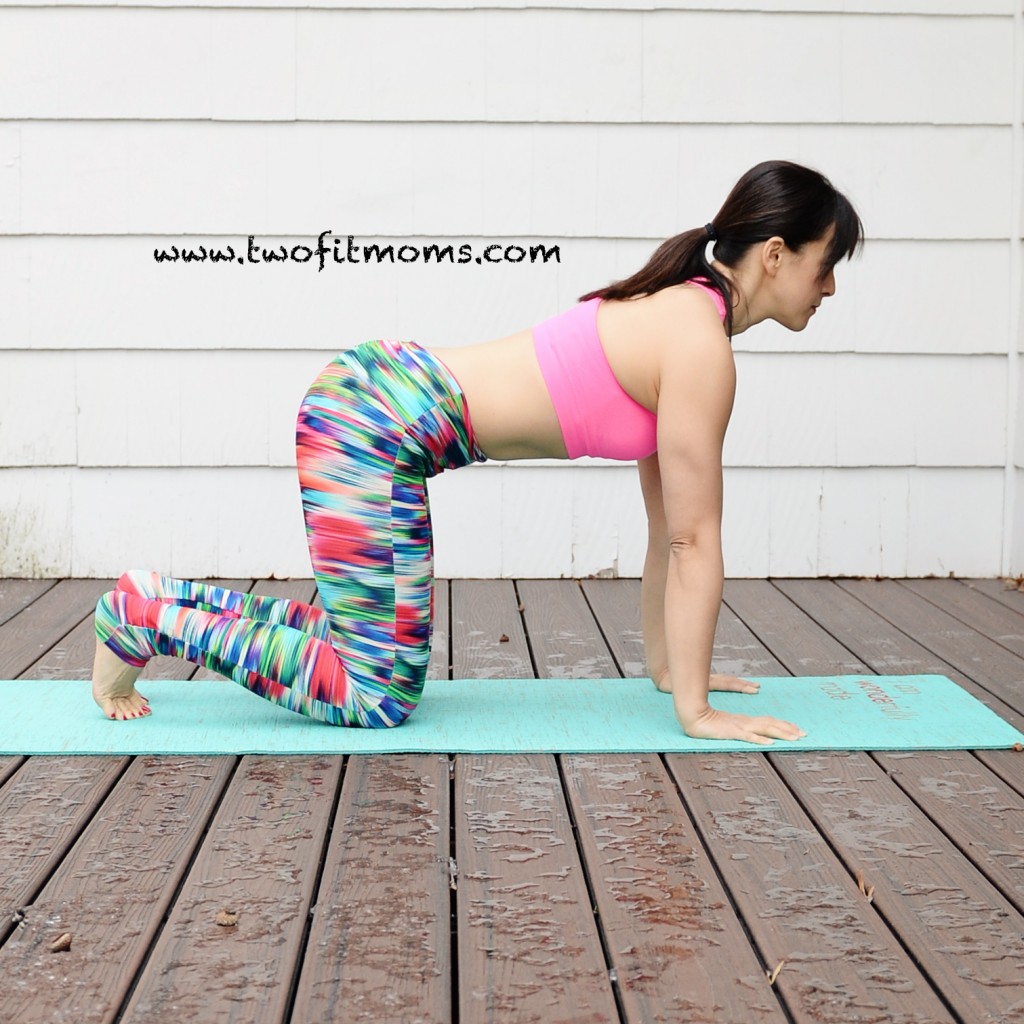
    Step 2:  Come onto your hands and knees into tabletop position.  Check your form, and make sure that your shoulders are stacked directly above your wrists, and your hips are stacked above your knees.
    Tabletop

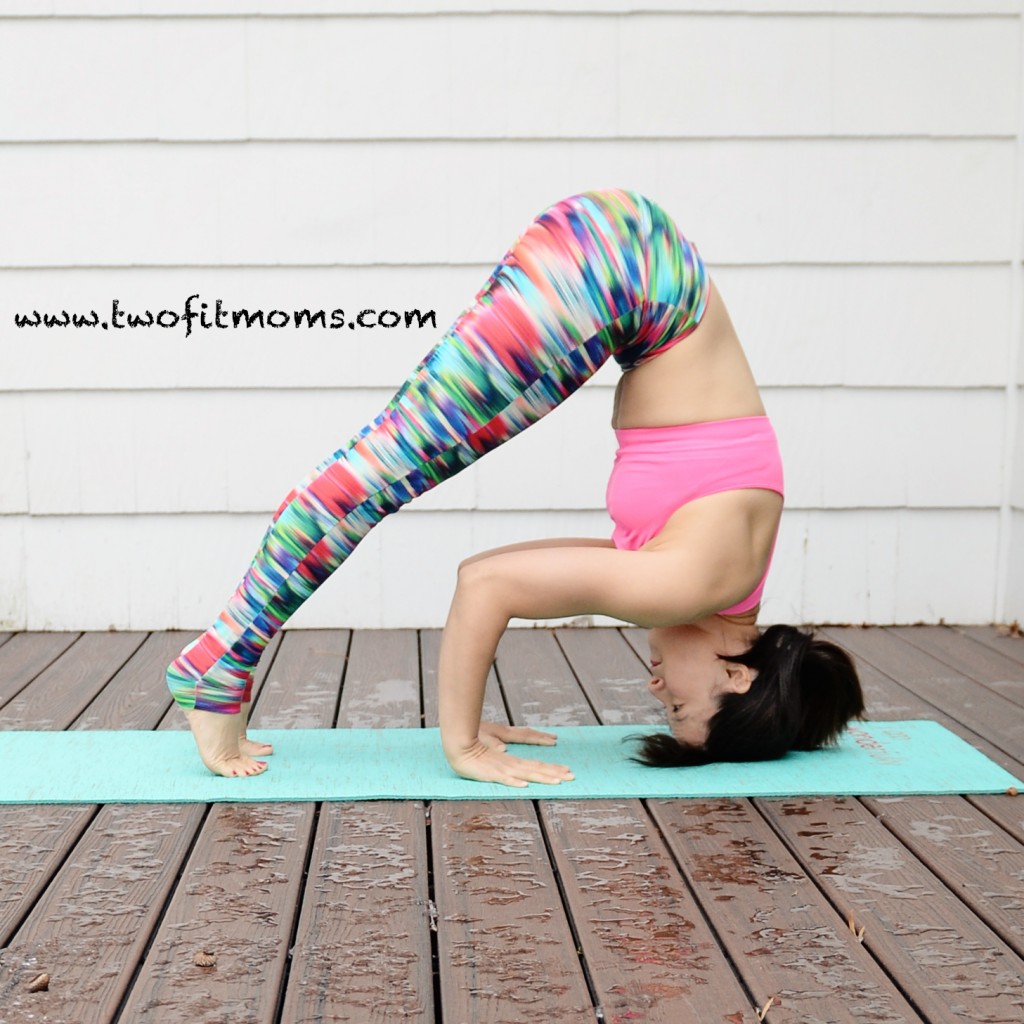
    Step 3:  Bend your elbows to form 90-degree angles, and place the top of your head onto the floor in front of your hands.  Make sure that you can see your fingertips at all times!  Your hands should NOT be along side your ears.  Your hands and head form a triangle rather than a straight line.

    Step 4:  Tuck your toes, and lift your knees from the floor.  Walk your feet in towards your hands/head so that your hips are lifted high into the air.  Assess how you feel.  If your hamstrings are straining, stop and re-visit this pose after you feel Dolphinmore limber.  If your neck feels strained, focus on lengthening your neck so that your shoulders are drawn away from your ears.  If the top of your head hurts, adjust your balance point a few inches.  Personally, my own balance point in a headstand is not the same as the balance point with the book on my head.  I usually balance a few inches closer to my forehead.  This is an exploration.  Find the right spot for your own body.
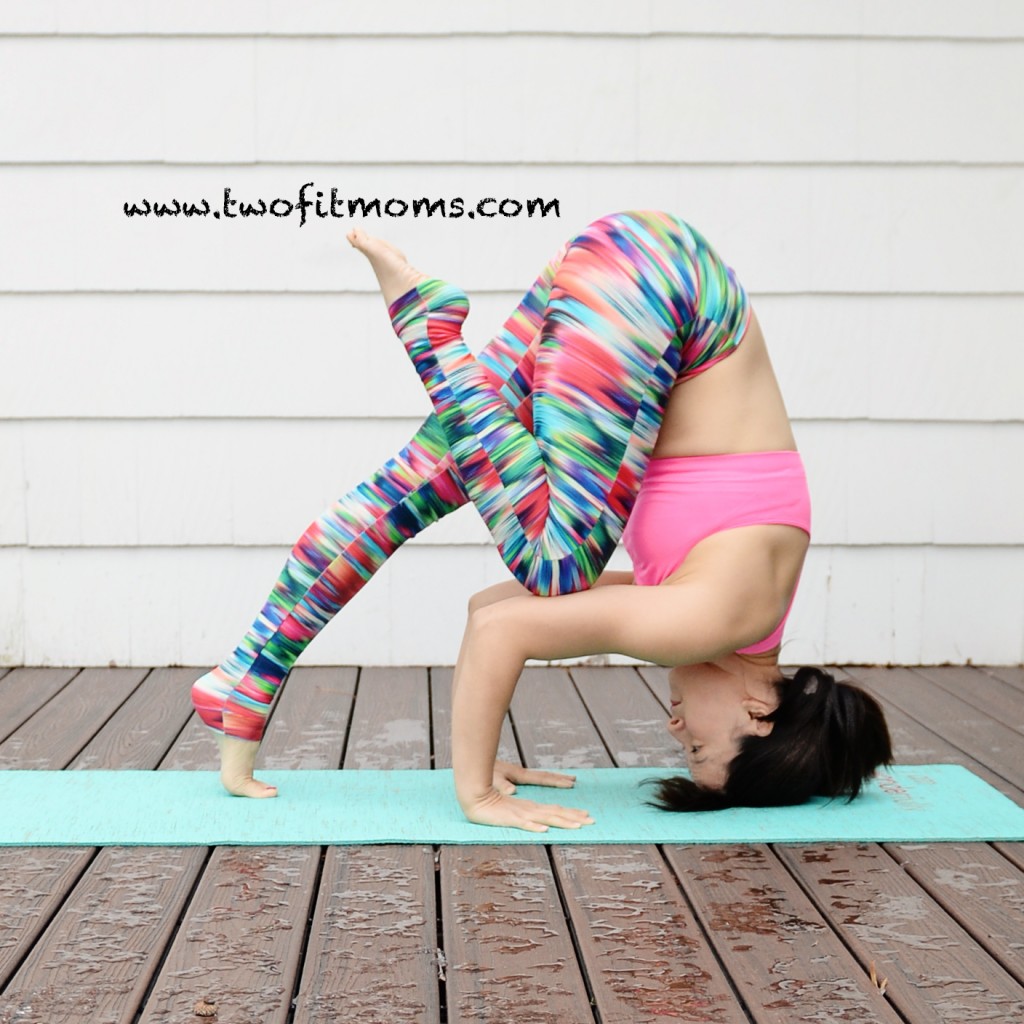
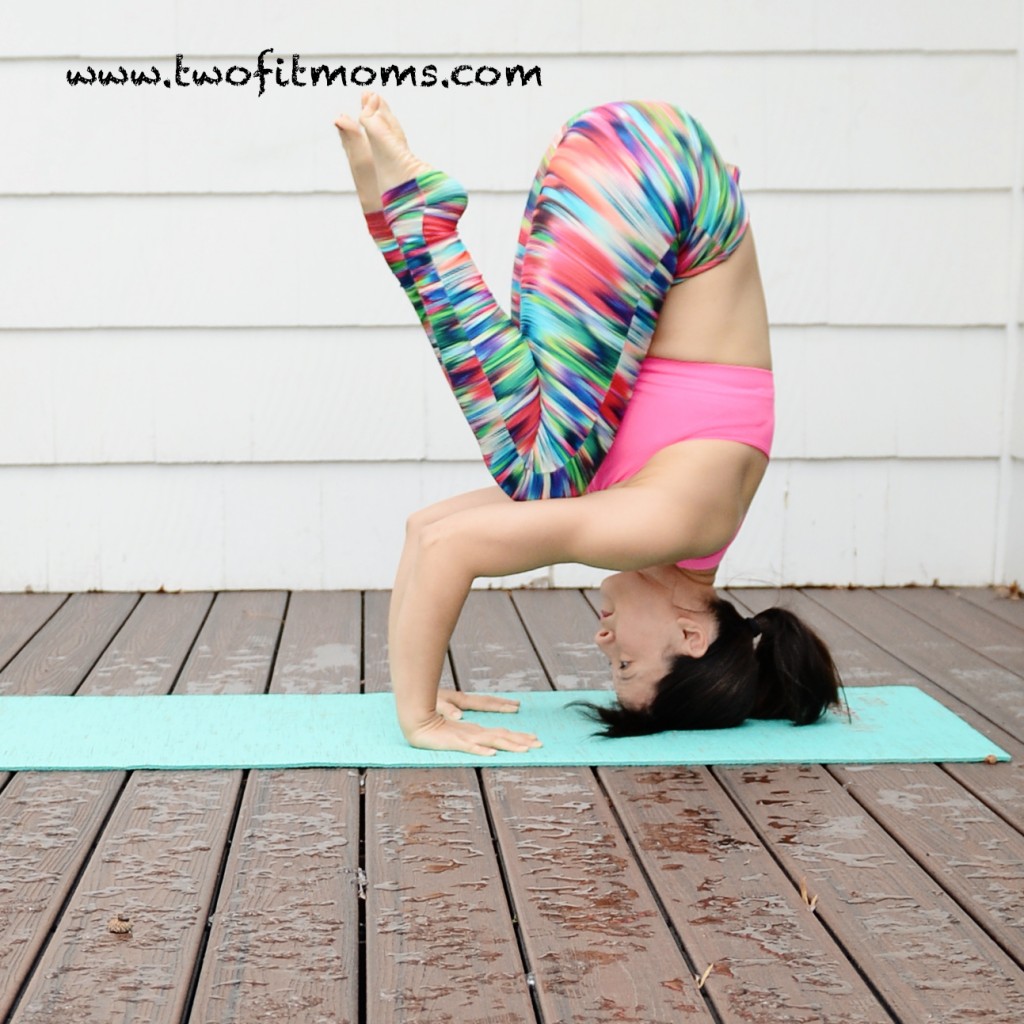
    Step 5:  Make sure that your elbows do not splay to the sides.  Your elbows should continue to point in the SAME direction that you are facing!  If you feel comfortable, lift one knee onto one tricep.
    DolphinOneLeg

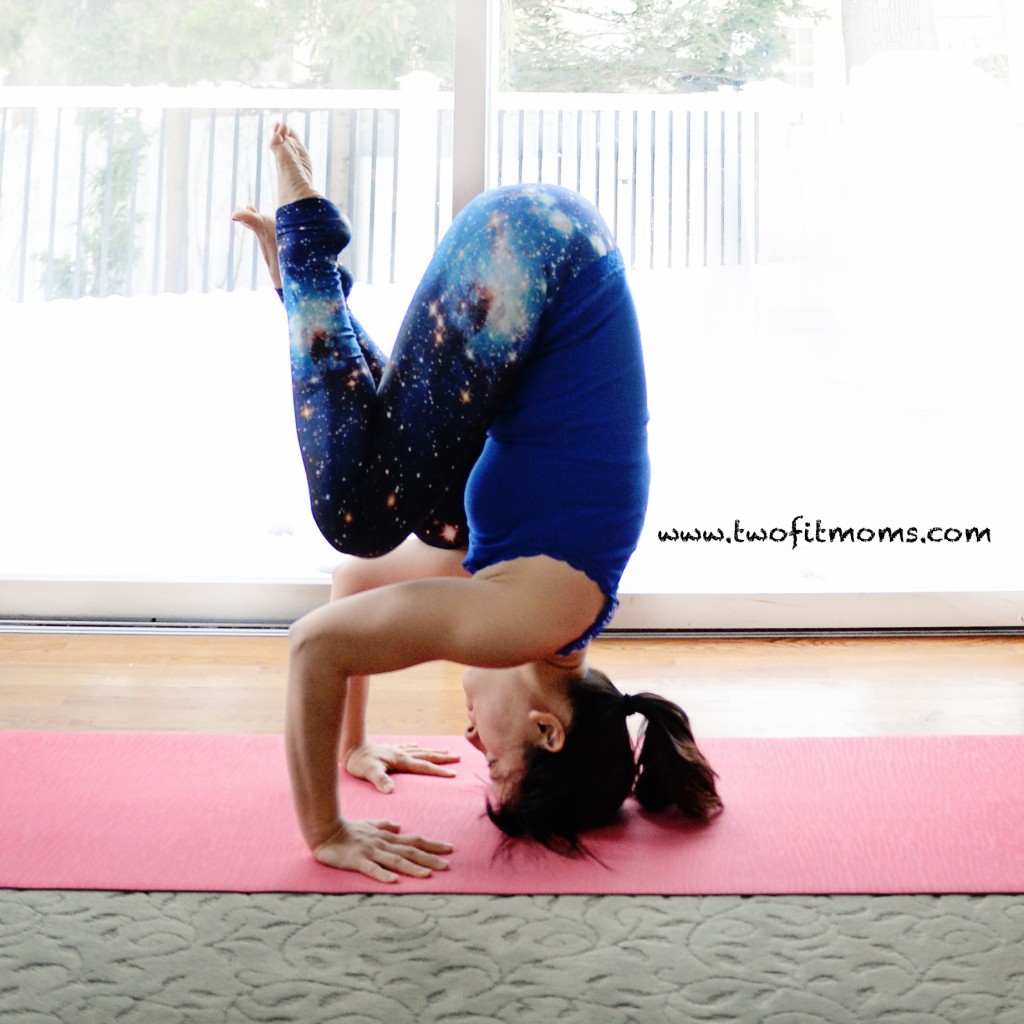
    Step 6:  If you still feel comfortable, slowly lift your other foot from the floor and place it on the back of your other tricep.  Remember to keep your neck long, and breathe!  Congratulations on your very first headstand.
    HeadstandEgg

    One important point to mention—if you lose your balance, tuck your chin to your chest, round your back, and somersault out of the pose.  You might even want to practice your forward rolling skills PRIOR to starting this tutorial.  It’s no fun to fall, but if you somersault out of the pose, you technically aren’t falling.  It is a controlled and safe way to exit the tripod egg headstand.

    Wherever you may be in your yoga practice today, I assure you that it is perfect.  Honor yourself and your body.  Namaste.


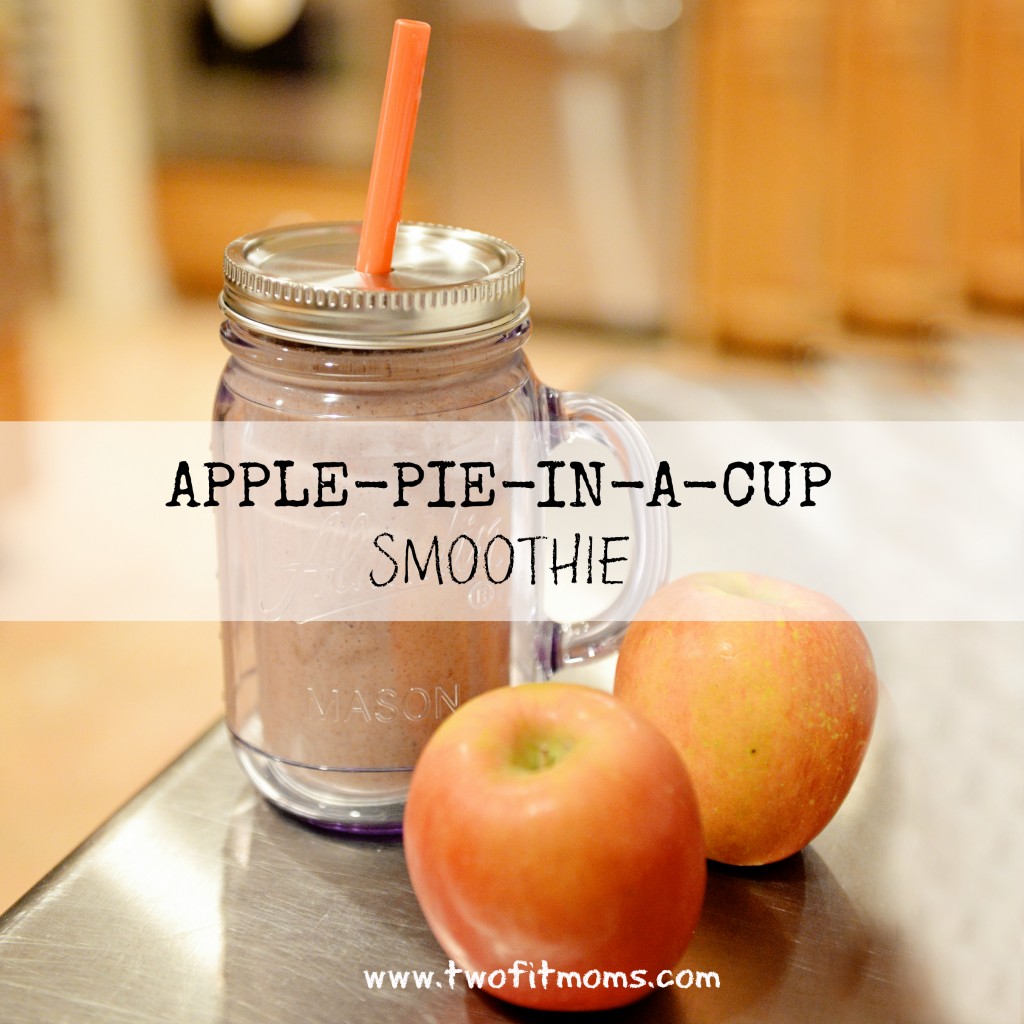
  • Apple-Pie-In-A-Cup Smoothie

    Apple-Pie-In-A-Cup Smoothie

    This might be my favorite dessert smoothie ever.  I call it a “dessert” smoothie because the apple-cinnamon flavor reminds me of apple pie.  Turn to this drink instead of taking down a box of cookies and a half-gallon of ice cream.  It has the perfect level of sweetness to satisfy your cravings.

    Feel free to add a generous handful of baby kale leaves to this recipe.  If you don’t mind the green hue, you will benefit from the added nutrition, and honestly, I don’t detect much of a difference in flavor.

    Remember to honor yourself and the experience of consuming this delicious drink. It somehow tastes better when you sit down and sip it slowly out of a beautiful glass. I know you are busy. I’m tempted as much as anyone else to just pour my smoothie into a random old mug and drink it while multi-tasking around the house. Let’s change how we eat. Let’s make a real effort to eat mindfully.
    ApplePieSmoothie

    Blend:

    1 Fuji apple
    1 frozen banana (sliced before freezing)
    1 Tbsp almond butter
    1 Tbsp cinnamon
    1 cup soy/rice/almond milk
    2 handfuls of ice
    1 handful baby kale (optional)

    Makes about 20-ounces of smoothie.

  • Open Your Heart to Miracles

    Open Your Heart to Miracles

    Do you have pain that just won’t go away?  Pain that affects your sleeping hours as well as your waking ones?  Chronic headaches? Lower back pain?  Muscle injuries that just won’t heal?  If not, consider yourself one of the lucky ones.  For the rest of you—I’m with you, I get it, and I want to make a suggestion.

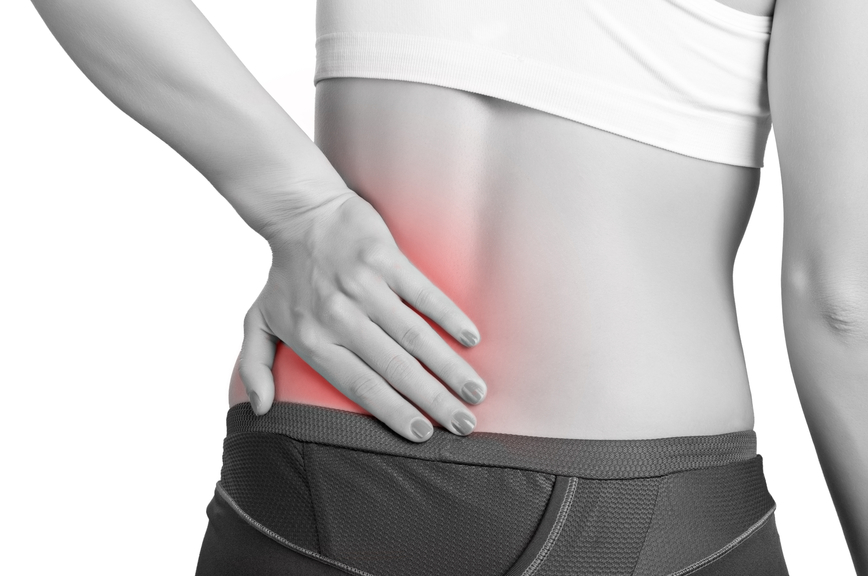
    Back PainBroadly speaking, I want you to start living with your heart and mind open to possibilities—possibilities for healing that you might not believe in or understand at the moment.  Possibilities that even Western medicine and science can’t explain.  When the drugs aren’t working and the medical treatments seem ineffective, open your mind, open your heart, and head down the path to alternative healing methods.  Not everything in the world is yet understood.  Just because it’s not understood doesn’t mean that it’s not real.  Open your heart and mind, and you just might find yourself a miracle.
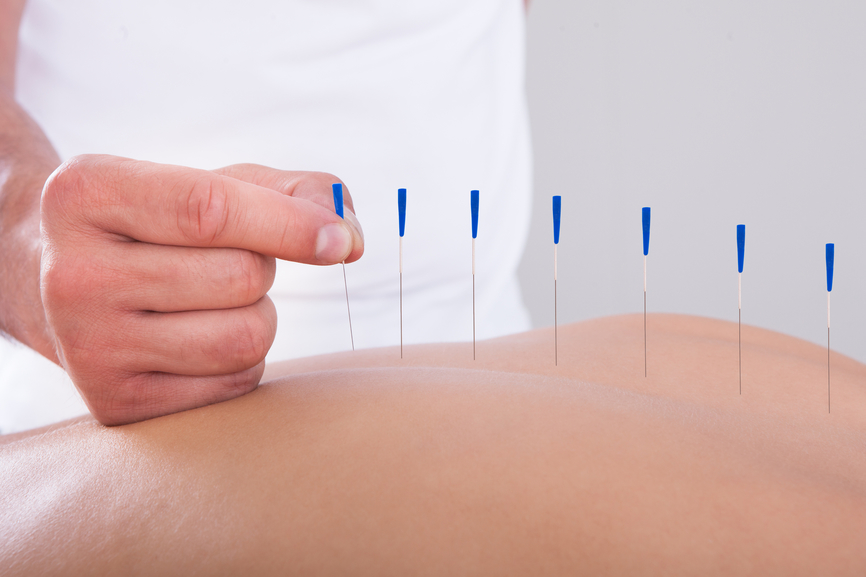
    Acupuncture

    I had no intention to blog about this topic today, but I am very excited about my experience this morning.  I just walked into my house from my very first acupuncture treatment.  Yes, acupuncture, with all of those needles everywhere—a total nightmare for someone like me, who is afraid of needles.  I decided last week that I would overcome my fear of needles (or at least tolerate the fear) for the possibility of reduced pain.  I am so DONE with my back hurting and my leg hurting.

    Over the past 6 months, I’ve seen doctors.  I’ve had an MRI, and an EMG.  I’ve been treated with traction, electric stim, heat, ice, exercise, manual therapy, ultrasound and various rocktaping techniques.  Have I improved?  Yes, but I am still in pain, and I am sick of hurting.

    So this morning, after taking a complete medical history and asking a number of questions about my life, I got onto the table, face down, and the acupuncturist got to work.  I know that many people say that you don’t even feel the needles in acupuncture, Woman Receiving An Acupuncture Therapybut that wasn’t the case for me.  The needles themselves are quite thin, but I found the insertion of each needle to be quite uncomfortable.  I felt a strange muscle cramping sensation under each needle, and I had to quiet my mind and relax my body.  Given that I am afraid of needles, I kept my eyes closed the entire time to avoid seeing anything reminiscent of Hellraiser.  Interestingly enough, the needles are not just placed at the site of the pain.  In fact, I had more needles in my ears and arms than I did in my leg or back.


    After a few minutes, the feeling of the needles disappeared into nothingness, and I managed to relax enough to dose off.  After the acupuncturist roused me from my little nap, she removed all of the needles, which was a painless procedure, and told me to flip over onto my back.  I had so many reservations about doing this.  For almost 5 years now, I have been unable to lie on my back for more than a few minutes.  The pain in my sacroiliac joint is just too severe.  In yoga class, I rest in savasana on my side.  At night, I sleep on my side.  In physical therapy, all exercises have been modified so that I am never supine for more than a minute or two.  I explained my reservations to the acupuncturist, and she tried to make me as comfortable as possible, but clearly, she needed me flat on my back.  I crossed my fingers and hoped I wouldn’t be too crippled at the end of the treatment.  Again, I closed my eyes, dealt with the muscle cramping as each needle was inserted into my skin, and tried to relax.  I think I might have dosed off again because I was startled when the acupuncturist told me that the treatment was over and that I could get dressed.

    My Little Miracle

    I will never forget the moment when I sat up.  I had NO back pain.  I mean NONE!!!  What the heck? How is that even possible?  I’ve been unable to lie on my back for 5 years without terrible pain, and after just 1 acupuncture session, I am able to lie on my back and get up without a trace of pain?  Insane.  My mind is blown.  The acupuncturist explained something about increasing blood flow to the SI joint and unblocking meridians, but it was all “blah blah blah” to me.  I was too busy being shocked.  I have no idea how long the effects of this treatment will last or if it will ultimately help my hamstring, too, but I am now a believer, and I have already booked my next appointment.

    Keep your mind and heart open, folks.  You never know where it will lead you.


  • Why I Ditched My Scale

    Why I Ditched My Scale

    Two years ago, I ditched my scale and never looked back.

    Wait…that’s not entirely true… I didn’t actually ditch my scale because I can’t bring Why-I-Ditched-My-Scalemyself to throw things away.  What I DID do is chuck the scale into the back of my closet, and that’s where it remains today.  The relationship was no longer serving me, so I had to call it quits.  I have no regrets about this break-up, and honestly, I think I am a happier person today because of it.  I can’t sit here and tell you to go ahead and give up YOUR scale because it’s a decision that you must come to on your own.  You need to really believe that you’re doing the right thing for your own life.  What I can do is tell you my top 4 reasons for ditching my own scale.

     1.  Small day-to-day fluctuations in my weight determined my mood for the day.  Each morning, I would wake up, use the bathroom, take off all of my clothes, and get on the scale.  If I was just 1 measly pound lighter than the day before, I felt like a boss.  Just 1 pound less, and I felt thin, beautiful, disciplined, happy, accomplished and energetic.  If I was 1 pound heavier, my heart was heavy.  My mind would start contemplating all of the possible reasons why I was heavier, even though the change in weight was probably just an inconsistency in the scale!  I would wonder if I ate too much the day before, or if I consumed too much salt, or if the weight gain reflected my skipped workout session, or if I was ovulating.  Can you believe this?  One pound in either direction determined whether I was happy and on top of the world or if I was grumpy and questioning everything that I did the day before.  A couple of pounds determined my self-worth and my level of happiness for the day.  This was unacceptable.

    2.  I didn’t want my daughter to see me obsess about my weight.  Ever.  She is still at an age where it doesn’t even cross her mind that there might be something to NOT like on her own body.  She struts around in her bathing suit confidently, even after eating a large meal.  I want her to remember growing up in a house where we don’t focus on weight, but instead, we focus on wellness.  I want her to always view food as fuel and to realize that she just needs to fill up on high quality fuel if she wants her body to perform at its best.  I want her to always have a positive body image, and I think that is most easily accomplished without a scale in sight.

    3.  My health and fitness success could be measured in other ways.  I realized that the scale just displayed a number.  The scale cannot tell me if my clothes fit properly or if my energy level is high.   It can’t tell me if my skin looks brighter or if my endurance has increased.  It can’t assess my fitness gains by measuring my flexibility or strength.  THESE are the measures that make sense to assess, and these are now the sorts of things that I consider.

    4. I don’t need the scale to confirm what I already know. At the end of the day, I know when I’m doing the right thing.  I know if I’ve eaten well or poorly, and I know if I’ve exercised or not.  I know if I’ve overindulged for too many consecutive days, or if I’ve eaten just enough to be satisfied.  If I’ve eaten pizza and ice cream every night for a week, do I really need to step on the scale to see a result that I already know?  Of course not.  I know and you know when the diet is clean and the exercise is consistent.  We don’t need the scale.  We know.