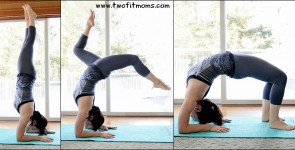
If you’ve recently added Pincha Mayurasana (forearmstand) to your inversion practice, you may be wondering when or if you should move away from the safety of a wall. As a general rule, you should NEVER move your inversion practice away from the wall until you have perfected your exit strategy.
Falling flat onto your back and injuring yourself is NOT an exit strategy. Falling safely out of an inversion is 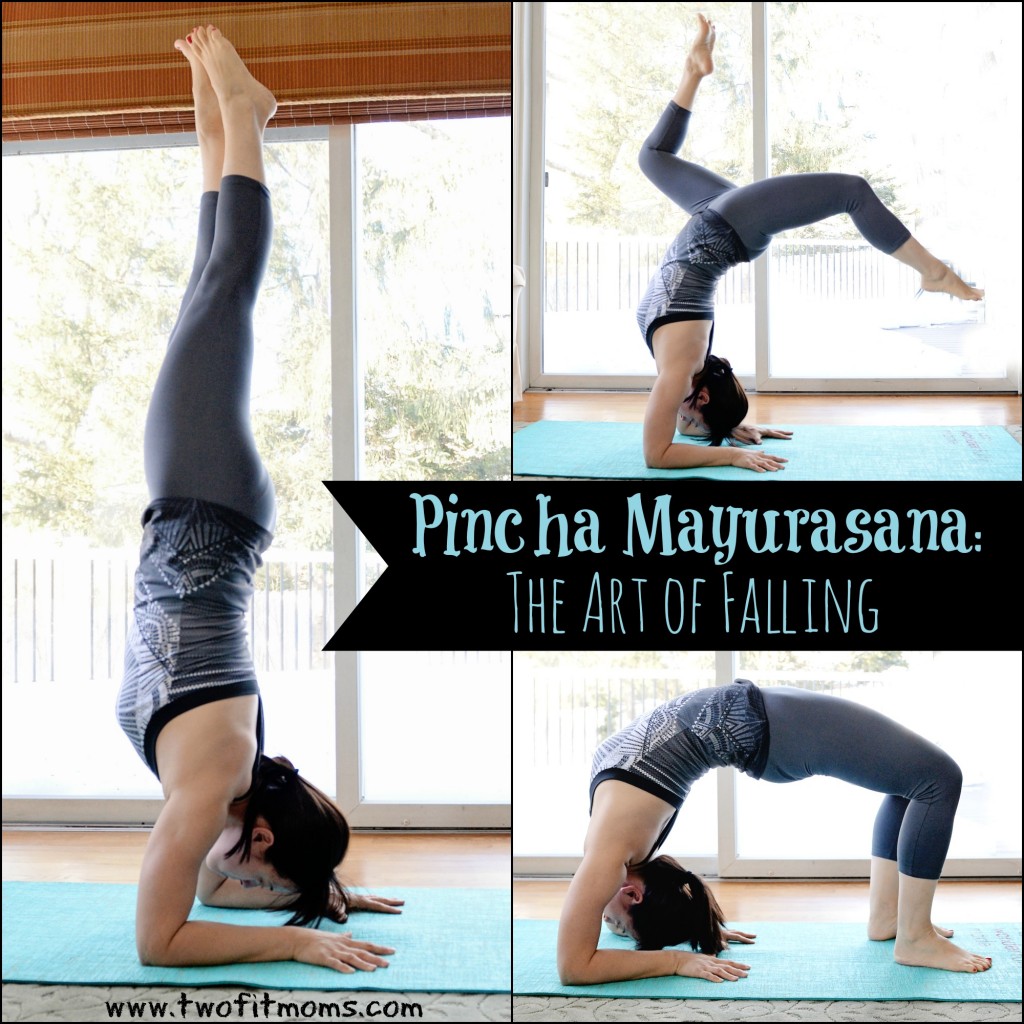 actually a skill, and today, I will show you how to turn your fall out of forearmstand into a controlled transition.
The goal? Forearmstand into forearm wheel. Yes, forearm wheel is a deep pose requiring flexibility, but once you master this pose and this transition, you will practice in the middle of the room without fear.
Getting into Forearm Wheel
The first step in perfecting this transition is to practice the final pose: forearm wheel.
Step 1
Lie on your back, with your knees bent and feet flat on the floor. Place your palms onto the mat on either side of your head with your fingers pointing toward your feet. Press through your hands and feet and gently lift up onto the crown of your head for a breath or two. Continue to press through your hands and feet, lifting your head from the floor. Straighten both arms and lift your hips toward the sky for wheel pose. If you are unable to do wheel pose, please continue to practice your forearmstands against a wall and re-visit this article at a future date. Being comfortable with your backbends is essential for this exit strategy.
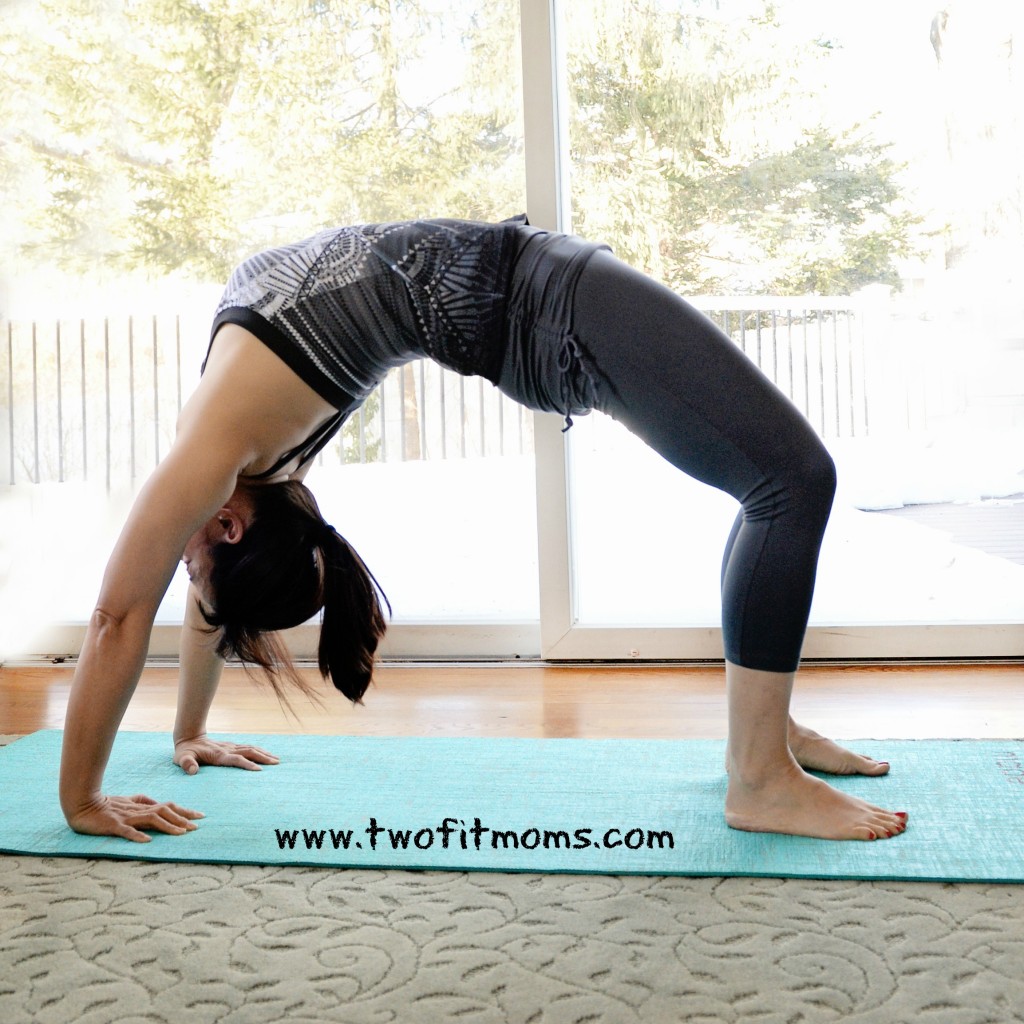
Step 2
Slowly bend your elbows and gently lower the top of your head to the mat. Keep your elbows stacked above your wrists and your chest lifted.
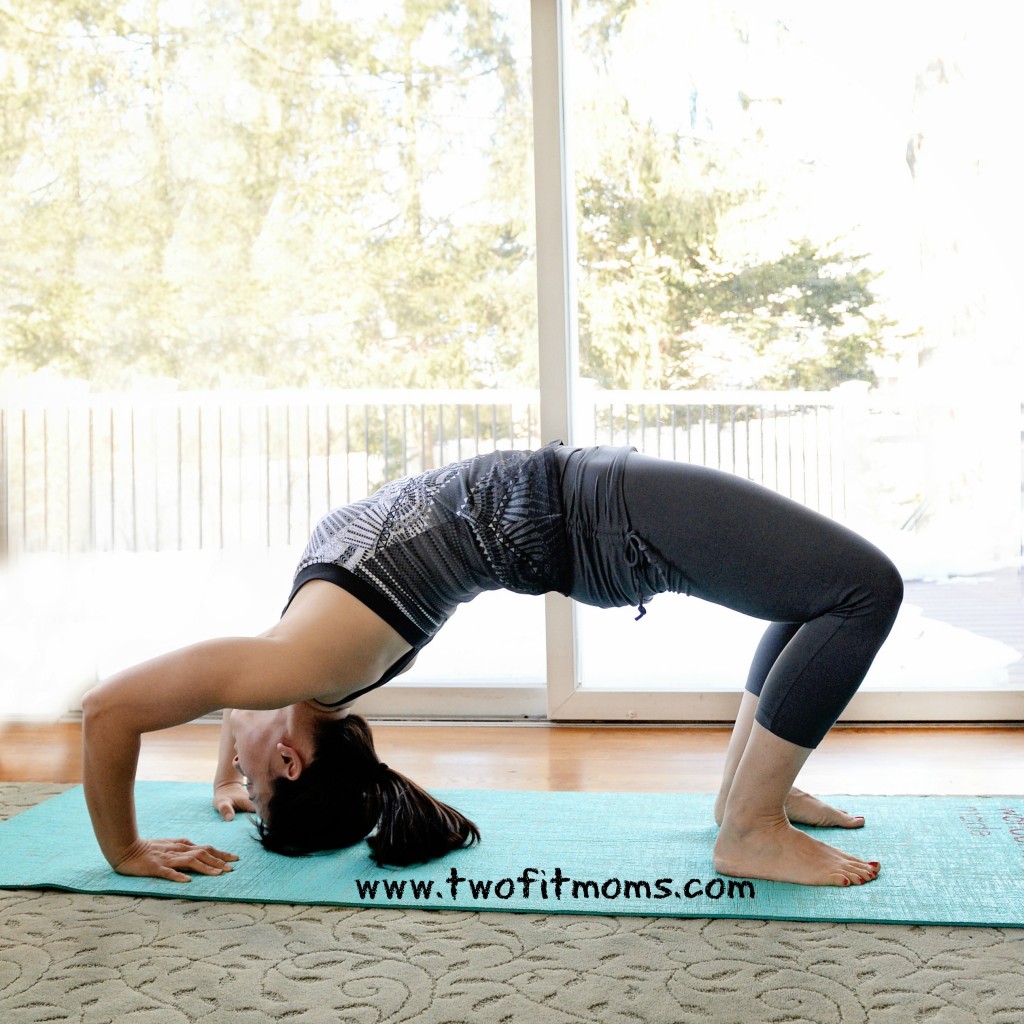
Step 3
Slowly lower yourself onto one forearm. If the stretch feels too intense, stop.
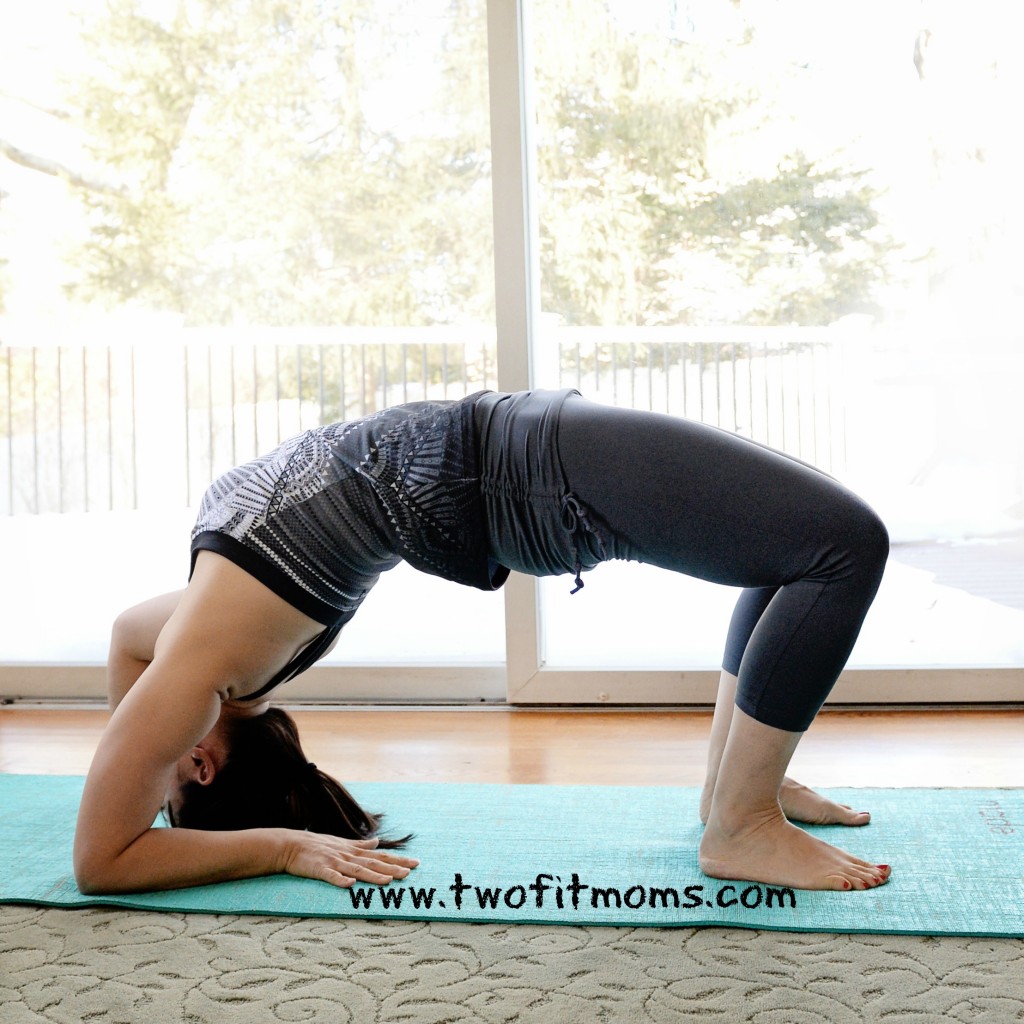
Step 4
If your back is not straining, lower yourself onto the other forearm.
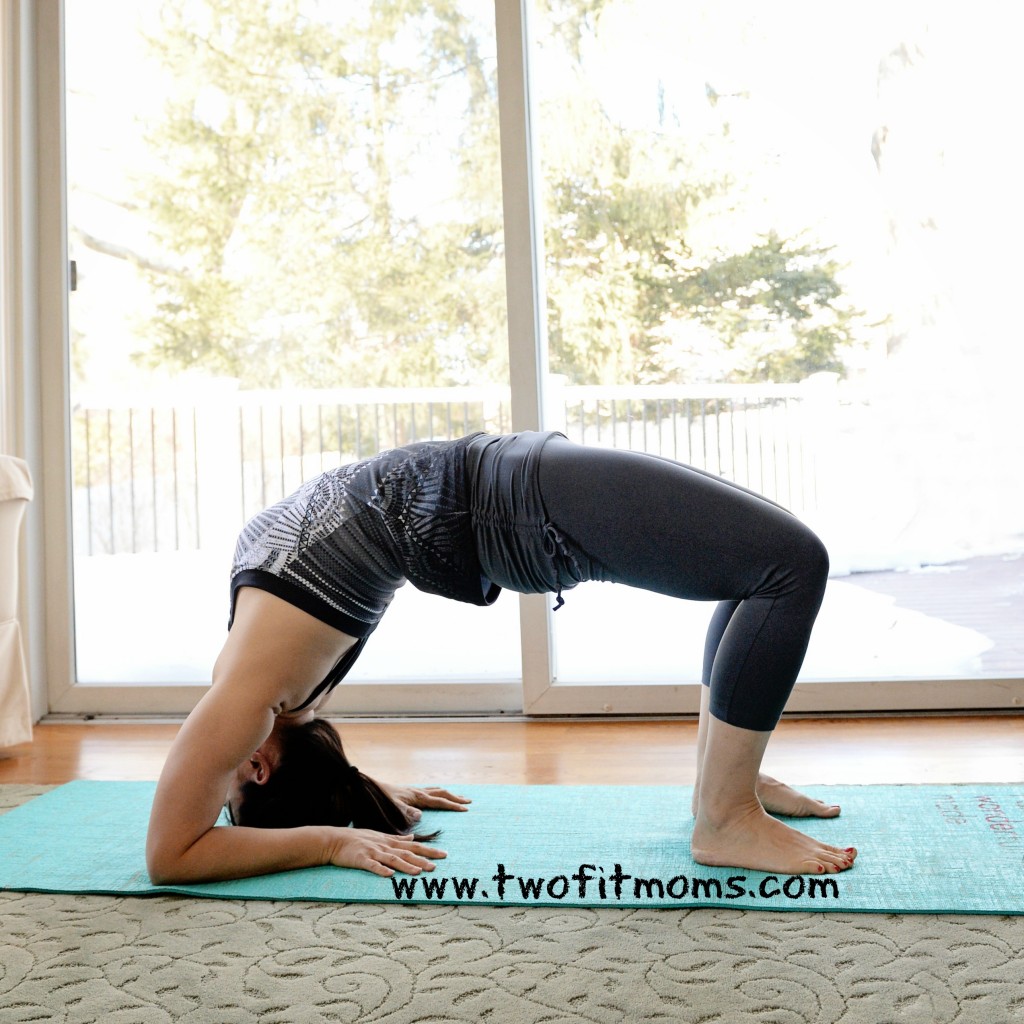
Step 5
Press down firmly through your forearms and lift your chest to raise your head off the mat.
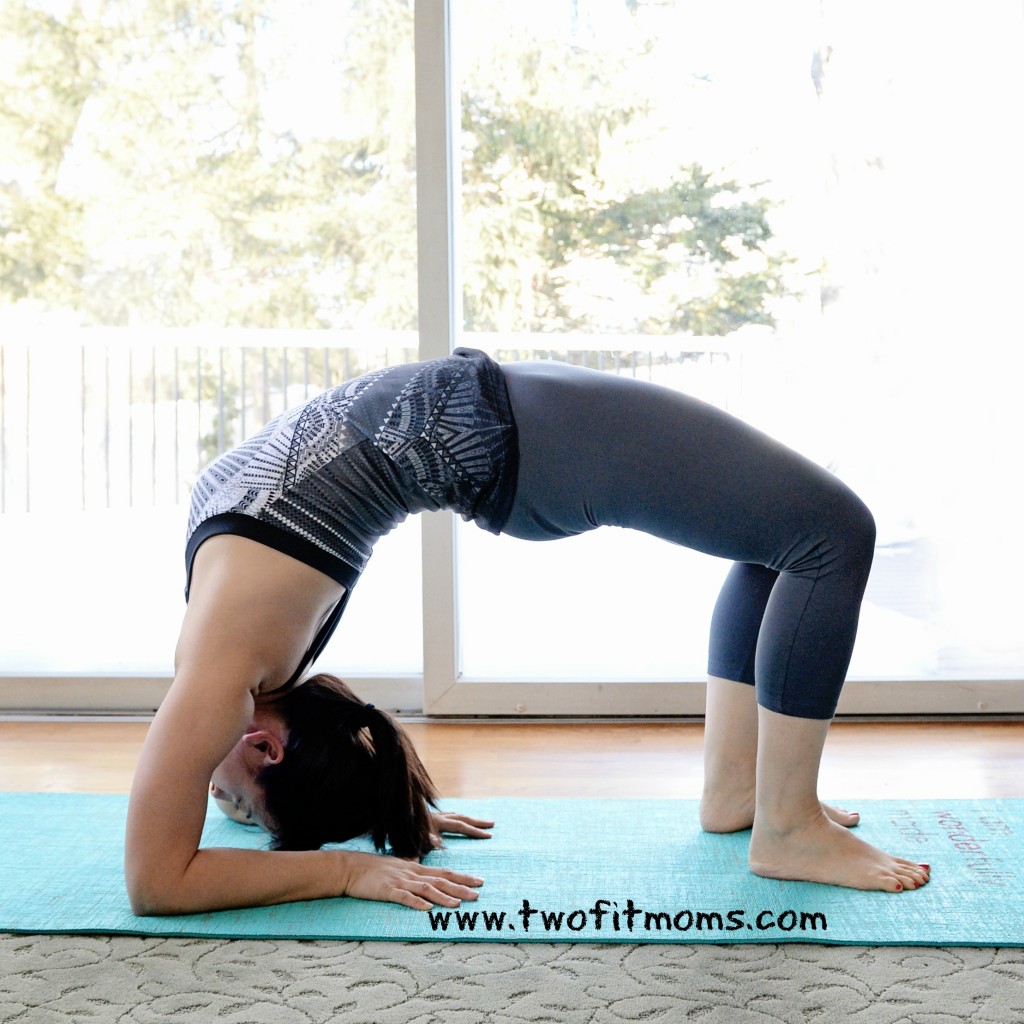
If you are unable to do this forearm backbend with ease, then please continue practicing your forearmstands with a wall. Falling into a deep backbend from a height is potentially harmful until your flexibility improves. Each day, make it a point to work on your backbends and to open up your chest, shoulders and hip flexors. The sooner you become comfortable in your backbend practice, the sooner you will become free from the wall.
Practicing the Transition
Now that you’ve mastered the forearm wheel, let’s practice falling into it. Make sure you are thoroughly warmed up before attempting. When you begin to lose your balance in your forearmstand, your natural inclination is to simply tip over. Work with that natural momentum, and do not try to fall to the side or to lift your forearms from the ground. Keep your forearms firmly rooted into your mat, with your elbows stacked right under your shoulders. Do not collapse into your arms! If you stay strong through your shoulders and arms, your legs will touch down, your head will never touch the mat, and you will be in a forearm backbend.
Remember:
Keep your inversion practice at the wall until you perfect your exit strategy. Perfecting an exit strategy, however, may take a great deal of time. Do not get discouraged. Your yoga practice is not a race, and it is here to serve you through your lifetime. Practicing your inversions with a wall is FINE. Be prudent and use a wall if your body is not quite ready for the exit strategy presented here in this article. Good luck!