Category: Nutrition

  • Building a Healthy Pantry

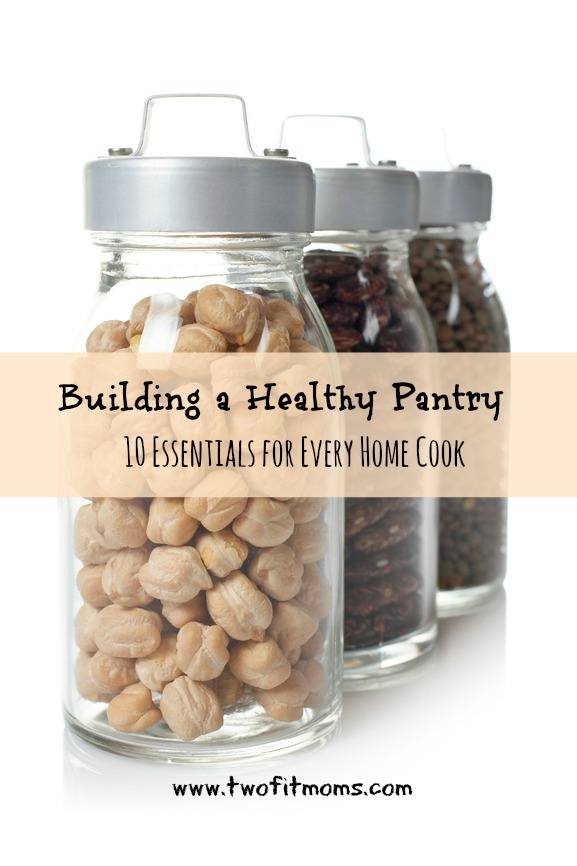
    Building a Healthy Pantry

    PantryJarsA well-stocked pantry can help you stay on track with your healthy eating plan.  With the right ingredients on hand, meal planning can become an intuitive and simple part of your life.  Quick meals will come together with just a few fresh ingredients from the supermarket, and healthy snacks will always be available.  As with any endeavor, preparation is key.  Stock your pantry with healthy staples, and you are bound to make healthy choices in the kitchen.

    Because the pantry is home to all of your long-shelf-life items, it has the potential to hold lots of unhealthy food choices that are chock full of preservatives and processed with unrecognizable ingredients.  This week, start out by making room for healthy pantry staples.

    Get rid of the junk food, the highly processed canned goods, the refined flour and sugar, anything with artificial sweeteners, hydrogenated oils, artificial dyes, or ingredients that you can’t pronounce. Once you purge all of the obvious items that will not serve you in your wellness journey, move on to re-stocking.

    Be economical.  Build your pantry slowly.
    Before you get started, keep in mind that re-stocking a pantry takes time and money.  Rather than spending a small fortune on your first trip to the market, plan on buying a few new items each time you shop.  Don’t try to buy every type of organic bean that you find.  Pick one or two varieties for now.  Likewise, pick one or two grains to purchase.  You can always add to your pantry staples over time.

    Here are my suggestions to build a solid, healthy foundation for your pantry.

    Whole grains
    I like to keep several different types of whole grains in my pantry, but steel-cut oats and brown rice are two examples to get you started.  Oats are a great way to start the day, and brown rice provides a great base for a quick vegetable stir fry.

    Quinoa
    It cooks like a whole grain, it looks like a whole grain, but technically speaking, it’s a seed.  I always have quinoa on hand.  It is packed with nutrition, and it cooks very quickly (15 minutes or less) in comparison to other whole grains like brown rice, which can take nearly an hour.

    Beans
    Beans are the perfect addition for soups, stews or salads.  You can also puree beans to create hummus or a tasty spread for sandwiches.  Keep a variety on hand—canned chickpeas, kidney beans and black beans are my favorites.  Also, make sure to buy some dried beans, too. Dried lentils or split-peas have a long shelf life and are quick to cook.

    Cold pressed oil
    When shopping for oil, look for cold pressed oils like olive oil, or if you prefer oil without a distinctive flavor, try safflower oil.  The goal is to avoid oils (such as canola) that are refined through solvent extraction, neutralization and bleaching.

    Nut butter
    Almond butter, cashew butter or peanut butter…take your pick!  Nut butters are a great addition to smoothies (see our Apple Pie Smoothie recipe), and they make a quick snack or lunch for you and the kids.  This is one pantry staple that you will not regret buying!

    Vinegar
    If you love making salads of any kind—vegetable salad, noodle salad, potato salad, rice salad, etc, you will want to have a variety of vinegars on hand.  Vinegar adds lots of flavor, and it is a picnic-safe alternative to mayonnaise.

    Liquid for your smoothies
    Keep your pantry stocked with organic non-GMO soy milk, almond milk, rice milk or coconut water so that you have liquid to blend your smoothies.  Smoothies make a great breakfast or snack.  Yes, you can buy soy milk in the refrigerated section of your supermarket, but if you don’t use it regularly, pick up a box of shelf-stable soy milk, and leave it in your pantry until the urge for a smoothie arises.

    Nuts
    I know that I already listed nut butter on the pantry essentials list here, but nuts are also great to have on hand.  This is a great portable snack to keep in your bag or desk drawer at work.  Throw a handful of crushed nuts onto your oatmeal in the morning or into a salad for lunch to make your meal heartier.

    Vegetable broth
    In an ideal world, we would all have time to simmer our own big pot of vegetable stock.  Fortunately for us, there are a few excellent, organic vegetable broth options right on the shelves of your supermarket.  I like to always keep a minimum of two cartons of broth in my pantry. Use vegetable broth instead of water to cook couscous or to make soup, simmer vegetables, add flavor to sauces or stews, etc. The possibilities for vegetable broth are endless.

    Canned tomatoes
    Canned tomatoes can be used in soups, stews, bean salads, or marinara sauce.  I like to keep a variety of tomatoes in my pantry:  crushed, diced, pureed and whole.  For a quick meal idea using canned tomatoes, see this week’s recipe for Weeknight Marinara.
  • Weeknight Marinara

    Weeknight Marinara

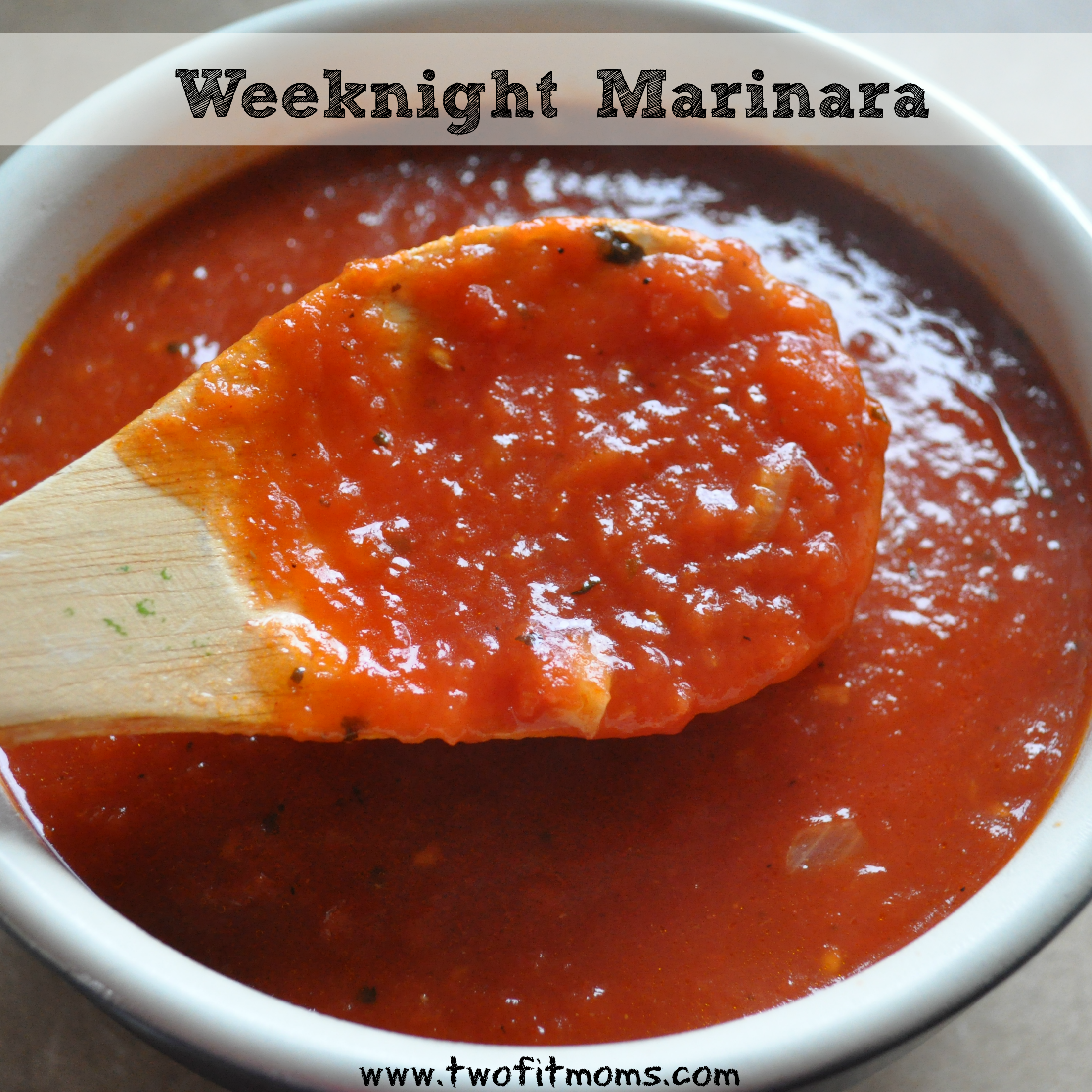
    marinaraWhy would you open up a jar of marinara sauce when you can easily whip up a homemade batch? I know, it seems like way too much work, especially on a weeknight when time is limited, but I can guarantee, in just a few simple steps you will have a hearty tomato sauce (a double batch, in fact) that would put any jarred sauce to shame.

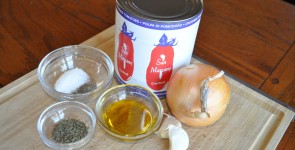
    The beauty of this marinara, is that it only requires a few ingredients, all of which you likely already have in your pantry: canned tomatoes (I prefer crushed), olive oil, garlic, onion, dried herbs, salt and pepper.

    And, you can modify it to your liking.  If you have more time and can let the sauce cook for a few hours, throw in a bay leaf.  If you like a spicy sauce add some crushed red pepper. If you prefer other herbs, throw in some oregano, parsley – and of course, use fresh herbs when they are available.

    This marinara can also serve as the basis for other tomato-based sauces.  Add some veggies and create your own primavera, or add some ground turkey, beef or sausage and you have a meat sauce . . . the possibilities are endless.

    Weeknight Marinara

    Yields enough for a pasta dinner for four with leftovers!

    2, 28 ounce cans of crushed tomatoes (I use San Marzano, but you can use any brand that you like)

    1/2 onion, chopped

    2 cloves of garlic, crushed

    a few tablespoons of olive oil

    1/2 teaspoon of dried basil (or oregano, parley, etc.)

    salt and pepper to taste

    Add a few tablespoons of olive oil to a large pot over medium heat.  Add the chopped onion, and let it cook until softened, 5-7 minutes.  Add the garlic until lightly browned (but not burned!).  Add the dried basil to the onion and garlic mixture — cooking it at this stage helps draw out its flavor.  Then, add the crushed tomatoes, salt and pepper to taste. If your sauce is too thick, feel free to add some water (or wine) — I would start with 1/2 cup.

    Let the sauce come to a full boil, and then reduce to low heat. Simmer for a minimum of 20 minutes.  Serve over a pasta of your choice.


  • 5-Ingredient Guacamole

    5-Ingredient Guacamole

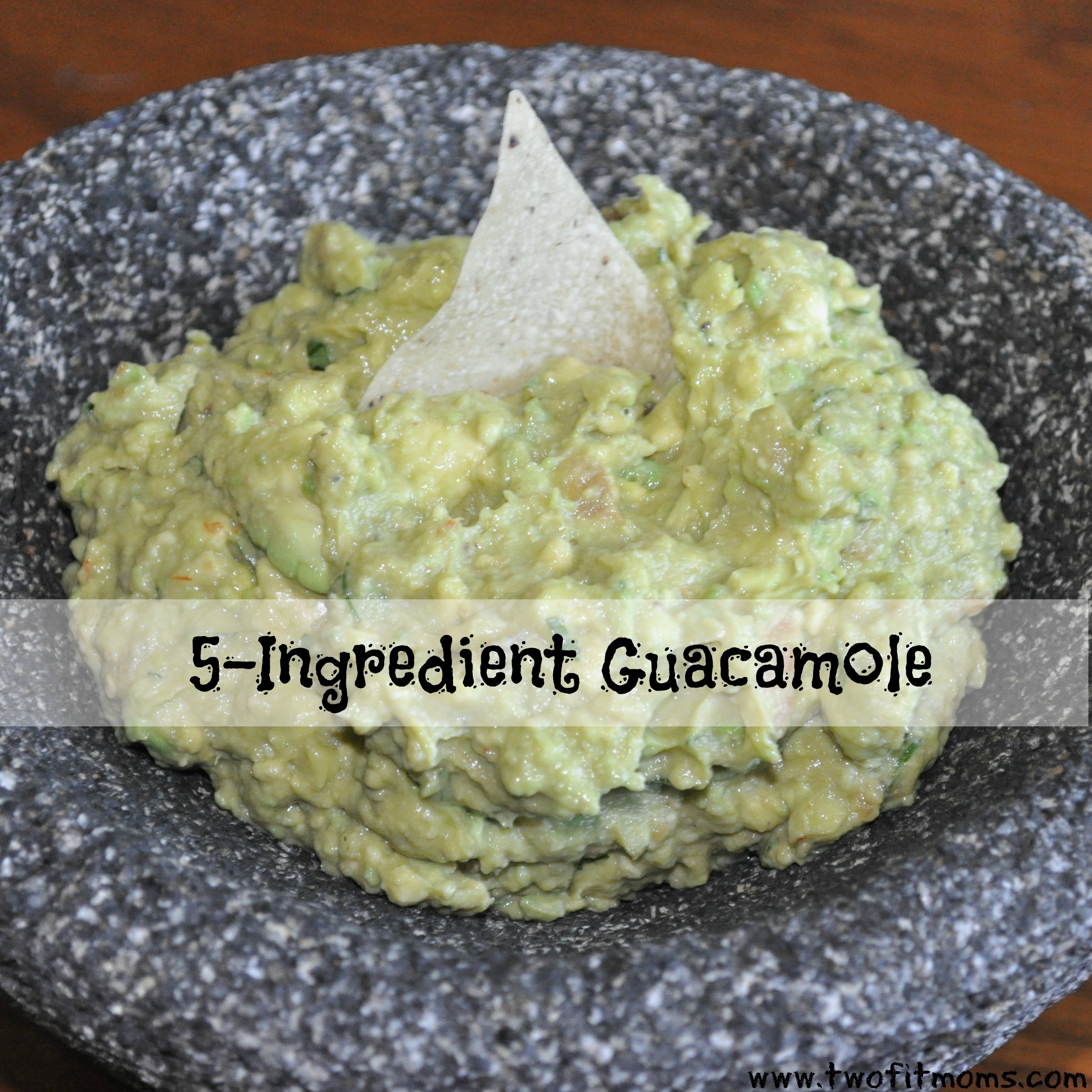
    guacamole with banner updatedCinco de Mayo is around the corner and what better way to celebrate then to whip up some guacamole?

    Rumor has it that my husband makes some of the best guacamole around.   His guacamole is usually a big hit at our parties, with guests parking themselves in front of it, so I thought it was worth sharing!

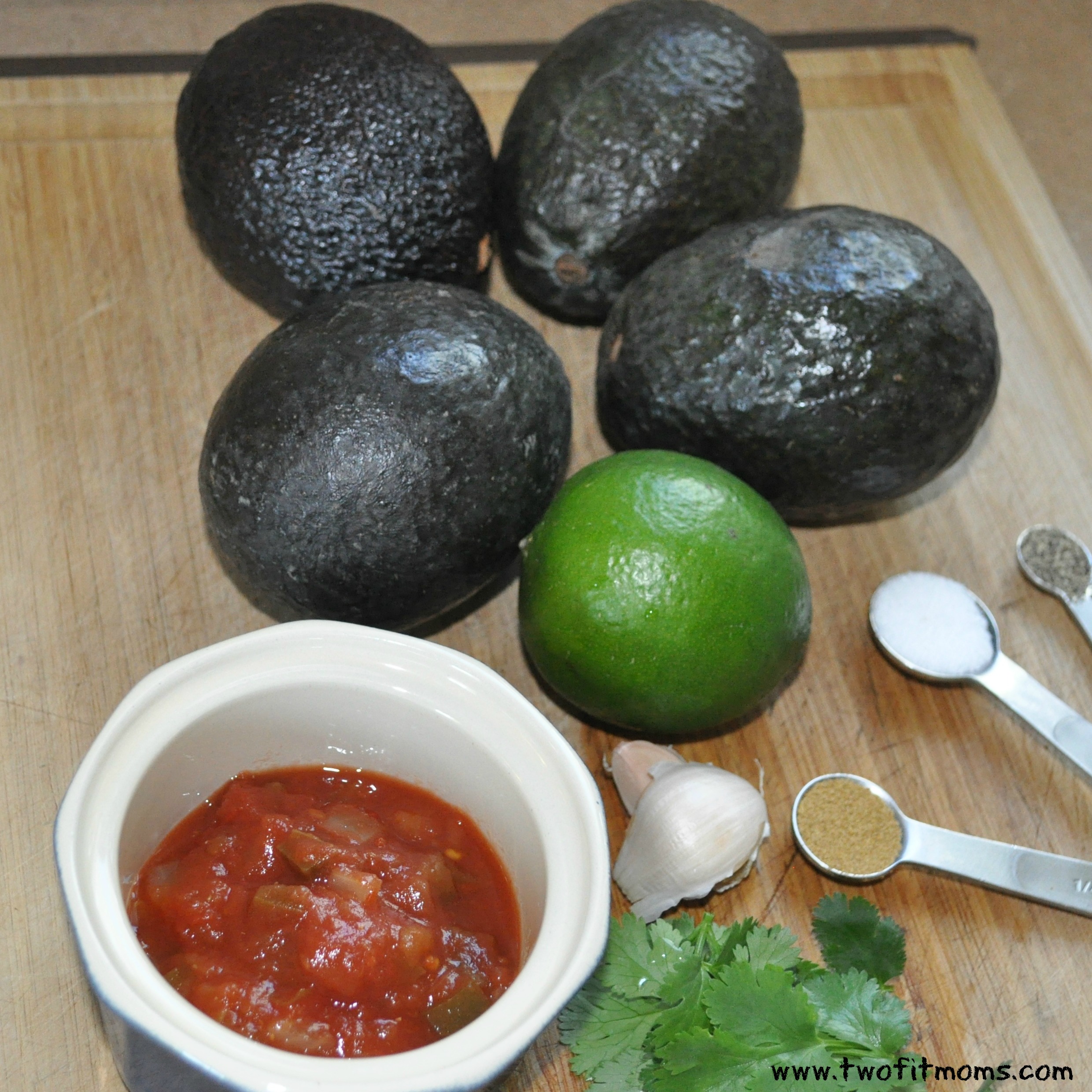
    It’s really very simple to make and only includes five main ingredients — avocados, garlic, lime, salsa, cilantro — and, some spices that you likely already have on hand. We suggest you serve it with tortilla chips — or raw veggies if you want to offer a healthier option.

    Of course, as with all of our recipes, you can modify it to your liking and substitute ingredients, as necessary.  For example, if ripe tomatoes are available in your neck of the woods, throw some chopped tomatoes into your guacamole (vs. the salsa we suggest).  If you don’t like cilantro, skip it.

    Make the recipe your own! (but, it’s pretty good as is!)

    5-Ingredient Guacamoleguacamole ingredients

    4 ripe Haas avocados

    1 large clove of garlic, crushed

    juice of 1 lime

    1/2 cup of store bought salsa

    handful of cilantro, chopped

    1 teaspoon of salt

    1/2 teaspoon of cumin

    1/8 teaspoon of pepper

    Cut avocados in half, remove pit, score each avocado and scoop flesh out into a bowl.  Mash the avocado with a fork until you achieve the desired consistency (some people like their guacamole chunky, others like it more mashed — all a matter of preference).  Add crushed garlic, juice of one lime, chopped cilantro, salt, cumin and pepper.  Mix until incorporated.  Serve immediately!

    Enjoy~


  • Demystifying Produce Codes

    Demystifying Produce Codes

    PLUCodesOne day not so long ago, I was shopping for produce in my local supermarket.  I looked down at the apple that I was holding, and I noticed a label stuck onto the skin.  The label had a 5-digit code on it.  I looked around and noticed that just about all of the loose fruits and vegetables had these stickers.  I started wondering about the significance of the numbers on the labels, and after going home to do a little Internet research, I decided to turn my findings into an article, just for you!
    It turns out that the numbers on the labels attached to individual vegetables or pieces of fruit are called Price Look-up (PLU) codes. PLU codes are four and five digit numbers that have been used in supermarkets since 1990 to make check-out and inventory control easier and more accurate.  For example, by using these codes, cashiers can quickly determine if they are looking at conventional apples or organic apples in your shopping basket and charge you accordingly.   Although the International Federation for Produce Standards (IFPS) created these codes for use by retailers, perhaps we can glean a bit of information from these numbers to help us become more informed consumers.

    Here is what I have been able to gather from the IFPS Users’ Guide.  If you would like to read directly from the primary source, please CLICK HERE.  If you would rather read my summary and thoughts, please continue to read below:

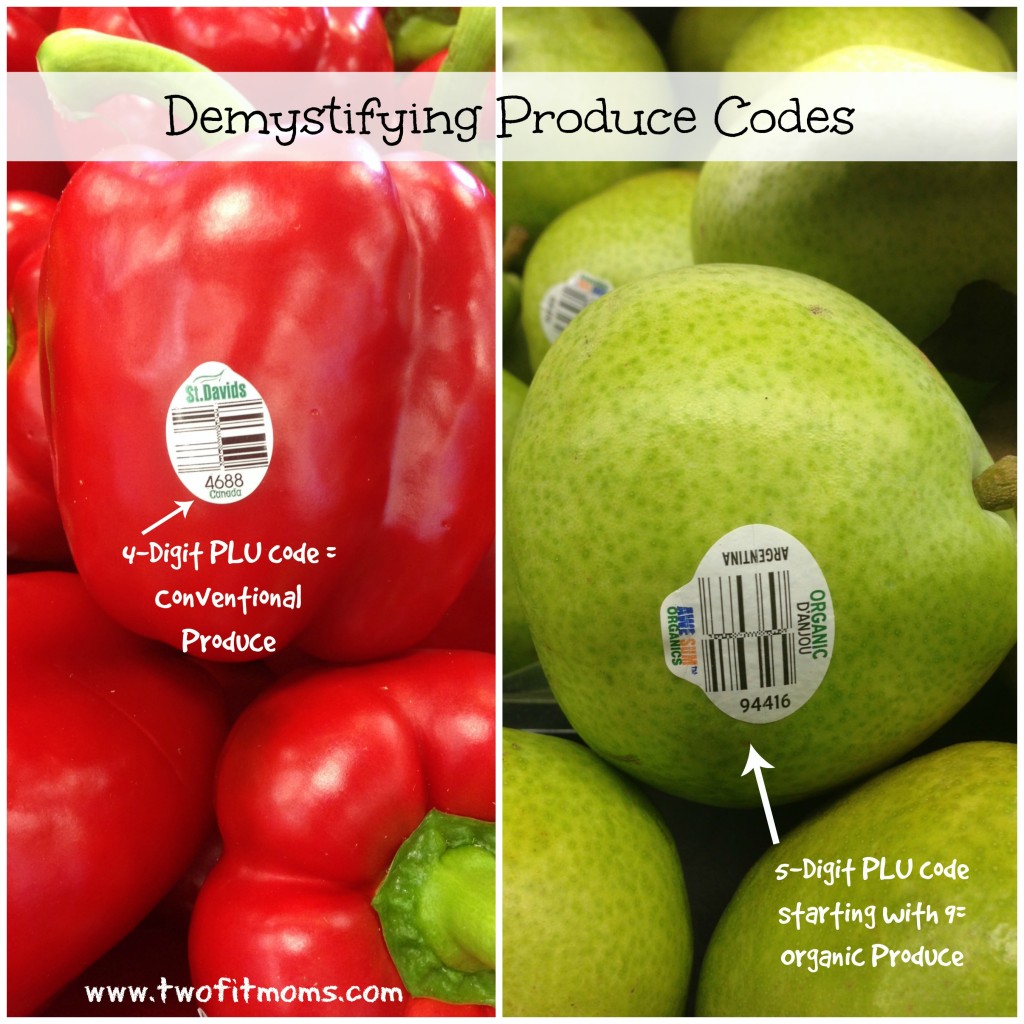
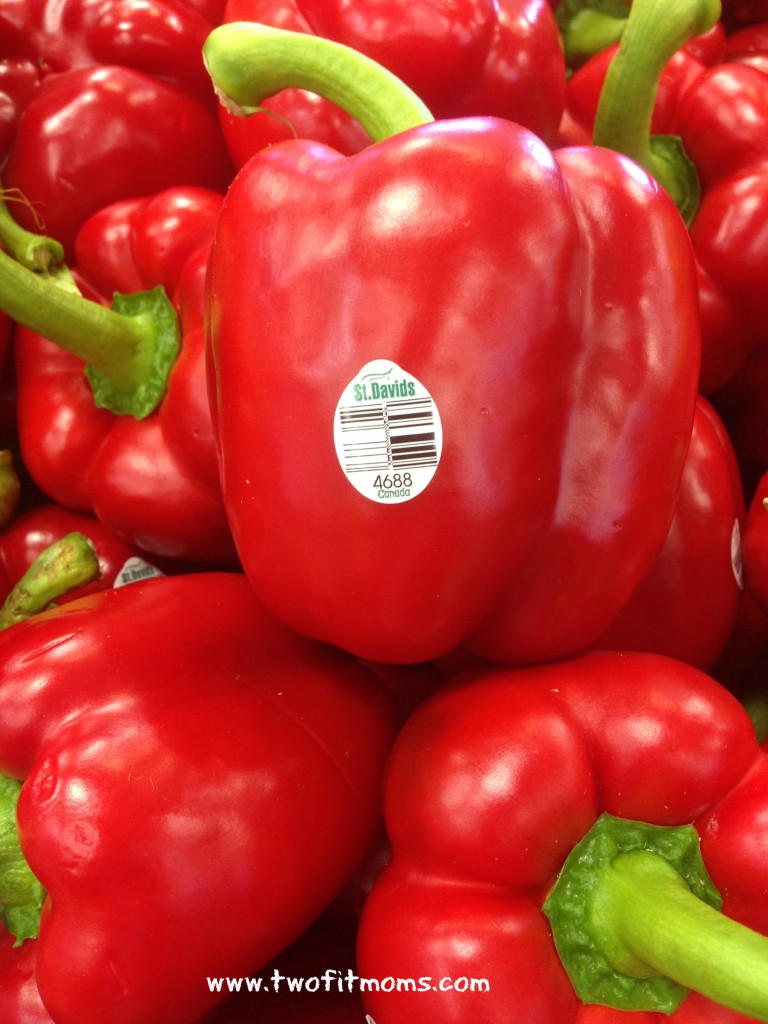
    All four-digit produce codes are assigned to conventionally grown produce.  Therefore, when you see a red bell pepper with a sticker that reads “4688,” you know immediately that this vegetable has been grown conventionally, and most likely has been treated with synthetic pesticides.ConventionalPepper

    All four-digit produce codes will be numbers in the 3000s or 4000s.  These numbers are randomly assigned and have no significance.  All that matters for your shopping purposes is the fact that the number is four digits, indicating conventional growing standards.

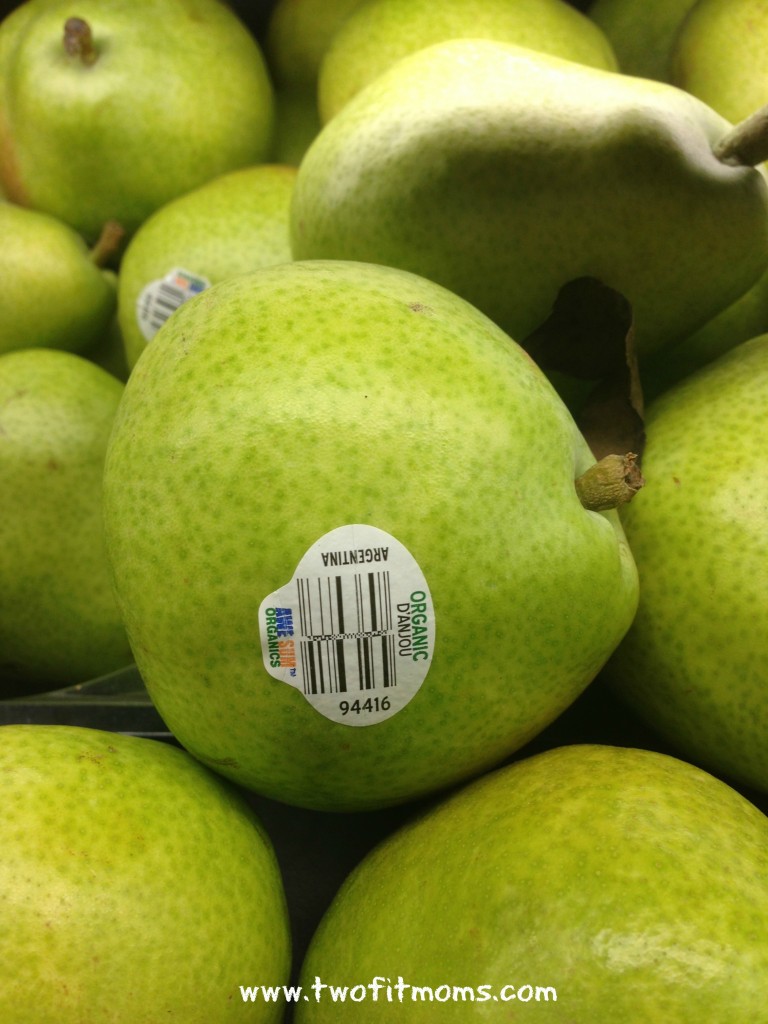
    A five digit produce code beginning with the number “9” indicates that the produce has been grown organically.  This means that the produce was grown without conventional pesticides, fertilizers made with synthetic ingredients or sewage sludge.  Genetic engineering or growth from genetically modified seeds is also prohibited for organic produce.organicpear

    A five digit produce code beginning with the number “8” indicates that the produce has been genetically modified.  HOWEVER, and this is a BIG however—this seems to be a completely theoretical concept.  From my own personal experience of looking through bulk produce bins at various supermarkets, I have yet to find a single fruit or vegetable marked with a sticker beginning with the number “8”.  This makes sense, as the use of PLU codes is not mandatory.  If the use of such labels is not required, why would a grower/retailer ever stick a label identifying its fruits or vegetables as genetically modified?  Would anyone ever buy such produce if genetically modified fruits and vegetables were readily recognizable?  I know I certainly wouldn’t.

    If genetically modified fresh produce is not labeled as such, what can we as consumers do?  In my opinion, the best we can do is to be well aware of the most commonly genetically modified produce, and specifically seek out the organic versions of these fruits and vegetables.  Fortunately, the list of commercially available genetically modified produce is short.

    The three major genetically engineered crops in the United States are corn, soybeans, and cotton. More than 90% of all corn, soybeans and cotton grown in the US in 2013 was genetically engineered, and these three GMO crops account for HALF of the total land used to grow crops in the US.

    Knowing that you will most likely never see a PLU code starting with the number 8 on each of your ears of corn, just go ahead and make the assumption that it is genetically modified.  As you shop, just be sure to look for corn that is labeled as organic, if you would like to stay away from genetically modified produce.  Likewise, make sure that you always buy organic soybeans and tofu.

    Other genetically engineered crops in the US include canola, sugarbeets, alfalfa, papaya and squash.  GMO crops such as cotton and canola are not classified as “produce”, but it is good to be aware, as cottonseed and canola are typically used in the production of shelf-stable products, such as oils and margarine.

  • Quick Tips for Preparing Asparagus

    Quick Tips for Preparing Asparagus

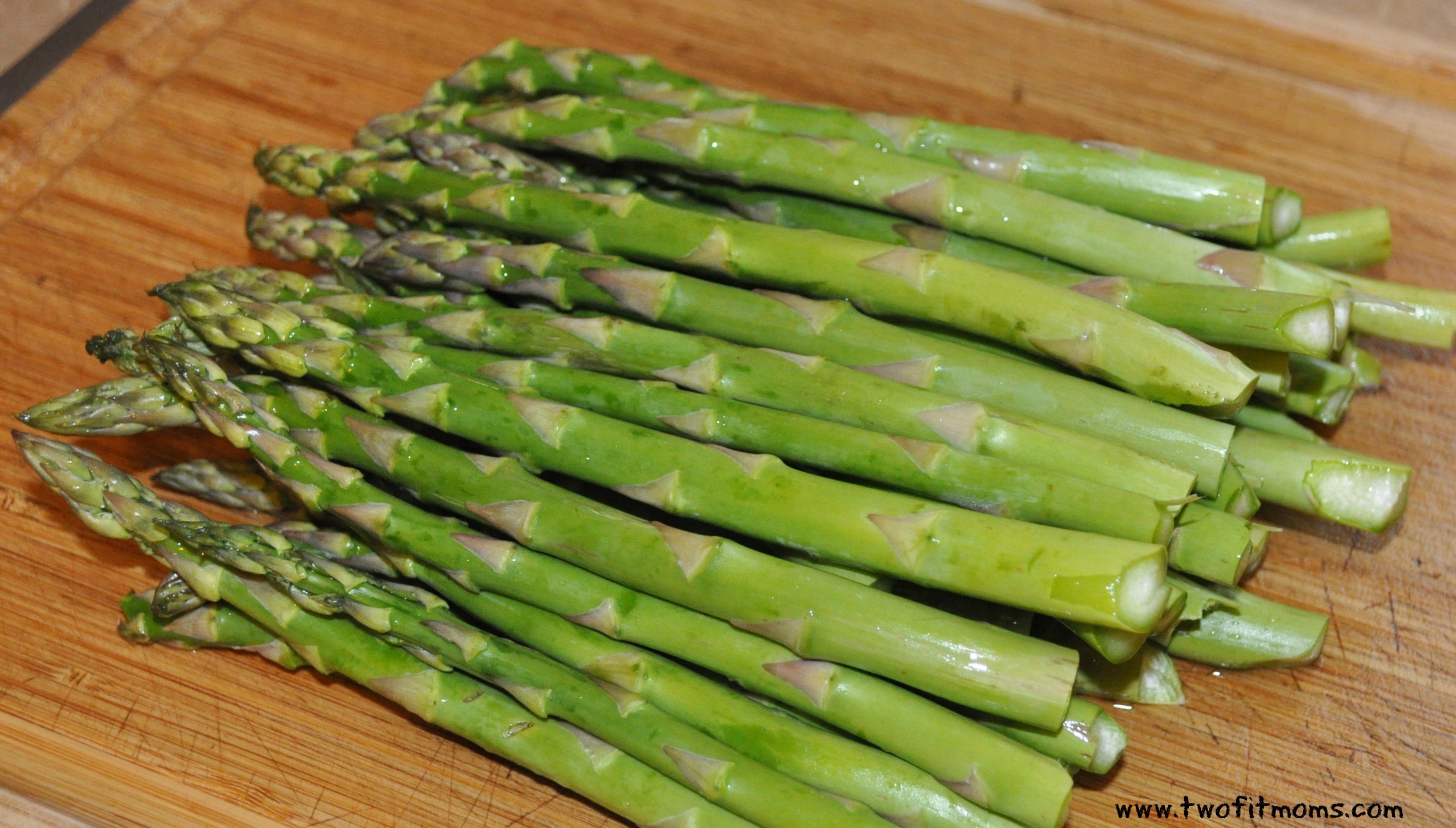
    asparagus with bannerI love asparagus, and recently my kids started to really like it too – which means it will be a staple on my menu this season.

    I have a feeling, though, that many people pass up asparagus because they don’t know how to prepare it.  So, this article serves two purposes — one, to get you to try asparagus, and two, to help you learn how to prepare it properly.

    First, when you go to the market, look for a bunch of asparagus that has uniform thickness.  This will ensure that the asparagus cooks evenly. You also want to make sure it’s fresh — it should be crisp and bright green.

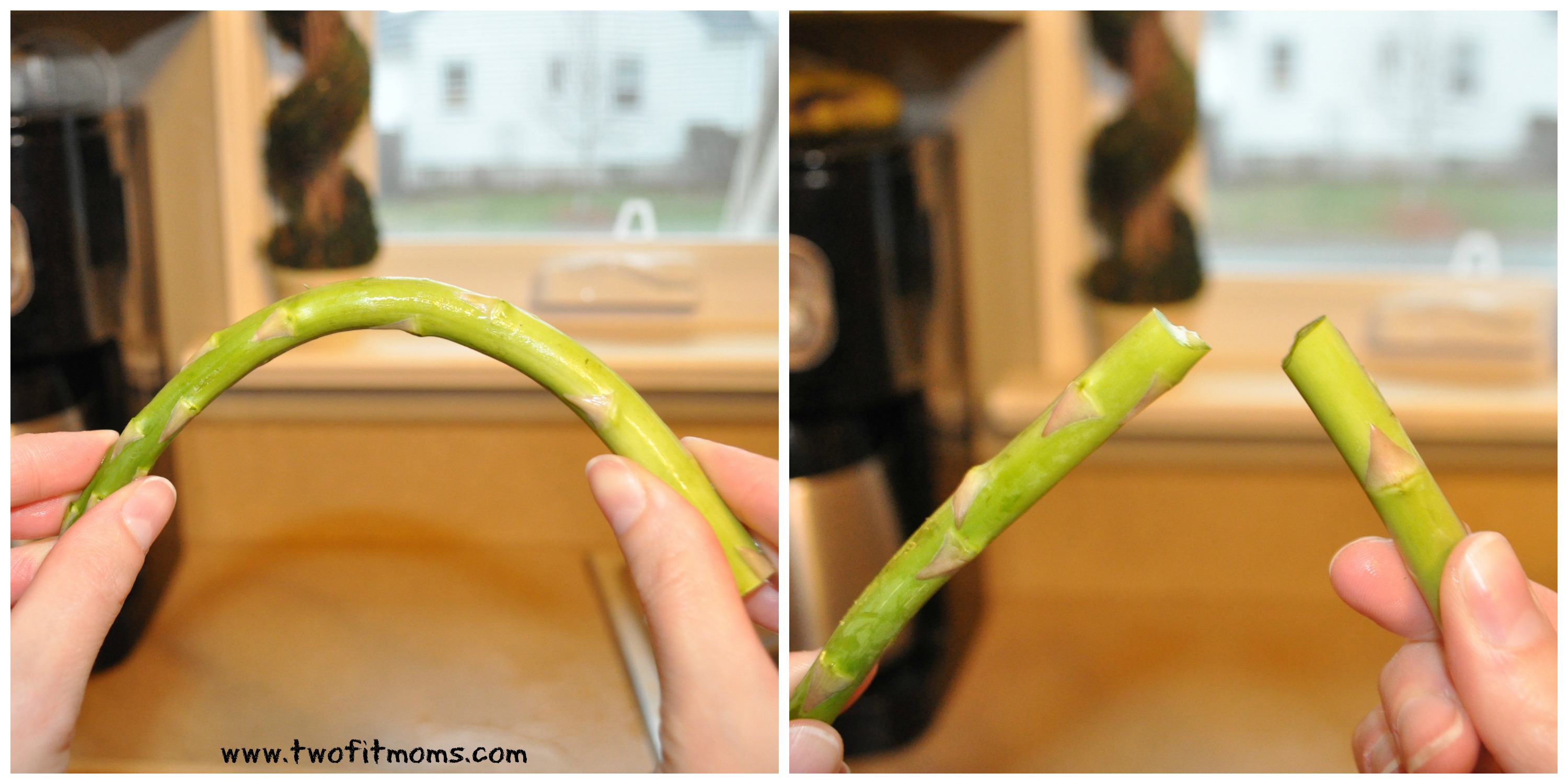
    The most important part of prepping asparagus is removing the lower, tough portion of the spear.  Most people just chop the bottoms off the spears without much thought, but there’s actually a method to trimming asparagus.

    Rather than randomly cutting a portion off the bottom, you take the spear between both of your hands and bend.  The spear will break naturally separating the tough lower portion from the more tender, upper portion of the spear. (For those of you looking to make use of the trimmings, you can reserve them for stock!)asparagus collage
    The spears may not all be the same exact length, but that won’t affect the cooking process.

    asparagus zfeatured

    Now that we have prepped the asparagus, let’s cook them! I prefer to roast them, but you could also saute them in a pan with olive oil or blanch them in a pot of boiling water. We are big on roasting our veggies these days, so here’s a quick and tasty preparation for roasted asparagus!

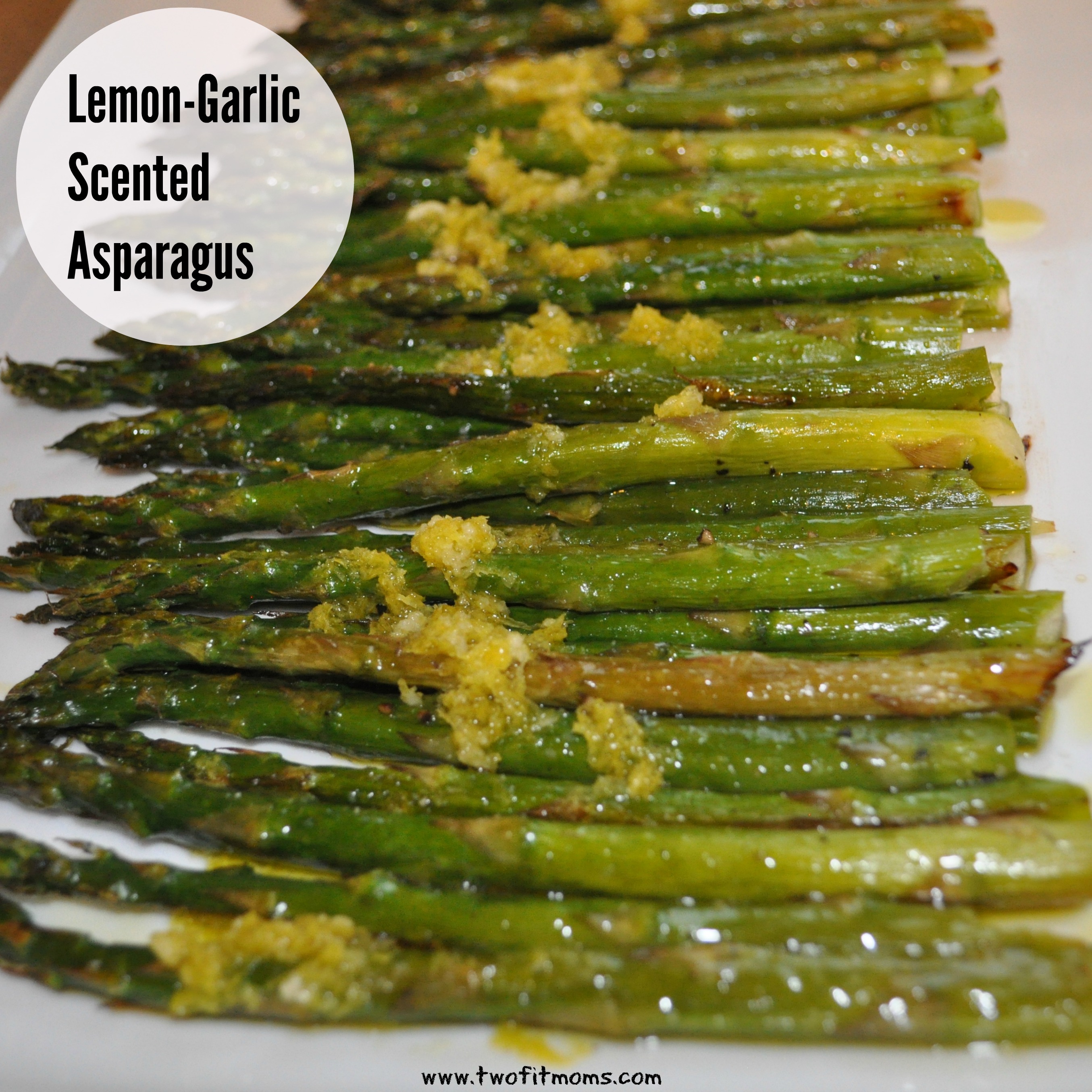
    Lemon-Garlic Scented Asparagus

    Serves 4-6 adults (with leftovers!)

    Before we launch into the recipe I just want to point out that you DO NOT want to pour lemon juice on top of your asparagus.  The lemon juice will turn your asparagus gray — it will turn most other green veggies the same color.  Instead, we are using lemon zest which will not affect the color of your asparagus, but will scent it with a wonderful lemon flavor!

    2 bunches of asparagus, stems trimmed

    1 lemon, zested

    1 garlic clove, crushed

    olive oil

    salt and pepper to taste

    Preheat oven to 400 degrees.

    Arrange trimmed asparagus in a single layer on a large baking sheet. Drizzle a few tablespoons of olive oil over the asparagus, season with salt and pepper to taste. Roast asparagus for approximately 20-30 minutes, turning them occasionally, until tender and browned (cooking time will vary based on the width of the asparagus).

    While the asparagus is roasting, mix together the lemon zest, crushed garlic and 2 tablespoons (or so) of olive oil in a small bowl.

    Remove asparagus from the oven and arrange on a platter.  Drizzle lemon/garlic/olive oil mixture on top of the asparagus.

    Serve and enjoy!

    The good thing about this recipe is that you can modify the amount of garlic and lemon zest you use, so make it your own!

  • Roasted Potato Leek Soup (Gluten- and Dairy-Free!)

    Roasted Potato Leek Soup (Gluten- and Dairy-Free!)

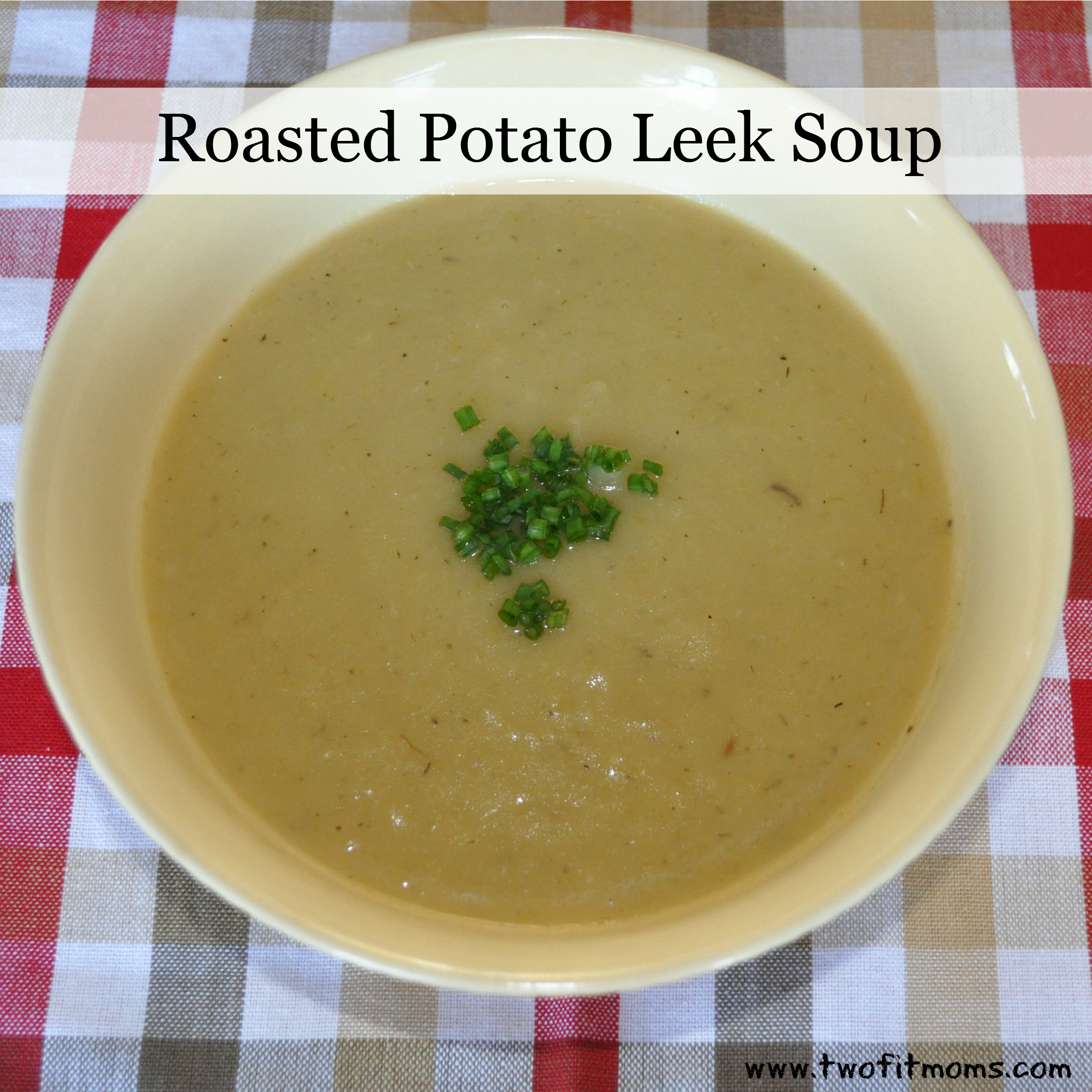
    leek soup updatedLeeks are a spring vegetable.  And, now that they are in season, it’s the perfect time to incorporate them into into your cooking.

    If you’ve never cooked with leeks, this roasted potato leek soup is a great, and simple, introductory recipe. The roasted vegetables offer depth of flavor and compensate for the lack of dairy in the soup (potato leek soup usually contains cream).  It’s also gluten-free!

    Leeks have a mild onion flavor.  The dark green portion of the stalk, which is too tough to eat, is removed (wash and save it for stock!), using only the light green and white portion. Learning how to clean the leek is important since sand tends to get caught in the stalk.  Therefore, you need to take a few steps to prep the leeks before proceeding with the recipe.

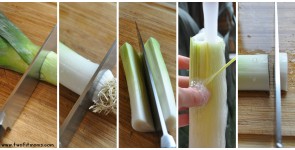
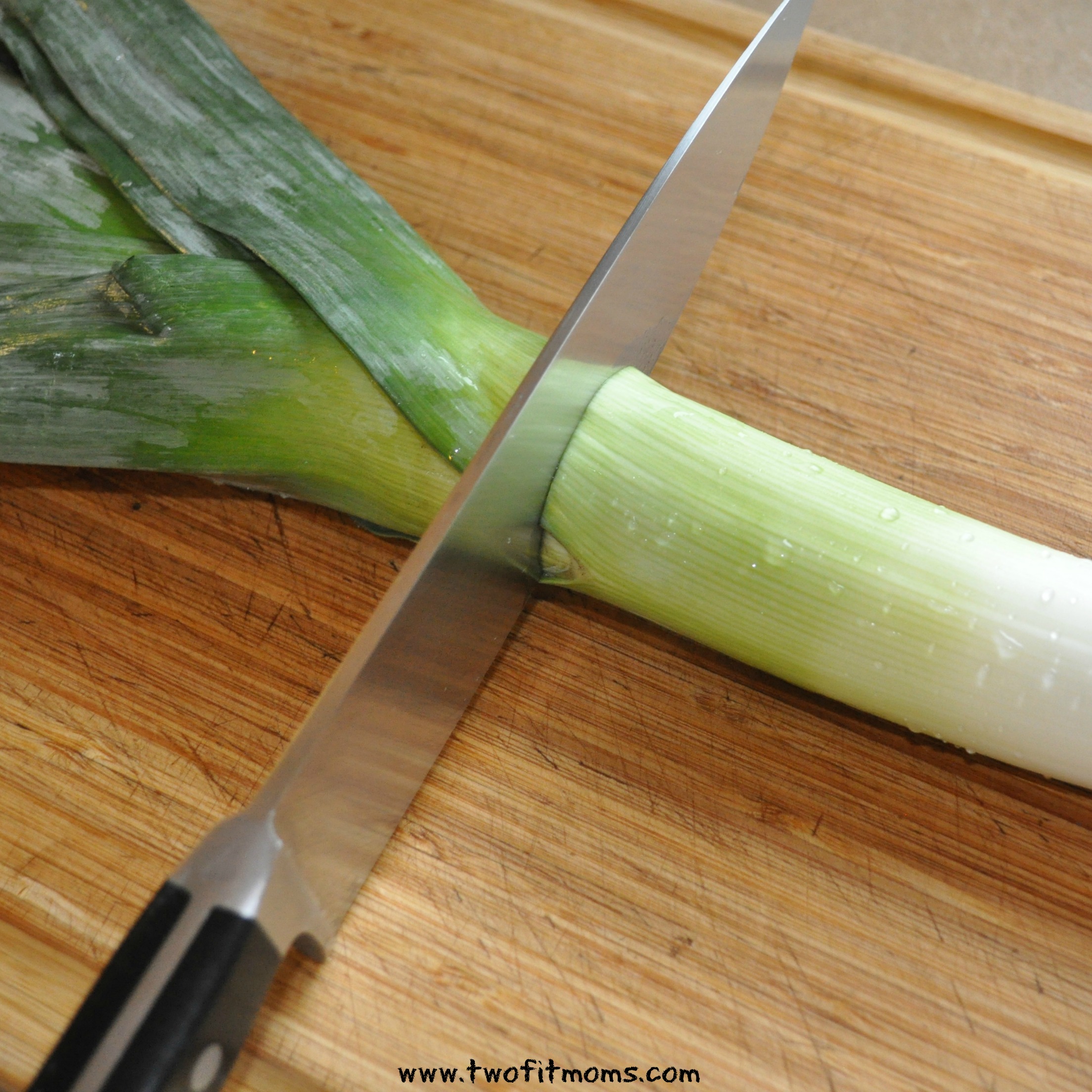
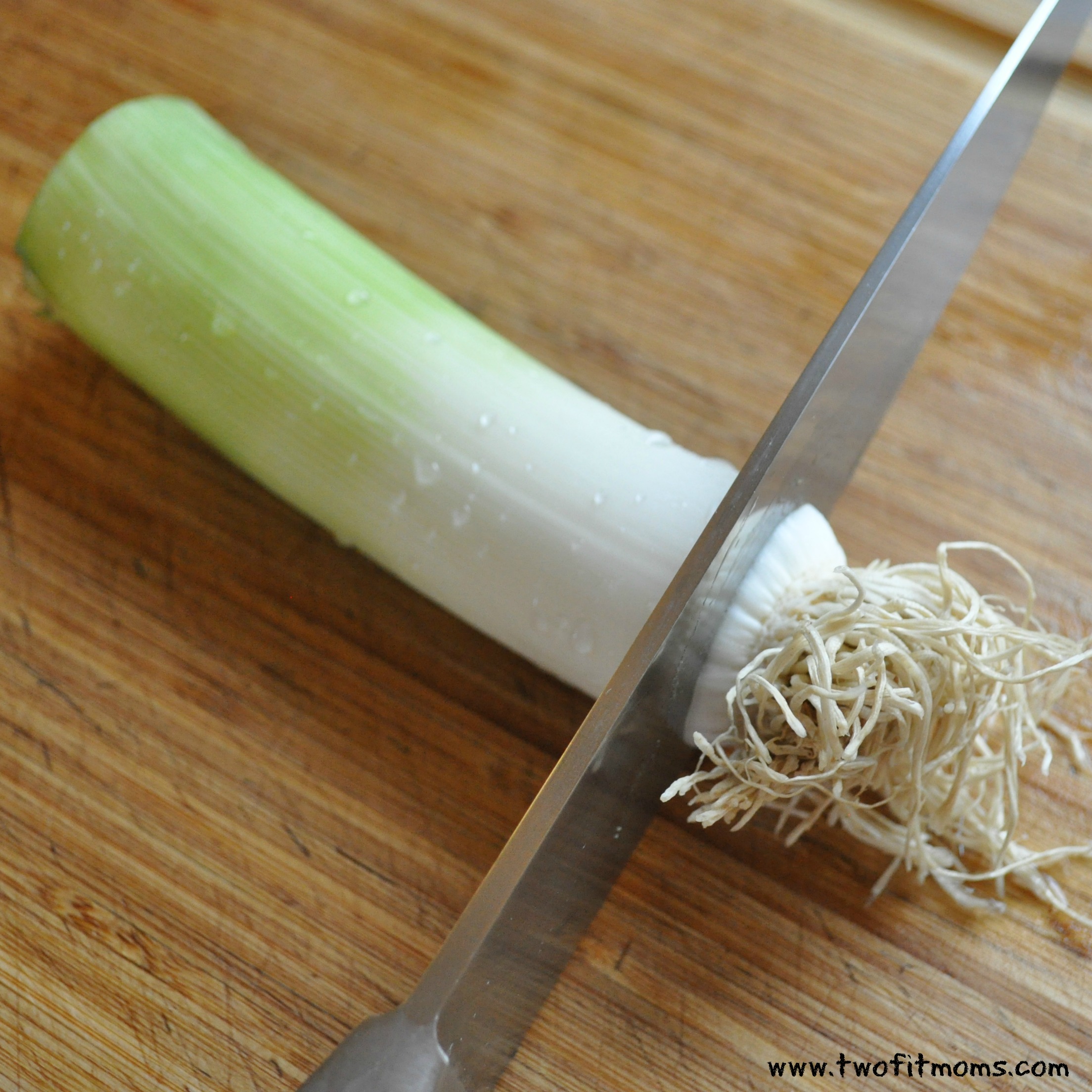
    First, remove the dark green portion of the stalk.
    leek 1
    Then cut about a 1/4-1/2 inch from the bottom, white portion, of the stalk.
    leek 2
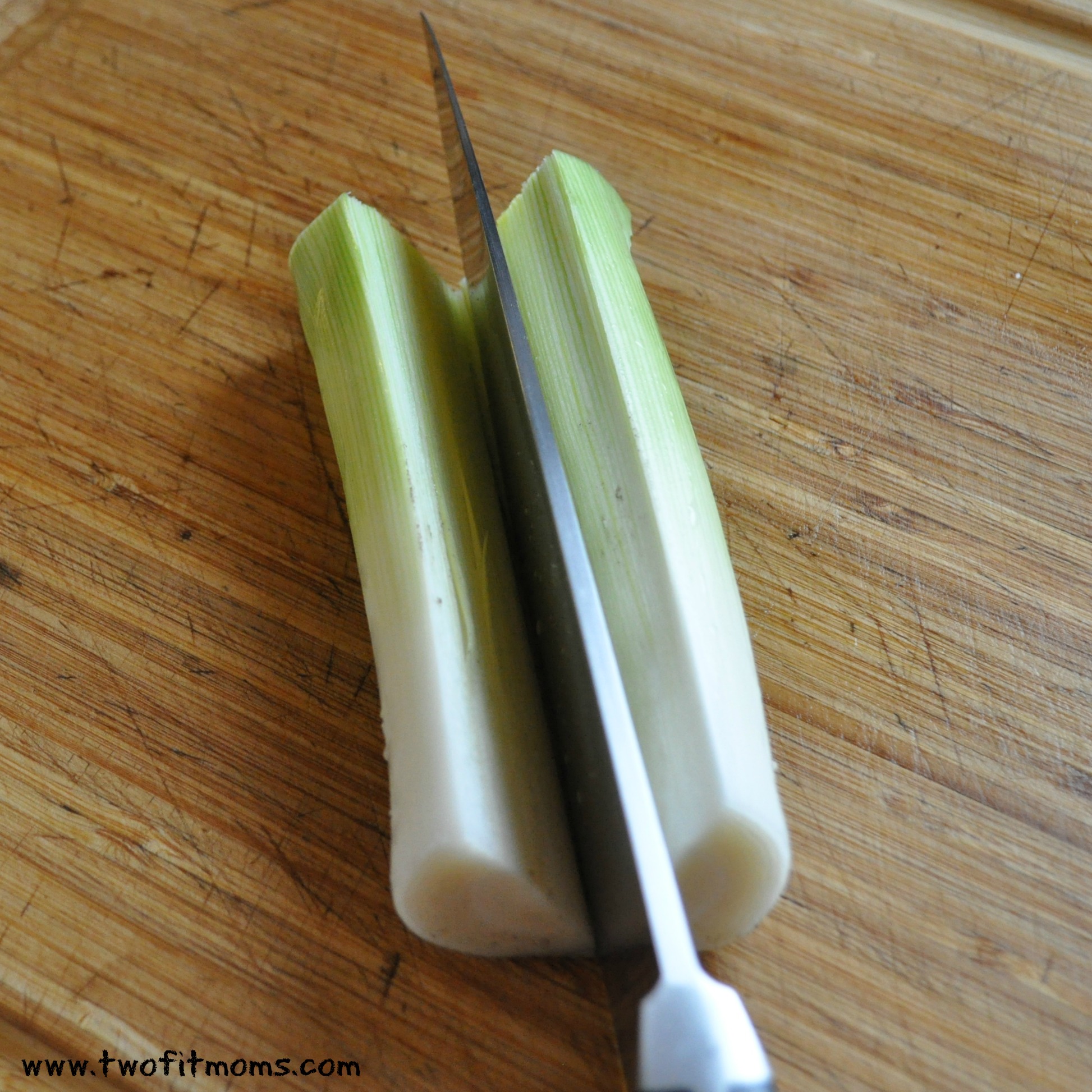
    Next, cut the leek lengthwise.
    leek 3
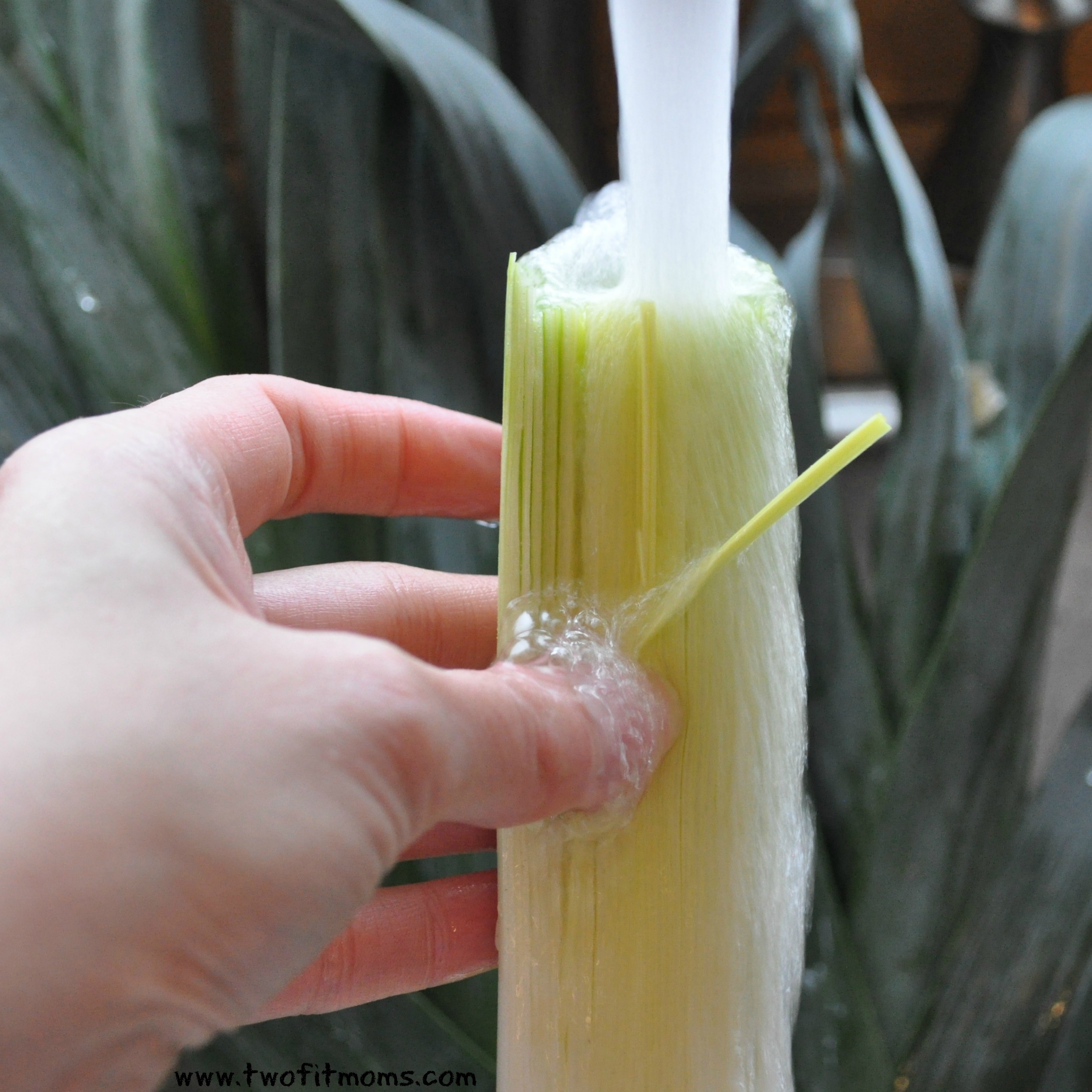
    Rinse the leek under cold running water to remove the sand.
    leek 4
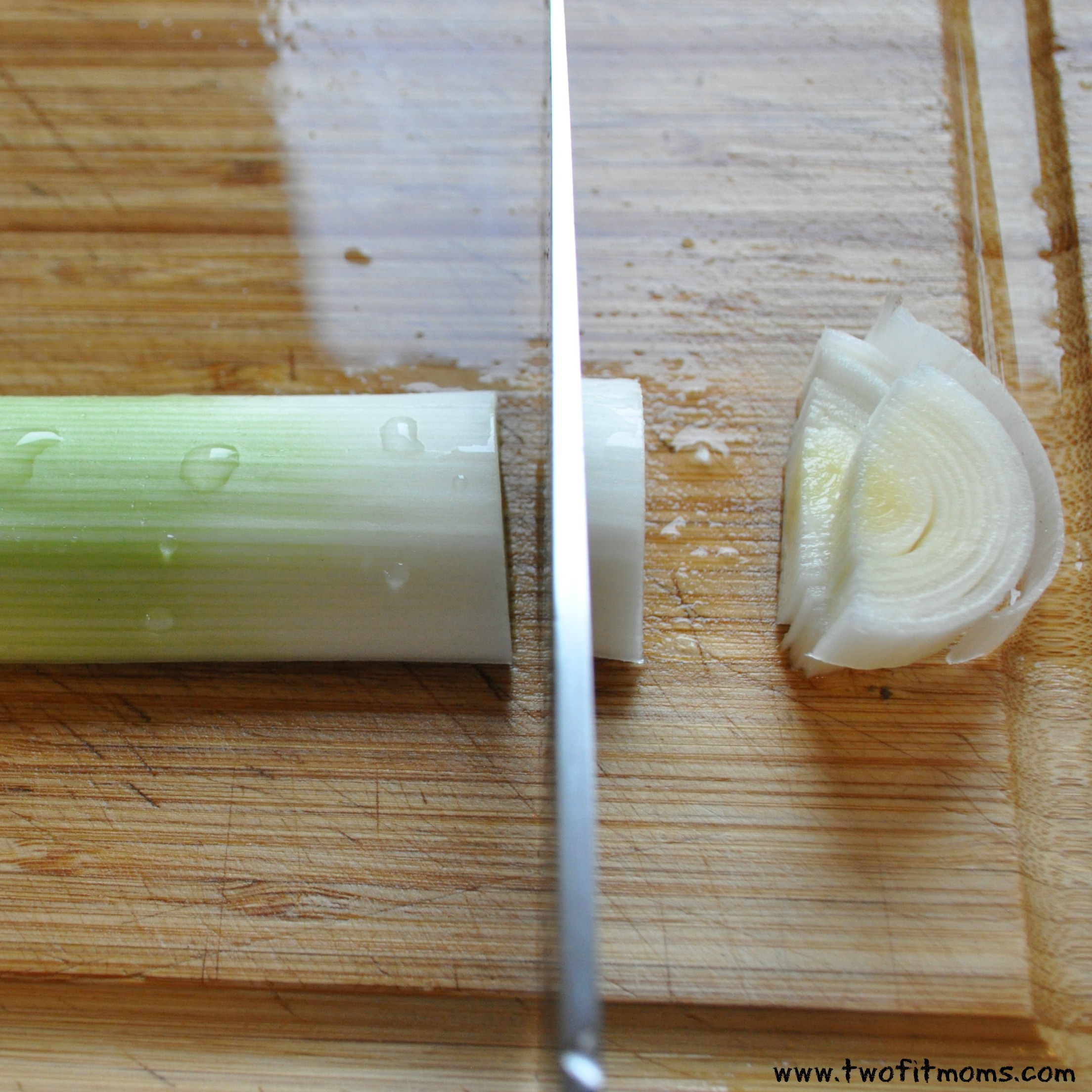
    Then, put the leeks cut side down and cut the leeks in 1/2 inch slices.
    leek 5
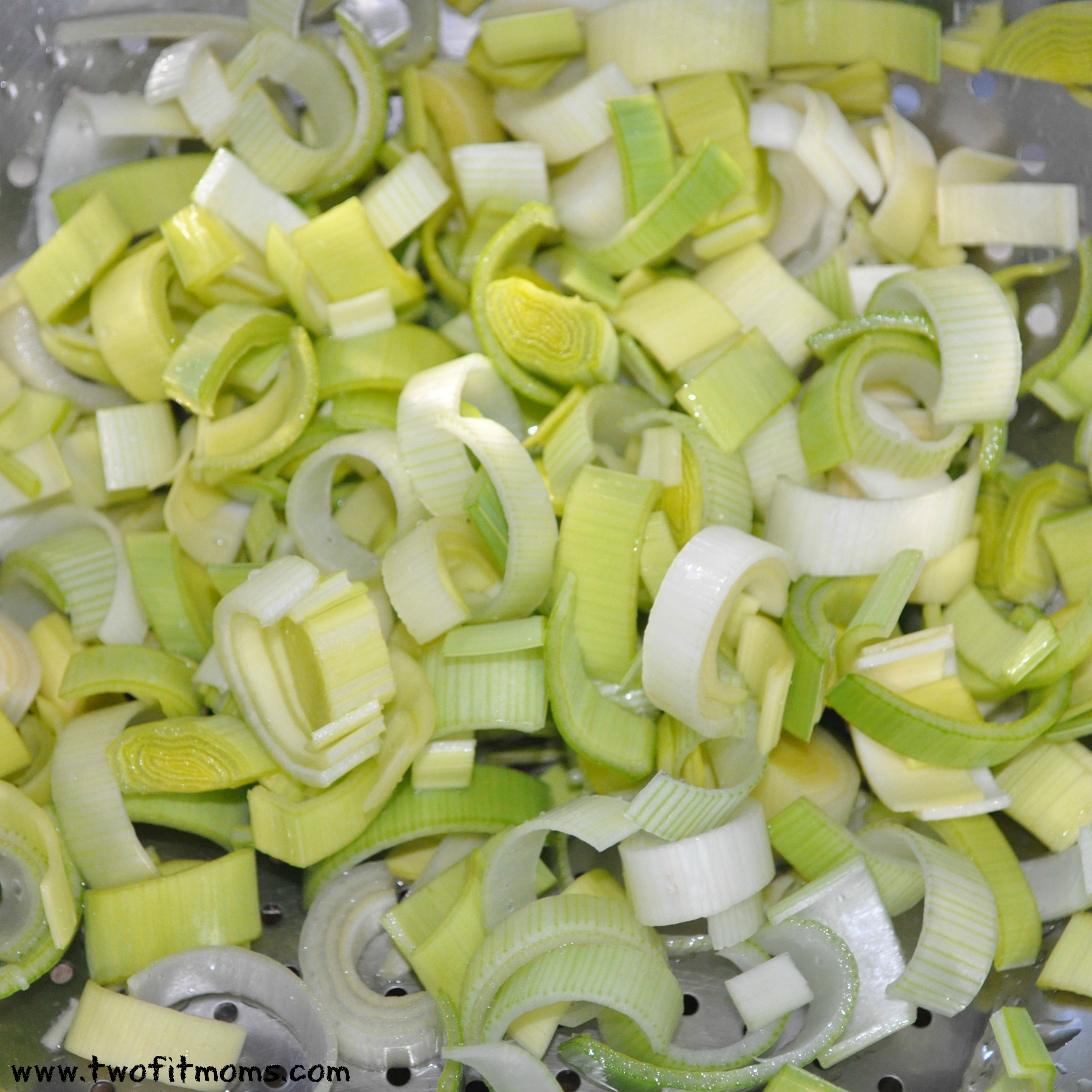
    Toss the leeks into a colander, separate the layers and run under cold water to make sure all of  the sand is removed.
    leek colander

    Now you are ready to prepare the soup.

    Here’s the full recipe:

    Roasted Potato Leek Soup

    4 leeks, washed and prepared as noted above (1/4-1/2 inch slices)

    3 large russet potatoes, peeled and chopped into 1/2 inch dice

    1 teaspoon of salt

    1/2 teaspoon of dried thyme

    1/4 teaspoon of black pepper

    3-4 tablespoons of olive oil

    6 cups of organic, gluten-free chicken stock or vegetable stock (non-tomato based)

    chopped chives for garnish (optional)

    Preheat oven to 400 degrees

    Arrange sliced leeks and diced potatoes on a large cookie sheet.  Top with salt, thyme, pepper and olive oil (feel free to add more olive oil if necessary) and mix to coat.  Roast the vegetables for approximately 50 minutes, stirring them frequently.  Once potatoes are tender, remove from oven.  At this point, you might notice a few dark pieces of leek, you can toss those.  Transfer roasted leeks and potatoes to a large stock pot.  Add the six cups of chicken stock and bring to a boil over medium heat.  Remove mixture from the heat.  Blend the soup in two batches in a blender (please note, a Vitamix or other high powered blender, may be too strong for this job — you do not want to over-blend the soup.  It will yield a gummy consistency).

    Serve hot or at room temperature.  Top with chives.

    Yields two quarts of soup.


  • How to Roast Veggies

    How to Roast Veggies

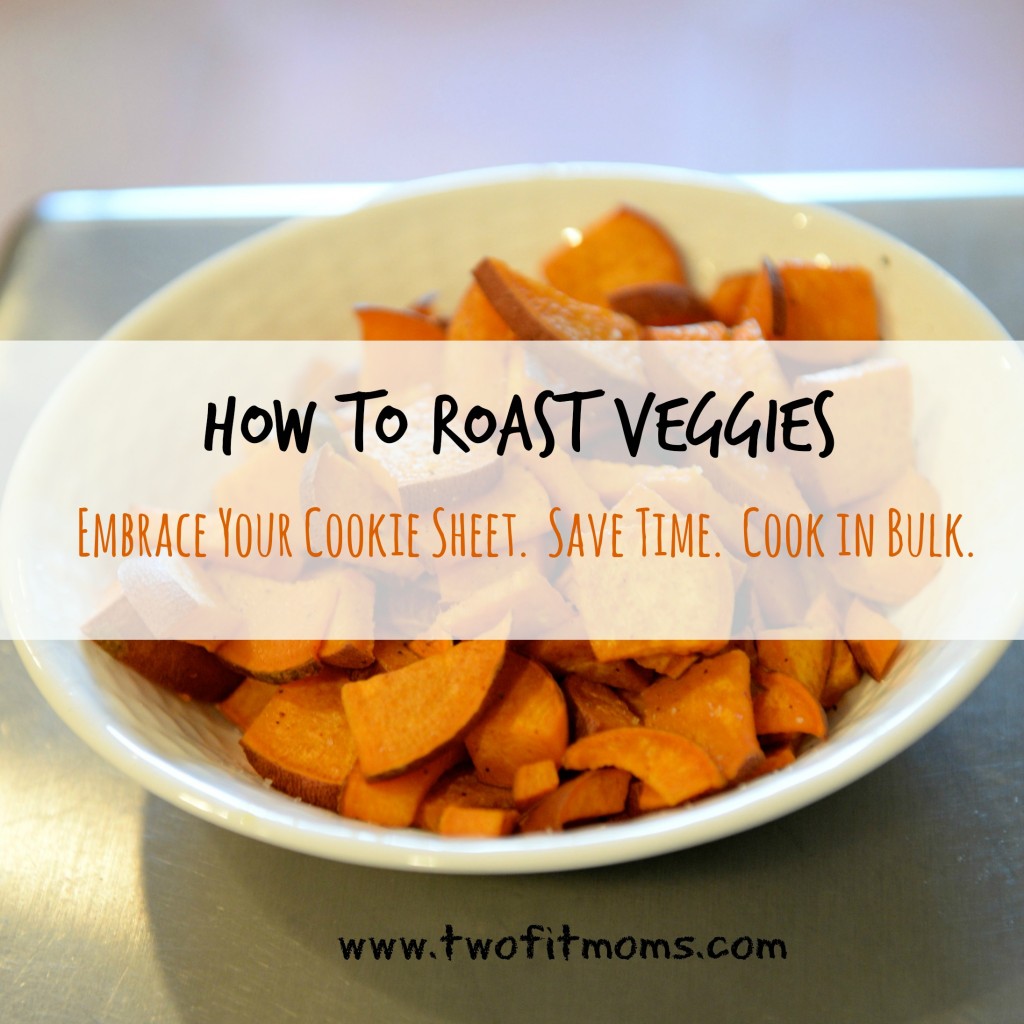
    If you think you are too busy to cook and prepare vegetables for yourself each day, I have the perfect solution for you.  Embrace your cookie sheet.  My cookie sheet allows me to prepare larger HowToRoastVeggiesquantities of vegetables at one time.  Instead of cooking for just one meal, I roast enough veggies for two or three meals.  Unlike boiled or steamed vegetables, which may feel soggy and limp on day two or three, roasted vegetables maintain a delicious flavor and can be chopped into omelettes, pureed into soups or layered onto a sandwich with a balsamic glaze.  Let me show you a basic technique.
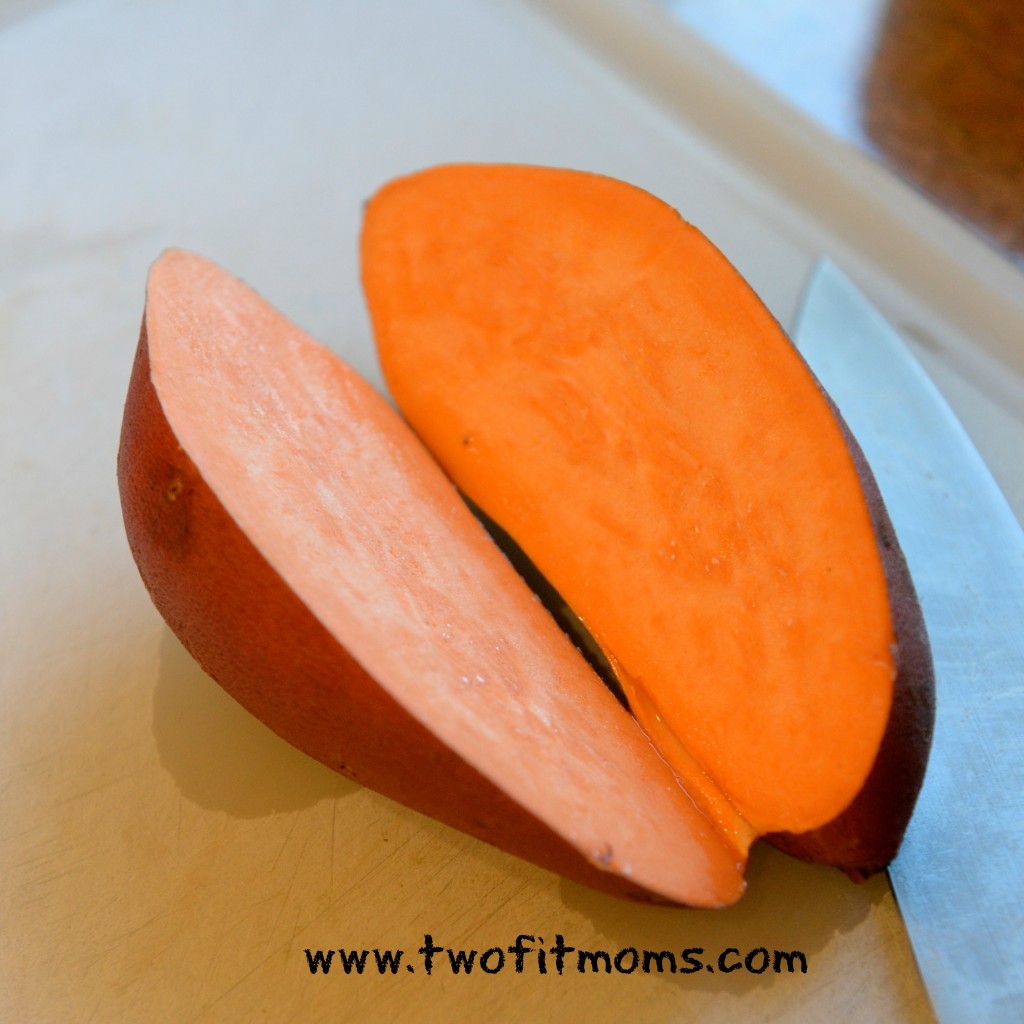

    I happen to be working with yams in this tutorial, but I highly recommend using this method for all sorts of vegetables.  Broccoli, cauliflower, carrots and different types of squash are all good choices.

     Step 1
    Pre-heat your oven to 375 degrees.  If you are working with yams, buy organic so you can just scrub the skin and keep it on.  Cut the yam in half lengthwise.

    CutinHalf
    Step 2
    Place each half, face down onto your cutting board.  Slice each half into thirds, lengthwise.
    InThirds

    Step 3
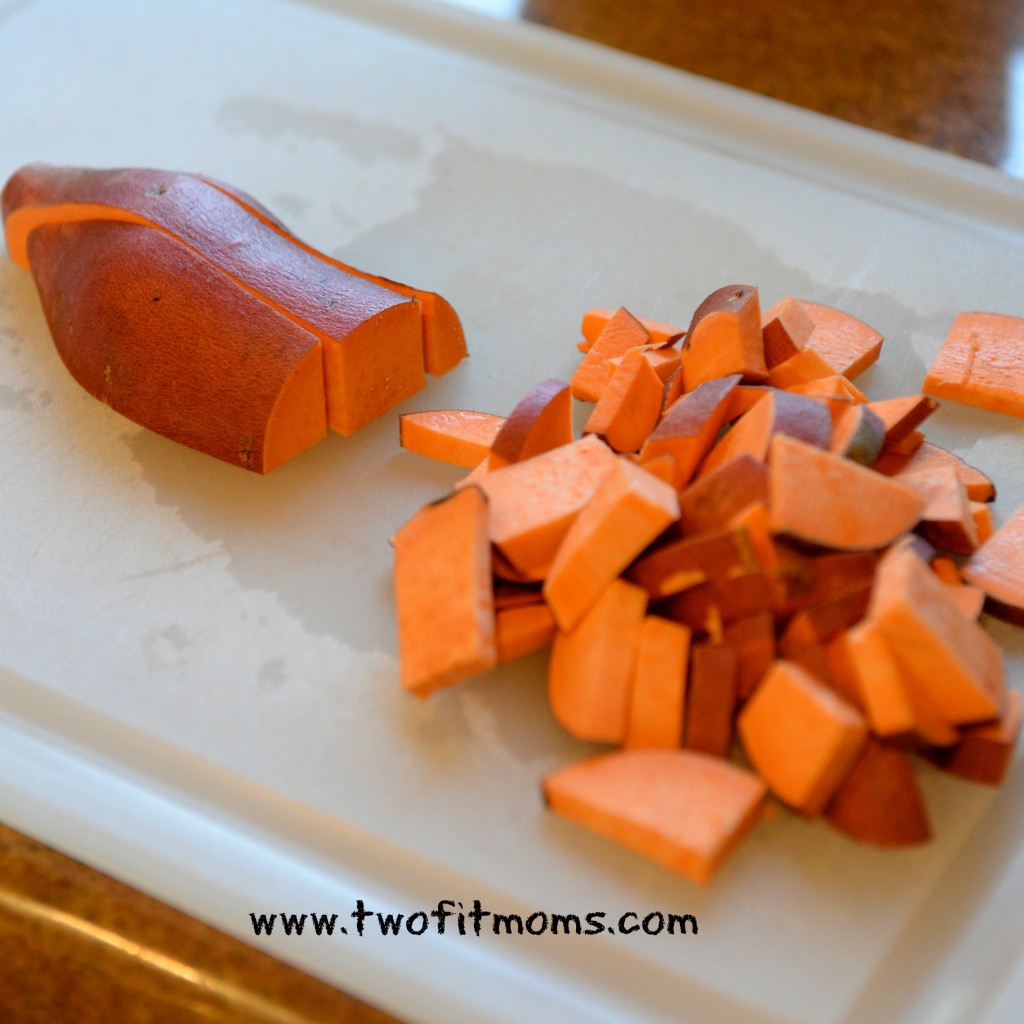
    Now that each yam is cut in half and then into long strips, cut these strips into smaller bite-sized pieces (about ¼ inch or ½ inch thick).
    BiteSize

     Step 4
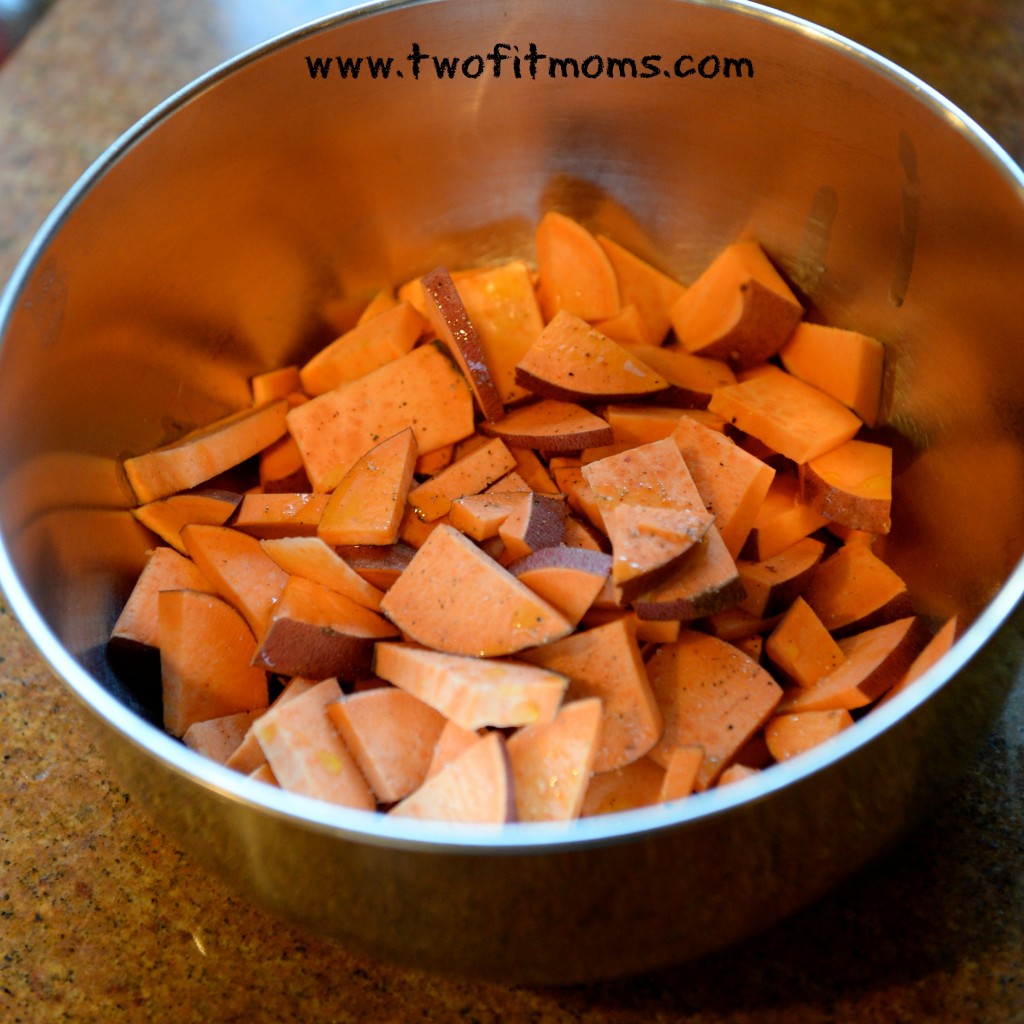
    Toss the bite-sized yam pieces into a bowl with olive oil.  My rule of thumb is to use about 1 tablespoon of oil for each yam in my recipe.  The yams should not be dripping with oil but have a slight sheen.  Season with salt and pepper.

    InBowl

    Step 5
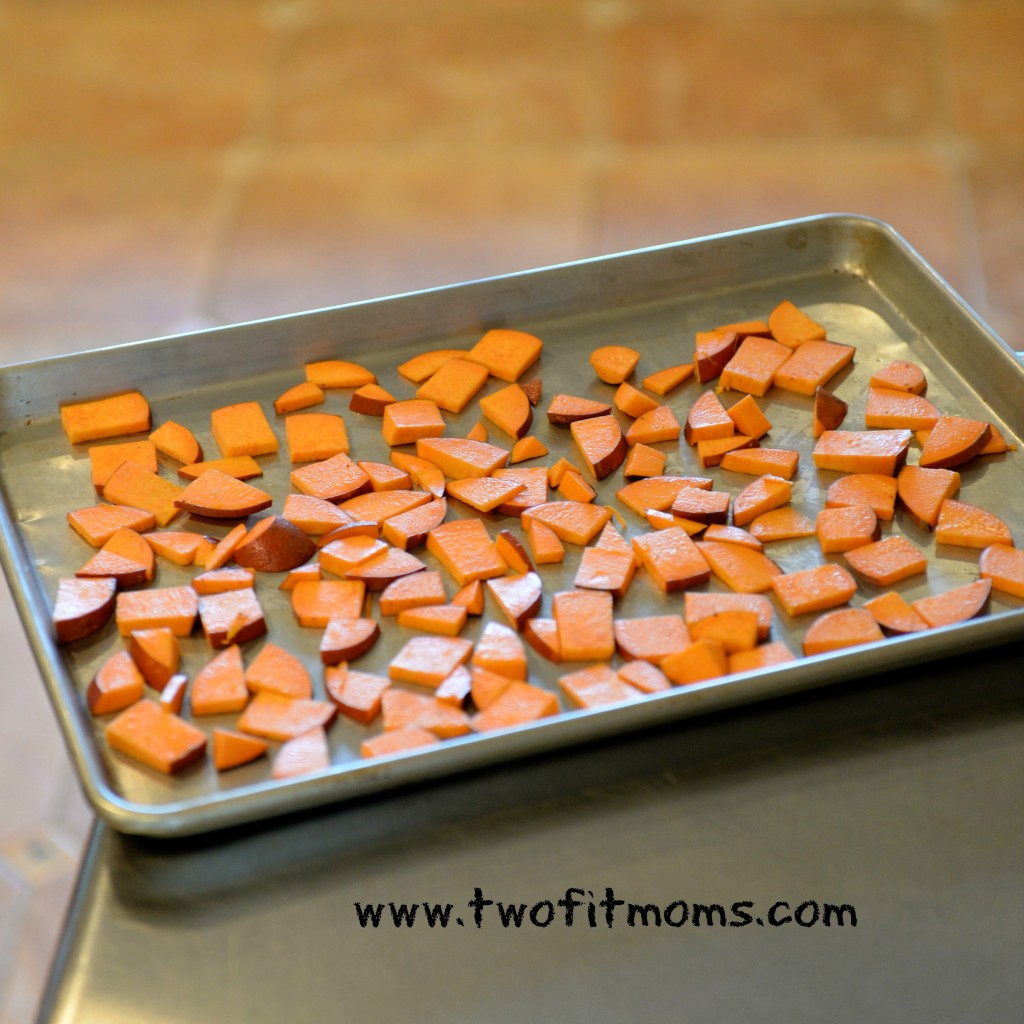
    Spread the oil-coated vegetables in a single layer onto a cookie sheet.  Bake in the oven for 20-25 minutes.
    CookieSheet

    Use this method to prepare all of your vegetables when you are short on time!  Enjoy your roasted yams/vegetables as a side dish or as an ingredient in a completely new dish!


  • Shaved Fennel Salad

    Shaved Fennel Salad

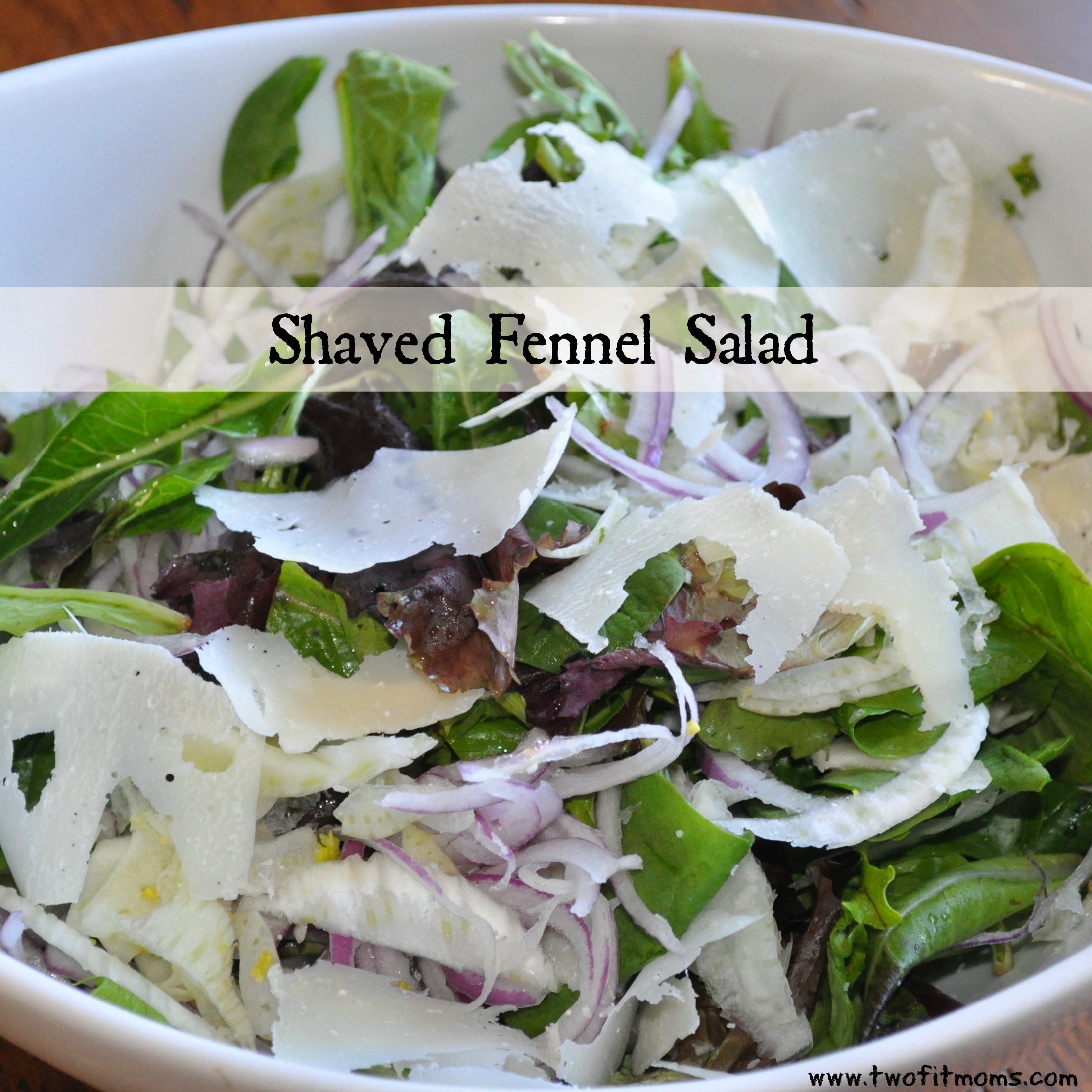
    shaved fennel salad with bannerSpring has sprung, and while it’s still a little chilly in our neck of the woods (e.g., New Jersey), we are eagerly embracing the change of season.  Soups and stews and hearty meals have dominated our menus, and maybe yours too!  But, in honor of spring, we are going to lighten things up a bit, and we thought this delicious shaved fennel salad was the perfect recipe to ease us into the season!

    There’s really nothing to it, but I think what makes it so tasty is the fennel itself.  We are using the fennel bulb which has a slightly sweet yet subtle licorice flavor.  It is refreshing and offers the added bonus of being great for digestion.

    The other thing that sets this salad apart is the combination of textures — the crisp greens and the shaved vegetables — makes a tremendous difference adding unexpected layers of depth.  If you don’t already have a mandoline, I suggest you run out and buy one.  I have a handheld mandoline that fits nicely in my cutlery drawer.  However, if you don’t have a mandoline on hand, you can still make this salad, you will just need a knife sharp enough to cut very thin slices.

    The recipe is fairly simple and can be adjusted to suit your tastes and diet. It is also just gorgeous and makes a lovely presentation, as you can see from the picture above.

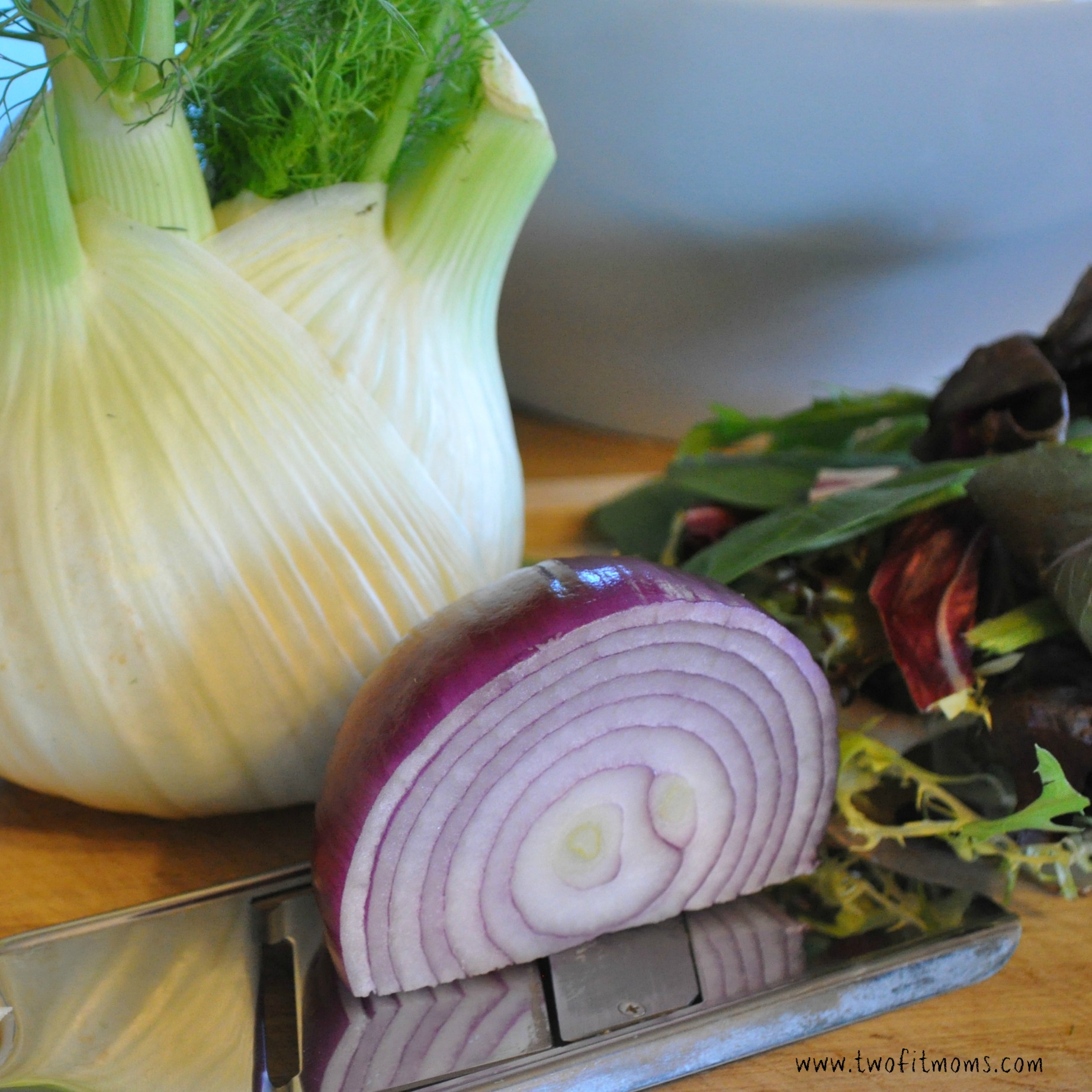
    Shaved Fennel Salad (serves 4-6)fennel ingredients

    1 five oz bag of spring mix (or any other salad combination you like)

    1 large bulb of fennel (tops removed)

    1/2 red onion

    A few turns of cracked black pepper

    Shaved parmigiano reggiano (optional)

    Your favorite balsamic vinaigrette

    Step 1:
    Wash and spin your greens and set aside in a large bowl.

    Step 2:
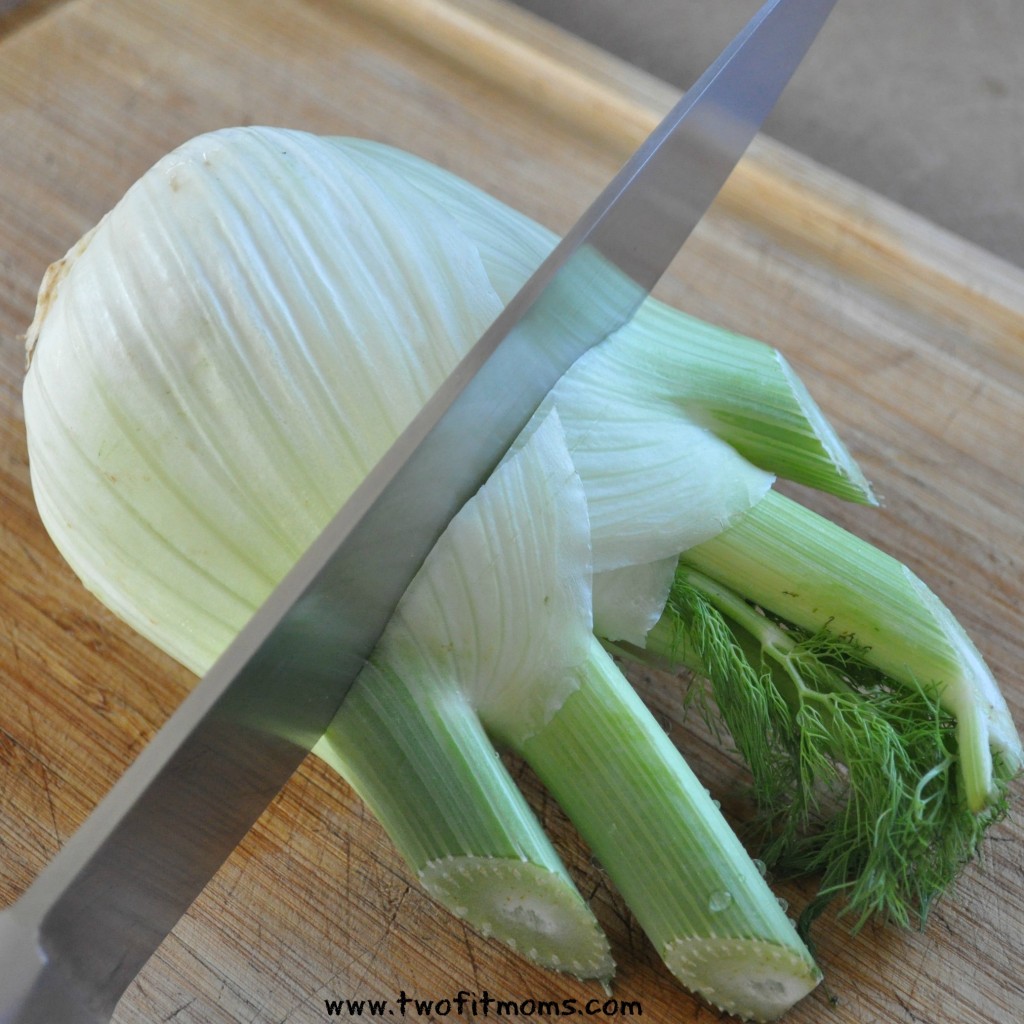
    Prep the fennel.  Remove the tops of a large bulb of fennel and cut about a half inch off the bottom of the fennel bulb.
    cut fennel

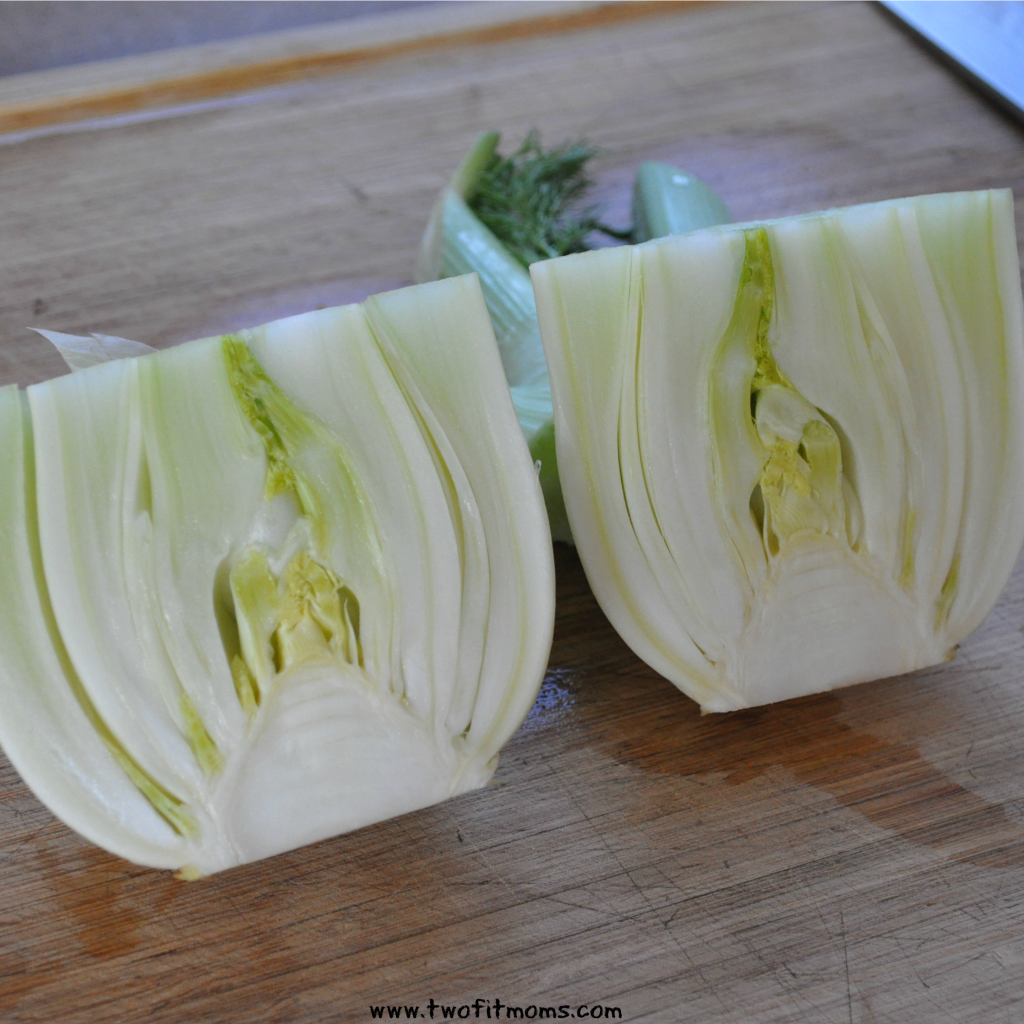
    Cut the fennel in half lengthwise.
    fennel cut lengthwise

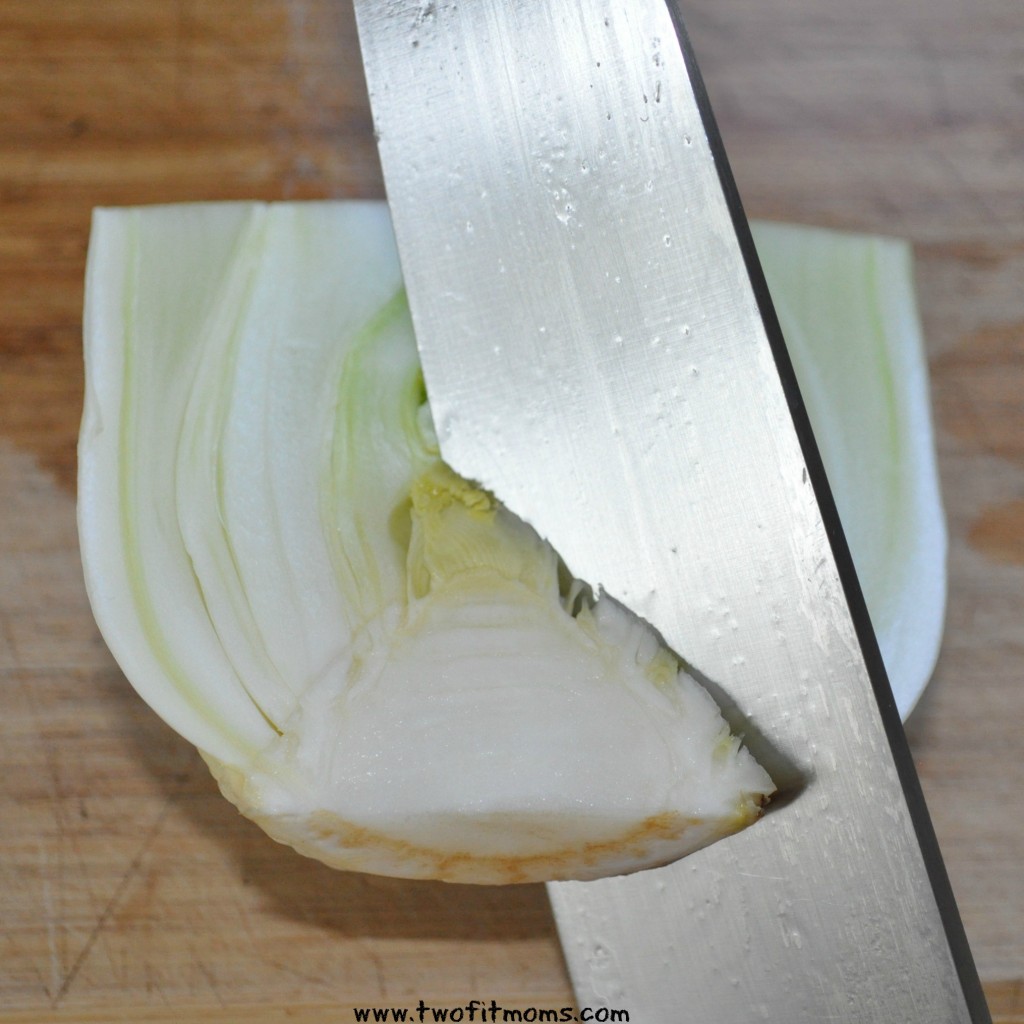
    Next, remove the core with a sharp knife.
    fennel core

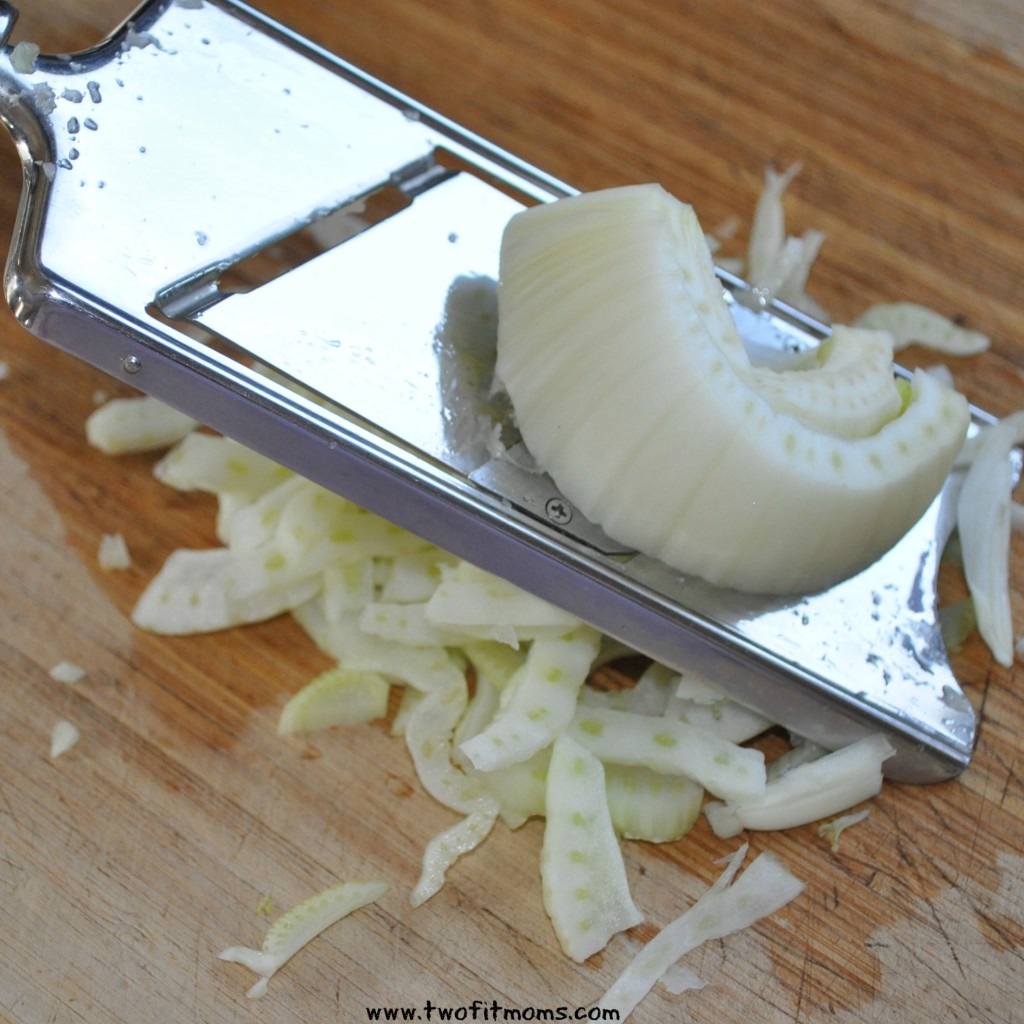
    Last, shave each half with a mandoline or cut it thinly with a sharp knife.
    fennel shaved

    Step 3:
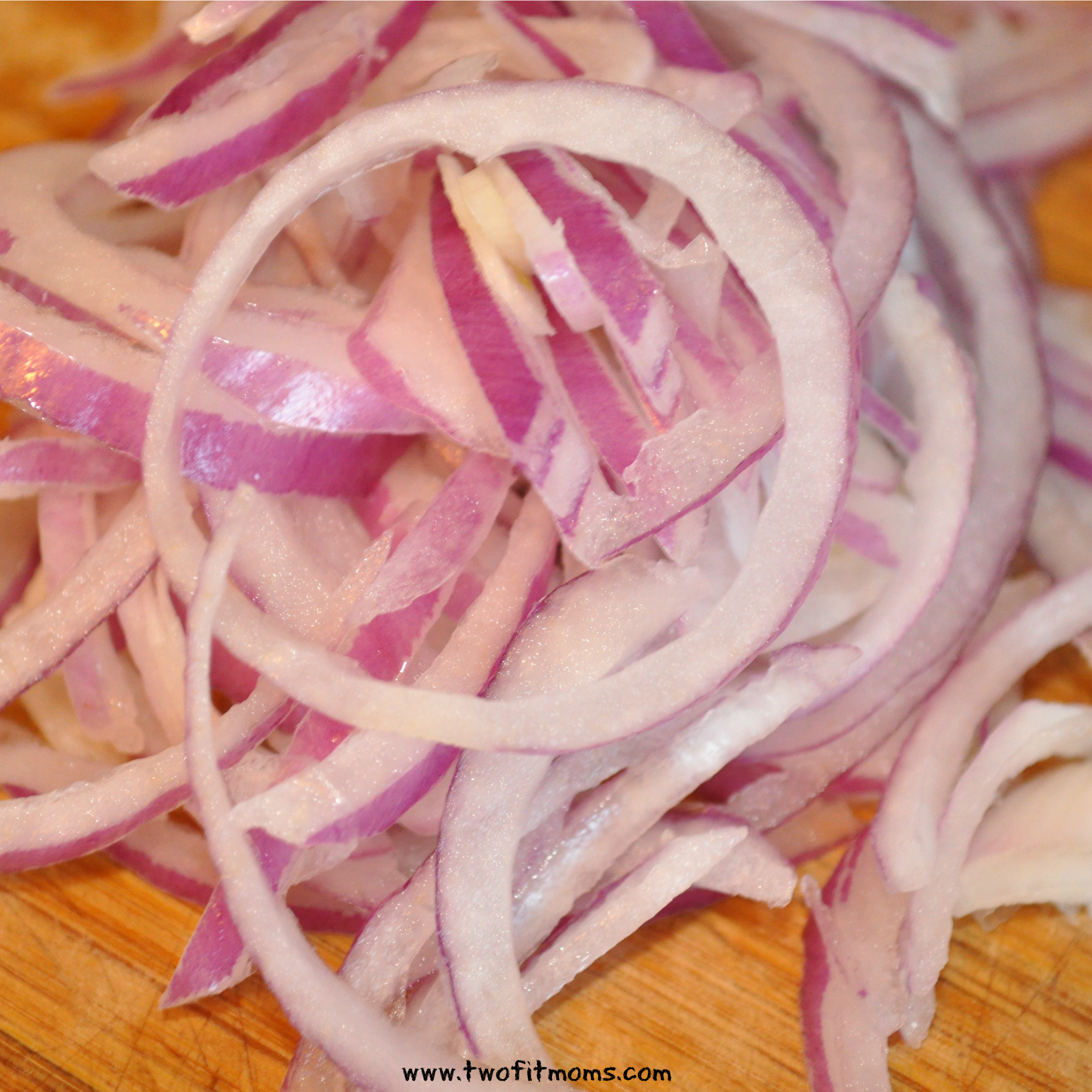
    Peel half of a red onion and either shave it using a mandoline or cut it thinly with a sharp knife.  Onion slices should resemble a half moon.
    shaved red onion

    Step 4:
    Assemble the salad. Add fennel, red onion, a few turns of cracked black pepper and your favorite salad dressing (I suggest a balsamic vinaigrette) to your lettuce greens.  If you like, top with shaved parmagiano reggiano.  Toss and serve.

    Voila!
    If you are interested in using a mandoline to create thin vegetable slices for your salad, here is a mid-priced option for you to consider.

  • An Announcement…

    An Announcement…

    Hello everyone!

    Just a quick note to thank you all for the tremendous support.  In the two months that we’ve been up and running with the Two Fit Moms website, we’ve been working hard to create an online space where we can expand upon all of the yoga, fitness and nutrition love that we express so briefly in captions on Instagram.  We hope you are enjoying all of our tutorials, tips, recipes, and weekly giveaways.

    In an effort to provide more content, and in order to manage the Two Fit Moms website more effectively, we have added a new member to our team.  We are excited to introduce you to Kate Alexander, who has been in our lives since high school!

    GroupPicKate will take on the role of creative and editorial director for Two Fit Moms.  With more than 15 years of experience in public relations, she will also be responsible for all things related to marketing and branding of the website.  Kate will be a great addition to our team, as she shares her tips on how she balances her life as a professional consultant, a wife, and a mother to three young children.  Please look out for her future posts on nutrition and wellness.
    Much love to you all—


    Masumi & Laura


  • Simple Broccoli Rabe Pesto

    Simple Broccoli Rabe Pesto

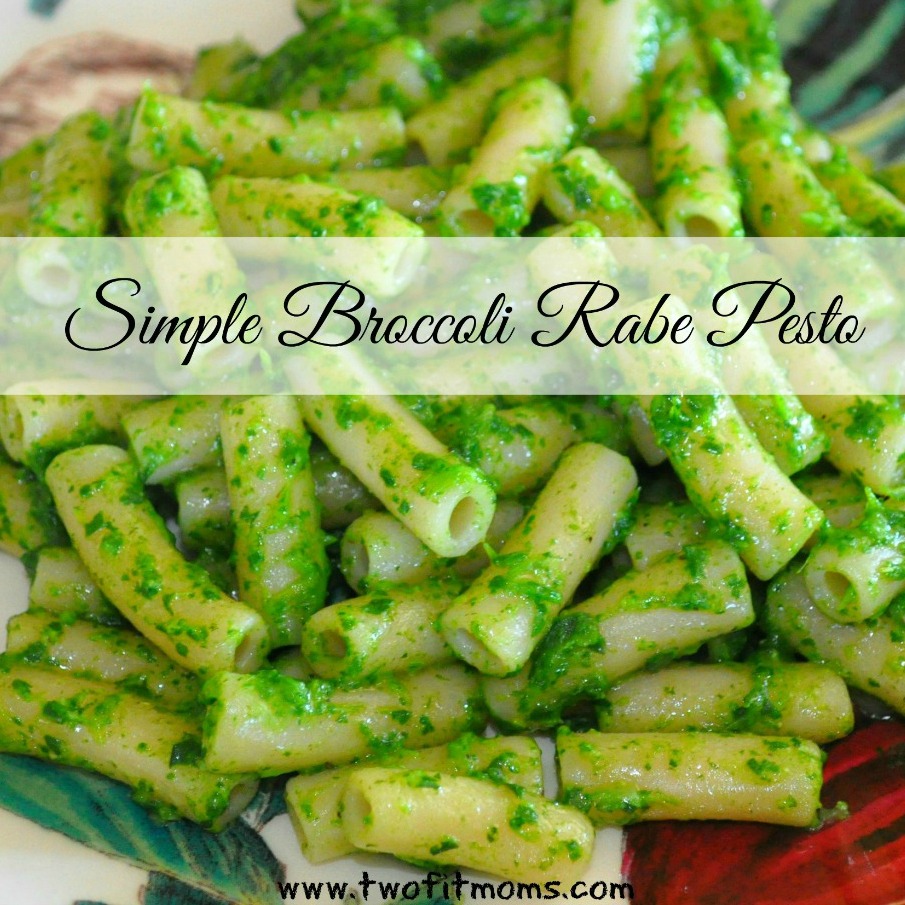
    broc rab pesto up close with banner with tfm squareDo you ever get sick and tired of the taste of your own recipes?  Some days, I feel like all of my meals taste the same, even if I change most of the ingredients.  When I fall into this kind of cooking funk, I call up my childhood friend, Kate, for inspiration. I know that Kate will have a delicious recipe for me that can be modified to fit my diet, even on its strictest days.  She also has an amazing knack for creating meals that my children find just as delicious as I do.  This recipe is no exception and will become a staple in your house, as it is in mine.

    Today, I want to introduce you to a versatile, easy-to-make sauce:  broccoli rabe pesto.  In the summer, we generally turn to herbs like basil and parsley for pesto, but this time of year, let’s work with a cold weather green like broccoli rabe.

    Broccoli rabe is known to be a little bitter, however, blanching it takes away the bitterness and makes it perfect for blending into a tasty pesto.

    Traditionally, pignoli nuts (and sometimes walnuts) appear in pesto recipes. This recipe, however, is nut free.  Feel free to experiment and make this recipe your own!  Throw a handful of toasted nuts into the food processor along with the rest of the ingredients.

    This pesto can also be used as a condiment on sandwiches, a marinade for fish and poultry, or a sauce to toss with pasta.  While Kate’s original recipe was made with cheese and wheat pasta, we were able to modify it so that it was both gluten and dairy free.

    Enjoy!

    Broccoli Rabe Pesto

    1 large bunch of broccoli rabe (stems removed)

    3 cloves of garlic, crushed

    ¼ cup of olive oil

    Salt

    Pepper

    1 lb of cooked pasta of your choice

    Cook broccoli rabe in a large pot of salted boiling water for 3-5 minutes – until just tender.  Drain and rinse with cold water to stop cooking.  Pat dry with a towel/paper towel.  Add broccoli rabe to the bowl of a food processor, add crushed garlic, olive oil and salt and pepper.  Pulse until emulsified.

    If you would like to add cheese, feel free to mix in ¼ cup of parmigiano reggiano cheese after the mixture has been pureed.

    Serve over pasta — or any other way you would like!

    Yields 1 healthy cup of pesto (enough to top approximately a pound and a half of pasta)