Category: Fitness

  • Bakasana: Time to Get Your Crow On!

    Bakasana: Time to Get Your Crow On!

    Bakasana, or Crow Pose, is usually the first arm balance you will learn on your yoga journey. Hamstring flexibility and core strength are key elements to any arm balance. Make sure you have a block nearby if you have tight hamstrings and a pillow if this is your first time attempting this pose.

    Step 1: Block or no block…

    Photo Feb 05, 2 50 39 PM

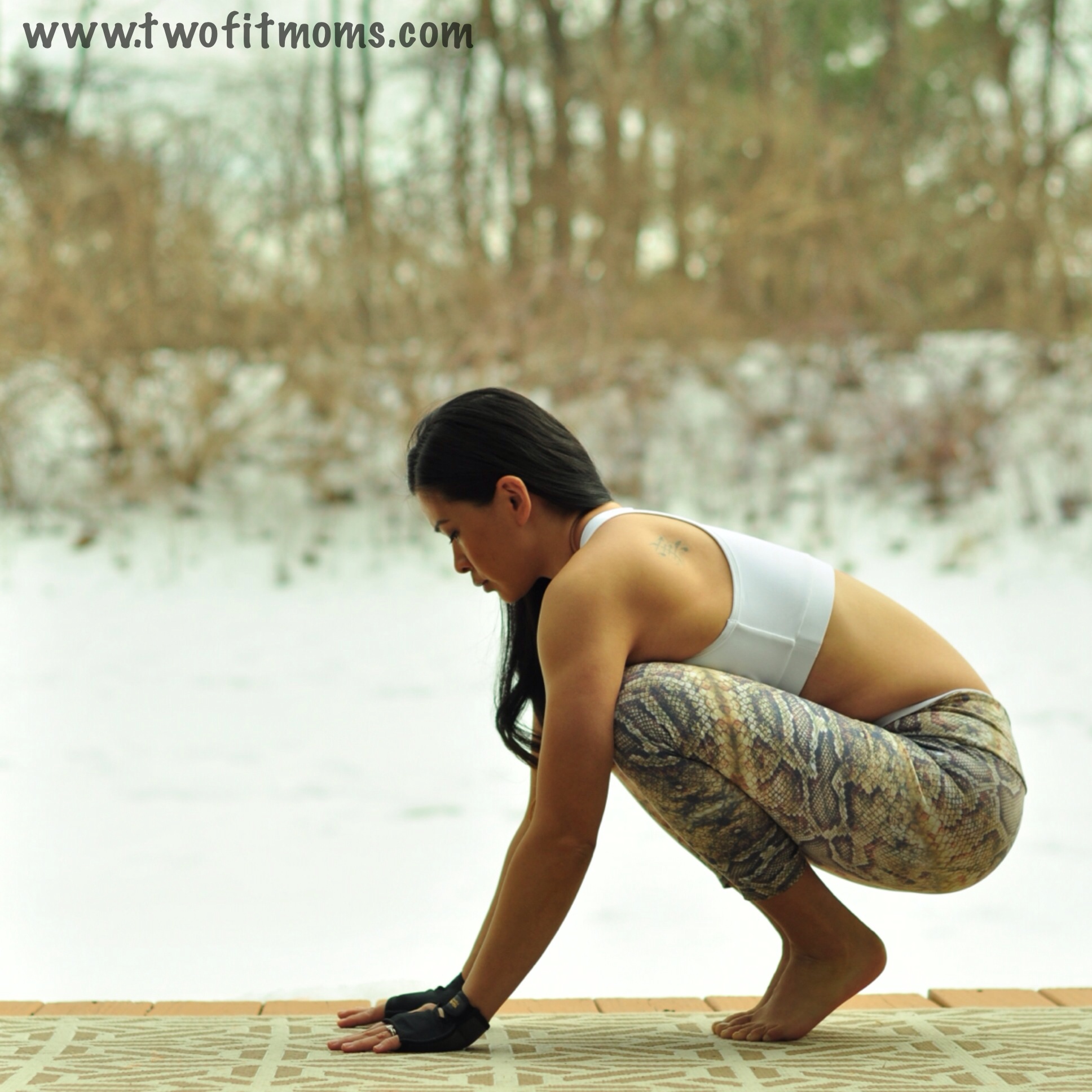
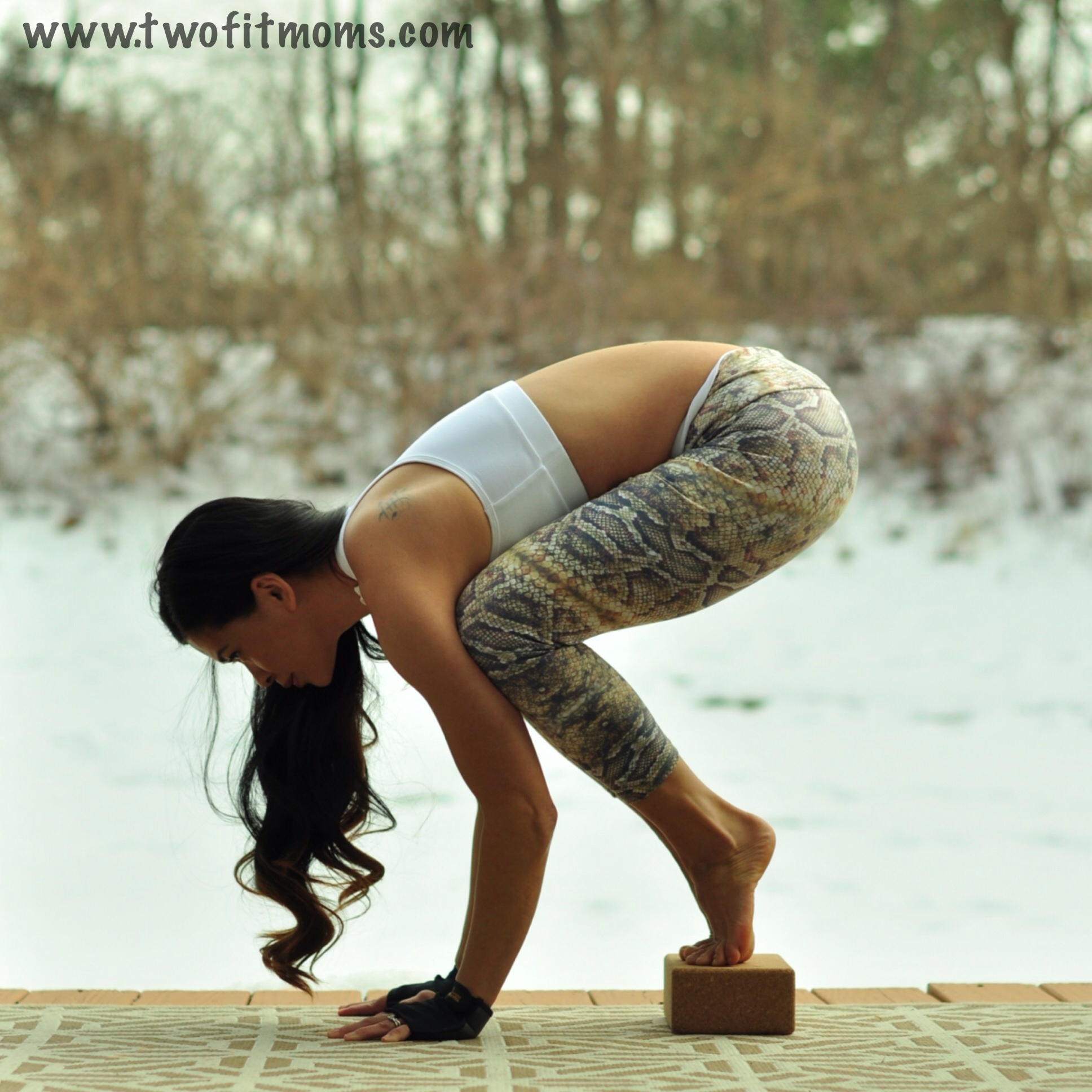
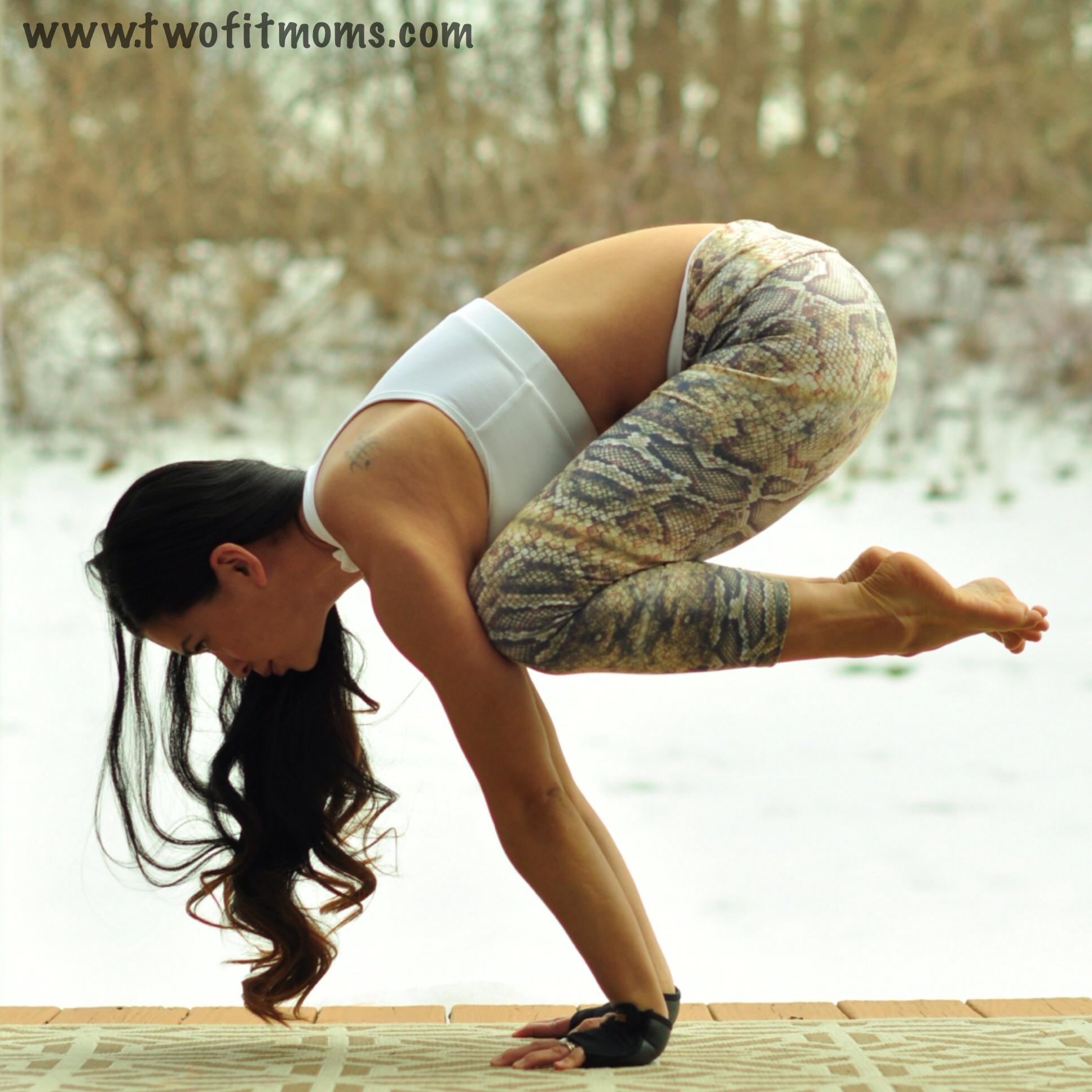
    Start off by standing on your mat with feet and legs together. Slowly bend the legs, come up onto the balls of your feet, and squat down bringing your fingertips onto your mat. Separate your knees and plant your hands flat onto your mat so they are shoulder width apart. Your hands can be directly in front of your knees or knees can be slightly wider to the outside of your arms. Fingers are spread wide, index fingers parallel, biceps are externally rotating so that the elbows squeeze in. If any part of this is difficult for you, try standing on a block. The added height will help get your hands flat and knees up into your armpits.  If this is your first time, you can also set a pillow up in front of your hands in case you fall forward.

    Step 2: Lift the buttasana

    Photo Feb 05, 2 50 52 PM Photo Feb 05, 2 51 01 PM

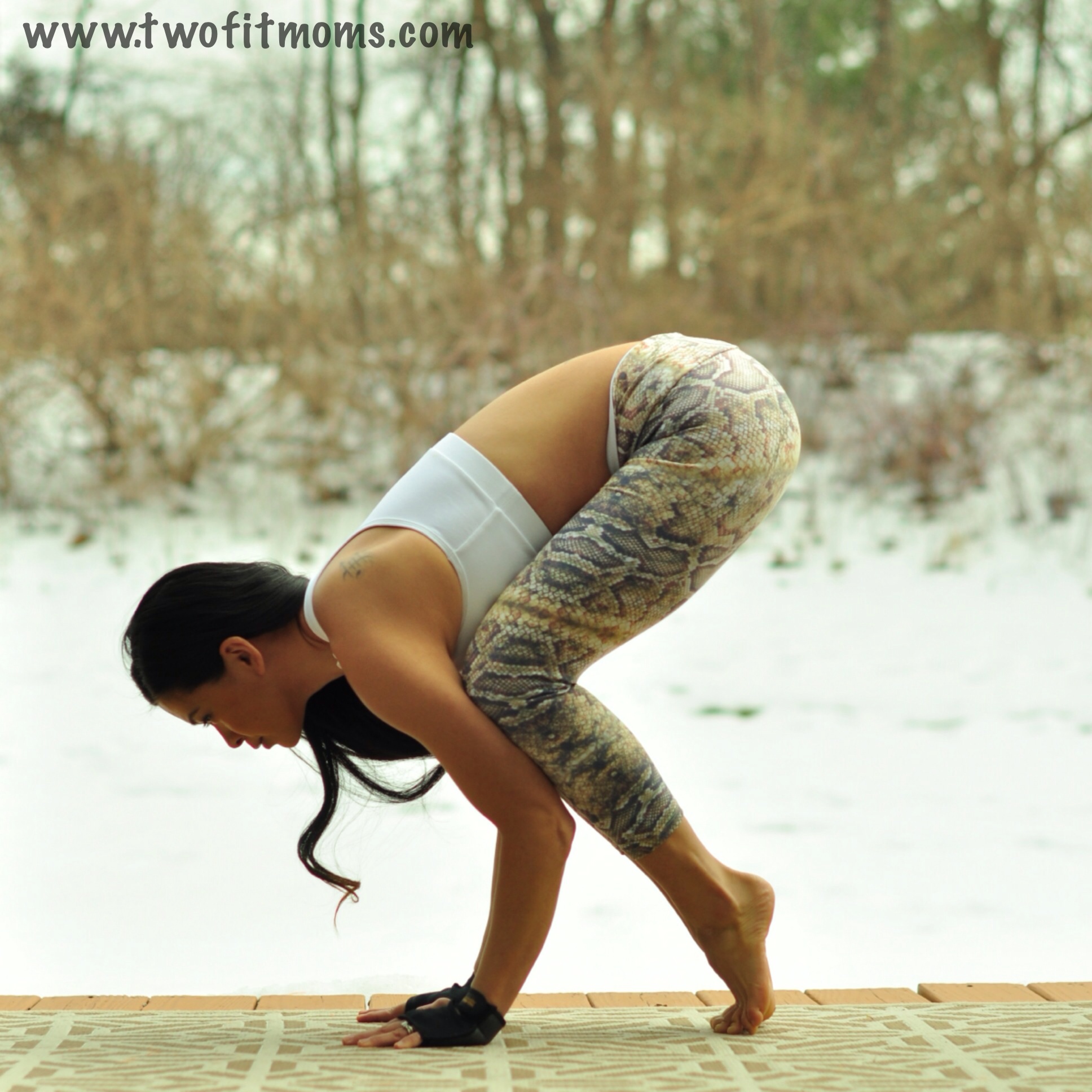
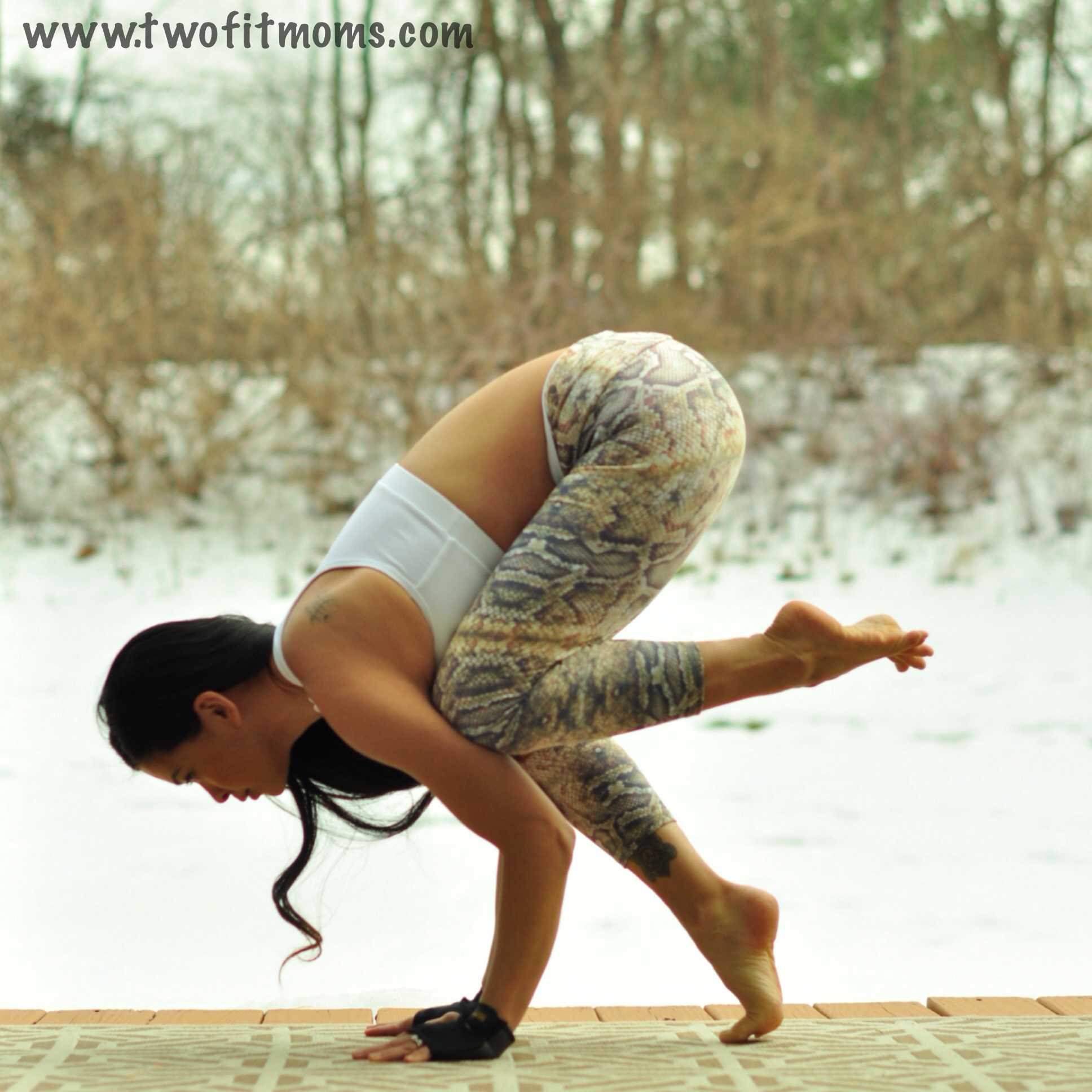
    Once you plant your hands firmly on your mat, slowly start to lift your bottom as you lean forward. Elbows begin to bend while continuing to hug in toward the midline. Knees also squeeze in…Think Thighmaster! Keep your gaze forward. Begin to round your upper back and engage your abs.

    Step 3: Lift a foot

    Photo Feb 05, 2 51 11 PM

    While continuing to round the upper back, try lifting up one foot. Squeeze the heel toward your bottom, then set it back down, and repeat with the other foot.

    Step 4: Get your crow on!

    Photo Feb 05, 2 51 21 PM

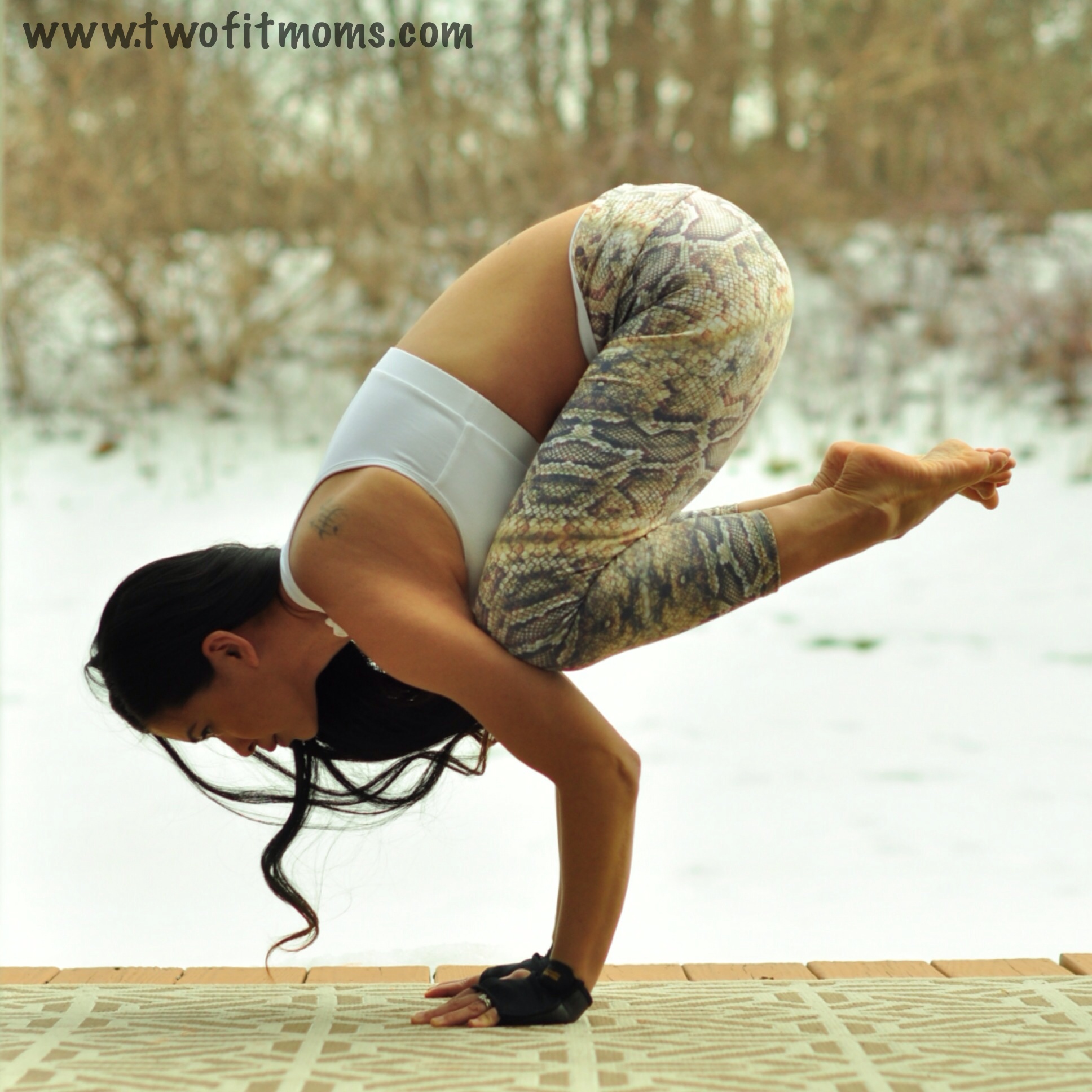
    If you feel ready to continue, lift one foot off your mat. Keep your gaze forward, and slowly try to pick up the second foot to meet the first. Really round the upper back and engage the abs to take some of the weight off of your arms. If you sag down, your body will feel extremely heavy. Your elbows and thighs should continue to squeeze in; pull your heels up toward your buttasana.

    Be mindful of your movement, try not to kick or fling that second foot up. Be patient, and work your way up to being able to hold this for 5-10 breaths.

    Advanced: Now straighten your arms!

    Photo Feb 05, 2 51 31 PM

    If you can solidly hold your crow, you can start to work on straightening your arms. This can put pressure on your wrists, so please be careful and listen to your body.

    From your bent-arm bakasana, slowly start to straighten the arms while simultaneously pulling the knees up even higher into your armpits. Squeeze your elbows and thighs in! Your upper back rounds even more to release some of the weight off of your arms. Your wrists will move past 90 degrees, so be careful!

    Play around, have fun and be mindful!

    XOXO

    Blog Signature

  • Handstands 101: Part 2… The Kick Up

    Handstands 101: Part 2… The Kick Up

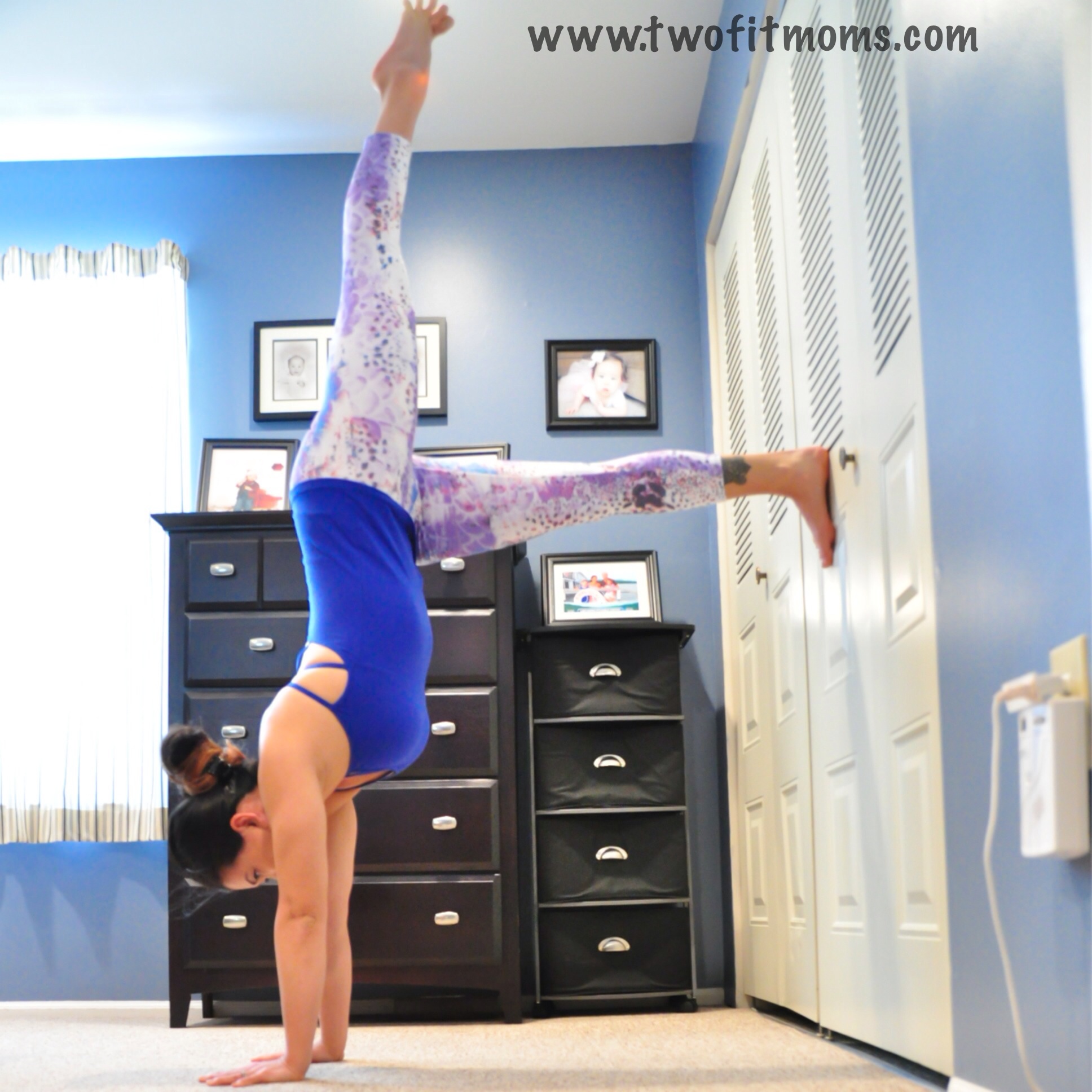
    If you are comfortable walking your feet up the wall and being on your hands, you are ready for the next move (if not, check back to my last post  here for a refresher).  The next step on your journey to handstand is the “kick up.”  As the name implies, it involves kicking your legs up into the air and placing all of your weight onto your hands.  I highly encourage you to have a person, and a wall, nearby  if this is your first time!

    Let’s get started!

    Step 1: For my newbies

    If you are completely new to the handstand and nervous, please ask a friend, partner, spouse or family member to spot you.  Sometimes just having someone there as an added safety measure reduces the fear.  Also, I recommend positioning yourself  8″-12″ inches from the wall.  This time, fingers will face the wall so that you are kicking up towards it.

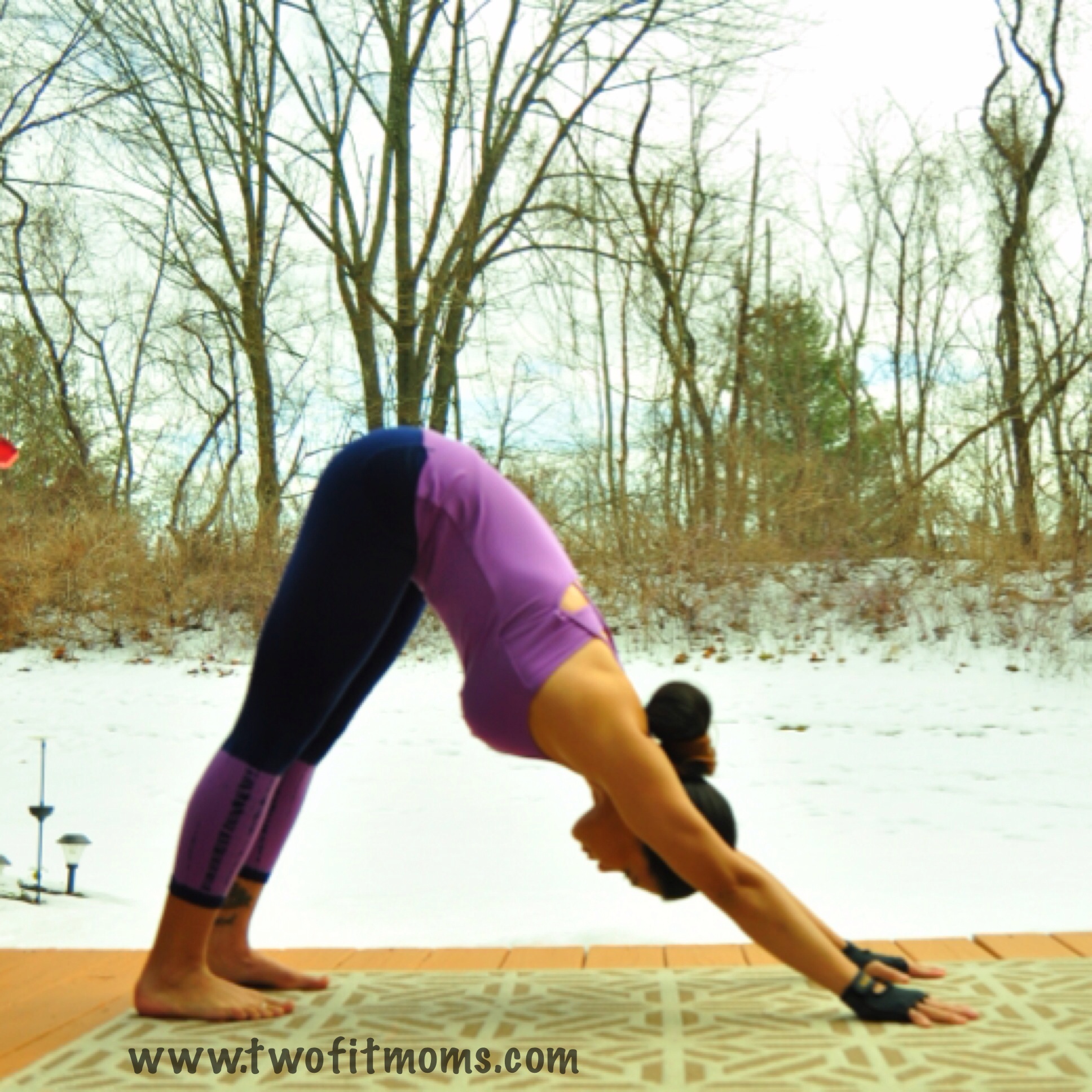
    Step 2: Get set in downward facing dog

    Photo Feb 02, 2 21 03 PM

    Considered a mild inversion itself, Downward Facing Dog, or Adho Mukha Svanasana, offers the perfect starting position for your handstand practice.  Many of the alignment cues for handstand should also be applied in this pose.  Here is a quick rundown of what I discussed in my previous post.

    – Fingers are spread wide and grip the mat
    – Weight should be equally distributed through all 4 corners of your palms
    – Biceps externally rotate out
    – Arms remain straight!
    – Upper arm bones plug into their sockets
    – Shoulder blades roll down the back
    – Lower ribs corset in
    – Navel pulls in, core engages
    – Inner thighs rotate in
    – BREATHE, BREATHE, BREATHE!

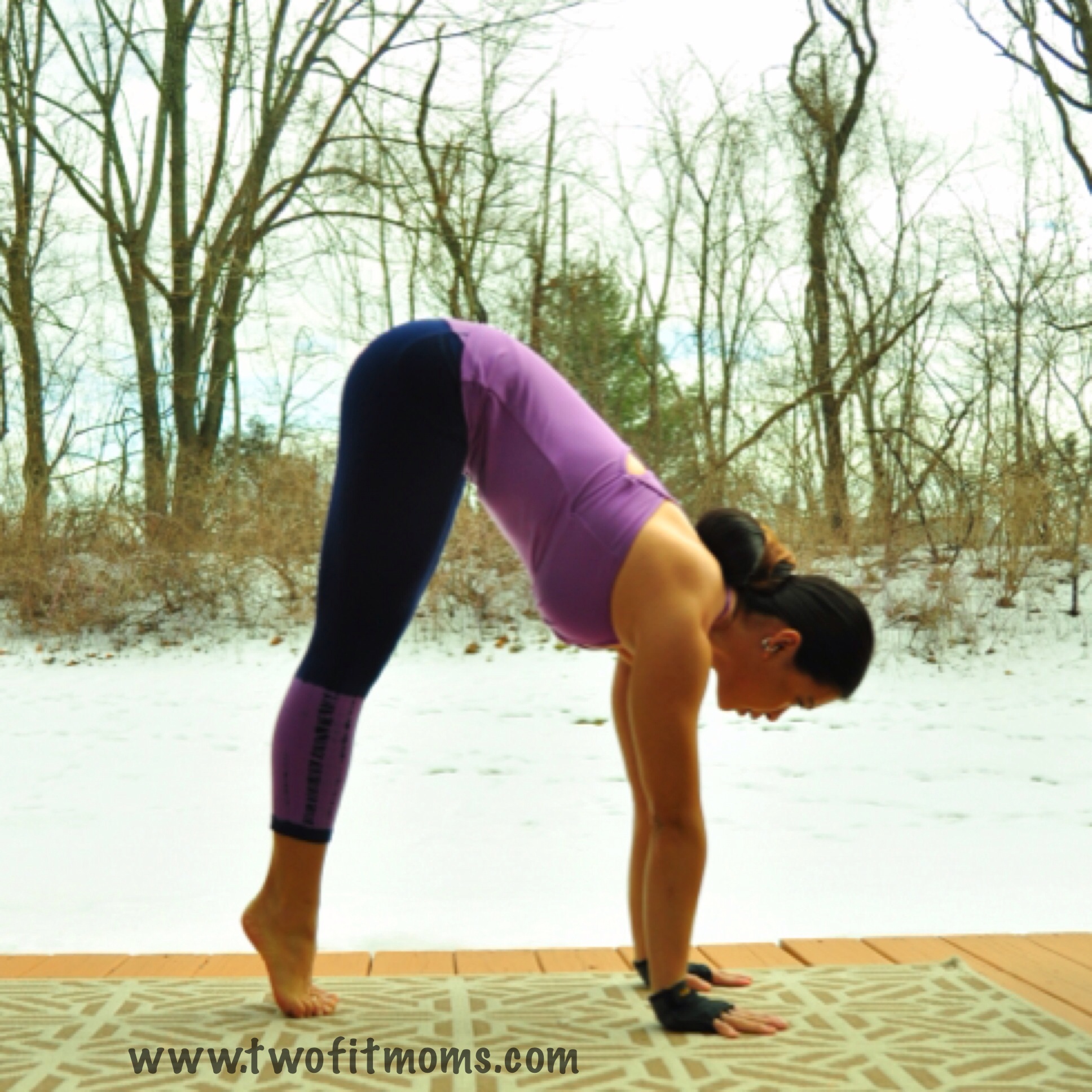
    Step 3: Stack the shoulders over your wrists

    Photo Feb 02, 2 21 18 PM

    From Downward Facing Dog, slowly walk the feet in towards the hands so that the shoulders stack directly over your wrists and you come onto the balls of your feet.  Keep your gaze down. I usually gaze slightly past my fingertips.  Make a mental note – even though you have shifted slightly forward and put more weight into your hands, the above key alignment points have not changed.

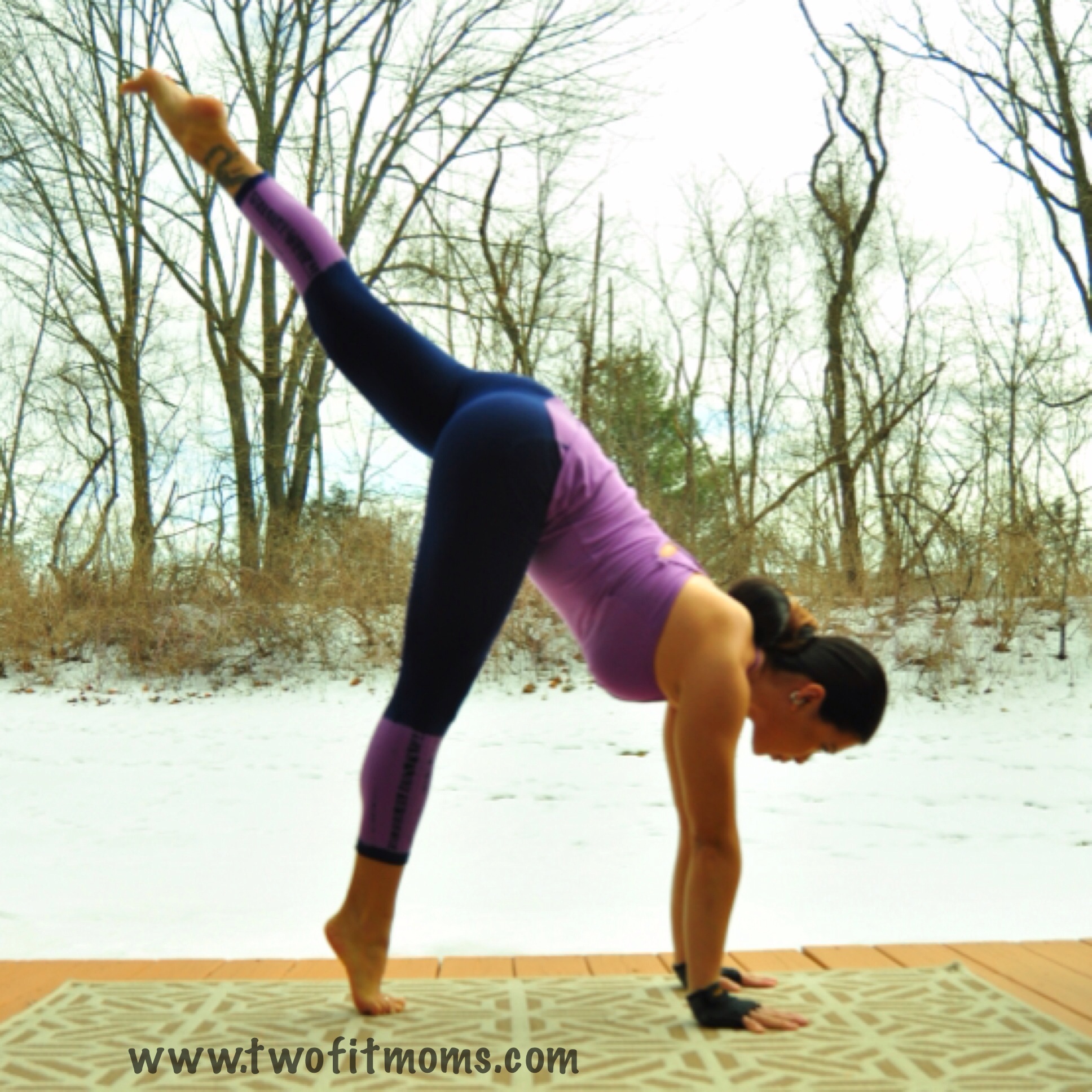
    Step 4: Lift a leg

    Photo Feb 02, 2 21 33 PM

    Slowly lift one leg high into the air.  The key is to avoid opening up your hip.  A good way to keep the hips square is to flex the lifted foot and keep the toes pointing down toward the mat.  PLAY with lifting both legs up.  Everyone usually has a more dominant side or one that just feels more comfortable.  In the beginning, stay with that leg. Once you get more comfortable, THEN practice using both!


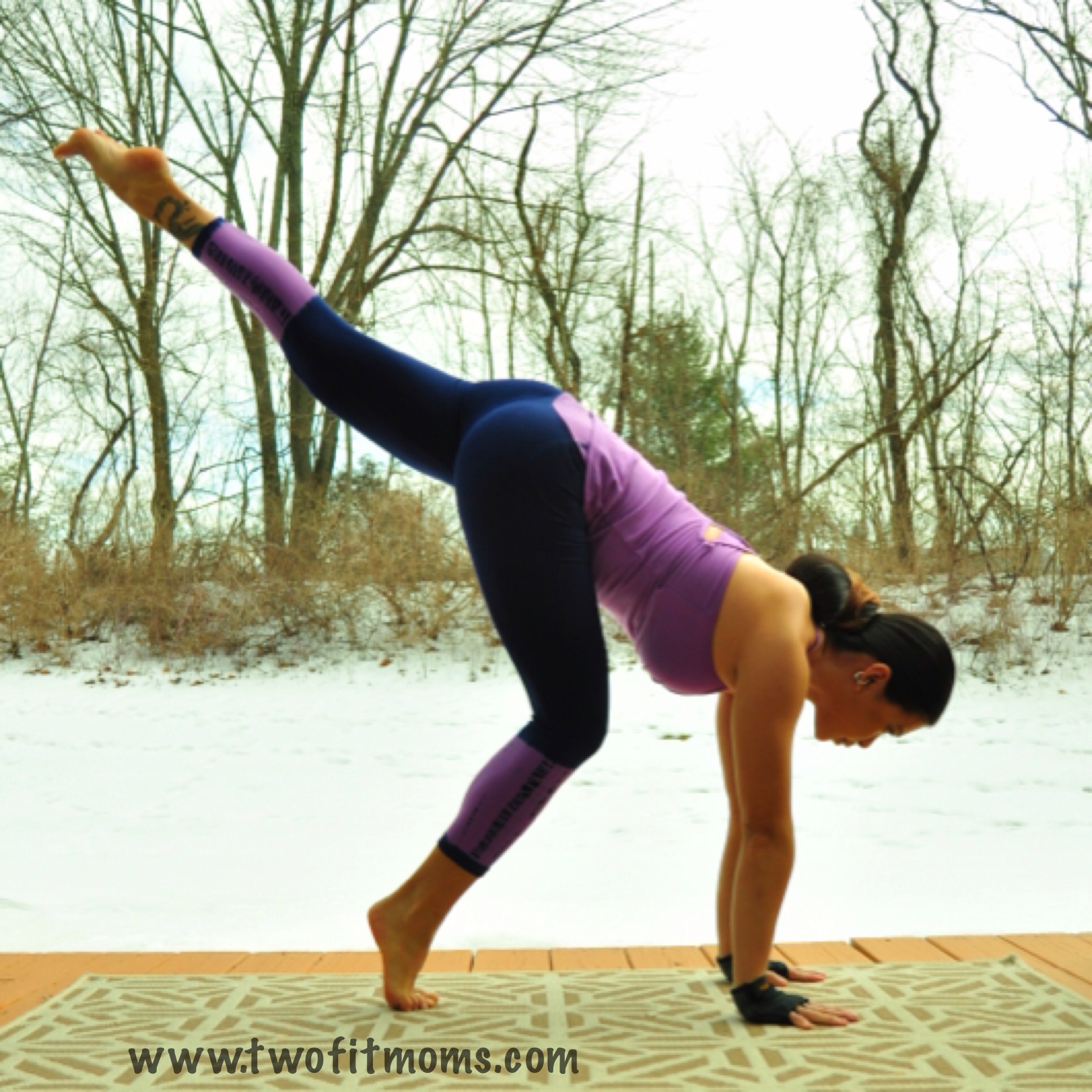
    Step 5: Get ready to spring!

    Photo Feb 02, 2 21 51 PM

    Keeping the hips square, bend the bottom leg.  DO NOT lower the top leg down towards the ground!  Keep the lifted leg extending up towards the sky.


    Step 6: Take flight!

    Photo Feb 02, 2 22 30 PM

    Pushing off of the bottom leg, GENTLY… I repeat.. GENTLY kick off of the ground.  The first few times you try, you may only get a few inches off of the ground.  THAT IS TOTALLY FINE!  You are building confidence and trust in yourself!  Take your time and set yourself up in between attempts.  Remember that checklist in the beginning of this tutorial?  Keep going through it in your mind.

    Remember, handstands are a full body posture… so claw your mat, engage your core, floint or point those feet!

    Once you kick up, the bottom leg can extend out straight which is usually called an “L” handstand or you can bend it in towards your body (shown below).  When learning, I preferred the “L” better for gaining hangtime but please try both.  Everyone is different!


    Photo Feb 02, 2 22 12 PM

    Whatever method you choose, ALWAYS remember to breathe.  The traditional way is to inhale while kicking up.  I like to exhale on the way up. I know, it’s weird. ..but I feel more connection to my core this way.  When you are learning and trying to remember what to do, I think it’s more important to just REMEMBER to breathe.  So play around with it, and try it both ways.


    HAVE FUN and BE SAFE!

    XOXO

    Blog Signature


  • Headstands 101…Continued

    Headstands 101…Continued

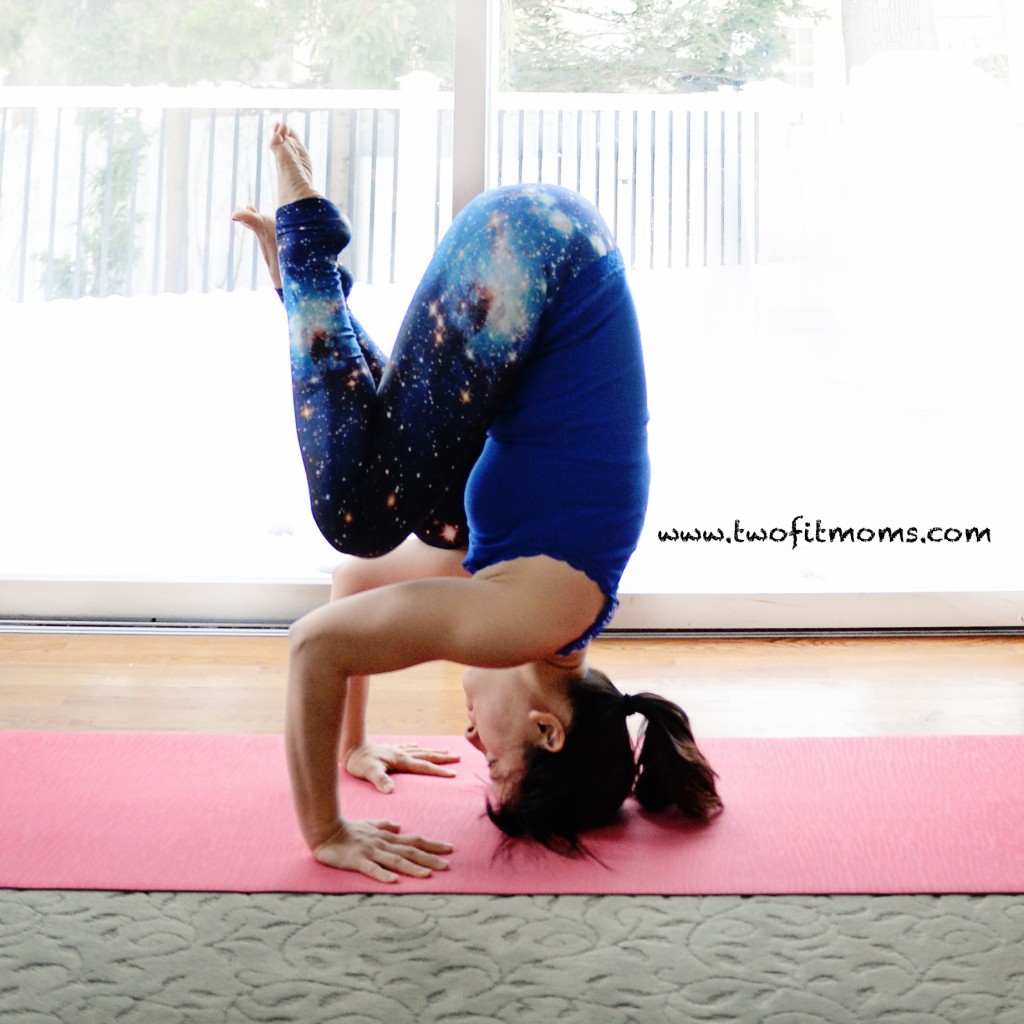
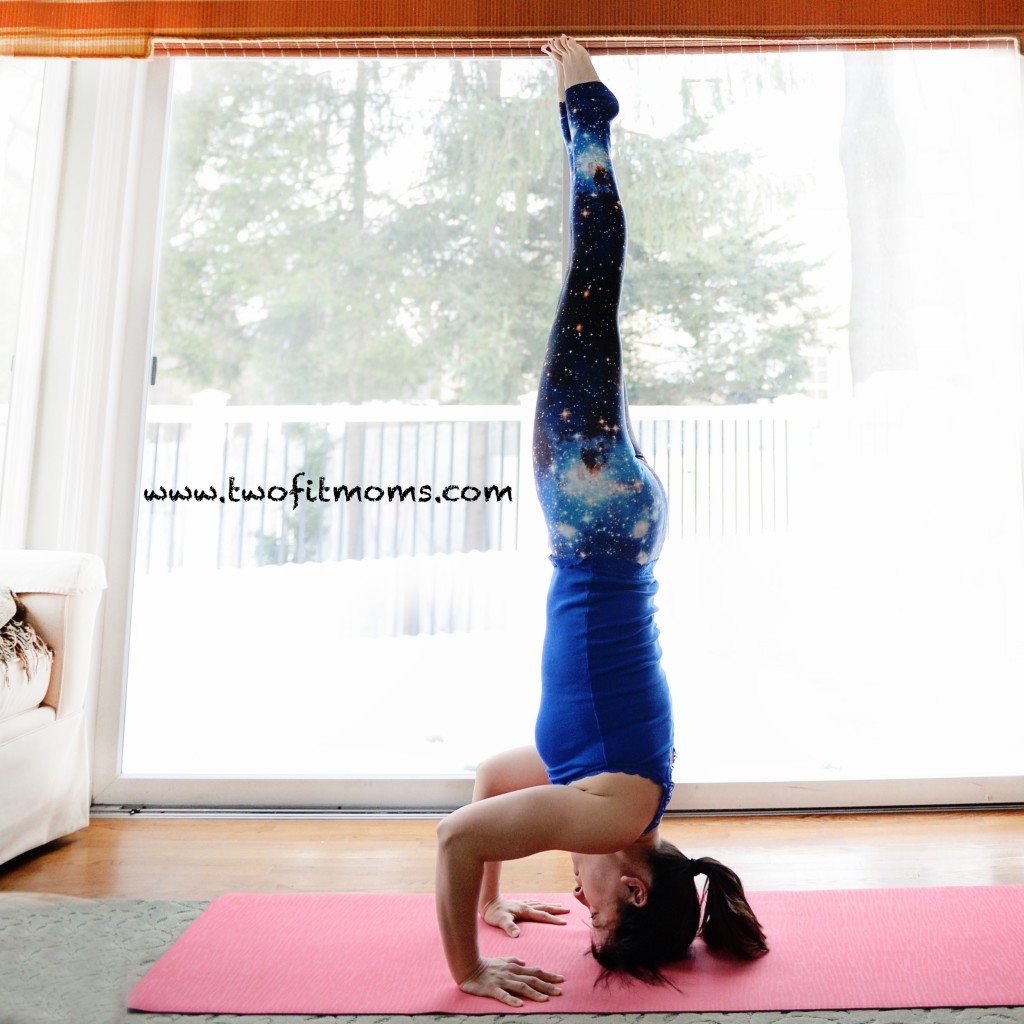
    Last week, I posted a tutorial for a basic tripod egg headstand. If you missed it and would like to join in on the inversion fun, please click HERE to get started.

    If you’re still reading, I will assume that you’ve managed to get through the first Headstand 101 article and perform your first inversion. Congratulations! Getting yourself to this point is significant—I know many of you had to overcome fears and put aside a mountain of self-doubt, but here you are, experiencing success.

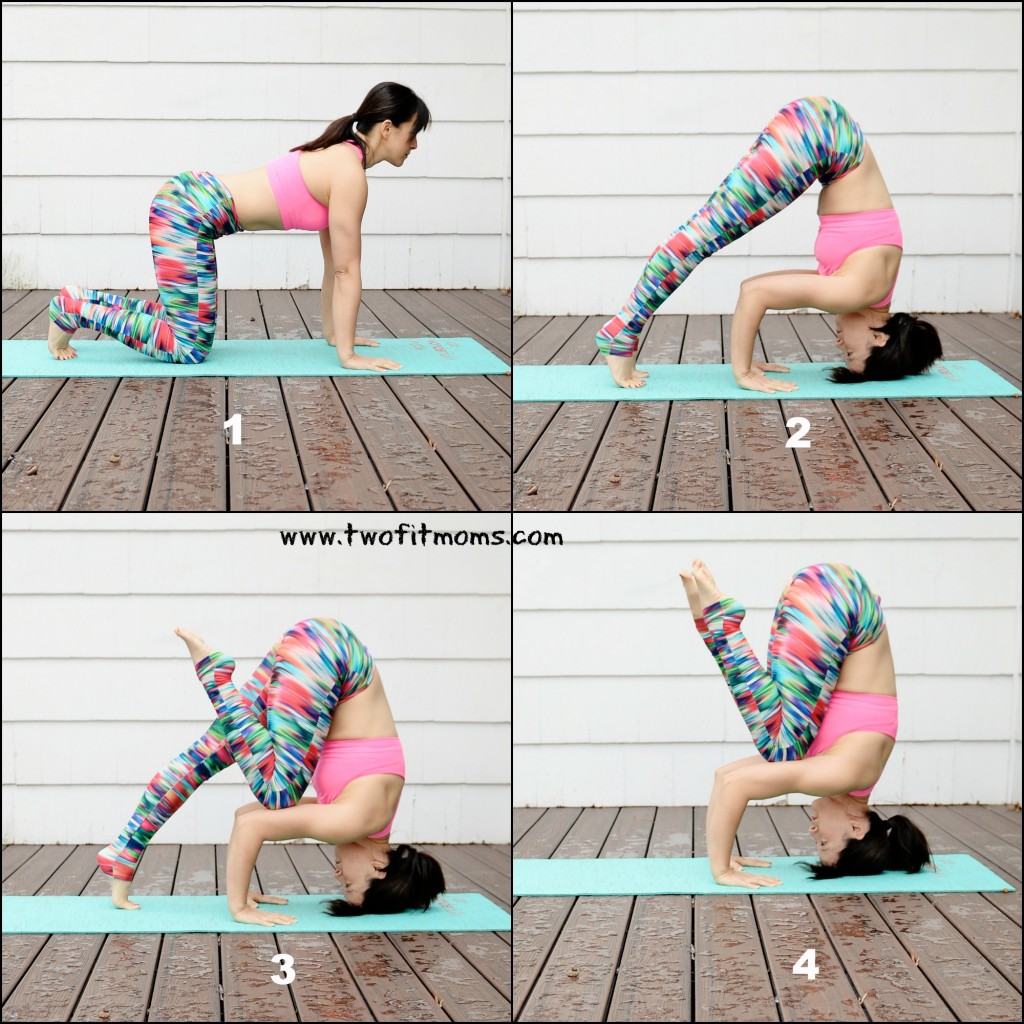
    TripodEggCollage

    In this tutorial, I will guide you through the remaining steps to get yourself into a full, tripod headstand with extended legs. Let’s get started.

    From your tripod egg pose (step 4 in the collage above), engage your abs and begin to shift your weight into your left knee. As you push your left knee firmly into your left tricep, your right knee should feel light on your right tricep.

    Your first goal is to lift your right knee just 1 or 2 inches off of your tricep. If you can manage to do that, lower your right knee, and repeat the exercise on the other side Step1(shifting weight onto the right knee and lifting the left knee a few inches instead). Most people will find this task to feel more natural on one side. Although we traditionally practice both sides in yoga, in these beginning stages of learning a new inversion, I advise you to just work on getting comfortable by practicing on the side that feels more natural.

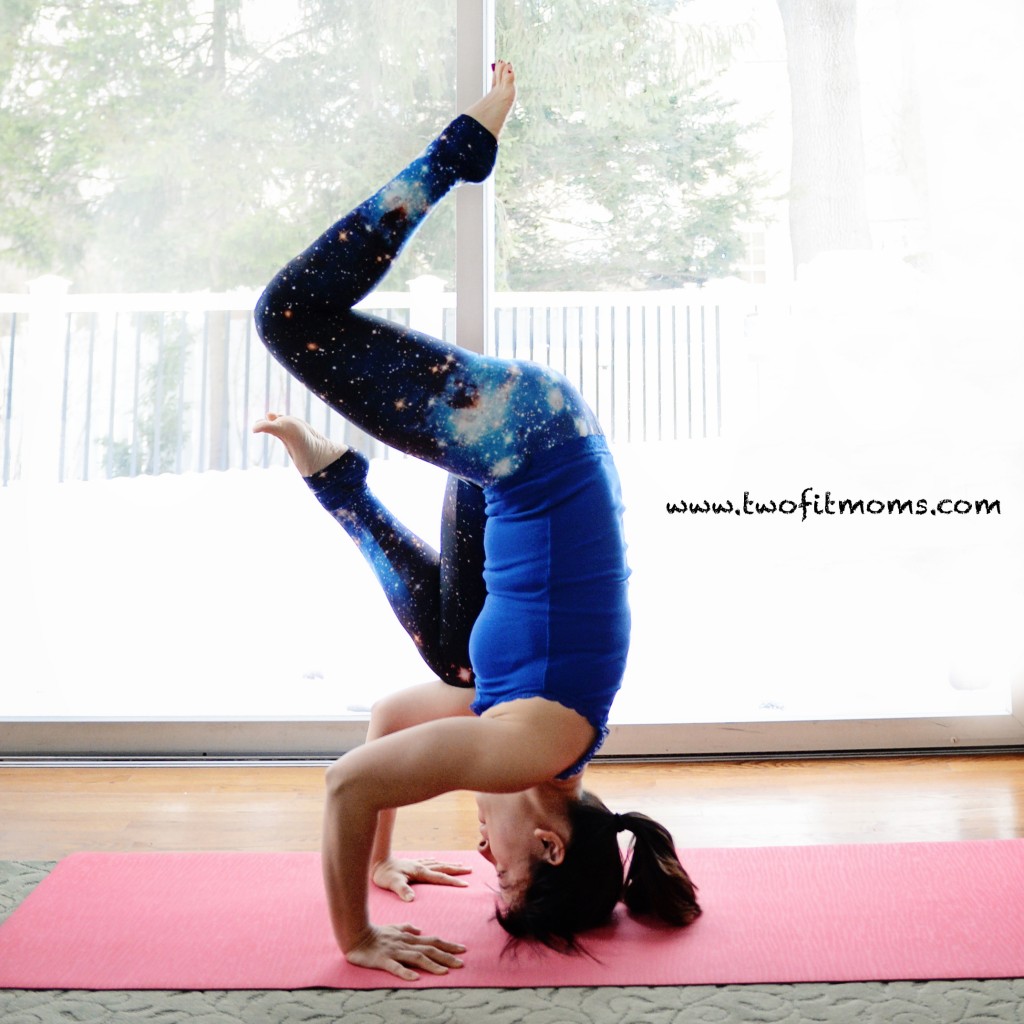
    Once you’ve determined which side feels more comfortable, practice lifting that one knee a few inches at a time into the air. Move slowly, and please resist the urge to throw both knees into the air simultaneously.  Lifting both legs simultaneously adds much more core instability to the pose. For beginners, our strategy is to maintain as much stability as possible by keeping one knee planted on one tricep until the other leg is fully extended.

    Step3

    If you are unable to lift your knee at all, continue practicing the exercise of shifting your weight back and forth between triceps. You will build the strength and stability in due time.  Please do not rush the process by deciding to kick up into a headstand. NEVER kick up into a headstand. Your head and neck are bearing your body weight, and the last thing you need to do is to add the instability and sharp movement of a kick-up.

    If you DO manage to extend one leg into the air, notice whether your body is swaying.  If so, make an effort to engage all of your muscles.  Keep your core tight and energize your extended leg by pointing, flexing or “flointing” your foot.  Flointing is essentially pointing with the ball of your foot—think of Barbie feet that look like they are perpetually in high-heeled shoes.

    Keep practicing your headstand with one-leg extended until it feels stable. Do not move on to the next step until you are comfortable and stable with one leg fully extended.

    Step4

    Before you extend your second leg into the air, run through this checklist in your mind:

    -Is your core engaged?

    -Are you remembering to breathe?

    -Are you flointing/flexing/pointing the foot of your extended leg?

    -Are you making an effort to keep your elbows squeezing in rather than splaying out to the sides?

    -Is your neck nice and long?

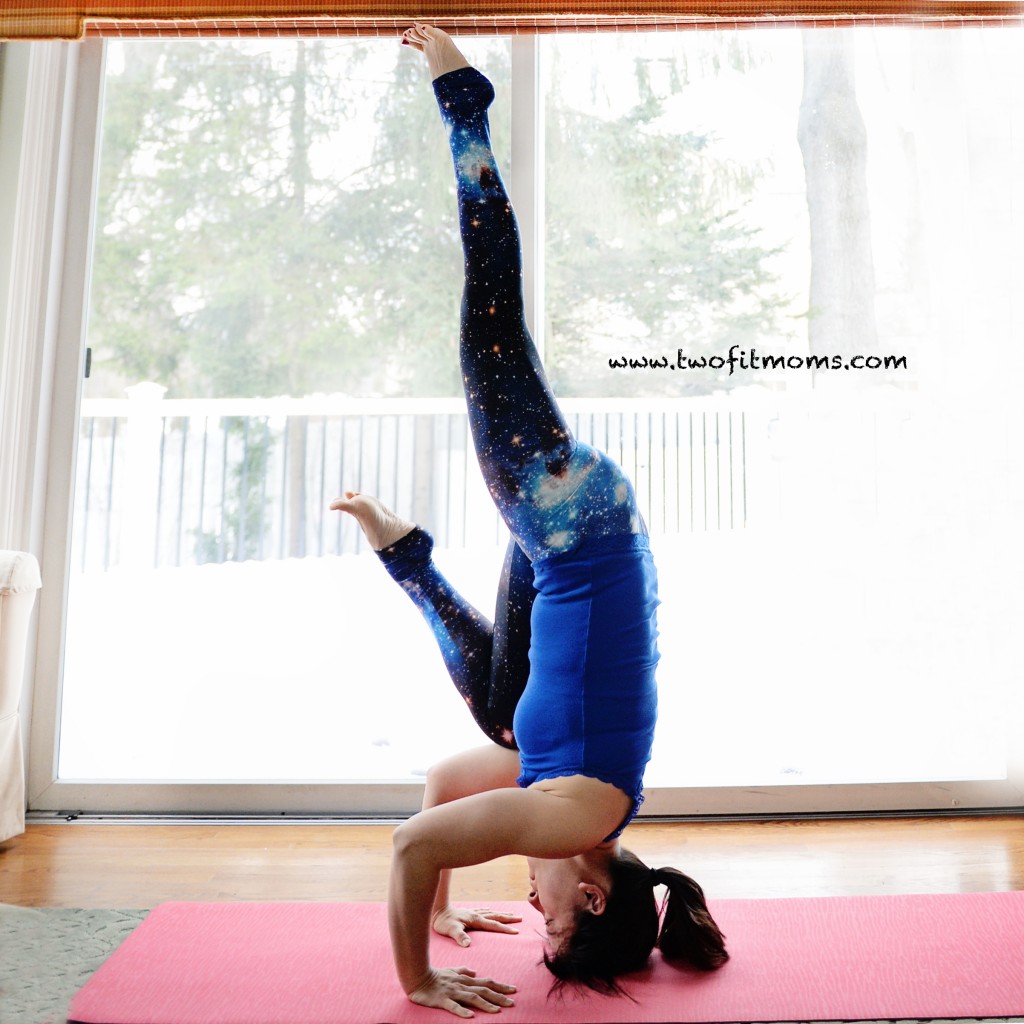
    If you’ve answered yes to these questions, slowly begin lifting your second knee into the air. Again, you will feel most stable if you lift in small 2-inch increments.

    Step5

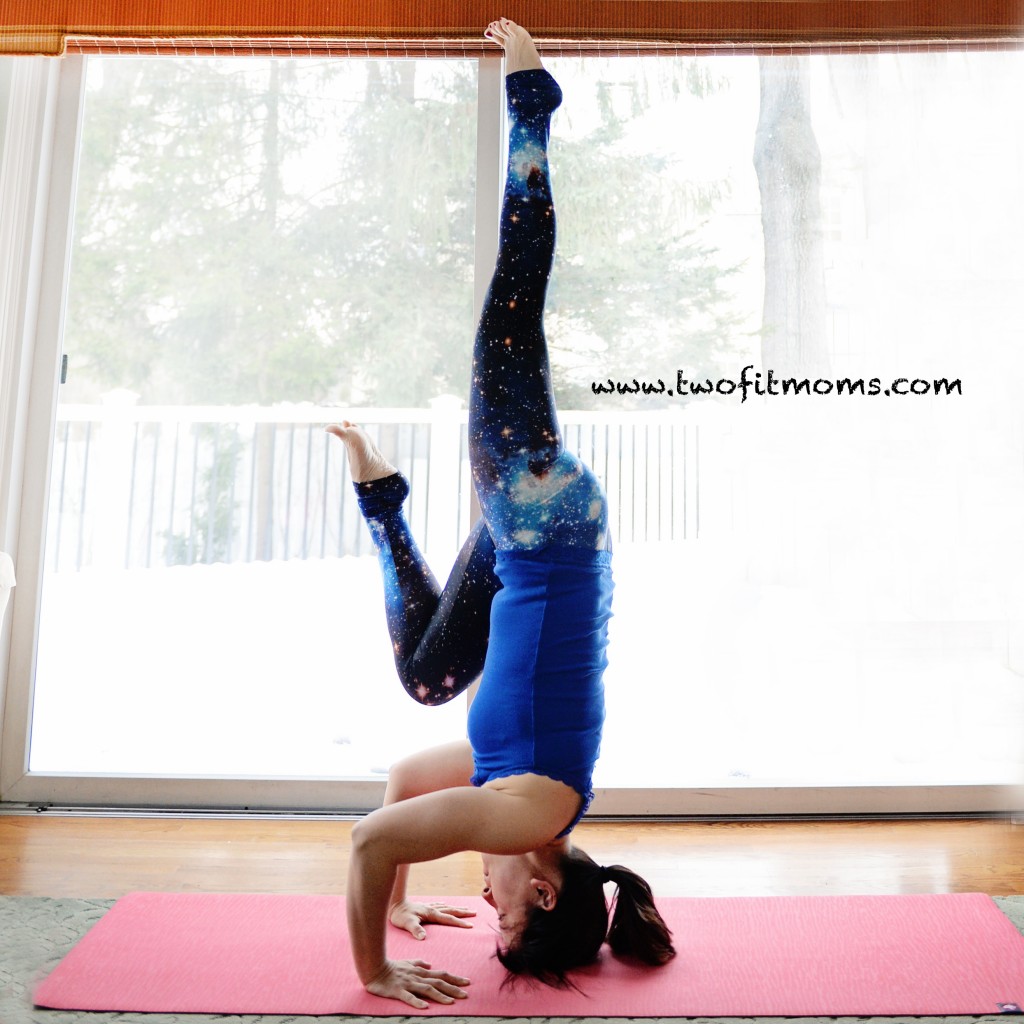
    Lift slowly and maintain an engaged, energized feeling through out your entire body to find stability.  Once you find full extension of both legs, see if you can hold the pose for 5 full breaths.  Congratulations.  You did it!

    Step6

  • Handstands 101: Building Your Foundation

    Handstands 101: Building Your Foundation

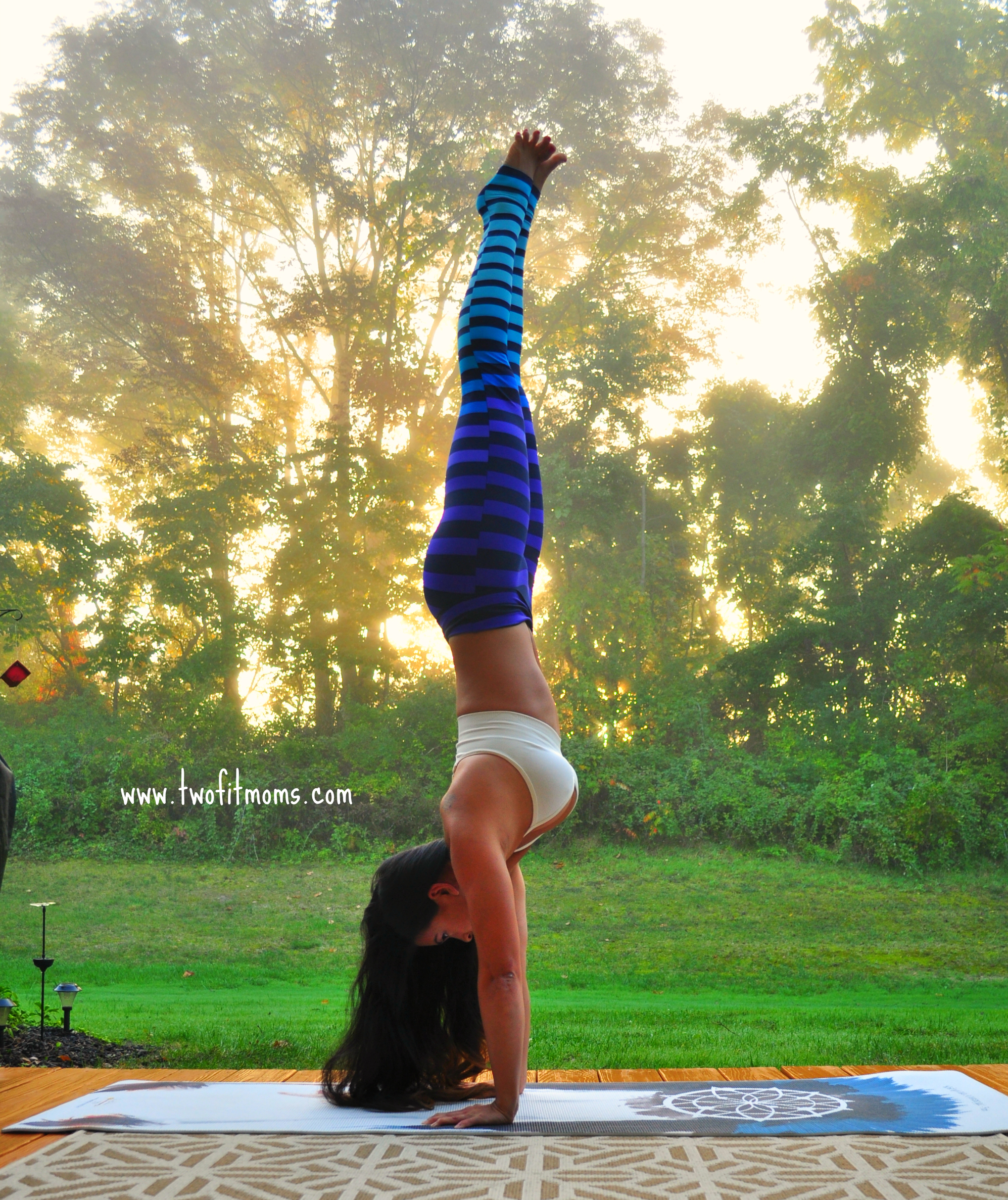
    Handstands have become an integral part of my practice.  They can be fun and exhilarating, and can take your practice to a whole new level.  For beginners, they can be scary and seem impossible.  Here is how you can comfortably start a handstand practice. 

    DSC_6079

    Step 1: Get out of your head!

    The phrase “I can’t” can no longer be in your vocabulary. Although the journey to a free-standing handstand may seem impossible for you, it isn’t!  Handstands are not built in a single day… for most people it takes time, practice and patience.  If you cannot do something today, that does not mean you will never do it.  All of us START some where, and all of us were BEGINNERS at some point.  So get it out of your head that you can’t do a handstand and get it into your head that you WILL!

    Step 2: Your phalanges are your best-friend

    Photo Jan 31, 8 04 34 AM

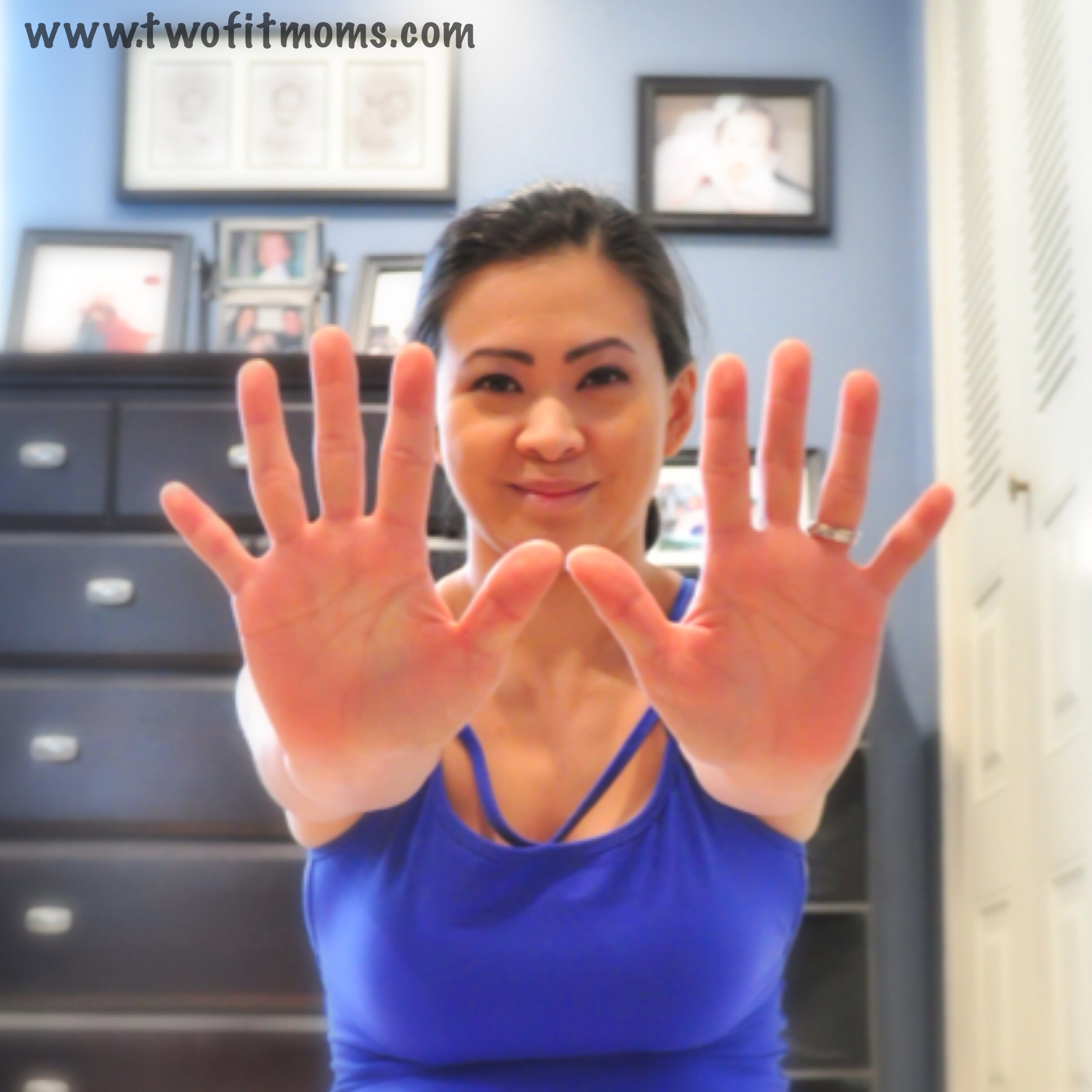
    Just as the name implies, the goal is to be able to balance on your HANDS.  Your ten little fingers are the key to helping you balance and connect with the earth.  The weight of your body should be equally distributed through all four corners of your palms.  Too far toward the heel of your hand, you will come down immediately… too far toward your fingers, you will fall the other way and hurt your fingers.

    GRIP your mat with your fingers!  Keep your fingers active by clawing your mat.  Those ten little digits can make or break your handstand.  By actively using them, it will keep your weight centered and help you stay balanced.

    Step 3: Building your foundation

    Photo Jan 31, 8 04 50 AM

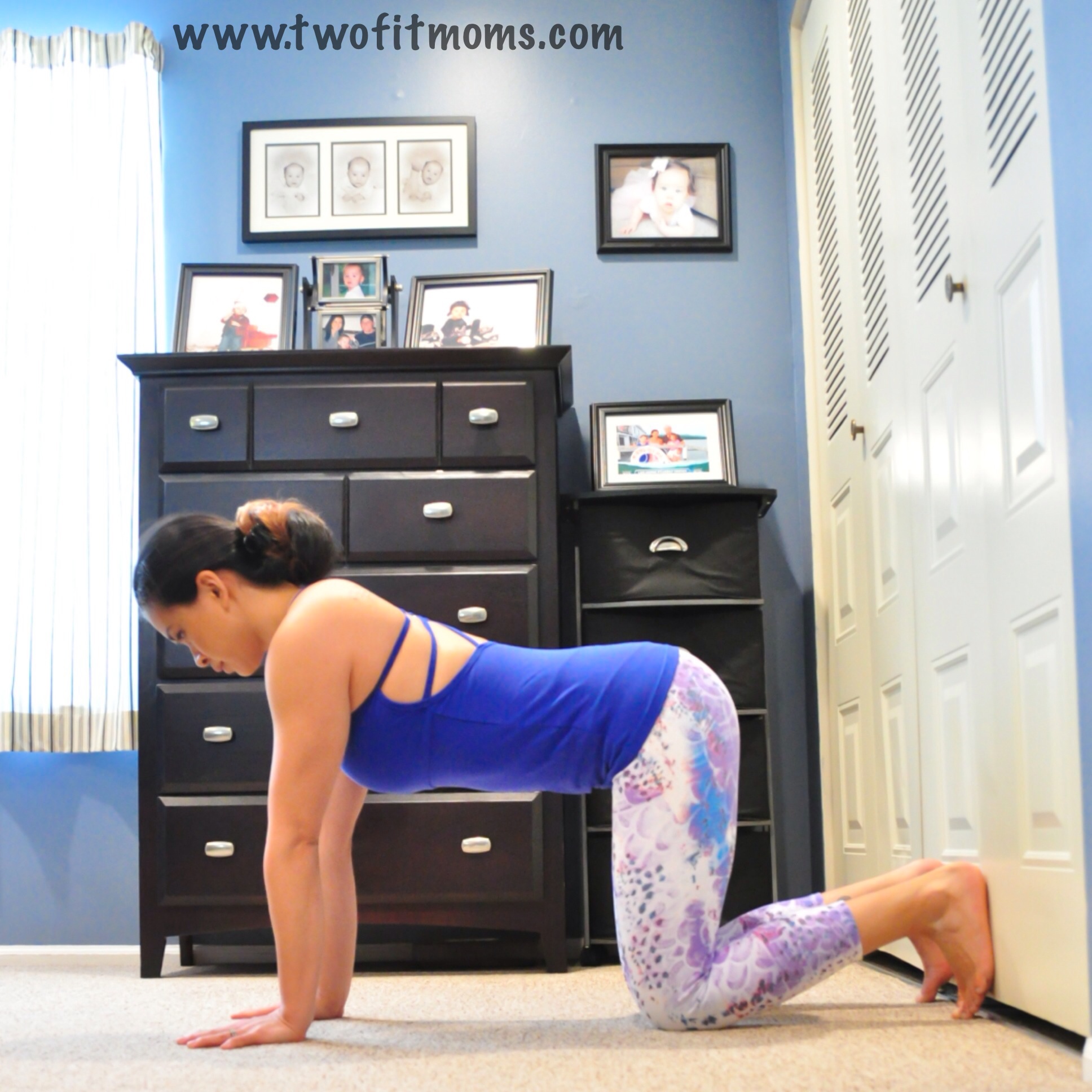
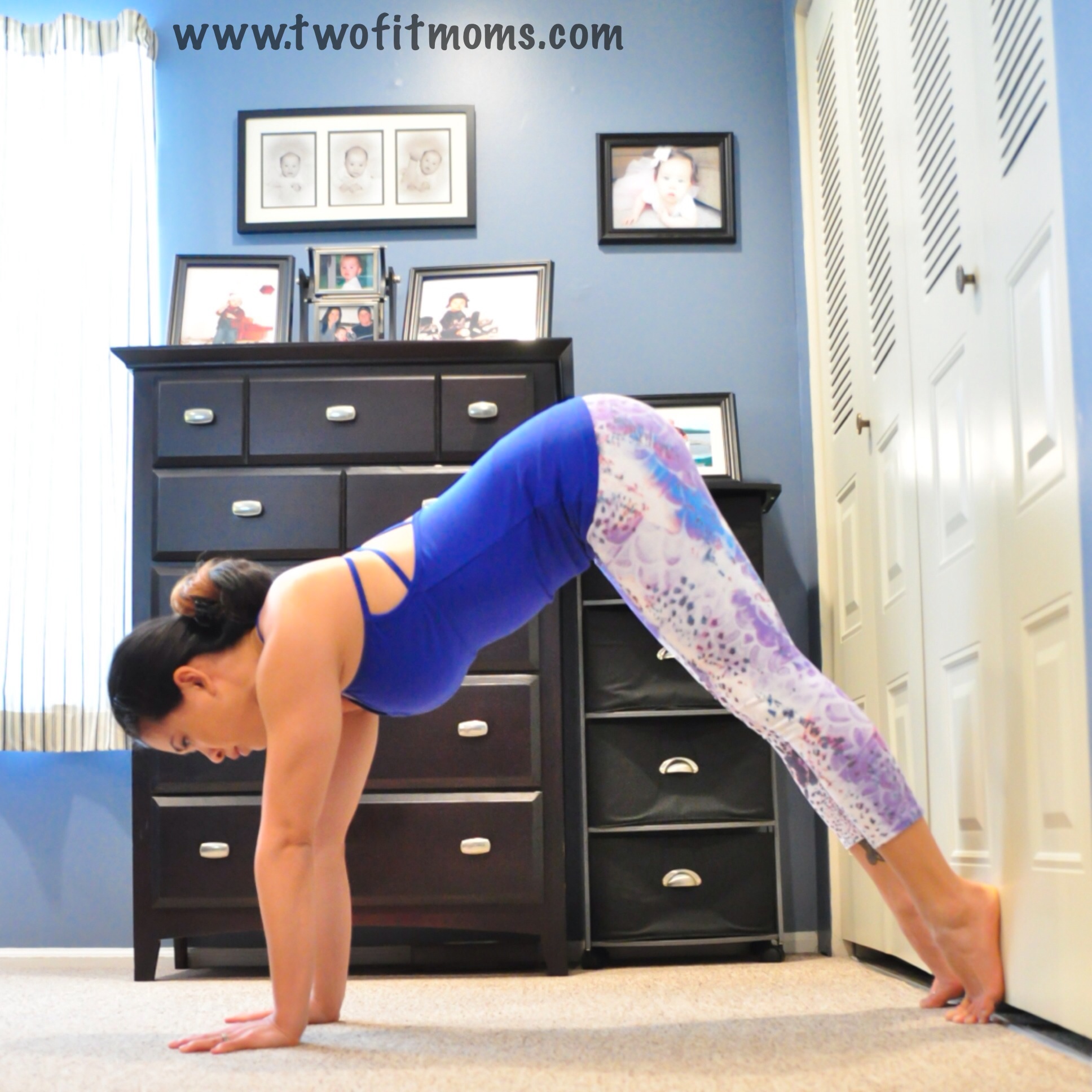
    Time to find a wall space!  Begin at the wall and make your way into tabletop position with your heels going up the wall.  Set yourself up so that your shoulders are directly over your wrists and your hips are over your knees.  Hands are shoulder width distance apart.  Remember what we just talked about?  Spread your fingers wide, index fingers will be parallel to one another or close to that.  Everyone is different, so play with this!

    Roll the biceps out!  You will hear this often and may think… What the hell does that mean?  What this implies is an external rotation of your arms.  Still lost?  Try this little exercise… Sit up tall and extend both arms out in front of you so that hands are shoulder width apart, hands are flexed and index fingers are parallel to one another.  Slowly rotate the hands so that the index fingers start to point towards one another… Feel the upper arm bones pull out of their socket and feel your upper back round? This is NOT what we want.  Now, slowly start to rotate the hands back out and bring the index fingers back to parallel… Feel the arm bones plug back in, the upper back straighten and shoulder blades roll down the back.  Bingo!  You can exaggerate this feeling by actively rolling the shoulders away from your ears.

    Now take that external rotation into your tabletop position against the wall!

    Step 4: Lift those hips!

    Photo Jan 31, 8 05 06 AM

    Time to add some more weight onto those hands and arms! From tabletop position, push into your hands and lift your hips up into a shortened downward facing dog.  Your feet will press into the wall.  Keeping your hands and arms exactly as is, slightly shift forward so that the shoulders line up directly over the wrists again.  Keep your gaze focused on the ground and slightly beyond your fingers.  Feel the weight distribute equally through your palms, feel your fingers claw at the earth.

    Take a few breaths and come down if you need to rest!

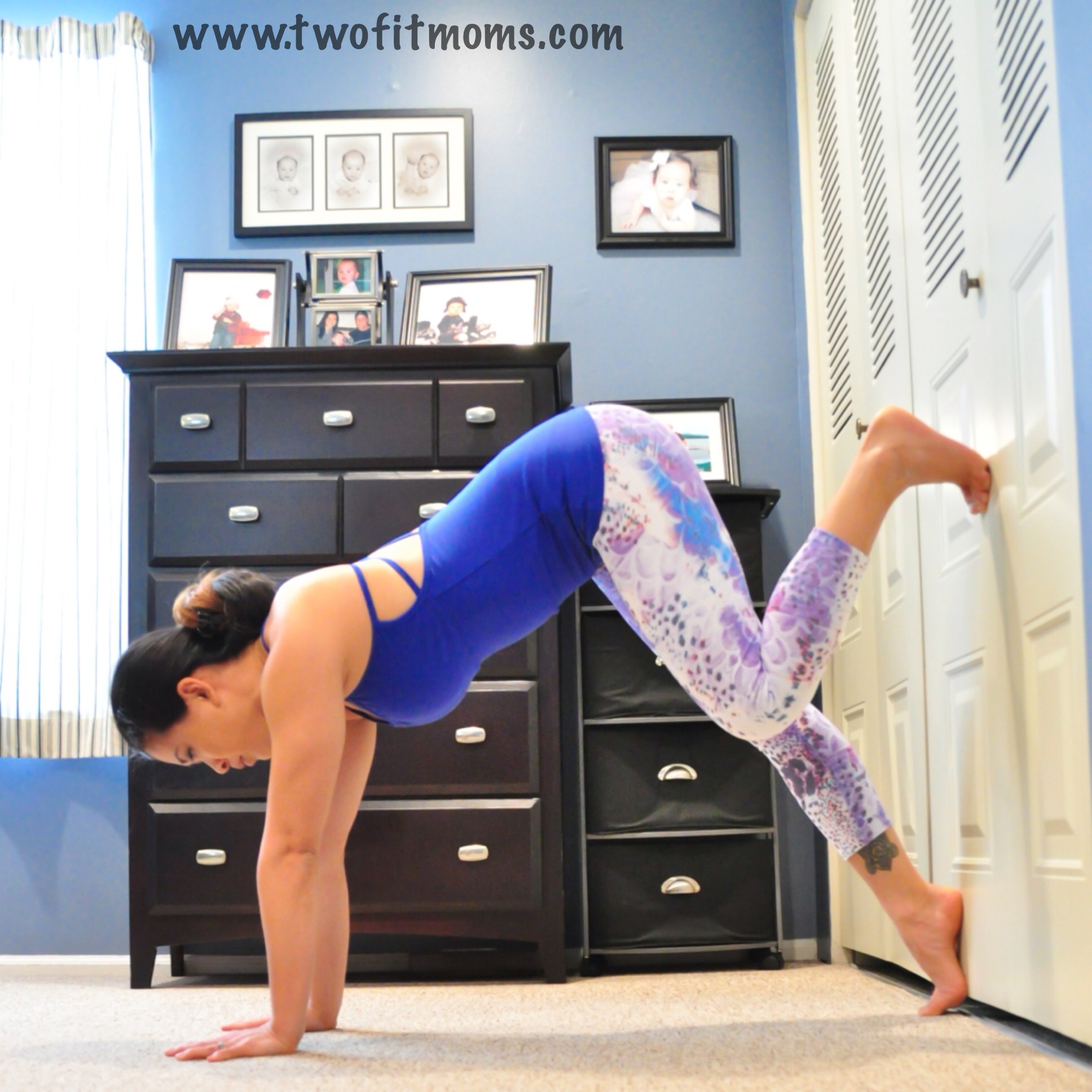
    Step 5: Walk the feet up the wall

    Photo Jan 31, 8 05 21 AM

    Slowly bend one knee and bring the foot higher onto the wall.  Push into the wall with that foot so the bent leg straightens and you can slowly bring the second foot up to meet the first.


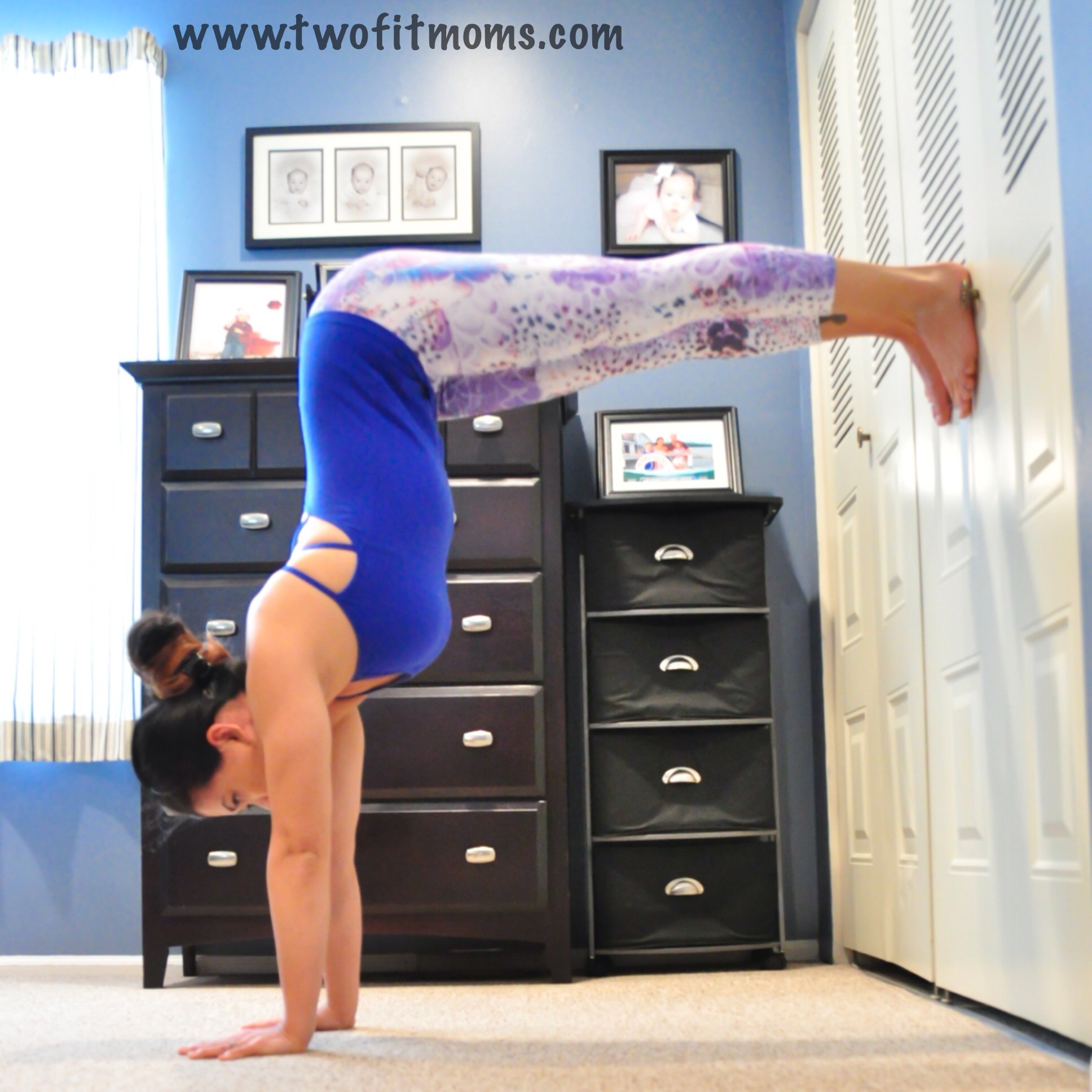
    Step 6: Congratulations on your first handstand!

    Photo Jan 31, 8 05 36 AM

    When you straighten both legs, your hips will stack over your shoulders which should already be over your wrists. Suck your bottom ribs in by not dumping into your chest.  This will help prevent the “banana back” or curve in your spine.  Engage your core and bring your navel in.  Masumi described it best… It’s similar to the feeling you get when someone throws a football to you to catch.  Your ribs pull in, your core engages to prepare for the impact.  Keep your legs engaged, feet pushing into the wall!

    Congratulations!  You’ve done your first handstand!  Stay here and breath.  Try to work your way up to ten deep, slow breaths in and out through your nose.  Not only will this get you comfortable on your hands, this exercise will also start to build strength in your wrists, arms, shoulders, core and legs.

    Step 7: Take it up a notch!

    Photo Jan 31, 8 05 58 AM

    Only when you are ready, you can start to play with lifting one leg actively into the air. Keep the hips square towards the wall and the inner thigh rolling in.  A great way to practice this is by keeping the lifted foot flexed.  Are your toes still pointing toward the wall?  Always keep one foot solidly pressing into the wall.


    Step 8: Relax and do a happy dance!

    Congratulations! You did it! Remember… everyone’s practice is unique and progresses at a different pace. Do not compare yourself to others.  Your practice is YOUR own.

    XOXO

    Blog Signature


  • My Yoga Bag Essentials

    My Yoga Bag Essentials

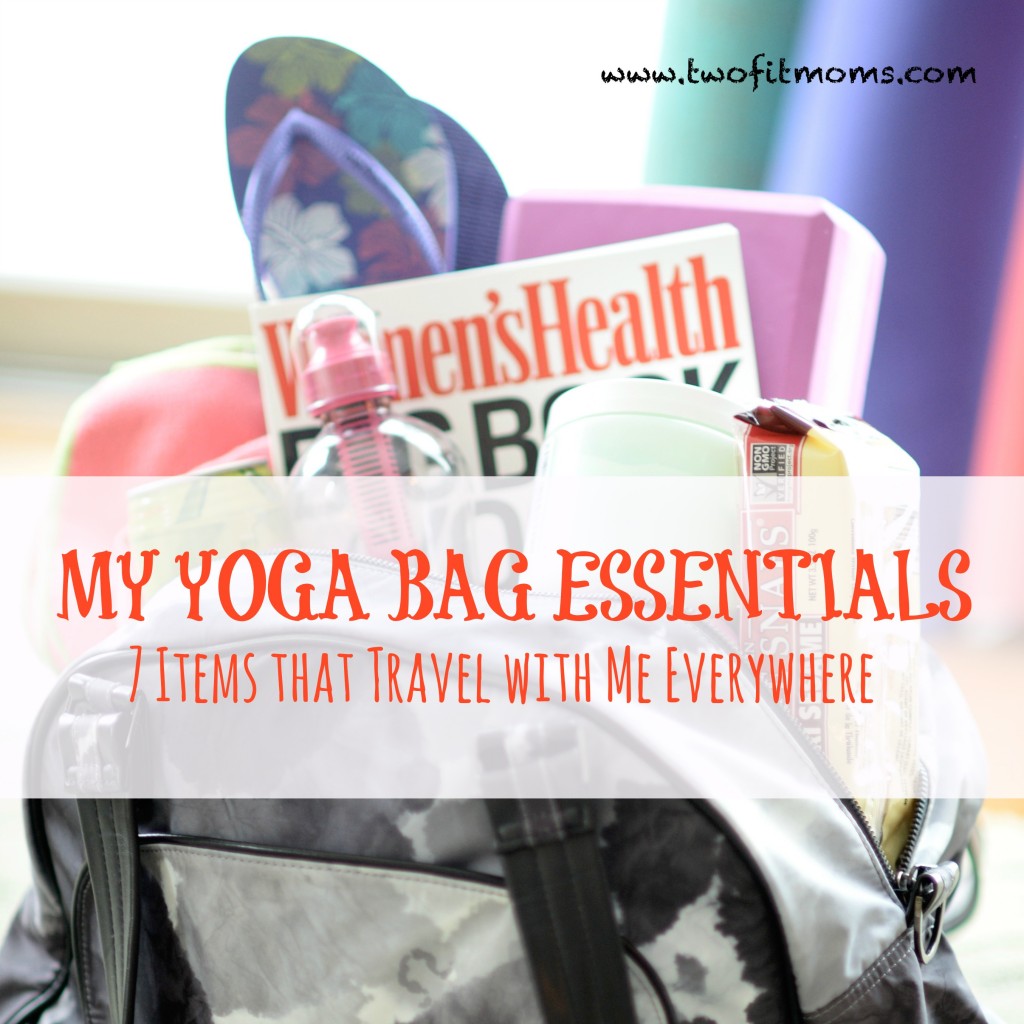
    When I roll into class to teach yoga, I look like a pack mule.  I’m not even kidding— I have my yoga mat slung over one shoulder, my portable sound dock hanging over the other shoulder, and my bag YogaBagEssentialsis splitting at the seams with all sorts of items that I’ve deemed necessary to carry into the studio:  a notebook with yoga sequences and dharma talk themes, a stopwatch so that I can keep track of the time while I’m teaching, extra hair ties, headbands, chapstick, tissues, a hand towel, and a bottle of mat spray.  And that’s not even half of it!  While there are many things keeping my bag heavy, there are seven items in particular that keep my soul light and happy.  Let me introduce you to my yoga bag essentials:

    China Gel

    The first necessary item in my bag is China Gel, which Laura and I affectionately call “Yoga Crack”.  Yes, it’s really that addictive, and you need your own jar.  We massage our students with it at the end of class, and we rub it onto our own sore, tired muscles.  It feels hot. It feels cold.  It’s many soothing sensations all at once, and we can’t get enough of it.  You must give it a try yourself.

    Taste Nirvana Coconut Water

    The second necessary item is Taste Nirvana Coconut Water.  I remember the first time my yoga teacher offered me a bottle.  I just finished two back-to-back yoga classes, and I was hot and depleted.  I was not a fan of coconut water, but my teacher assured me that it was not like any other coconut water that I had tasted.  She was right.  I took my first sip, and that was the beginning of my love affair with Taste Nirvana.  It was refreshing and delicious, and surpassed all of my expectations.  I wish I could adequately describe how much I love this stuff.  If you’ve convinced yourself that you don’t like coconut water, try Taste Nirvana, and you will change your mind.  If you love coconut water, you are in for an amazing treat.

    Bobble BPA-Free Water Bottle with Built-In Filter

    The Bobble is a reusable water bottle that filters contaminants from the water as you drink.  The filter, which comes in lots of cool colors, is good to go for 40 gallons (or about two months of use).  Forget about buying individual bottles of spring water at the supermarket and try a Bobble.  I have multiple Bobbles that I keep in various bags and locations so that I always can drink tap water without stressing.

    Yogitoes Skidless Mat Size Towel

    I thought my yoga mat had a great non-slip grippy surface until I took my first hot yoga class.  I was sweating like a beast, and my hands and feet were slipping in basic poses like downward facing dog.  My teacher recommended that I use a non-slip yoga towel on top of my mat, and that suggestion made all the difference.  Once you start sweating, this towel with rubberized grips on the underside makes all the difference.  I stopped slipping!  It was like a mini miracle.

    Brown Rice Crackers

    When I go to the gym, I lose my appetite.  When I go to yoga class, I somehow end up ravenous.  It’s a strange situation, and I don’t understand it, but I embrace it and stock my yoga bag with this particular flavor and brand of brown rice crackers.  These little crackers are so good, and they are the perfect single-bite size to fit right into your mouth. No crumby mess in your car!  I will warn you that you need to exercise a bit of self-control.  It’s hard to eat just a few.  In fact, I eat about half the package in one sitting.  I love the very simple ingredient list, and the product is “Non-GMO project verified”.  It’s also gluten-free, for all of you out there with sensitivities or allergies.

    Women’s Health Big Book of Yoga

    Does anybody else carry books in their yoga bag?  Maybe it’s just me, but I carry books everywhere.  This particular book is wonderful for beginners because EVERY page is covered with glossy photographs of poses, instructions and sequences.  Use it as a reference guide, and use it for daily inspiration.  I LOVE this book.

    Havaianas Flip Flops

    Ok, I will admit it—I am a germaphobe.  Walking around barefoot in the yoga studio makes me cringe.  I can’t handle thinking about the random hair, crumbs, dust and germs all over the floor.  Of course, in order to preserve the sanctity of the room and to keep the floor relatively clean, I do not wear shoes in the studio.  I just try very hard to keep my mind off of my feet.  However, I DO keep a pair of Havaianas flip flops in my bag to slip on to go to the bathroom or to walk in the outer hallways of the studio.  I love these flip flops because they are so thin and light in my yoga bag but sturdy and fashionable.  I have them in all sorts of prints and colors.  Check them out and add a pair to your yoga bag, too.

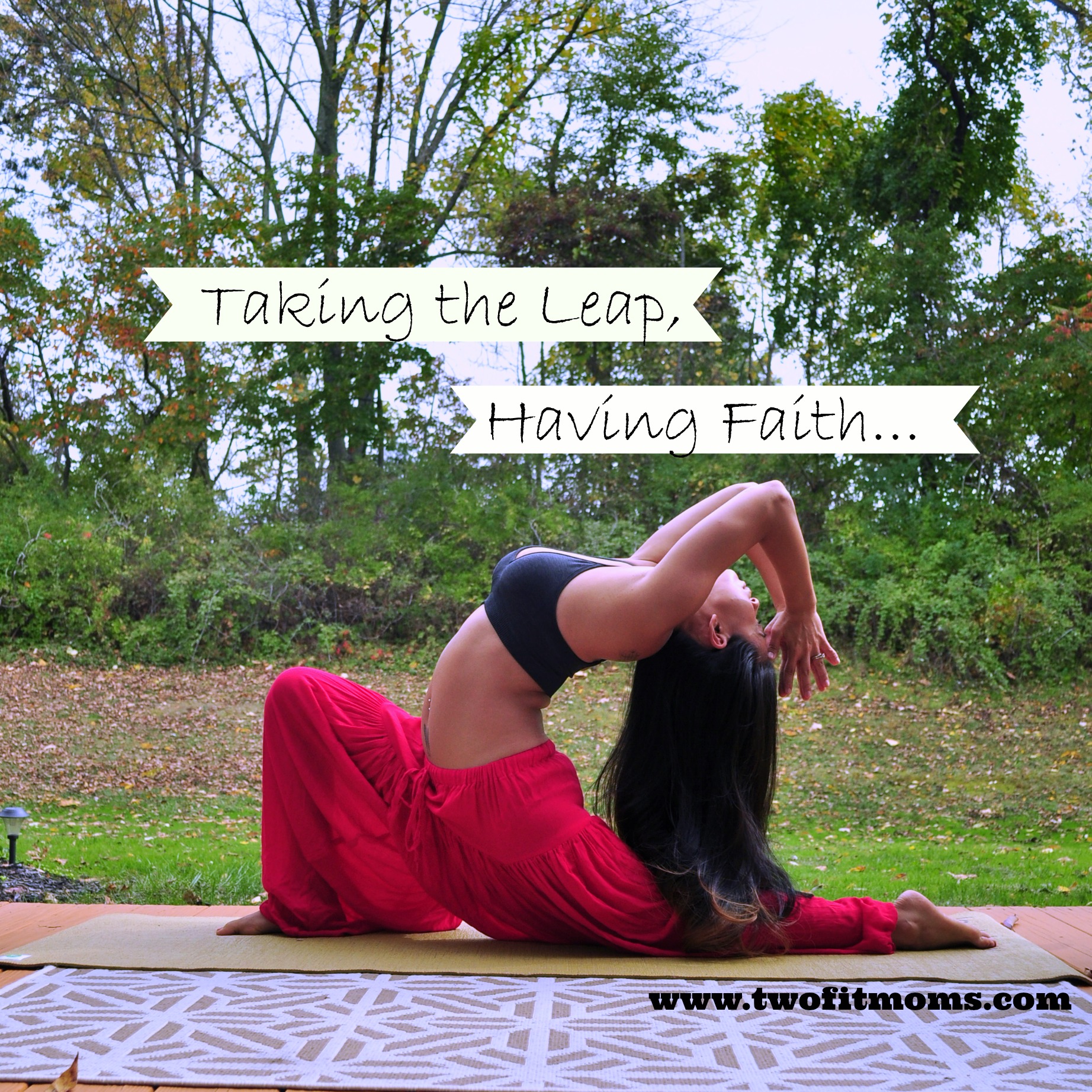
  • Taking the Leap, Having Faith: How a Bad Day Set Me on the Path to Change

    Taking the Leap, Having Faith: How a Bad Day Set Me on the Path to Change

    DSC_9014

    Today was a crappy day. It was a bad work day.  It was one of those days where you just want to throw in the towel. It made me realize that being happy is important and that the path to happiness lies within me.  Today, I made the decision to make a change.  Today, I’ve committed within myself to make yoga my full time job. Maybe this isn’t happening today, or tomorrow, or even a month from now, but I know it’s coming, and the right time for that change will be here soon.

    I’m excited . . . I’m scared! Why did it take me so long to make this decision? Fear is really what has been holding me back.  The fear of instability, the fear of failure – all very real concerns for anyone but especially for a mother and wife who has responsibilities beyond taking care of herself.  That being said, the straw broke the camel’s back today, and it made me realize that I’m ready.  I CAN do it.

    I have to tell you though, I never would have guessed that yoga would make such a comeback in my life and that Instagram would transform the experience and help lead me to where I am today.

    In March 2012, at the request of my niece, I joined Instagram.  I had no idea what Instagram or Twitter was, or any of the other social media apps for that matter. What the hell was a hashtag?  Why would someone follow me?  It all sounded a bit creepy.  My account remained dormant for a good four months. I honestly just didn’t know what to take pictures of, what to post or what to say.

    Then one day, I had an epiphany… Why not take pictures of some of the yoga poses I’ve been working on? That’s when this journey for me all started.
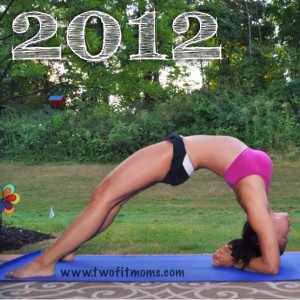
     

    Photo Jan 27, 2 00 24 PM

    I began practicing yoga 17 years ago, when I was 19, so that makes me… 29 today? LOL. Okay, okay… I am 36 now.  I started doing yoga from a Baron Baptiste VHS tape of my sister’s.  It was very basic, but it’s what I used to learn a Sun Salutation, Warrior I and Navasana.  Up until that point, I had no experience with yoga.  I practiced from this tape until I knew it inside out, and then I purchased a few more of his tapes.  Eventually, I started taking classes at the local gym.  This is where my knowledge of yoga started to grow and manifest.  It was also the place where I did my first Bakasana (Crow Pose), and where I attempted my first headstand as an adult. I was hooked.

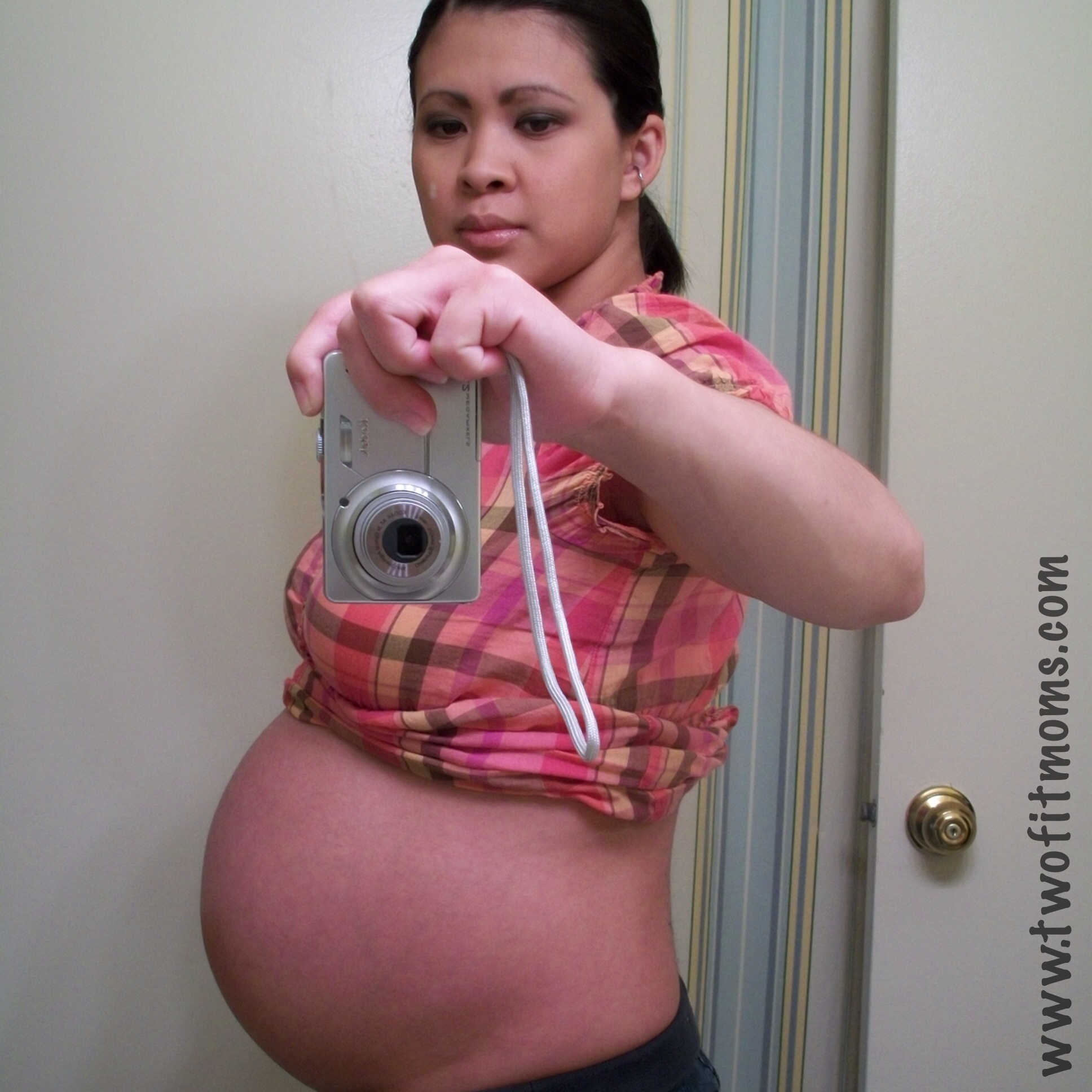
    In 2005, I had my son and in 2009, I had my daughter. During these four years, yoga took a backseat to my other cardio/weight workouts.  Although my pregnancies were quite uneventful and “easy,” I did not enjoy being pregnant.  To be honest, gaining weight was the hardest for me.  I was winded walking up a flight of stairs, I felt like a stuffed sausage in everything I wore, and, generally, I felt downright unattractive.  Of course, I’d do it all again for my two lovebugs… but it was HARD.
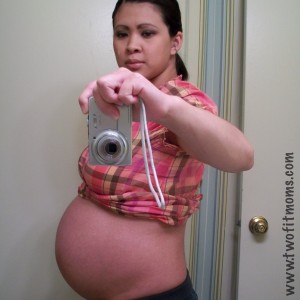
    Photo Jan 27, 2 05 50 PM

    I worked out like a crazed lunatic for most of my pregnancies so I could stay as fit as possible and lose the baby weight as soon as possible.  Back then my mindset was still…cardio and weights… burn those calories… a workout isn’t great unless you SWEAT LIKE A PIG!  Boy oh boy… I wish I had known then, what I know now.

    After my mini was born in 2009, I went into a fitness craze and ordered every home workout system known to man… Insanity, P90X, Insanity Asylum, TurboJam, TurboFire and P90X2.  I spent a good two years focusing on these workouts.  Yoga for the most part, took a further backseat.  I was only doing it once a week in the form of the yoga from P90X.

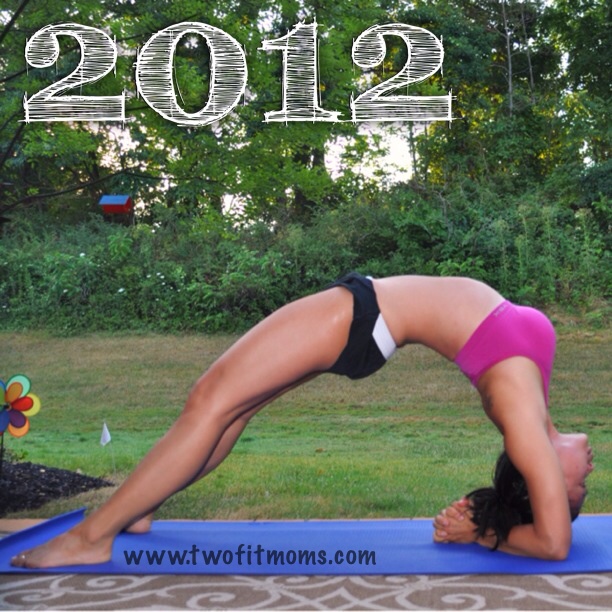
    It wasn’t until early 2012 that I discovered online sites that streamed yoga classes.  This, coupled with my start on Instagram, put yoga back into my fitness plan. Previously, I was drawn to yoga for its physical aspects, but more advanced classes opened up a whole new world for me.  I instantly became addicted to learning more.
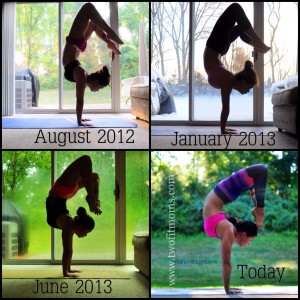
    Photo Jan 27, 2 15 05 PM

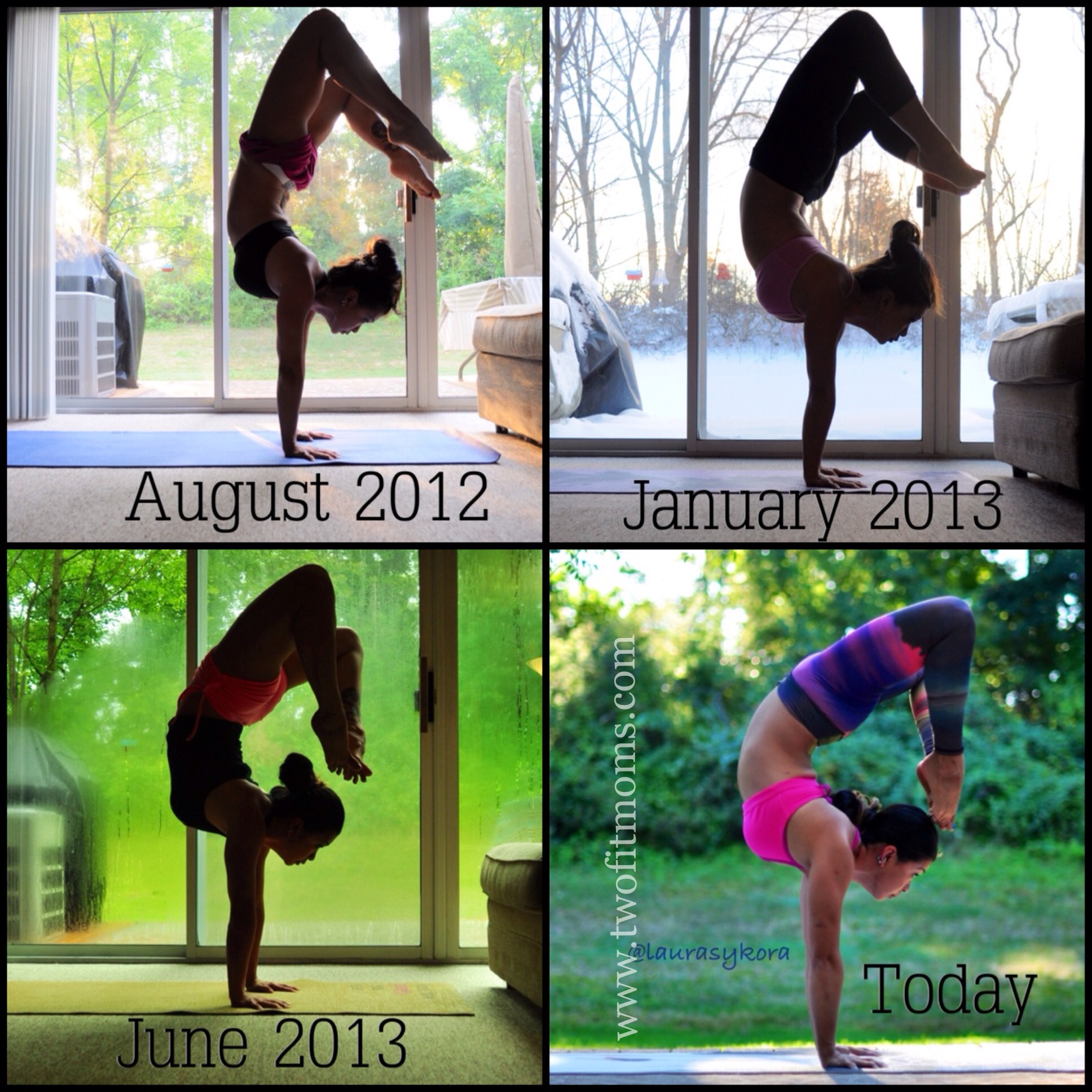
    By October 2012, I made the decision to stop doing my other workouts in favor of yoga, which I practiced every day for a month. A month turned into two months… which then turned into a year, and the rest is history.  I’ve never once regretted that decision.  My asana practice has grown more in these past 16 months than it did in those first 17 years.

    At some point, my Instagram started to inspire people. It inspired my partner-in-crime, Masumi, to start her yoga journey.  My world was starting to shift.

    “Are you a yoga teacher? Can you teach me?”  Those questions started popping up like crazy.   It was time to get certified and take that first leap of faith.

    Yoga Teacher Training (YTT) was scary as shit for me.  I had severe TMJ growing up which resulted in my slight lisp – something that I am extremely self-conscious of. It took every ounce of courage to go through with YTT.  I sucked so badly in the beginning that I almost gave up in finishing. Thank goodness for Masumi and my teachers, Victoria and Anayra.  They believed in me, and I will always be grateful for their support.

    In August of 2013, I officially became a yoga teacher!
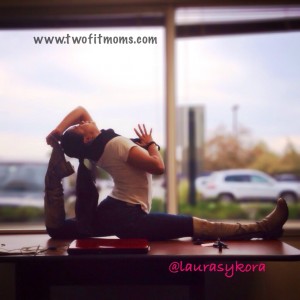
    Photo Jan 27, 2 38 04 PM

    So, to bring it back full circle, the reason I wrote this post was because today sucked.  It sucked enough to make me make a change.  It made me realize that I need to have faith in myself, faith in my abilities, faith that I am meant to do something more than my “day job.”  It also made me realize that I have the whole-hearted support of my family, which is most important to me.

    “Courage is never to let your actions be influenced by your fears.” – Arthur Koestler

    Change is not easy.  It won’t happen overnight, but I’m on a clear path.  Thanks for joining me on this path.  I can’t wait to see where it takes me.

    XOXO

    Blog Signature

  • The Sun Salutation: The Flow Every Yogi Should Know

    The Sun Salutation: The Flow Every Yogi Should Know

    Hello my sunshines!

    Welcome to my first official blog post here on our TwoFitMoms website!

    One question I get asked a lot is… “Where do I start?” or “What poses should I do first?” My answer is quite simple… LEARN THE BASICS! So I decided that the first thing I would break down is a Modified Sun Salutation or Surya Namaskar A.  The variations you can do with this simple flow are endless… but let’s break down a basic, beginner flow that I like to teach.

    1. BREATHE! Each movement will happen on an inhalation or an exhalation through the nose… Ujjayi Pranayama. Ujjayi breathing is known for the soft “hissing” sound it makes as a person inhales and exhales over the back of their throat. The purpose of Ujjayi breathing is to slow the breath down, bring attention to the breath throughout the practice and prevent the mind from wandering. A simple way of learning this is to simply place the tip of the tongue on the roof of your mouth, take a deep breath through the nose and slowly exhale out of your nose. Did you hear the soft sound this makes?


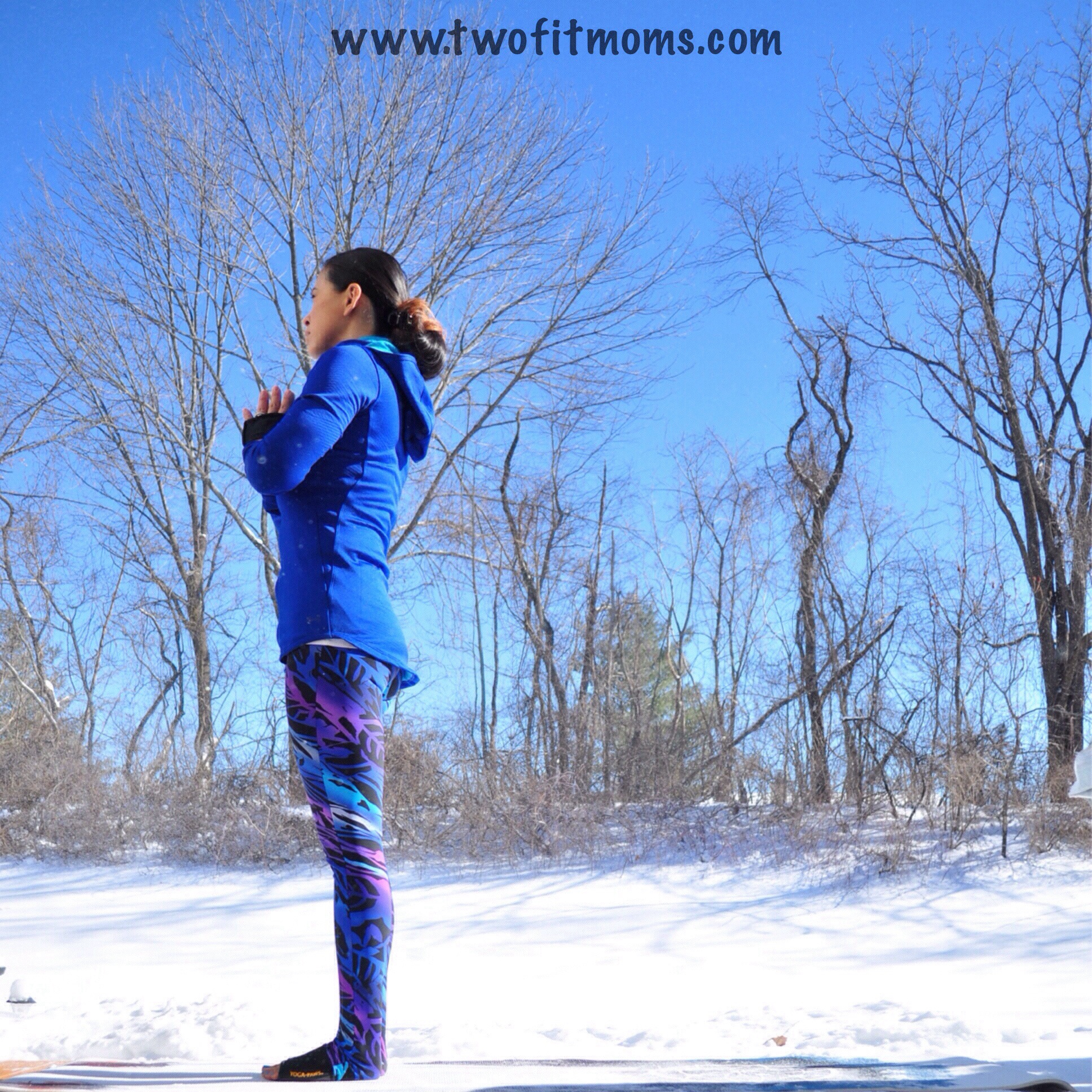
    1. Tadasana or Mountain Pose: Stand at the top of your mat… Feet together or hips-width distance apart.  Feel your spine lengthen as you stand up tall with your chin parallel to your mat.  Roll your shoulders away from your ears.  Place your hands at heart center in Anjali Mudra or prayer position; or alongside your torso, palms facing outward. Close your eyes and take a few deep breaths in and out through your nose… Ujjayi Breathing.

    Photo Jan 23, 1 46 59 PM

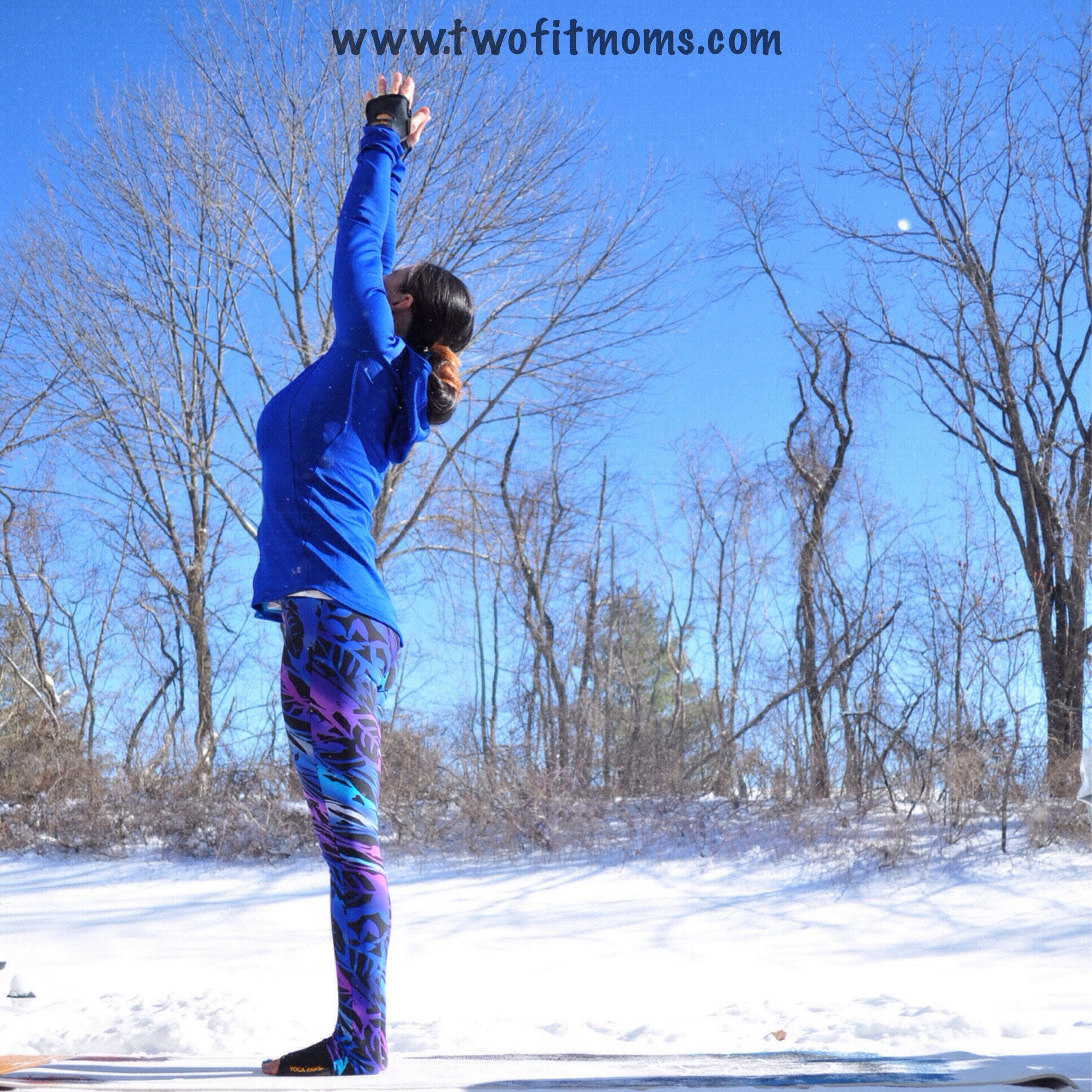
    1. Urdhva Hastasana or Upward SaluteOn an inhale, sweep the arms up overhead.  Look up, watch the palms touch.

    Photo Jan 23, 1 47 08 PM

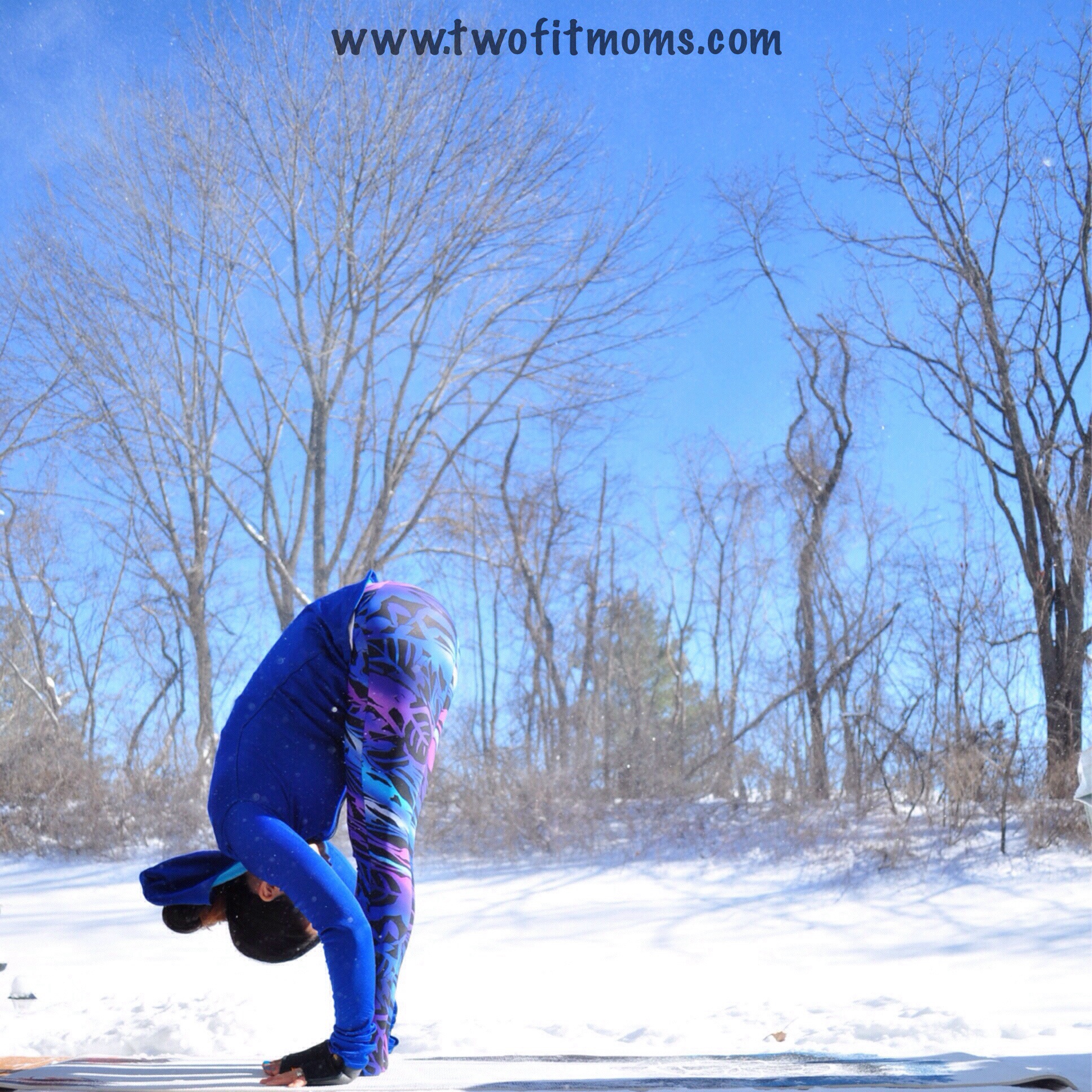
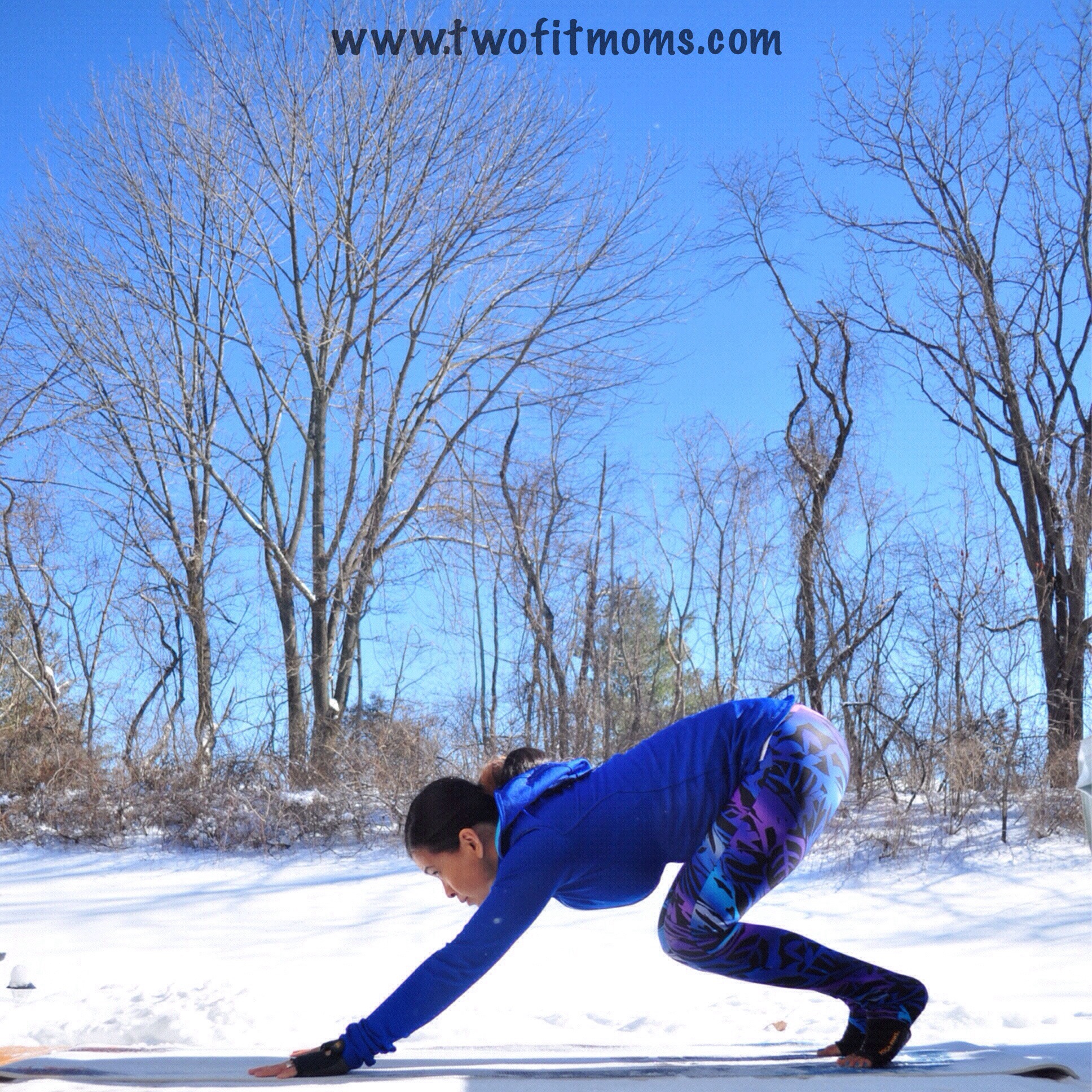
    1. Uttanasana or Standing Forward Fold:  Exhale.  Leading with your heart, swan dive down bringing your hands to your mat, thighs, shins or blocks. Make sure to evenly distribute your weight into your feet. For most people, that means shifting your weight slightly towards your toes. Inner thighs spin back, spine remains long, shoulders continue to pull away from your ears. Don’t be a turtle!

    Photo Jan 23, 1 47 14 PM

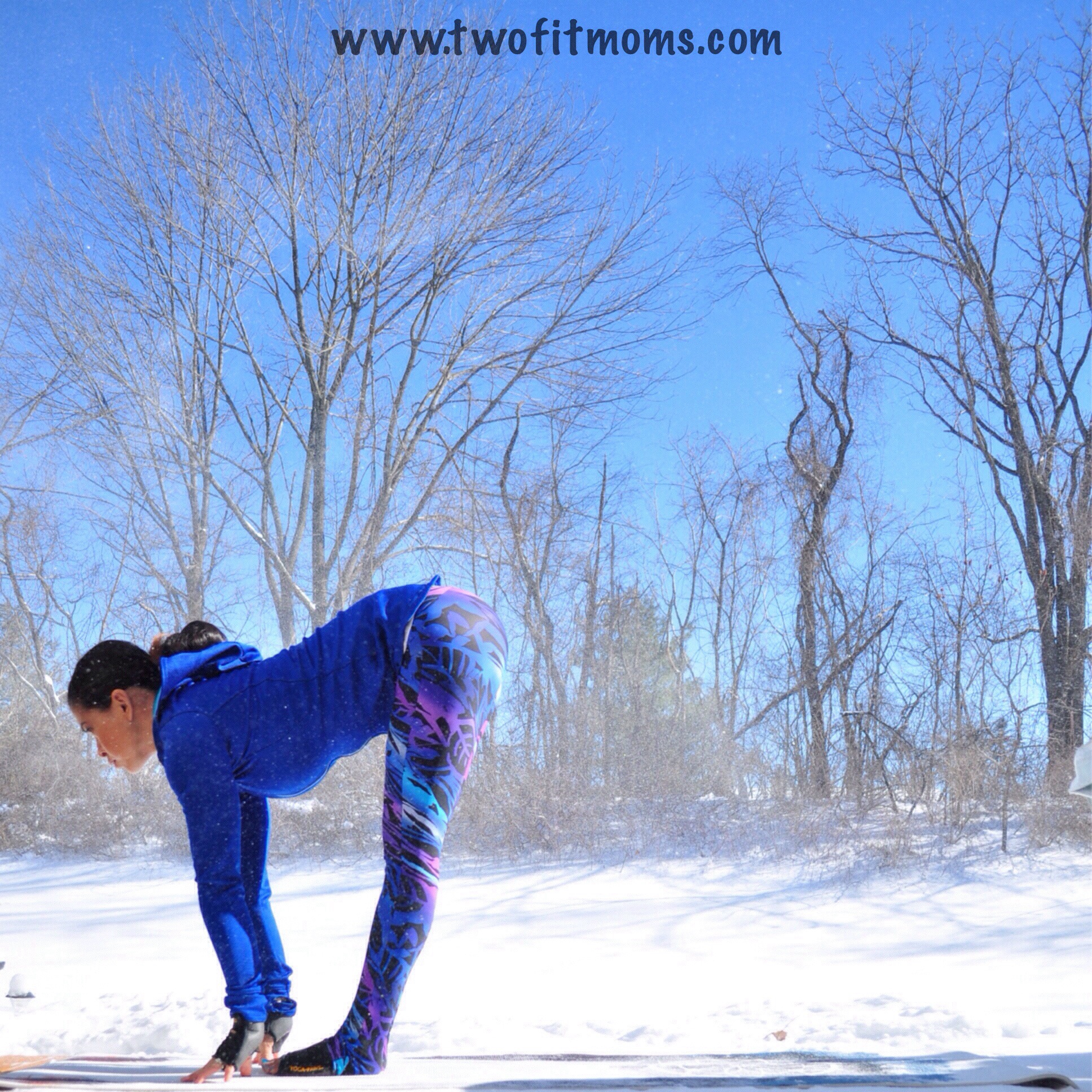
    1. Ardha Uttanasana or Half Standing Forward Fold:  Inhale. Look up; come up onto fingertips, blocks or higher up onto your legs. Lengthen the spine, flat back.

    Photo Jan 23, 1 47 20 PM

    1. Uttanasana or Standing Forward Fold:  Exhale. Lower back down into Uttanasana.

    Photo Jan 23, 1 47 14 PM

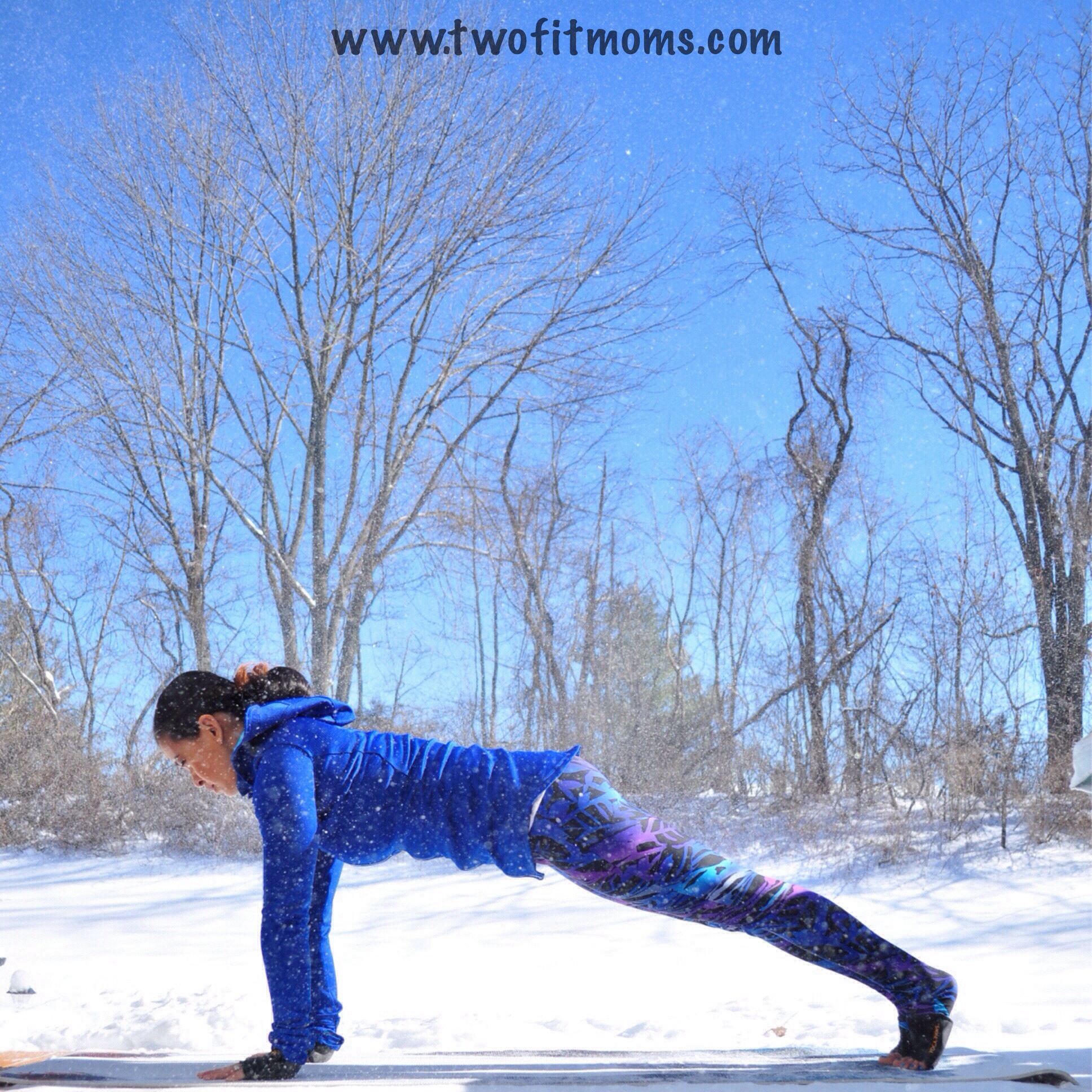
    1. Utthita Chaturanga Dandasana or Plank Pose:  Inhale. Place your hands onto your mat and step back into Plank Pose or top of a push up. Shoulders will stack directly over your wrists. Keep your gaze on your mat. Spread your fingers wide. Your biceps roll forward so the creases of your elbows point toward the top of your mat. Shoulder blades broaden down your back. Core engages… think navel to spine while your tailbone tucks under.  The goal is to make a straight line from head to heels.  If this is too much for you, lower down onto your knees!

    Photo Jan 23, 1 47 25 PM

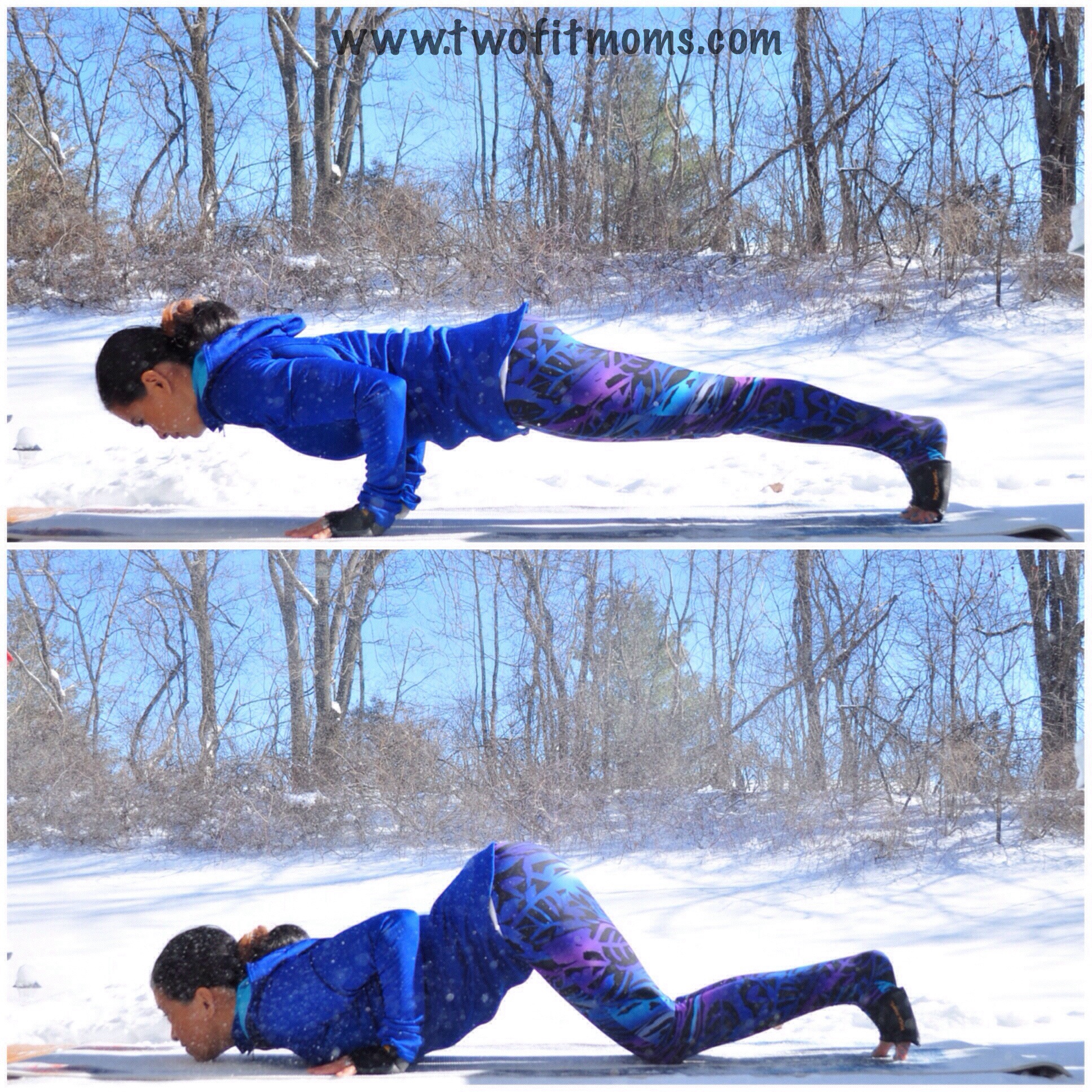
    1. Chaturanga Dandasana or Four-Limbed Staff Pose:  Exhale. Keeping your elbows pinned to your sides, shift slightly forward and slowly bend the elbows so they come to a 90 degree angle. Do not collapse onto our mat! If you struggle with keeping your elbows in, you have two options. 1 – Try the “caterpillar” instead! From plank pose, lower your knees, chest and chin to your mat as shown in the bottom pic. 2 – Do a modified Chaturanga by lowering onto your knees. In either modification, keep those elbows squeezing in.

    Photo Jan 23, 1 47 31 PM

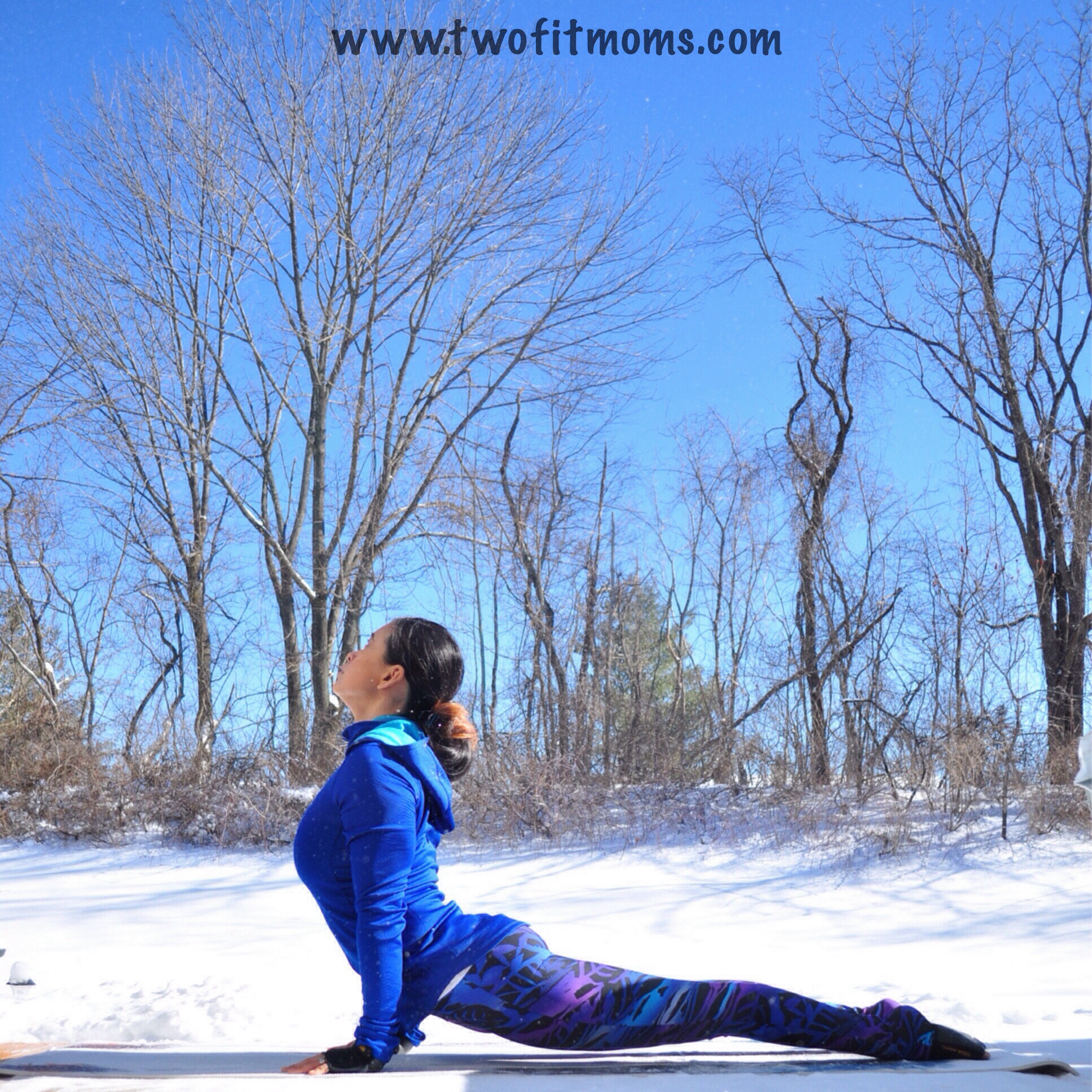
    1. Urdhva Mukha Svanasana or Upward Facing Dog:  Inhale. Roll over the toes or flip one foot at a time so the tops of the feet press firmly into your mat. Press into your hands as you simultaneously start to straighten your arms and lift your torso up. Your hands and the tops of your feet are your only connection to your mat. Keep your gaze straight ahead or slightly back. Squeeze your shoulder blades against your back as you puff out the sides of your ribs. Relax your buttasana, try not to clench.

    Photo Jan 23, 1 47 37 PM

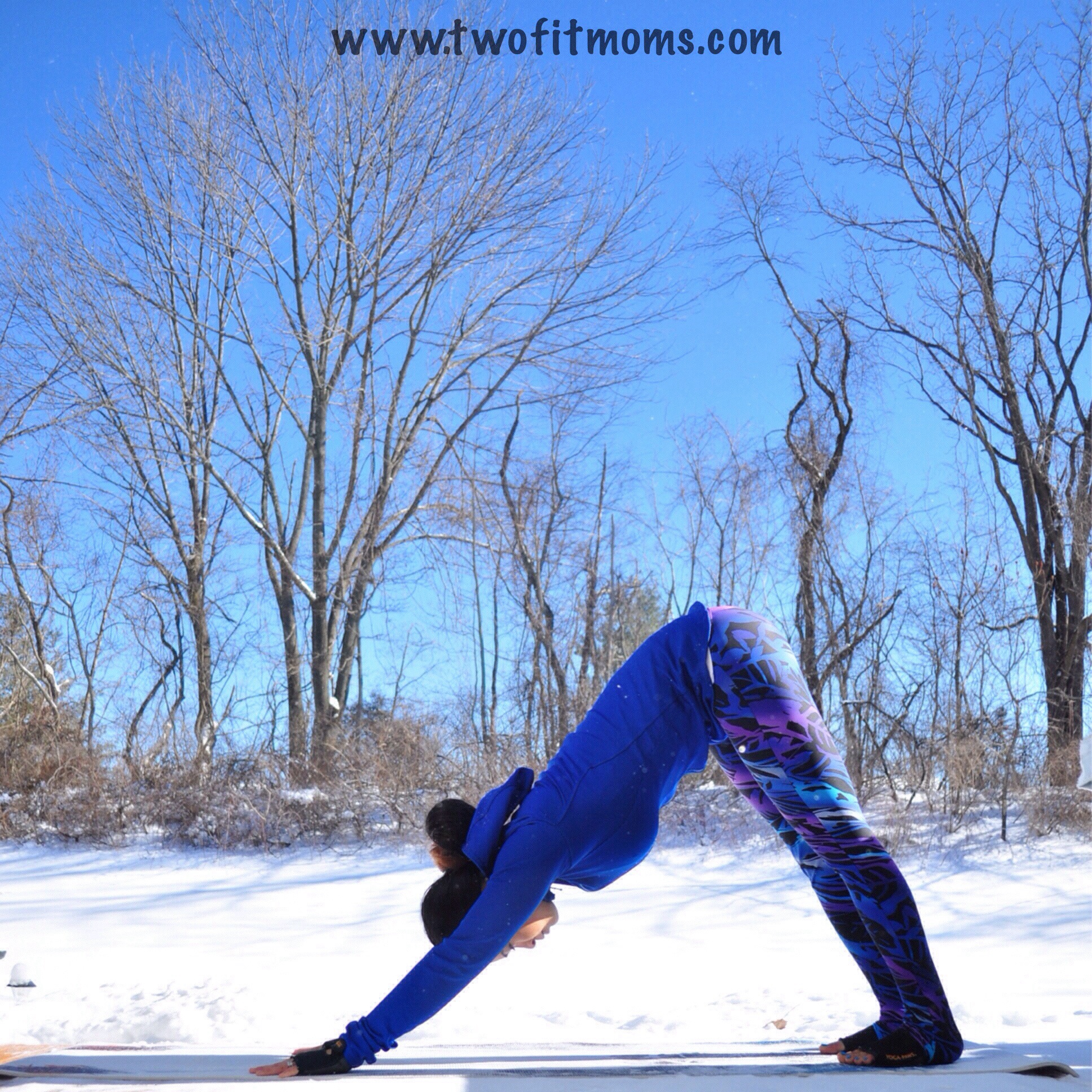
    1. Adho Mukha Svanasana or Downward Facing Dog:  Exhale. Roll back over the toes and lift the hips high. You should look like an upside down “V”.  Fingers spread wide, biceps roll forward, shoulders melt down the back, lower ribs corset in towards one another… so do not dump into your chest… navel pulls in, tailbone lengthens, quadriceps lift as your inner thighs spin in, heels press actively towards your mat.  It’s OK if your heels do not touch the mat but the intention should be down. Keep your gaze about halfway down your mat towards your toes without letting your head sag.


    Some modifications?  If you have tight hamstrings, bend your knees slightly to take any tension out of the lower back. You may feel tugging there when you try to straighten the legs out… So be mindful, and take the bend. You can also sit back onto your heels from Upward Facing Dog before going into Downward Facing Dog.

    Take 5 deep breaths here.

     Photo Jan 23, 1 47 44 PM

    1. Move on up… Inhale.  Look forward and bend your legs.  Exhale. Walk or jump to the top of your mat.

    Photo Jan 23, 1 47 50 PM


    1.  Ardha Uttanasana or Half Standing Forward Fold:  Inhale.  Look up, flat back.

    Photo Jan 23, 1 47 20 PM

    1. Uttanasana or Standing Forward Fold:  Exhale.  Fold.

    Photo Jan 23, 1 47 14 PM


    1. Urdhva Hastasana or Upward Salute:  Inhale.  Keeping the spine long, sweep the arms up towards the sky… Look up, palms press.

    Photo Jan 23, 1 47 08 PM

    1. Tadasana or Mountain Pose: Exhale. Hands in prayer in front of your heart or down by your sides.

    Photo Jan 23, 1 46 59 PM

    If you’re new to yoga, start out by doing 3-5 of these a day! Take them as slowly as you need to, and if something doesn’t feel good… MODIFY!

    “The journey of a thousand miles begins with a single step.” – Lao Tzu

    XOXO

    Blog Signature

  • SNOWGA! 10 Reasons Why You Can and Should Take your Snow Day to Another Level

    SNOWGA! 10 Reasons Why You Can and Should Take your Snow Day to Another Level

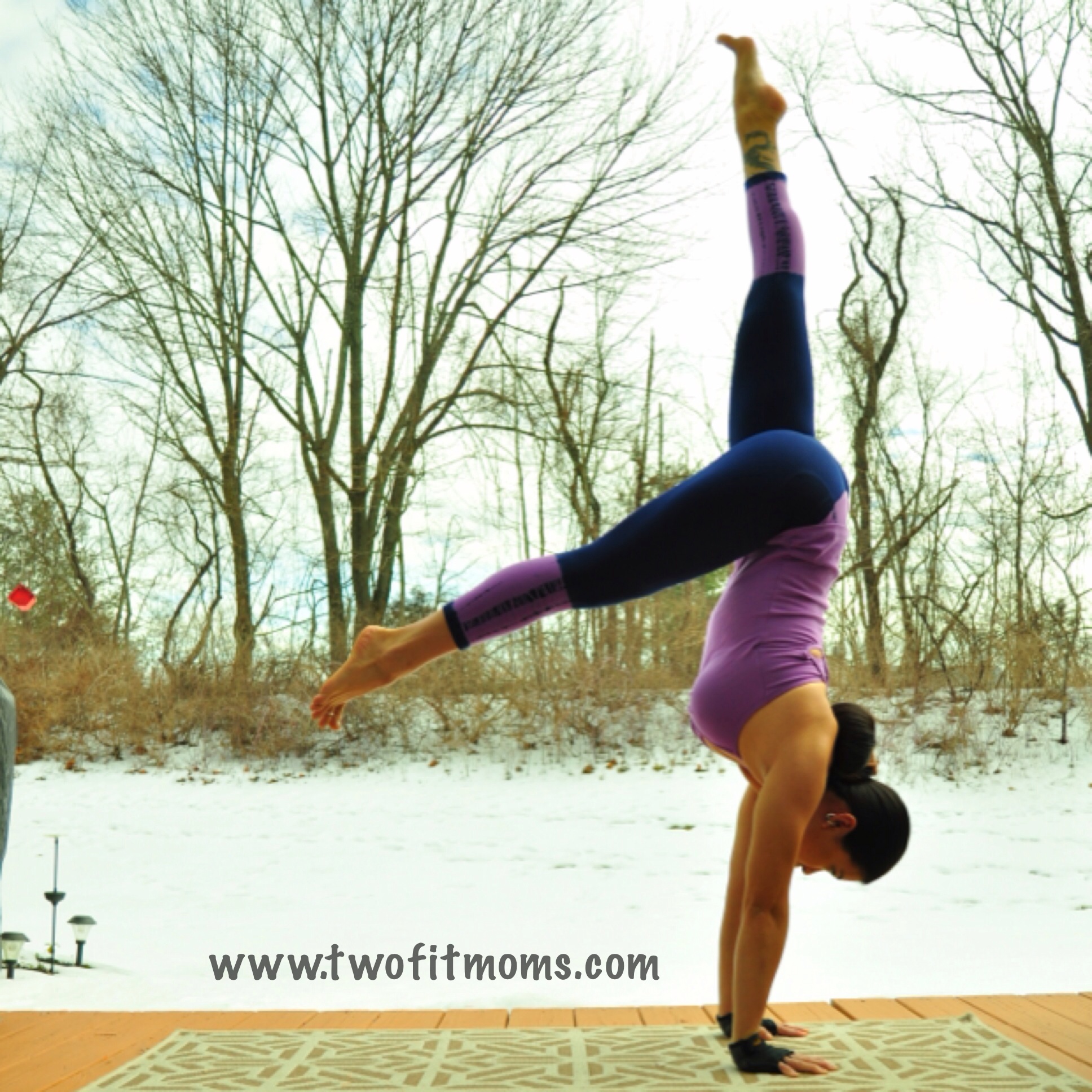
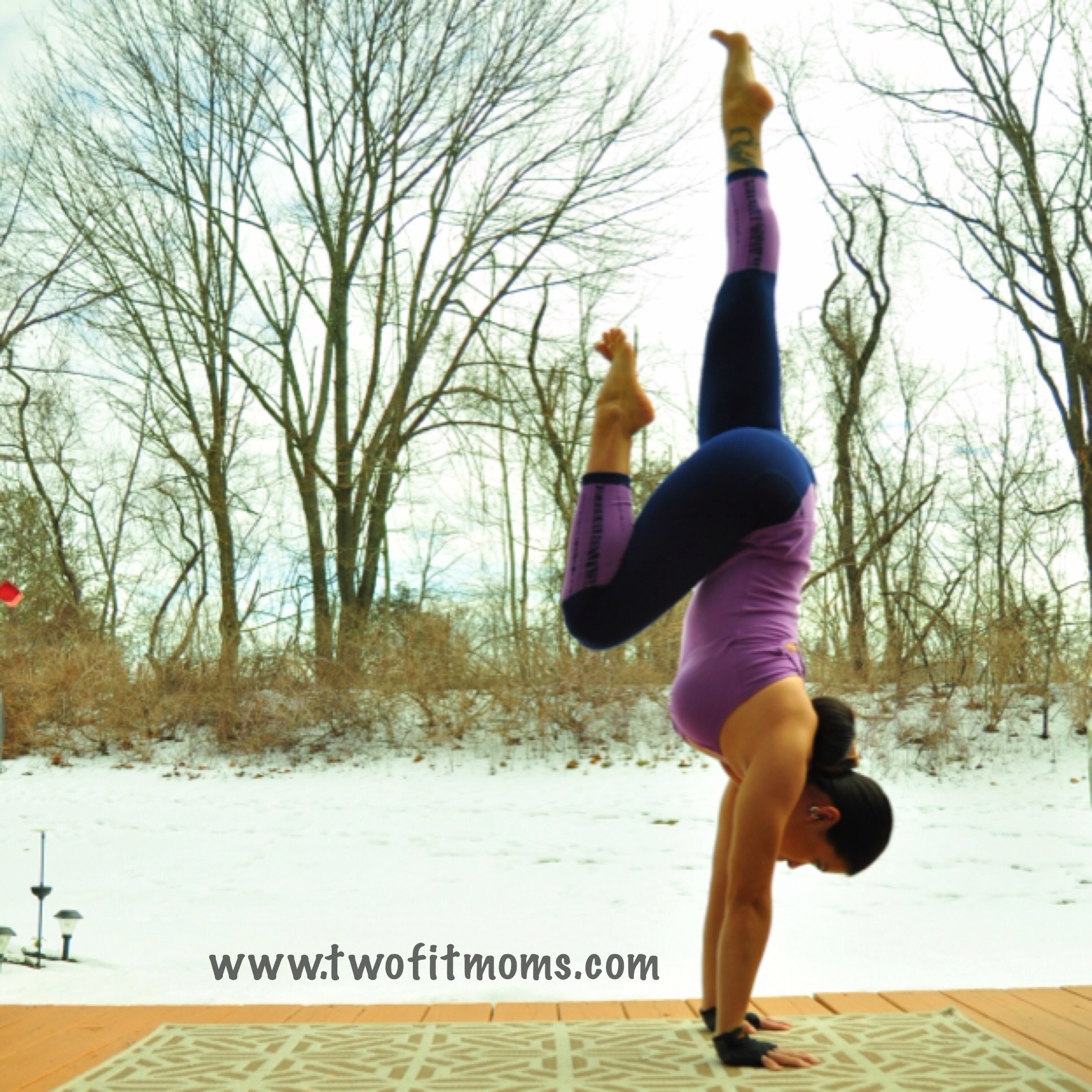
    If you have an Instagram account, you’ve probably seen plenty of “snowga” photos posted by yogis living in cold weather climates.  What is “snowga”, you may ask?  Well, it’s simply the act of getting into a yoga pose in the snow.  It is NOT, by any means, a full SnowyChopasanaPhotopractice in the snow.  It’s usually just a beautiful moment captured in time, and it consists of running out into the snow for about a minute for the purpose of taking a photo, and then racing back into the house to warm up.
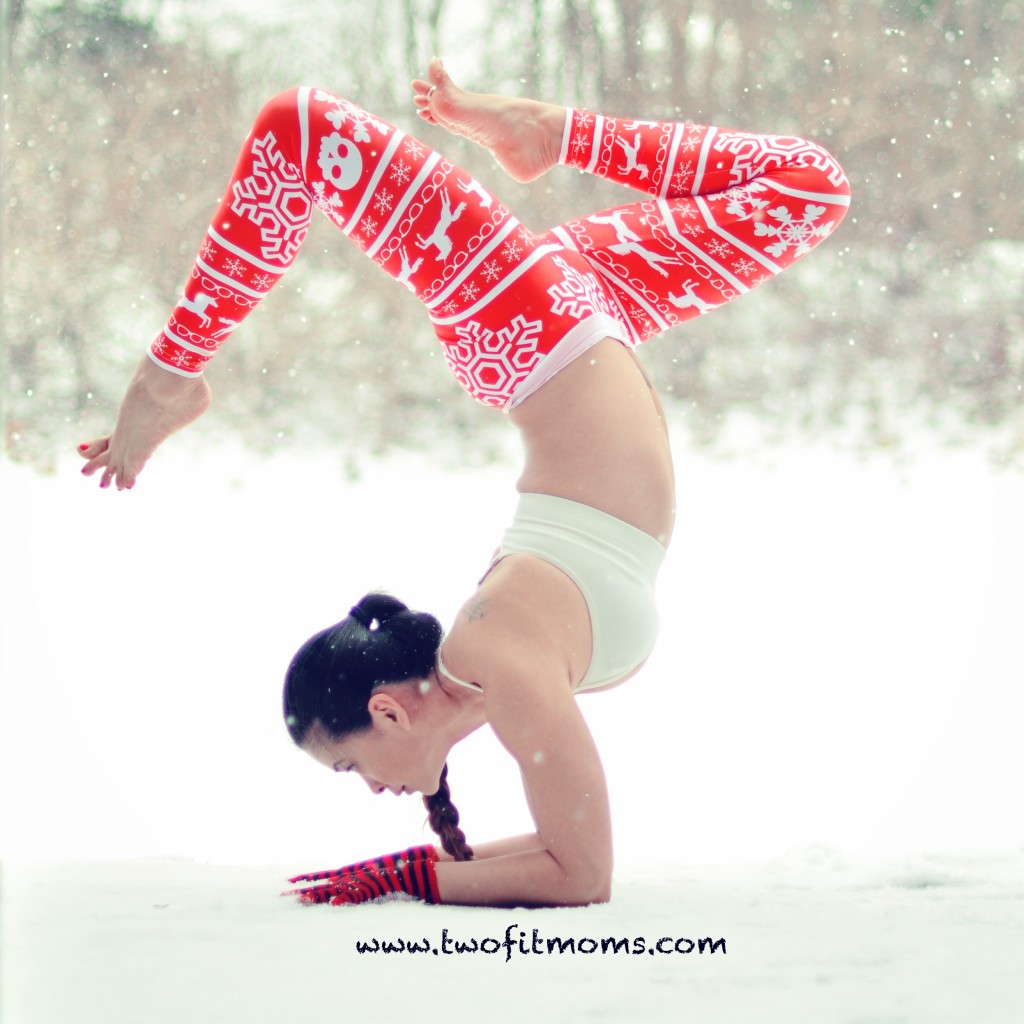
    I’m sure you can easily rattle off many reasons why you shouldn’t and don’t want to do such a thing.  My mind fills with these thoughts, too:  It’s too cold; I might get sick; I might slip; My neighbors will think I’m crazy; “Real” yogis will claim that I am not a “real” yogi if I do this; My toes will freeze; My fingers will freeze; My mat will get all wet, etc.

    Yesterday, I put all of these doubts aside and decided to take a snowga photo.  I couldn’t withstand the cold for more than the time it took to take the one picture shown above, but now that I am looking at it, I am happy.  It was worth it.  Here are a few bullet points to inspire you to rile up your own spirit to be spontaneous and have your own fun snowga experience…And here is a gorgeous photo of Laura doing her own snowga at home.

    LauraSnowgaPhoto
    1.  You are stronger than you think.  You CAN withstand 30-seconds of freezing temperatures.

    2. You will seize the day.

    3.  You will feel a strange sense of accomplishment once it’s all over.

    4.  You will create your own absurd memories in the snow and laugh about it later.

    5.  You will have a recorded image of that absurd memory.

    6.  You will do something recreational in the snow for the first time in a very long time.

    7.  You will feel like you are a figurine in a magical snow globe.

    8.  You will feel exhilarated.

    9.  You can wear the brightest clothes you own and look stunning (rather than tacky) against a white backdrop.

    10.  You will be left with a photo of yourself that you will NOT pick apart.  You will actually see the beauty within yourself, and smile—a priceless gift that makes the discomfort and cold all worthwhile.

  • Headstands 101:  Your First Inversion

    Headstands 101: Your First Inversion

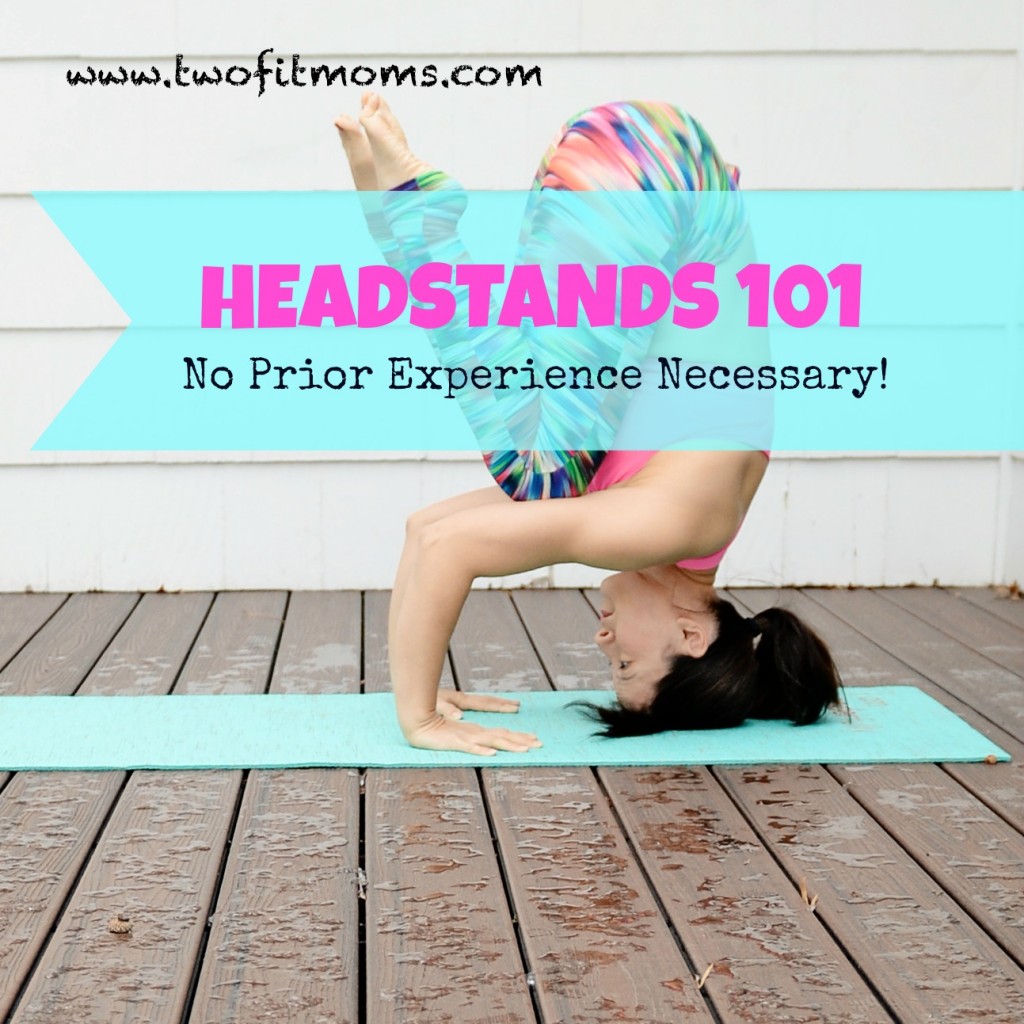
    If you want to invert but don’t know where to begin, you’ve come to the right place.  You CAN do a headstand safely and without fear—even if you have no prior experience in gymnastics, dance or yoga.  When I began my headstand practice about 14 months ago, I had absolutely NO background in any of these areas. I only started practicing inversions Headstands101at the age of 36!  It is never too late to learn a new hobby or skill.  Just be patient, and remember to practice.  It may not happen for you today, and that’s ok!  There is no timetable for success.  I will equip you with the tools and knowledge, and you will work at your own pace until you feel comfortable in the pose.
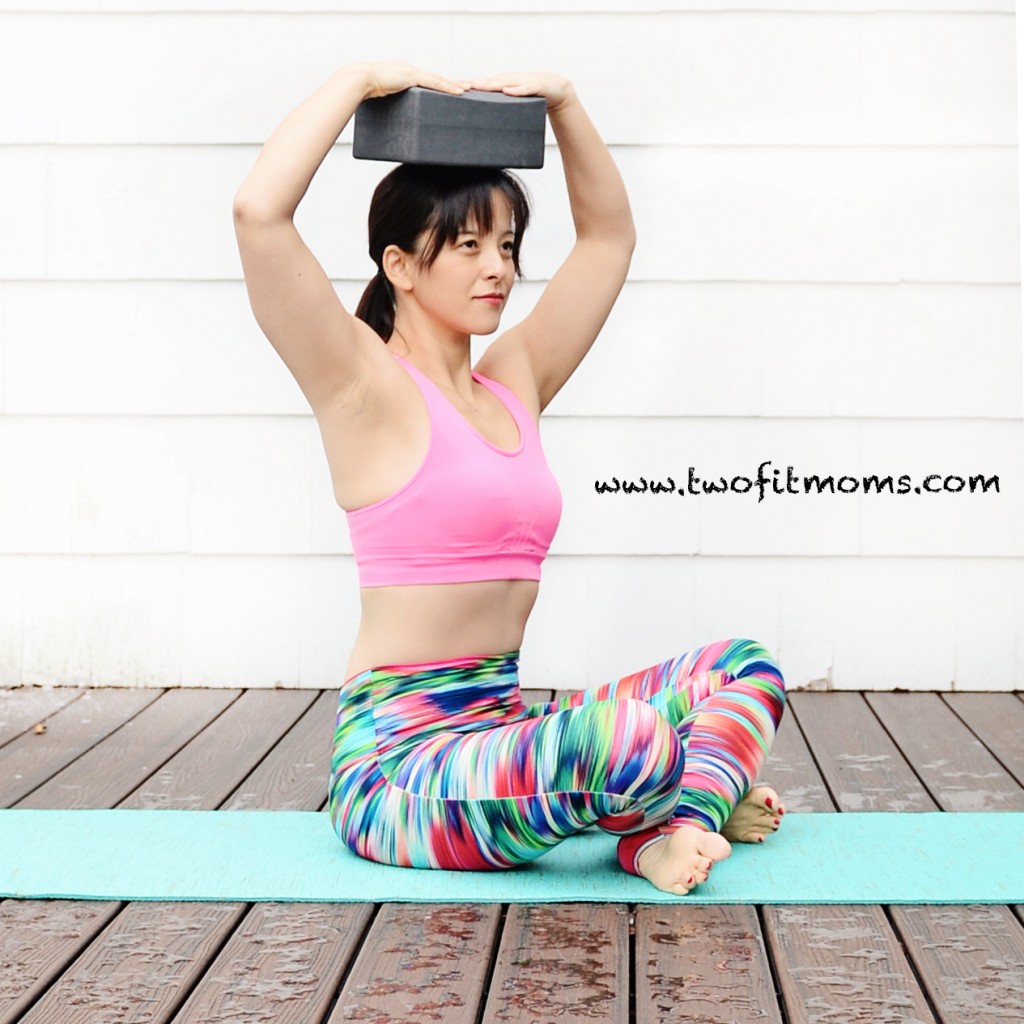
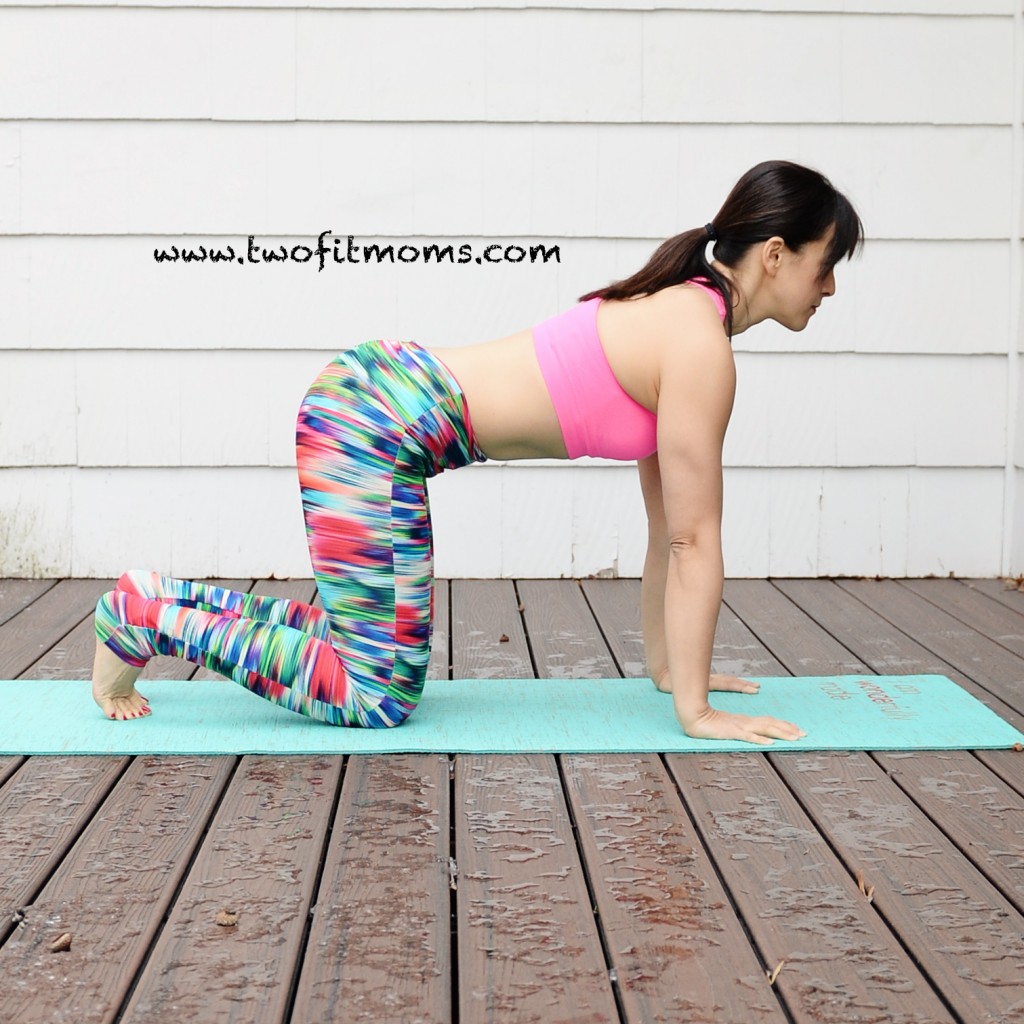
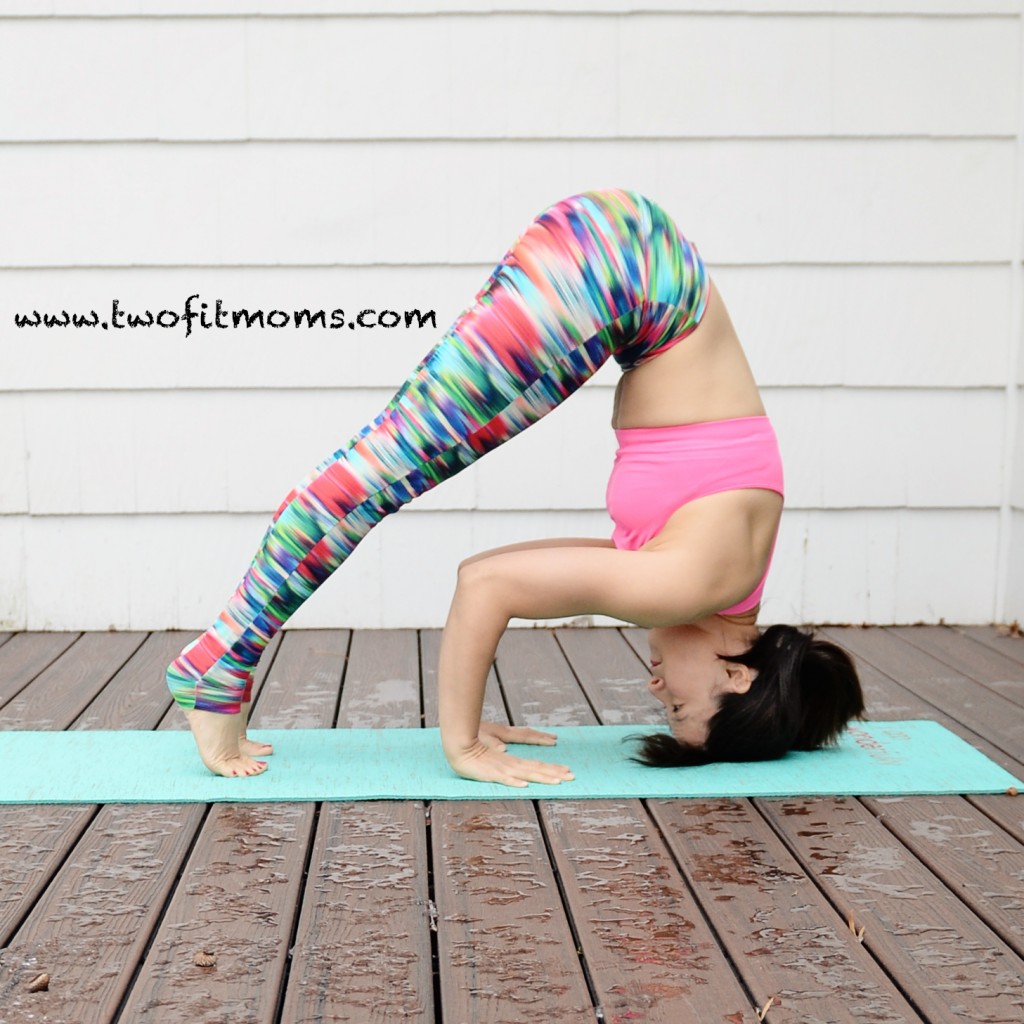
    The inversion I want to introduce today is the tripod egg headstand.  The “tripod” refers to the triangle shape produced by the placement of your hands and the top of your head.  The “egg” refers to the tight oval tuck shape of your body in the final pose.  Please approach this pose with a can-do attitude.  You CAN, and you WILL.

    Before attempting this pose, warm up your body with a bit of movement and stretching.  Hamstring flexibility is very important in this pose.

    Let’s get started:

    BalanceBlock
    Step 1:  Find a book (or yoga block), and place it on top of your head to find the balance point. Press the book firmly onto your head so that you can remember the feeling of that balance point.  The balance point of the book will not necessarily be your balance point in a headstand, but it is a starting point, and you can adjust accordingly once you test that spot for comfort.

    Step 2:  Come onto your hands and knees into tabletop position.  Check your form, and make sure that your shoulders are stacked directly above your wrists, and your hips are stacked above your knees.
    Tabletop

    Step 3:  Bend your elbows to form 90-degree angles, and place the top of your head onto the floor in front of your hands.  Make sure that you can see your fingertips at all times!  Your hands should NOT be along side your ears.  Your hands and head form a triangle rather than a straight line.

    Step 4:  Tuck your toes, and lift your knees from the floor.  Walk your feet in towards your hands/head so that your hips are lifted high into the air.  Assess how you feel.  If your hamstrings are straining, stop and re-visit this pose after you feel Dolphinmore limber.  If your neck feels strained, focus on lengthening your neck so that your shoulders are drawn away from your ears.  If the top of your head hurts, adjust your balance point a few inches.  Personally, my own balance point in a headstand is not the same as the balance point with the book on my head.  I usually balance a few inches closer to my forehead.  This is an exploration.  Find the right spot for your own body.
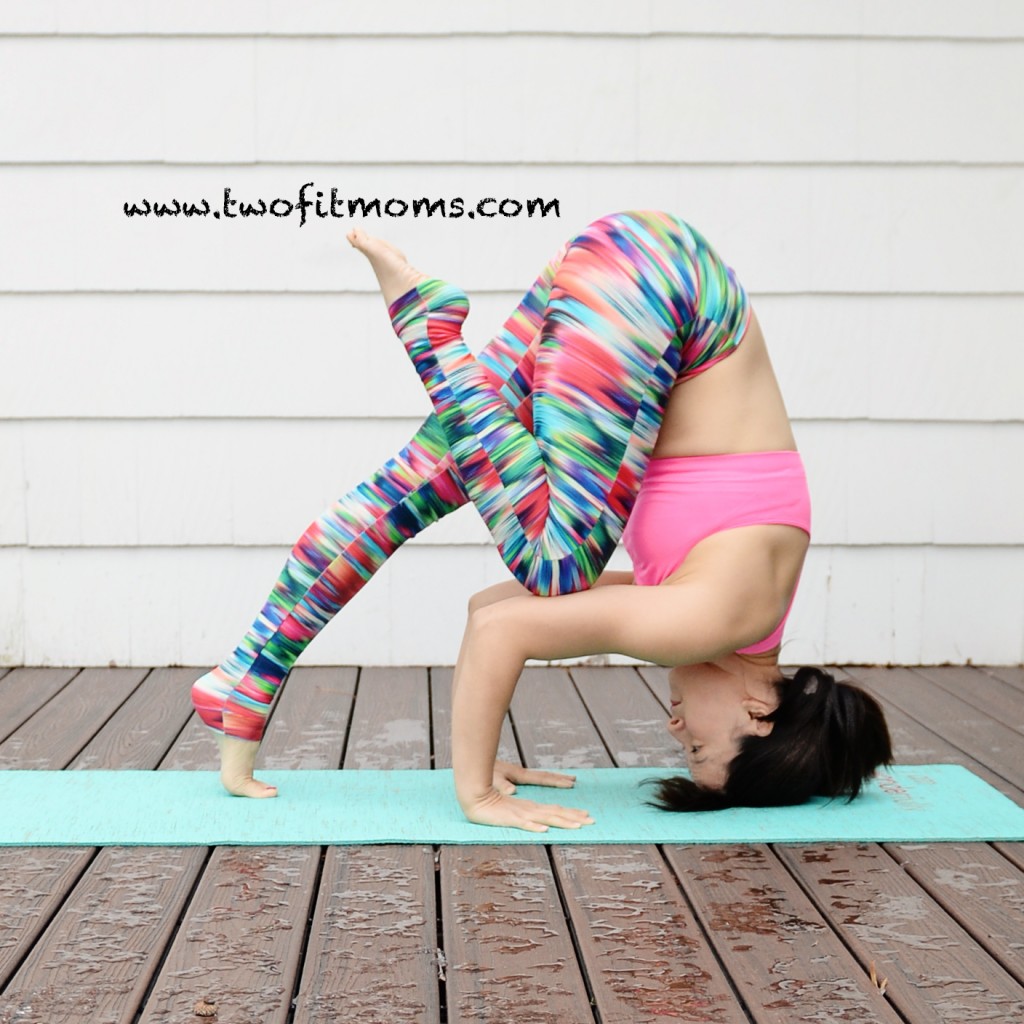
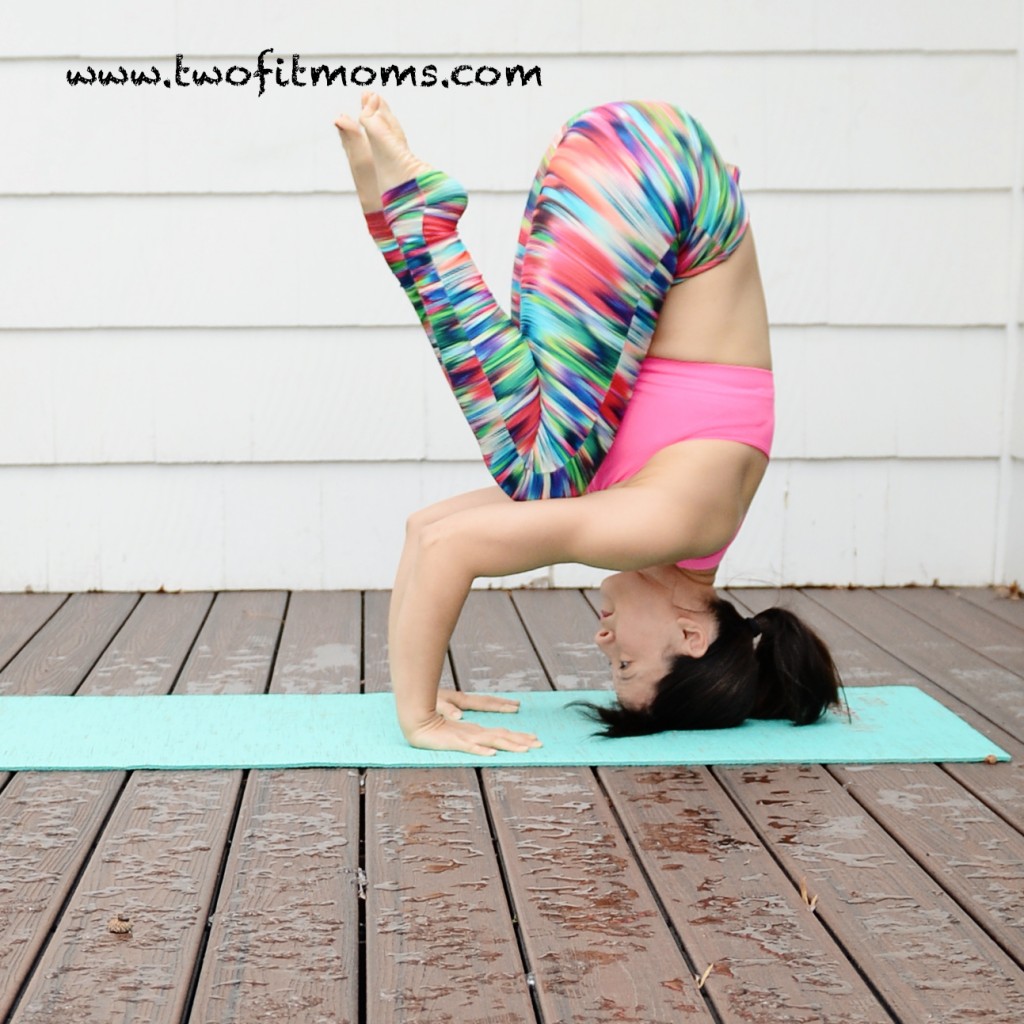
    Step 5:  Make sure that your elbows do not splay to the sides.  Your elbows should continue to point in the SAME direction that you are facing!  If you feel comfortable, lift one knee onto one tricep.
    DolphinOneLeg

    Step 6:  If you still feel comfortable, slowly lift your other foot from the floor and place it on the back of your other tricep.  Remember to keep your neck long, and breathe!  Congratulations on your very first headstand.
    HeadstandEgg

    One important point to mention—if you lose your balance, tuck your chin to your chest, round your back, and somersault out of the pose.  You might even want to practice your forward rolling skills PRIOR to starting this tutorial.  It’s no fun to fall, but if you somersault out of the pose, you technically aren’t falling.  It is a controlled and safe way to exit the tripod egg headstand.

    Wherever you may be in your yoga practice today, I assure you that it is perfect.  Honor yourself and your body.  Namaste.


  • Why I Ditched My Scale

    Why I Ditched My Scale

    Two years ago, I ditched my scale and never looked back.

    Wait…that’s not entirely true… I didn’t actually ditch my scale because I can’t bring Why-I-Ditched-My-Scalemyself to throw things away.  What I DID do is chuck the scale into the back of my closet, and that’s where it remains today.  The relationship was no longer serving me, so I had to call it quits.  I have no regrets about this break-up, and honestly, I think I am a happier person today because of it.  I can’t sit here and tell you to go ahead and give up YOUR scale because it’s a decision that you must come to on your own.  You need to really believe that you’re doing the right thing for your own life.  What I can do is tell you my top 4 reasons for ditching my own scale.

     1.  Small day-to-day fluctuations in my weight determined my mood for the day.  Each morning, I would wake up, use the bathroom, take off all of my clothes, and get on the scale.  If I was just 1 measly pound lighter than the day before, I felt like a boss.  Just 1 pound less, and I felt thin, beautiful, disciplined, happy, accomplished and energetic.  If I was 1 pound heavier, my heart was heavy.  My mind would start contemplating all of the possible reasons why I was heavier, even though the change in weight was probably just an inconsistency in the scale!  I would wonder if I ate too much the day before, or if I consumed too much salt, or if the weight gain reflected my skipped workout session, or if I was ovulating.  Can you believe this?  One pound in either direction determined whether I was happy and on top of the world or if I was grumpy and questioning everything that I did the day before.  A couple of pounds determined my self-worth and my level of happiness for the day.  This was unacceptable.

    2.  I didn’t want my daughter to see me obsess about my weight.  Ever.  She is still at an age where it doesn’t even cross her mind that there might be something to NOT like on her own body.  She struts around in her bathing suit confidently, even after eating a large meal.  I want her to remember growing up in a house where we don’t focus on weight, but instead, we focus on wellness.  I want her to always view food as fuel and to realize that she just needs to fill up on high quality fuel if she wants her body to perform at its best.  I want her to always have a positive body image, and I think that is most easily accomplished without a scale in sight.

    3.  My health and fitness success could be measured in other ways.  I realized that the scale just displayed a number.  The scale cannot tell me if my clothes fit properly or if my energy level is high.   It can’t tell me if my skin looks brighter or if my endurance has increased.  It can’t assess my fitness gains by measuring my flexibility or strength.  THESE are the measures that make sense to assess, and these are now the sorts of things that I consider.

    4. I don’t need the scale to confirm what I already know. At the end of the day, I know when I’m doing the right thing.  I know if I’ve eaten well or poorly, and I know if I’ve exercised or not.  I know if I’ve overindulged for too many consecutive days, or if I’ve eaten just enough to be satisfied.  If I’ve eaten pizza and ice cream every night for a week, do I really need to step on the scale to see a result that I already know?  Of course not.  I know and you know when the diet is clean and the exercise is consistent.  We don’t need the scale.  We know.