Category: Fitness

  • Daily Practice: Make It a Family Affair!

    Daily Practice: Make It a Family Affair!

    With Mother’s Day around the corner, spending time with my children is top of mind.  And, I can’t think of anything else I’d want to do more than practice yoga with them! Yoga can be so beneficial to your children’s physical and mental well-being.  Physically, it can improve flexibility, strength, coordination and body awareness.  Mentally, it can alleviate stress and anxiety. You probably remember my post from a few weeks back that offered suggestions on how to get your family involved.  This post elaborates, offering five great poses to get you and your family practicing yoga together!


    Here they are:

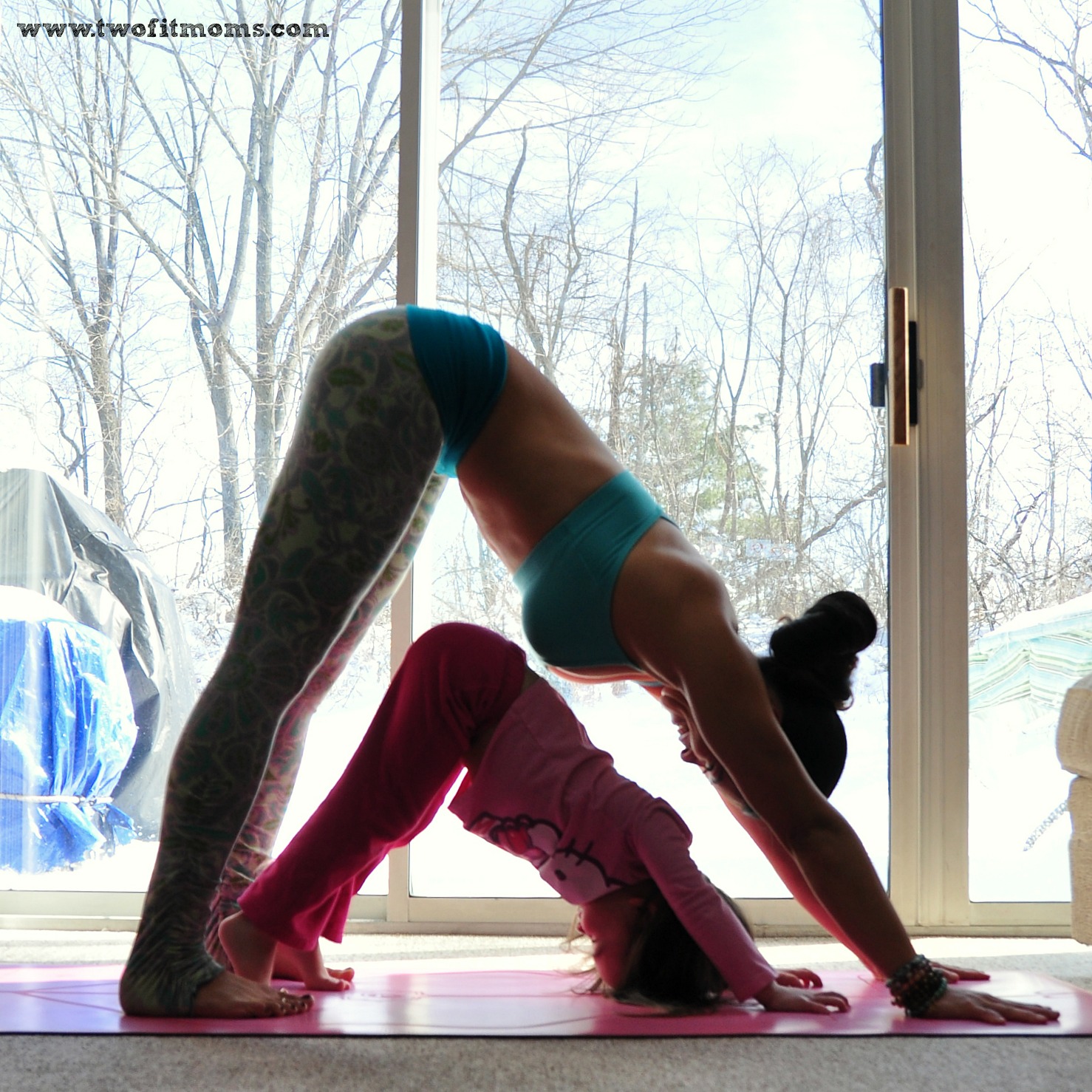
     #1: Downward Facing Dog
    DSC_4595f

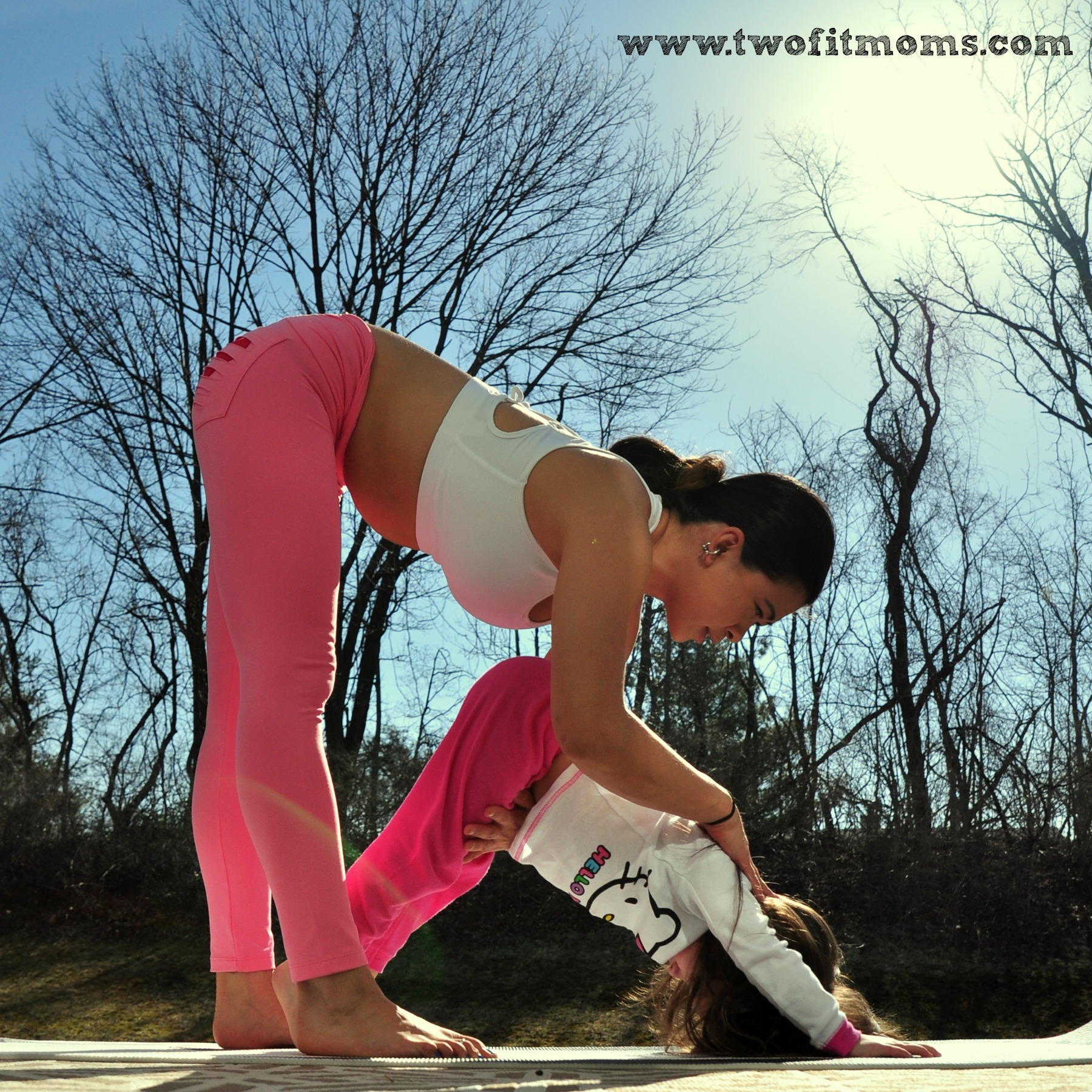
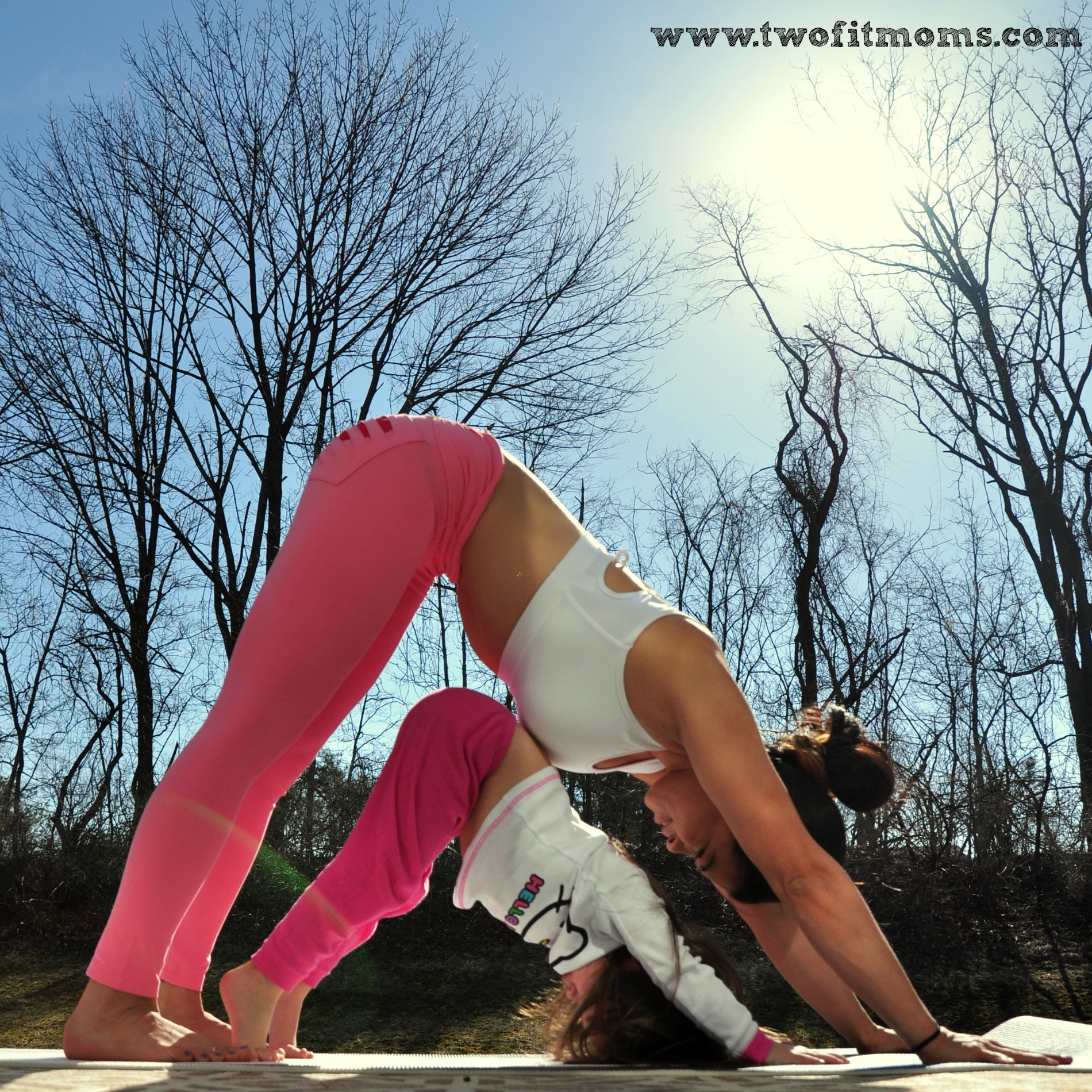
    This is the first pose both of my kids learned from watching me. For both adults and children, it is a pose that works every muscle of your body…your arms, shoulders, core, back, hips and legs! Try to hold this for 10-15 breaths.  Your child will probably come out sooner, but that’s OKAY! My minis generally use me as a “tunnel”…making it more fun for me to hold!

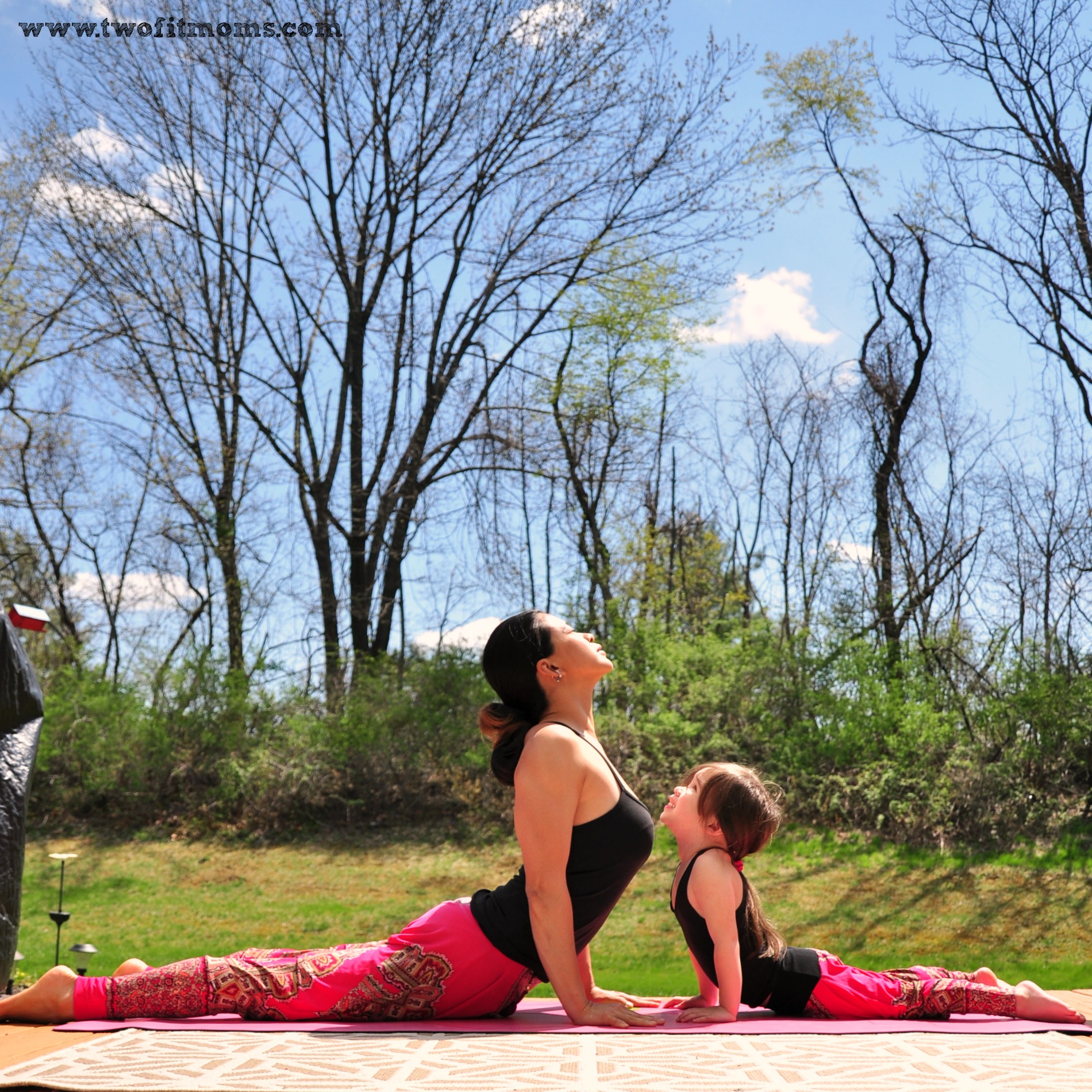
    #2: Cobra Pose
    DSC_1183f

    Cobra Pose was the first backbend my kids learned. Kids are naturally flexible so they most likely will find this pose super fun…especially if you ask them to try to touch their toes to their head! Cobra Pose is a great way to stretch out the entire front body and strengthen the arms. Once your child has learned Downward Facing Dog, you can start to teach them to transition right into Cobra Pose.

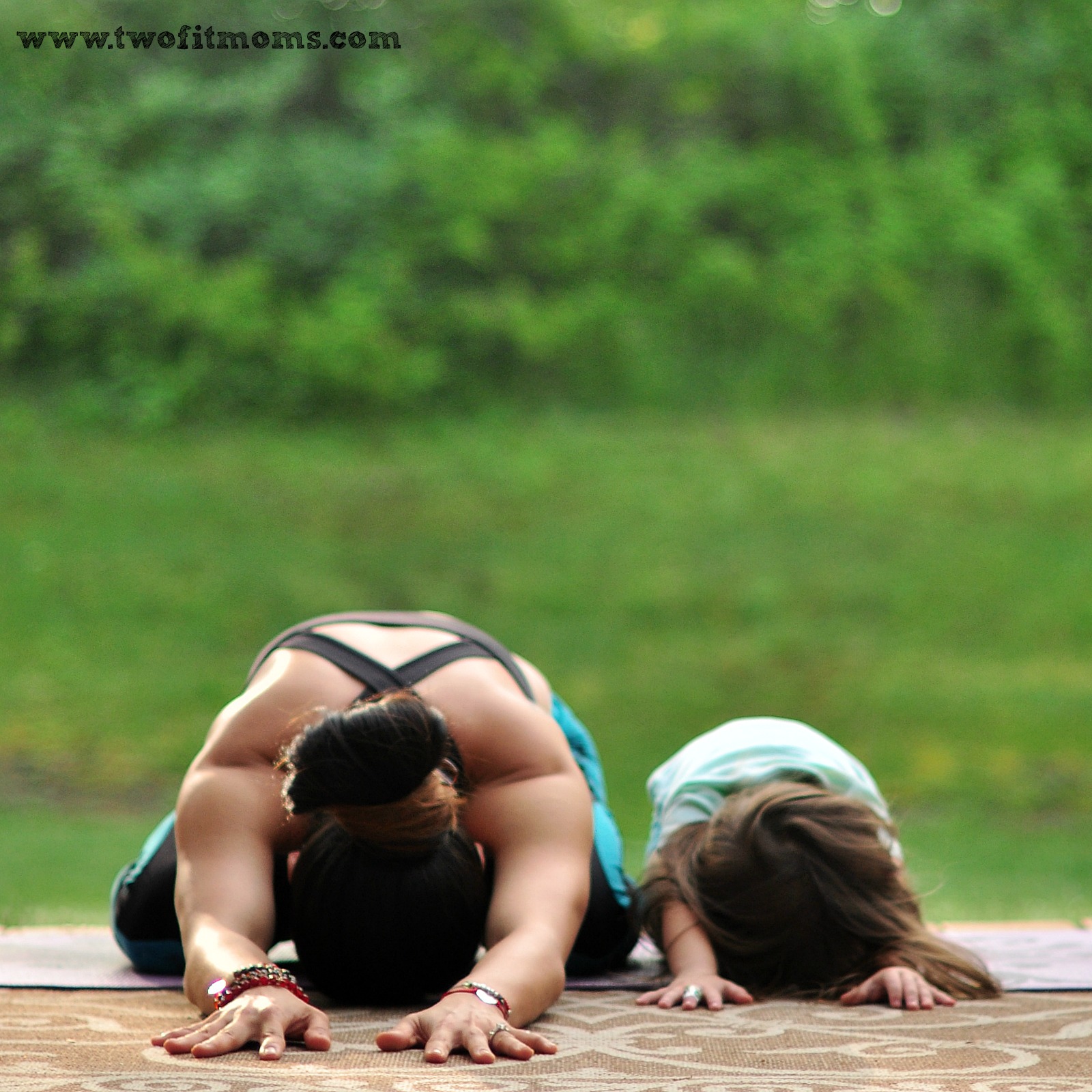
    #3: Child’s Pose
    DSC_6159f

    Who doesn’t love a good Child’s Pose? It releases any tension in the back, shoulders, chest and arms. It also begins to calm the mind and bring the focus back to your breath. If your kids are like mine…they are constantly on the go! This pose can be used as a first step to calm them.

    Once your child learns this, you can start to flow these poses together almost like a dance! Downward Facing Dog to Cobra Pose to Child’s Pose…Repeated a few times is a mini-workout!

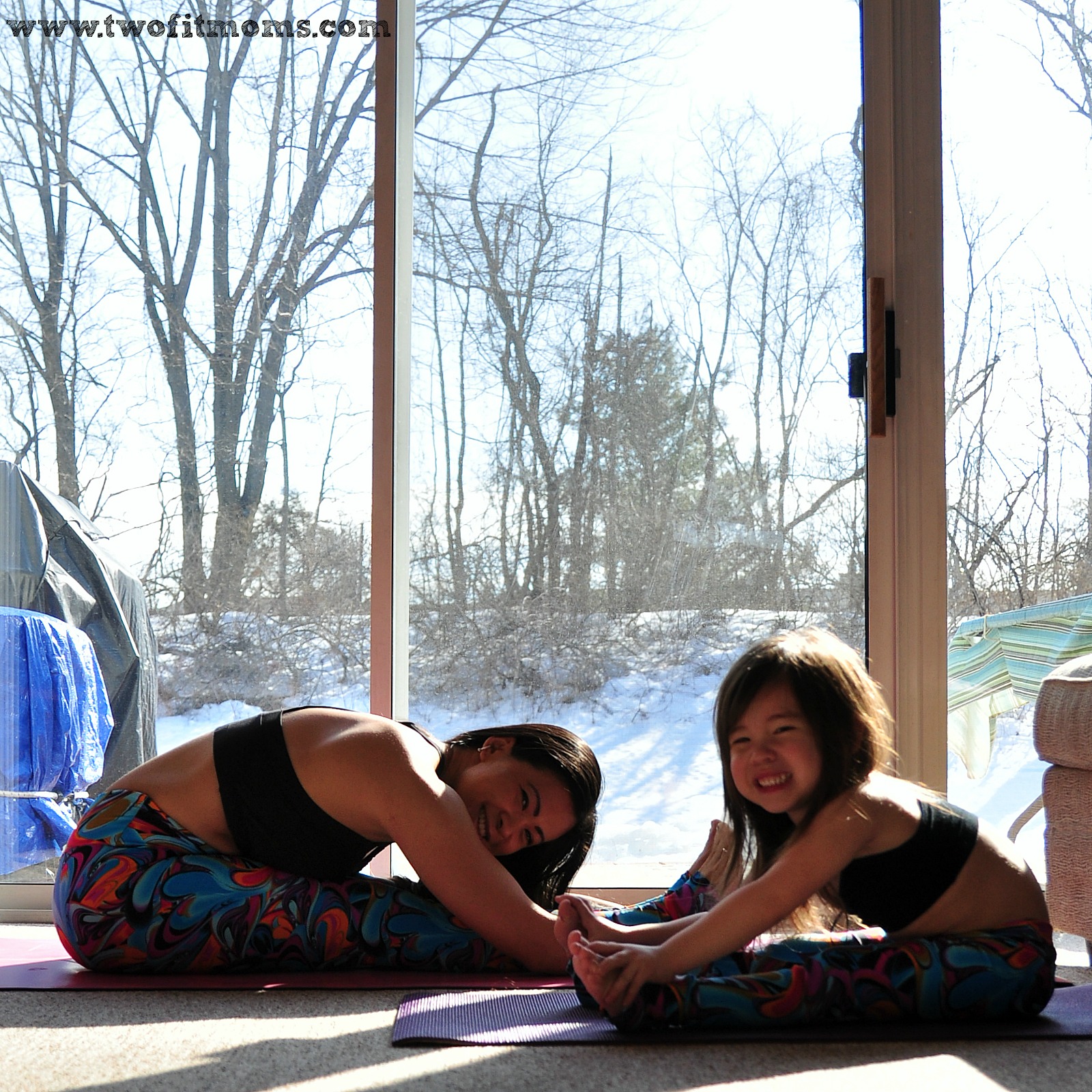
    #4: Seated Forward Fold
    DSC_5197f

    Seated Forward Fold is one of the easiest poses to teach children.  Having flexible hamstrings is so important and improves everything we do . . . walking, running, bending, even tying your shoes! This is the perfect pose to help your kids remain flexible as they grow.

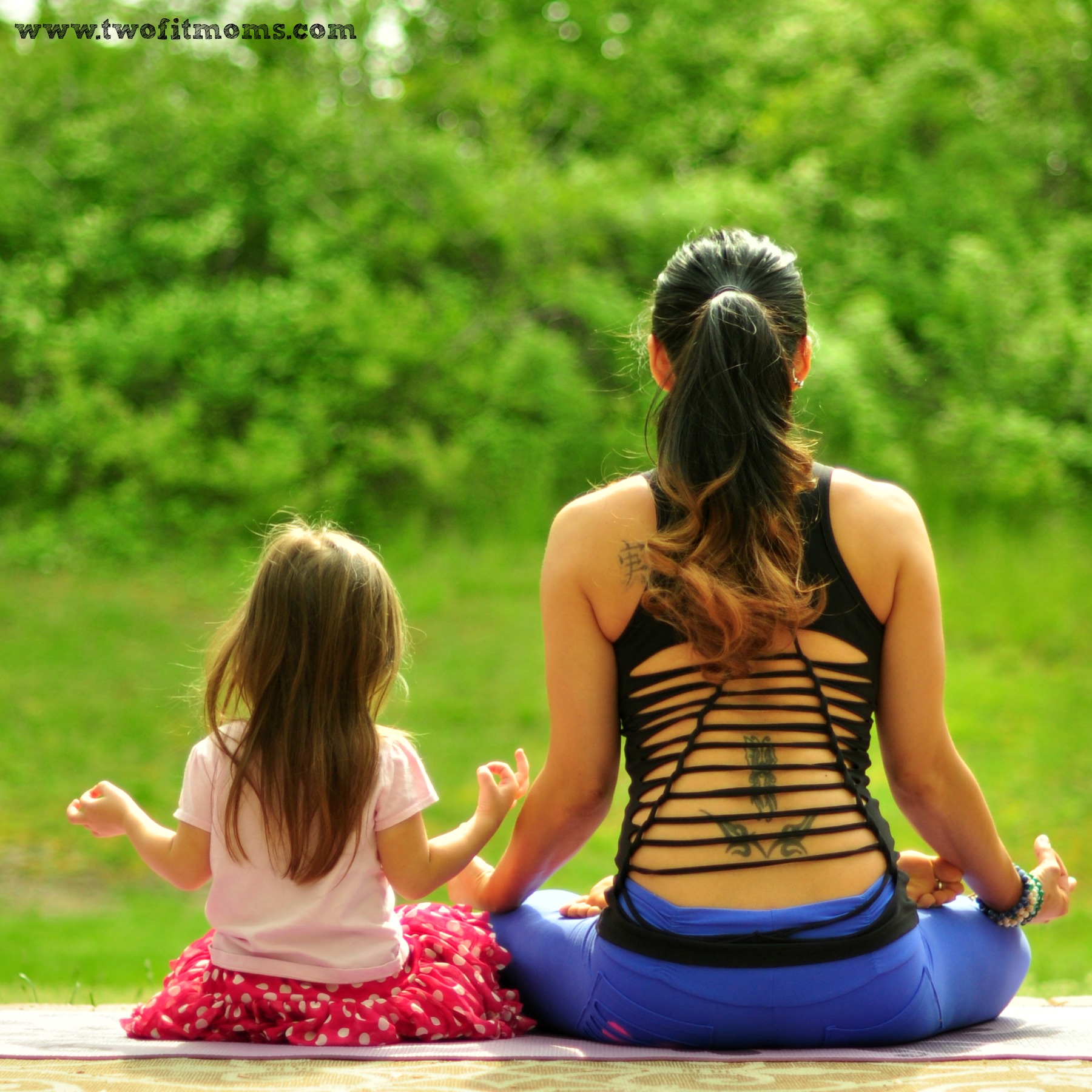
    #5: Easy Pose or Criss-Cross Applesauce with Meditation
    DSC_5126f

    At the end of your practice with you family, take a moment to sit and close your eyes. Encourage your children to do the same. Taking a moment to be still and breathe can help relieve stress and relax your mind. For your children, this moment may only last 30 seconds — and that’s OKAY! Eventually, they will learn to sit quietly for longer periods and to use this pose to look within themselves.

    Practicing yoga with your kids will not be perfect, but the key is that you are doing it together.  And, if you are smiling, you are doing it right!

    XOXO

    Blog Signature

  • Daily Practice: Get Your Down Dog On!

    Daily Practice: Get Your Down Dog On!

    Downward Facing Dog, or Adho Mukha Svanasana, is one of the most well-known yoga poses. It is the pose we come back to as we move through our flow. It is also a resting pose. Since we are most frequently in Down Dog, we sometimes forget to pay attention to our form.  So, let’s break down Downward Facing Dog to help you get the most out of this pose.

    DSC_4264s


    Hands & Feet: Where should they be?

    Generally speaking, if you come into Plank Pose (or the top of a push up), your hands and feet are in the perfect position for Downward Facing Dog. This is the ideal place to start; however, it may not work for you.  I walk my feet in about an inch when doing this. Play with it, everyone’s body is different!

    If you are coming into Down Dog from Tabletop position (on all fours), you can either move your hands a few inches past your shoulders OR move your knees back a few inches before lifting the hips.

    Here’s your Down Dog checklist:

    DSC_4277s

    – Are my hands and feet shoulder width apart?

    – Are my fingers spread? Index fingers parallel or slightly turned outward?

    – Do I feel my palms connected to my mat?

    – Are my biceps slightly externally rotating? In simple terms, are the eyes of my elbows moving towards the front of my mat (external rotation) or in towards each other (internal rotation).

    – Are my shoulders rolling down my back away from my ears?

    – Is there any strain in my neck? Are my ears alongside my biceps?

    – Am I sagging into my chest? If so, can I corset my low rib cage together to prevent lower back strain?

    – Are my abs engaged?

    – Is my lower back rounded or strained? If so, maybe I need to put a slight bend in my knees.

    – Are my quadriceps, or the front of my thighs, engaged?

    – Are my inner thighs internally rotating?

    – Is the intention of my heels moving towards my mat?

    I know this is a long checklist, but start by remembering two or three of these pointers until they become commonplace in your Downward Facing Dog.  This pose strengthens every part of your body. Respect it, and show it some love!

    XOXO
    Blog Signature


  • Daily Practice: 3 Core Exercises for Everyday

    Daily Practice: 3 Core Exercises for Everyday

    When someone refers to your “core”, people immediately think of the abdominal muscles.  But, your core is so much more! Essentially it is the complex group of muscles in your entire torso…your abdomen, pelvis, spine, back, shoulders and gluteus. All of these muscles work together to help you stand, walk, sit, turn, run and lift. So it is vital, to keep these muscles healthy and strong. Here are three quick exercises you can do daily to strengthen your core.

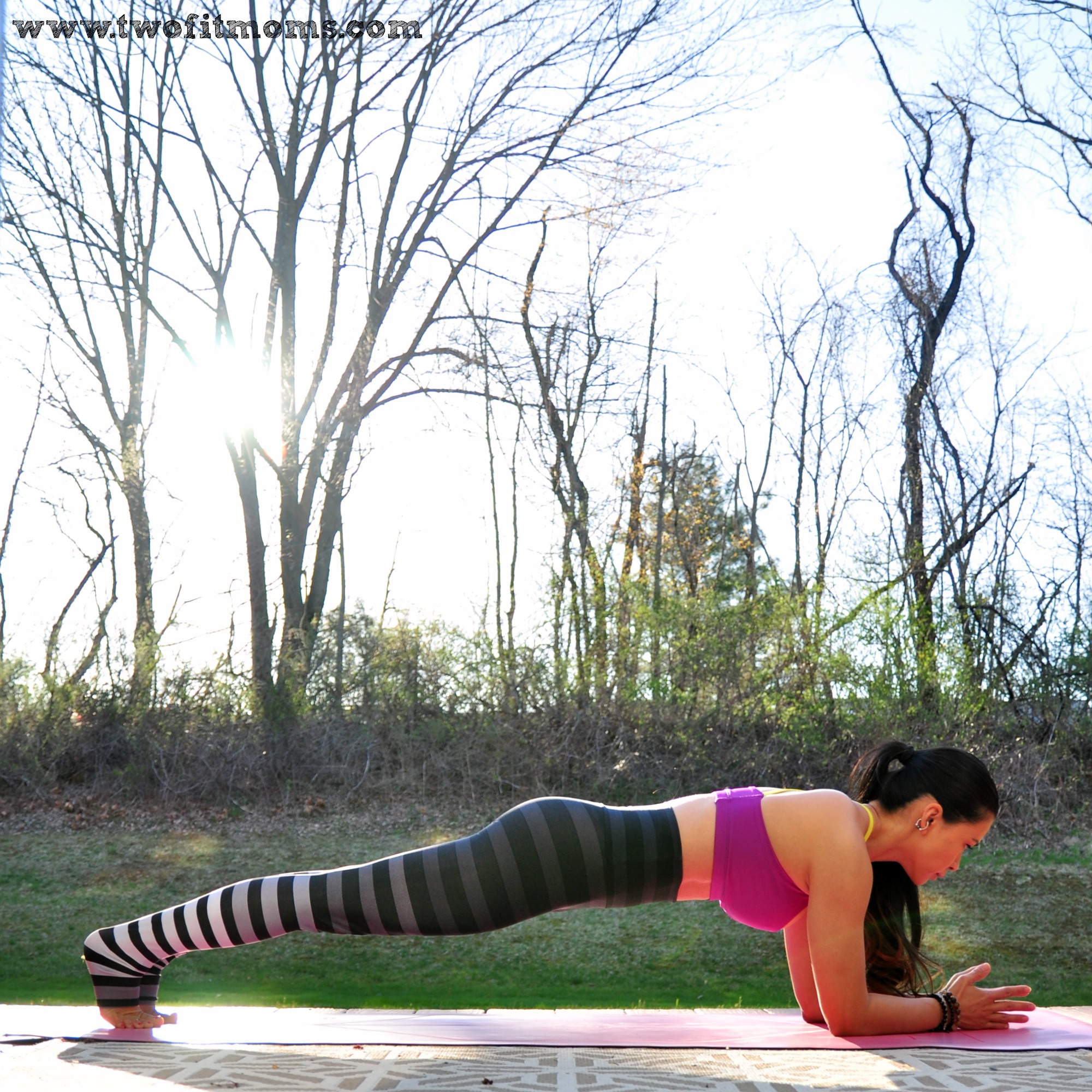
    #1: Dolphin Plank Pose

    DSC_9263s


    Key Points:

    – Shoulders stack over your elbows creating a 90-degree angle in your arms.

    – Elbows are shoulder width apart.

    – Hands can be flat on your mat or together.

    – Shoulders roll down your back.

    – Navel pulls up toward your spine.

    – Tailbone lengthens towards your heels.

    – Quadriceps, or the front of your thighs, pull up.

    – Try to keep your body in a straight line from head to heel…no butts up in the air and no sagging!

    – Stay here for 15 seconds, eventually working up to a minute or more!

    – Repeat 3-5 times, taking a child’s pose between each set.

    MODIFICATION:

    – Drop onto your knees while keeping the plank shape.

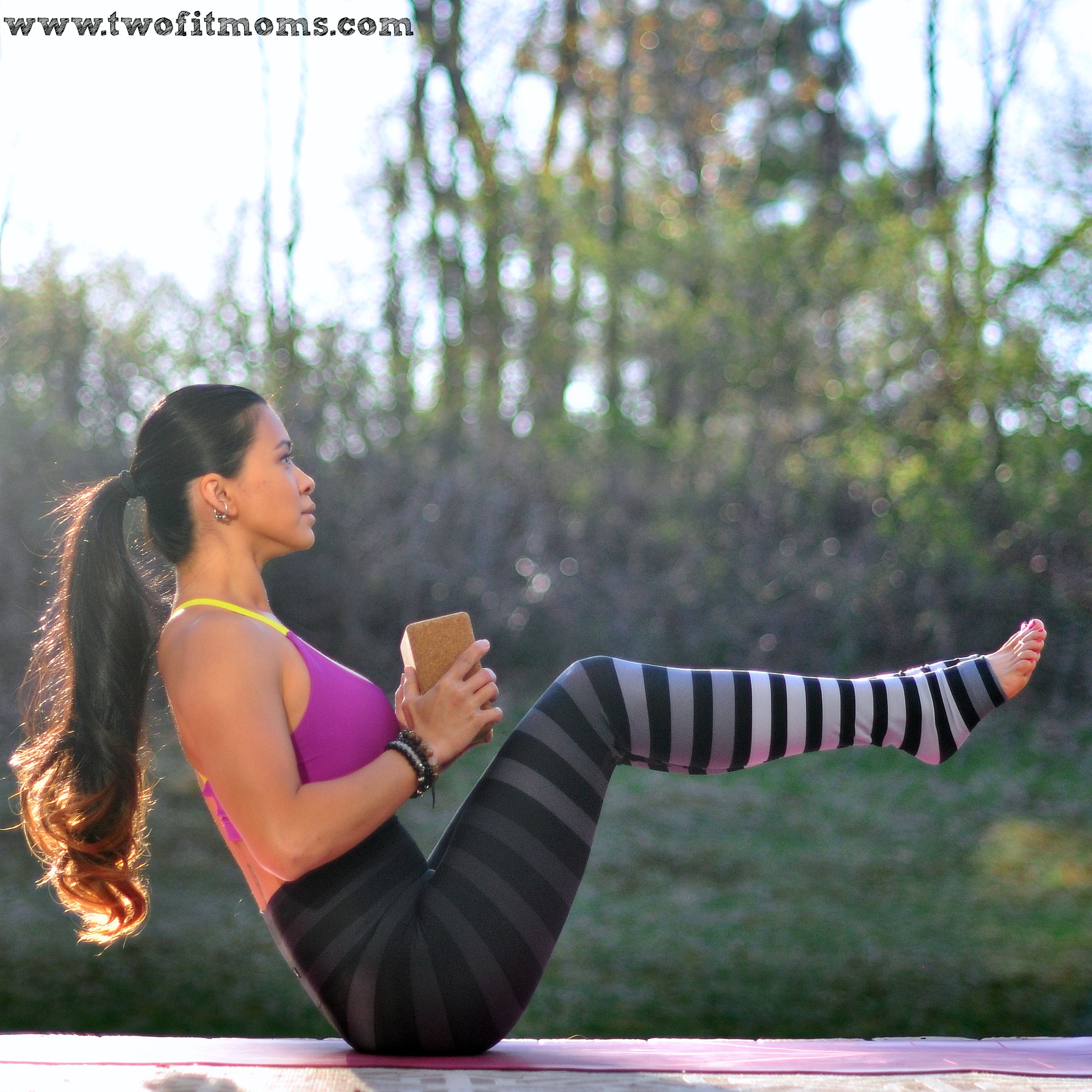
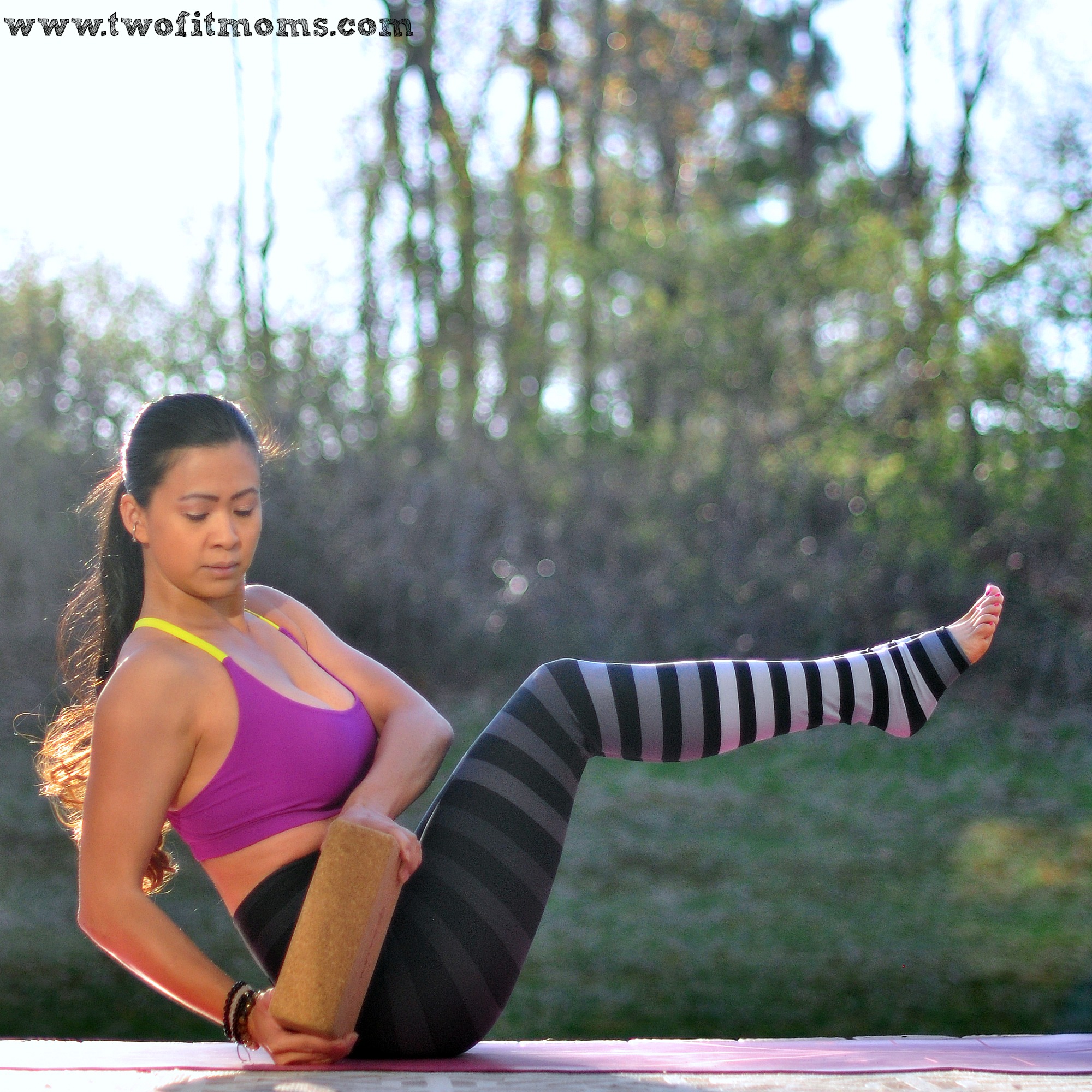
    #2: Boat Twists

    DSC_9233s

    DSC_9240s

    Key Points:

    – Keep your spine lengthened.

    – Try to keep your shins parallel to your mat.

    – Move slowly…tapping the block on one side, pausing at the center, then tapping the block on the other side.

    – Try to repeat this three times…increasing the repetitions as you get stronger.

    MODIFICATIONS:

    – Do not use a block.

    – Keep your feet flat on your mat.

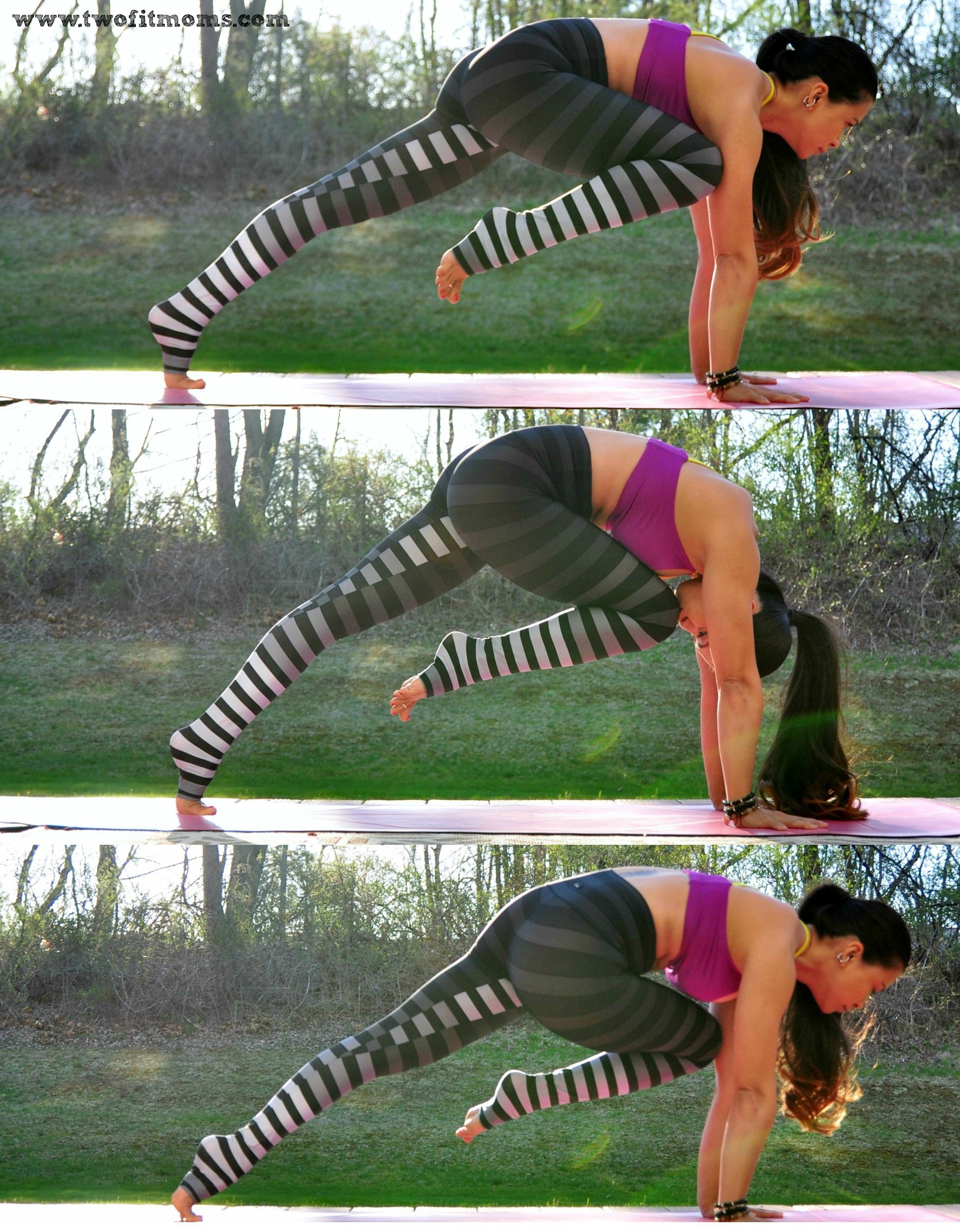
    #3: Knee Planks

    finalxx

    Key Points:

    – Start off in Downward Facing Dog and lift the right leg (Three-Legged Dog). Moving on an exhale…shift forward and bring your right knee to the right tricep. Inhale, go back to Three-Legged Dog. Exhale, shift forward and try to kiss your knee. Inhale, go back to Three-Legged Dog. Exhale, shift forward and bring your right knee to the left tricep. Inhale, go back to Three-Legged Dog. Repeat using the left leg.

    – Move slowly with your breath.

    – Round the upper back and lift the hips slightly.

    – Try to keep the knees tight into your body.

    – Pull your navel up towards your spine as you crunch.

    – Start off by doing a full round of these. You can add on repetitions as you get stronger.  You can also add these movements into your yoga practice.

    MODIFICATIONS:

    – Your knees DO NOT have to touch your arms/face.

    – You can also do this from Table Top position or all-fours.

    XOXO
    Blog Signature

  • Daily Practice: 4 Must-Do Hamstring Stretches

    Daily Practice: 4 Must-Do Hamstring Stretches

    Your hamstrings are the three muscles that run along the back side of your thighs. We use our hamstrings everyday in activities such as walking, running and jumping. In yoga, flexibility in your hamstrings can make all the difference, so it is important to work them everyday. They can be notoriously tight if you spend a lot of time sitting. Here are four hamstring stretches that I incorporate in my daily practice. Take these stretches slowly and never force yourself deeper!

     #1: Uttanasana or Standing Forward Fold

    DSC_2158s

    Key Points:

    – Keep the torso lengthened.  Try not to round the back and hunch.

    – If you cannot reach the ground, use blocks or hold onto opposite elbows.

    – Shift your weight slightly towards the toes so the hips stack over the ankles.

    – Keep a slight bend in your knees to avoid hyper-extension.

    – Upper thighs internally rotate.

    – With every few breaths try to deepen the fold.

    – Stay in the pose for about a minute.

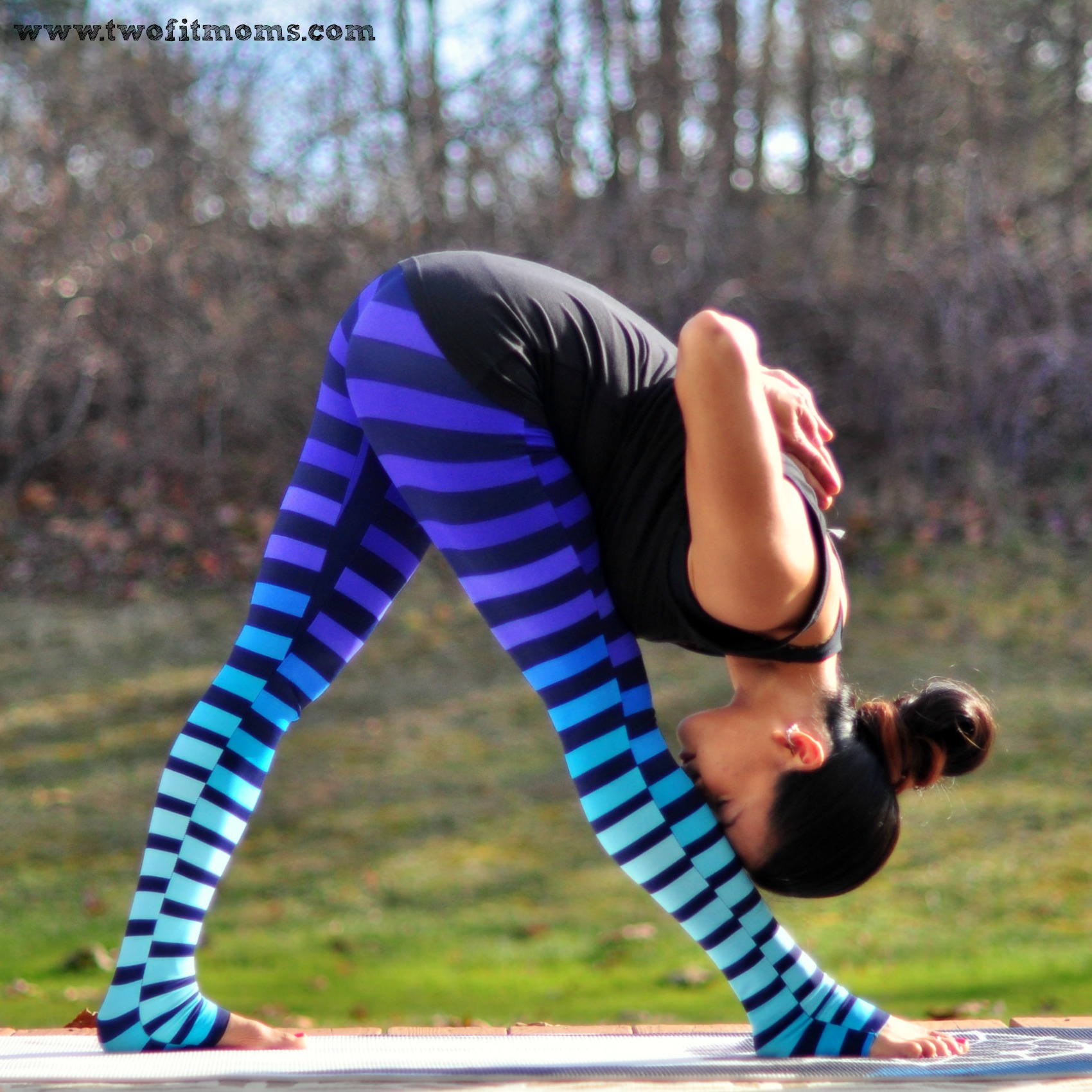
    #2: Parsvottanasana or Pyramid Pose

    DSC_7592s

    Key Points:

    – Both feet face towards the top of your mat.

    – Stance is about a leg’s distance apart.

    – Try to keep your hips as square as possible.

    – Squeeze both thighs in towards one another.

    – Keep your torso lengthened.

    – Use blocks if you cannot reach the ground.

    – Stay in the pose for 30-60 seconds, then switch sides.

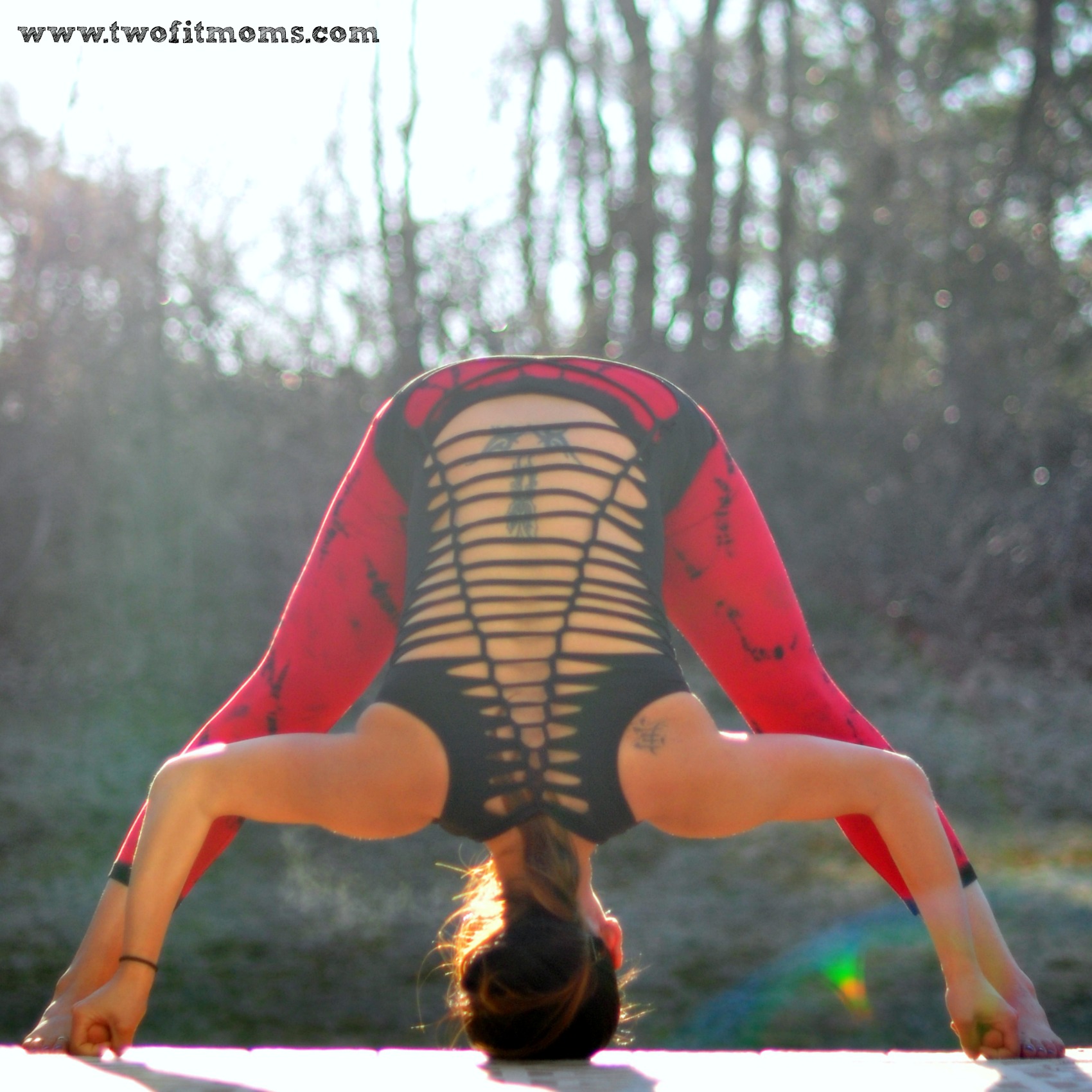
    #3: Prasarita Padottanasana or Wide-Legged Forward Fold

    DSC_7102s

    Key Points:

    – Feet will be anywhere from 3-4 feet apart. Try not to over-exaggerate the distance because you are trying to get your head to the ground.

    – Feet will be parallel to each other.

    – Do not roll onto the inside edges of your feet.  Press into the outside edges of your feet.

    – Draw your quadriceps up; keep them engaged.

    – Shift your weight slightly towards your toes so you are perpendicular to the ground. Don’t sink back into your heels.

    – Keep your torso lengthened.

    – Use blocks if you cannot reach your mat.

    – With every few breaths, try to deepen the fold…working the crown of your head towards your mat.

    – Stay in this pose for about a minute.

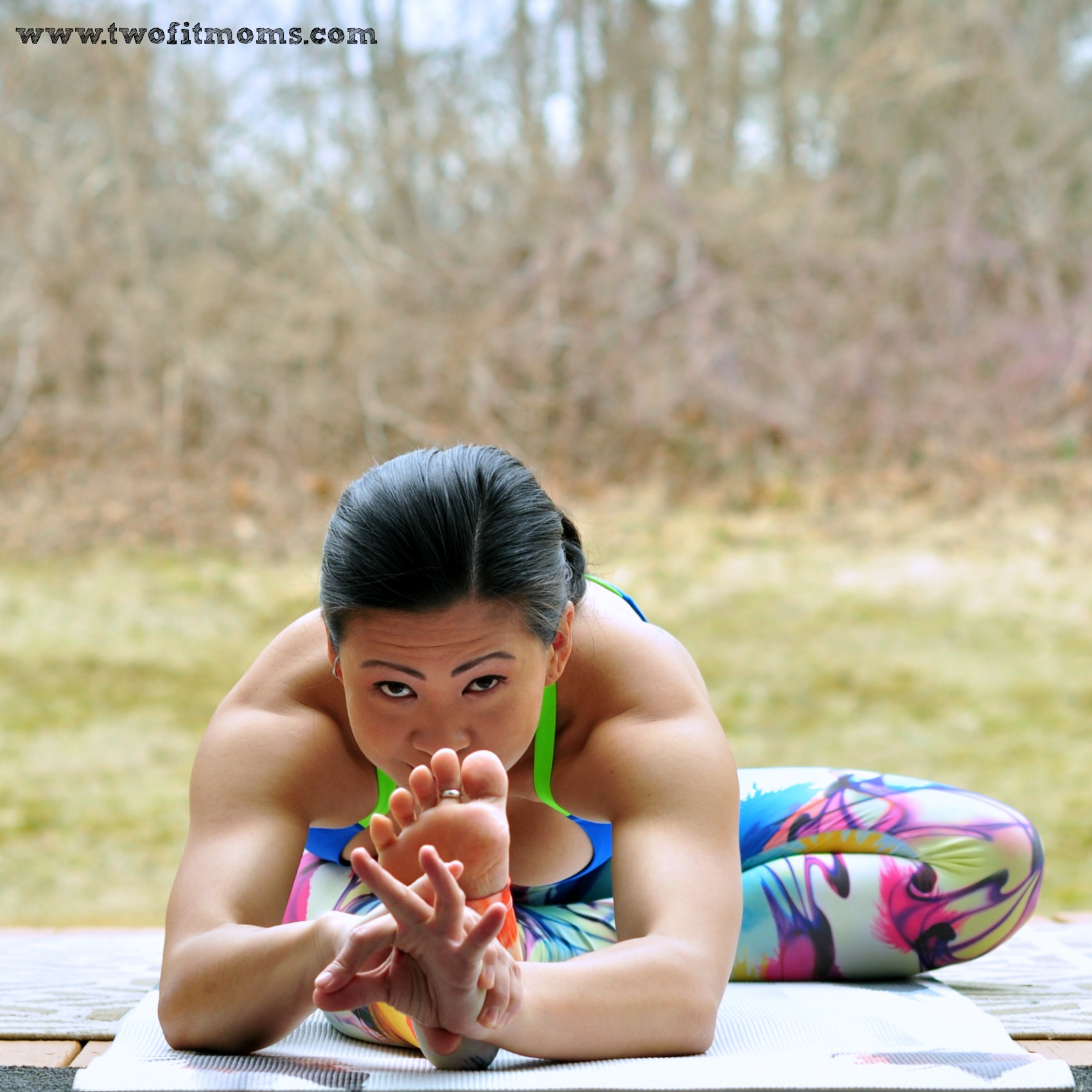
    #4: Janu Sirsasana or Head to Knee Forward Bend

    DSC_1271s

    Key Points:

    – Use blocks and/or a blanket to support yourself. Sitting on a blanket can ease any discomfort in your sacrum. Use a block or blanket under your bent knee if it does not easily come onto your mat.

    – Keep your torso lengthened as you fold forward.

    – Slightly twist your torso as you fold so the center of your torso folds over the leg.

    – Keep the foot flexed on the straight leg and press the back of the leg down towards the mat.

    – With every few breaths, try to deepen your fold.

    – Stay in this pose for about a minute, then switch sides.

     XOXO
    Blog Signature

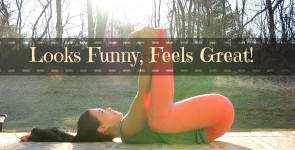
  • Looks Funny, Feels Great!

    Looks Funny, Feels Great!

    Yoga classes are often serious, but once in a while, you find yourself in an embarrassing or funny looking pose that just makes you laugh.  I know, I know… yoga is NOT about how a pose looks, but how it feels. Sometimes though… You just have to LAUGH.

    Here are my top four favorite “It-Looks-Funny-But-Feels-Great” yoga poses.

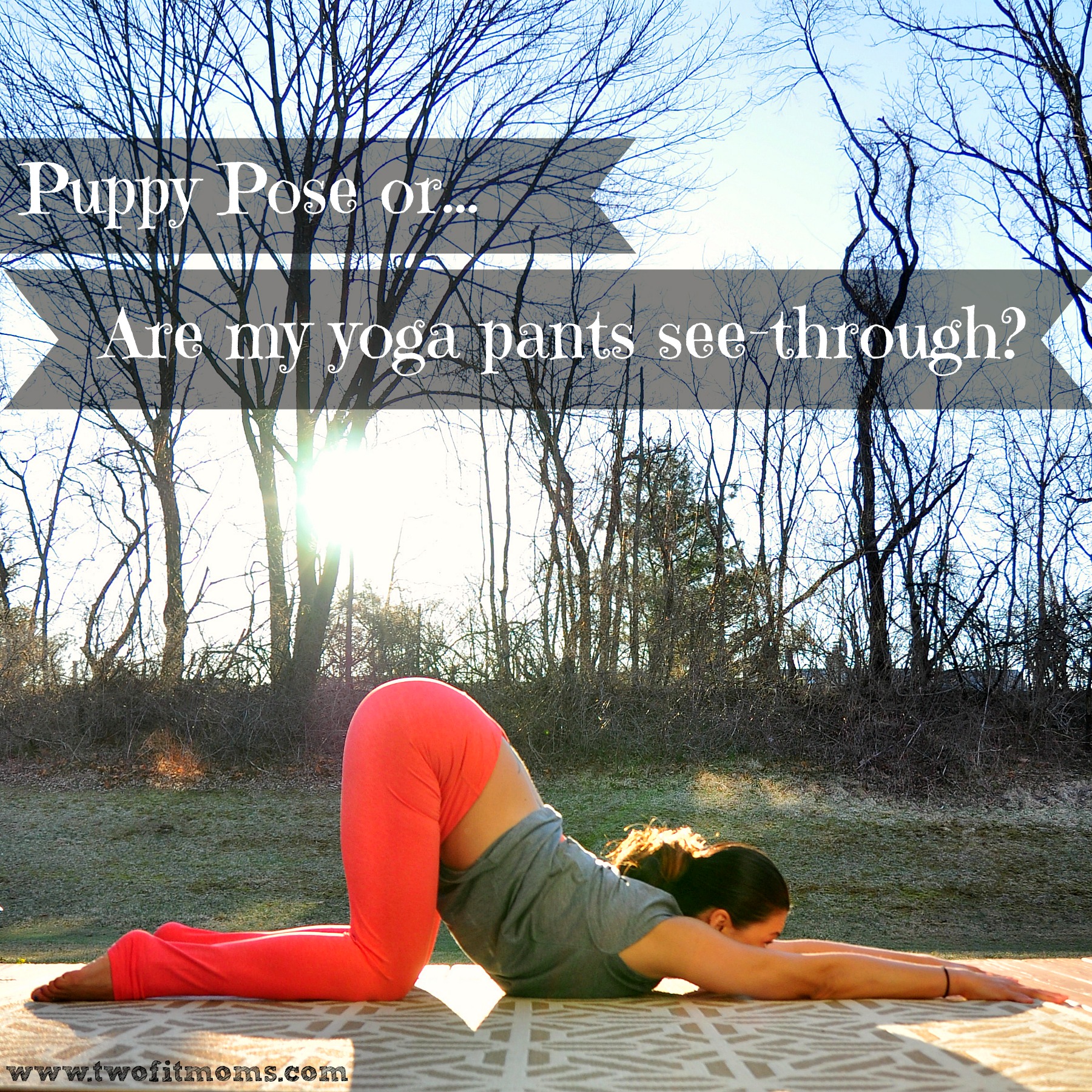
    #1: Puppy Pose

    Extended Puppy Pose is one that I do everyday and usually very early into my practice.  It feels great on my shoulders and upper back, and just starts to wake up my spine after sleeping. There are a lot of things that race through my mind when doing it but I’ll  keep it G-rated here. After months of teaching it in my classes, it has become clear to me what the actual name of this pose SHOULD be.  It should be called the “Are-My-Yoga-Pants-See-Through” pose. As a teacher who likes to walk around while teaching… It is clear to me that we should also be doing this pose to check the transparency of our new pants.

    DSC_6827s

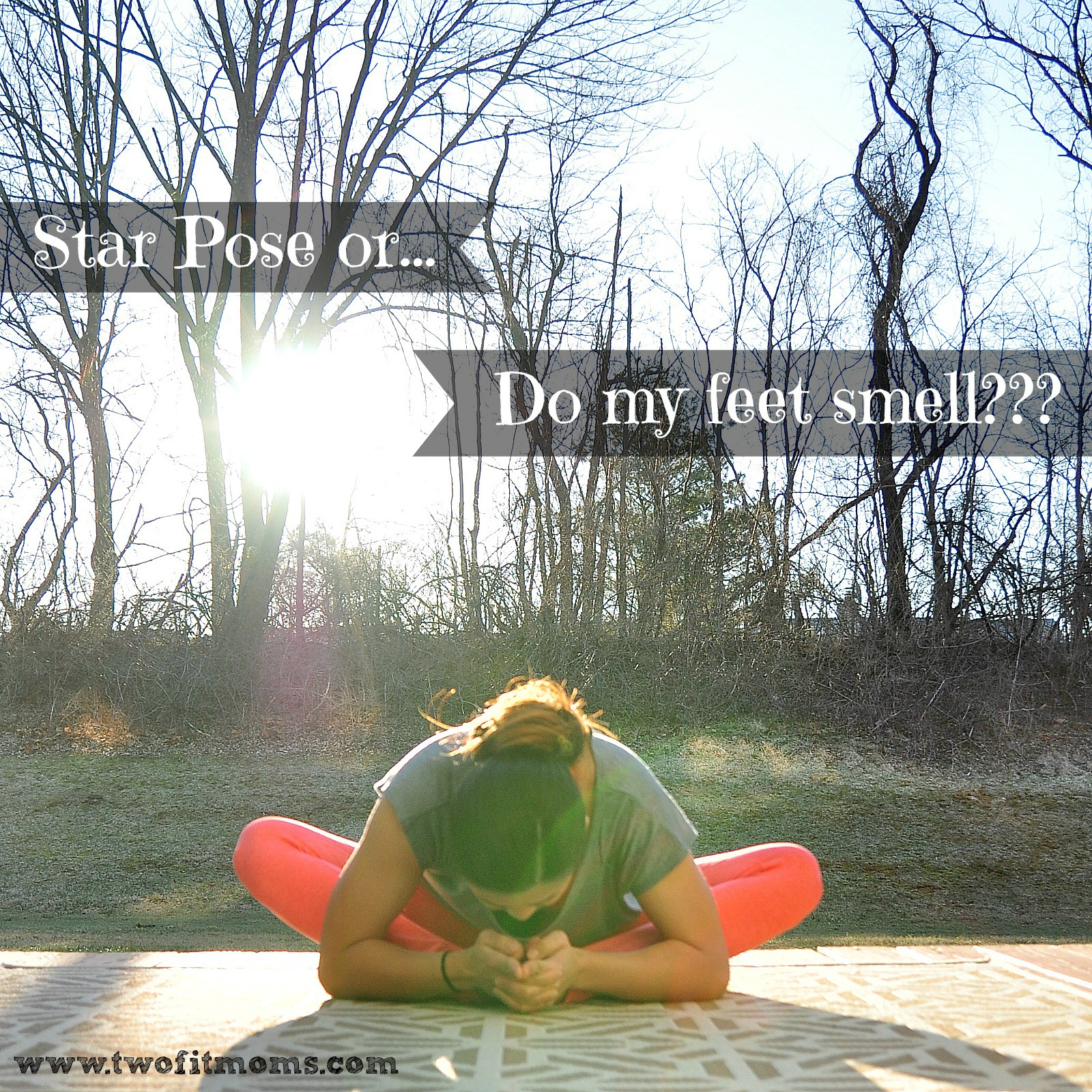
    #2: Star Pose

    Let’s face it… by the end of my practice, I do not want my face anywhere near my feet, but Star Pose is usually something I will do at the end. Unlike Baddha Konasana, your feet are further away from your body. When you fold forward, your face will come closer to your feet. From this moment on, I shall call this pose… the “Do-My- Feet-Smell” pose.

    DSC_6872s

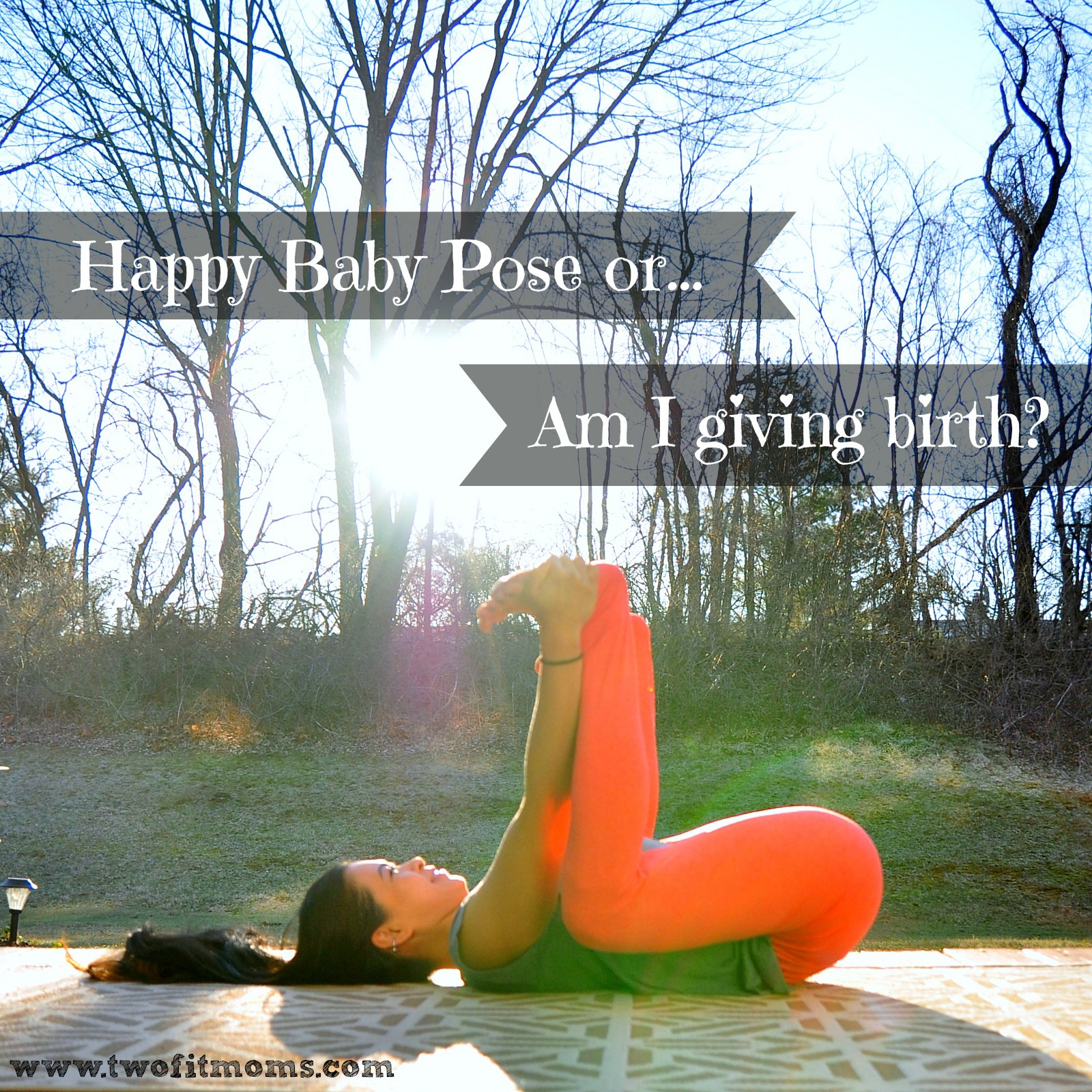
    #3: Happy Baby (You knew this one was coming!)

    Happy Baby pose or what I affectionately like to call “the hottest pose in yoga”! It feels wonderful rolling around on your mat like a two year old with your legs spread open, right?  To all of my fellow moms… I bet you’ll agree that this stretch should actually be called the “Am-I-Giving-Birth” pose.

    DSC_6913s

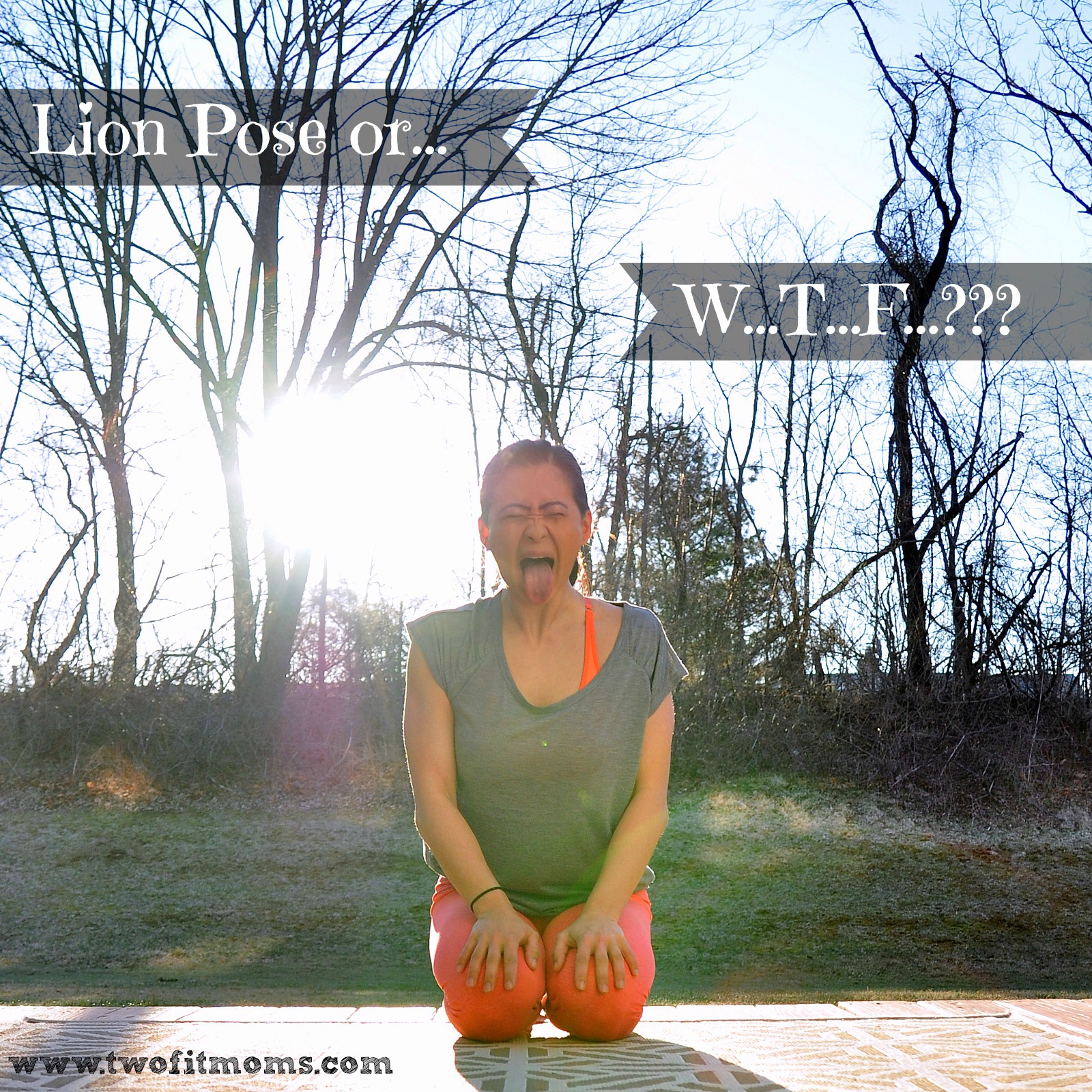
    #4: Lion’s Pose or Lion’s Breath

    This one just cracks me up. I usually incorporate Lion’s Breath in Downward Facing Dog after I’ve worked my students hard. It’s a great way to release tension and frustration during your practice.  It’s also hysterical to see how timid students are in letting go of their breath and ego, and allowing themselves to really let it go!  My first-time students usually feel weird when I tell them to stick out their tongues and really exhale. I really think there is no better name for this exercise than the “W…T…F…” pose.

    DSC_6888s

    Always remember to practice safely and stay playful!  You do not always have to take your practice so seriously.  Don’t forget to laugh at yourself once in a while.

    “Don’t sweat the petty things… And don’t pet the sweaty things.” – George Carlin

    XOXO
    Blog Signature

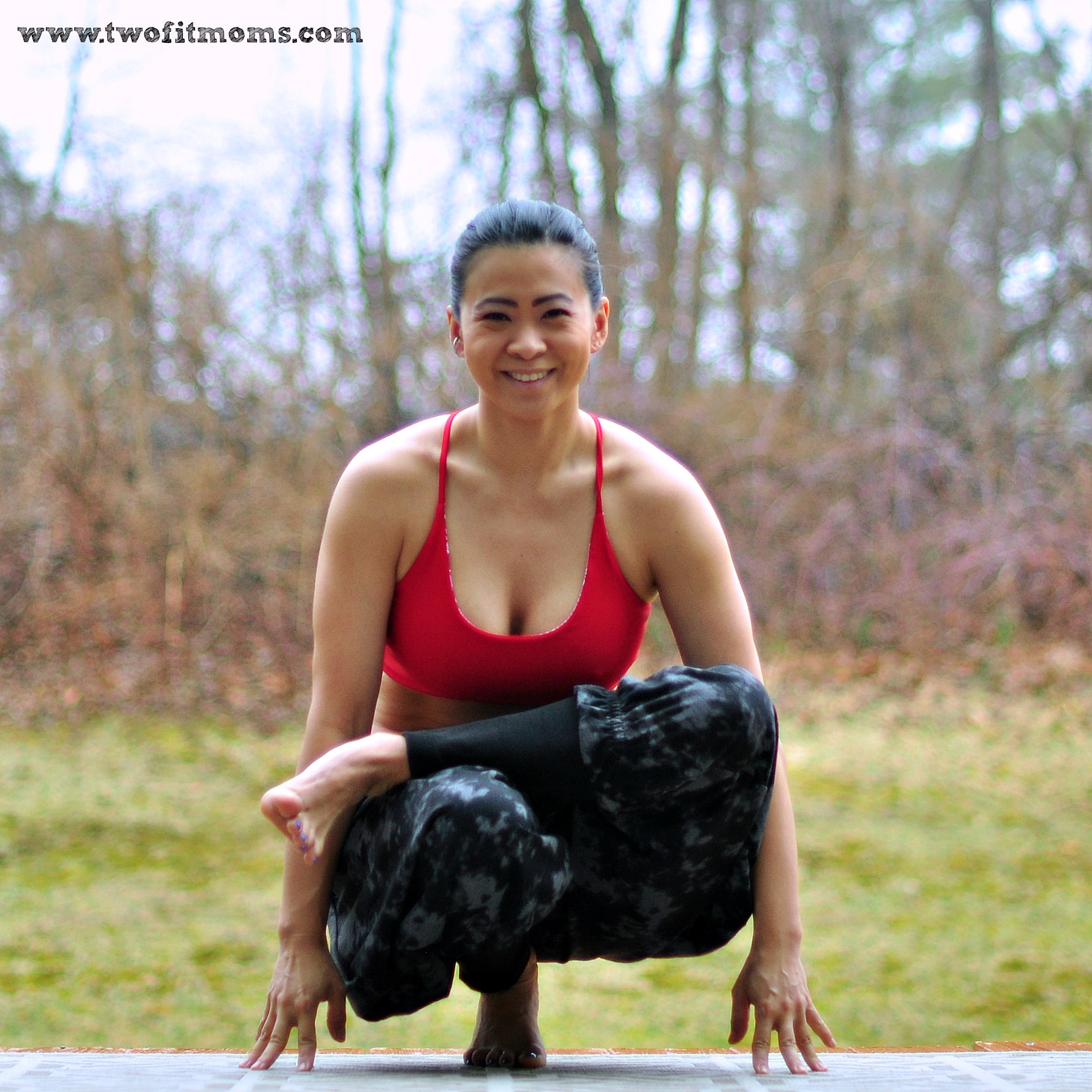
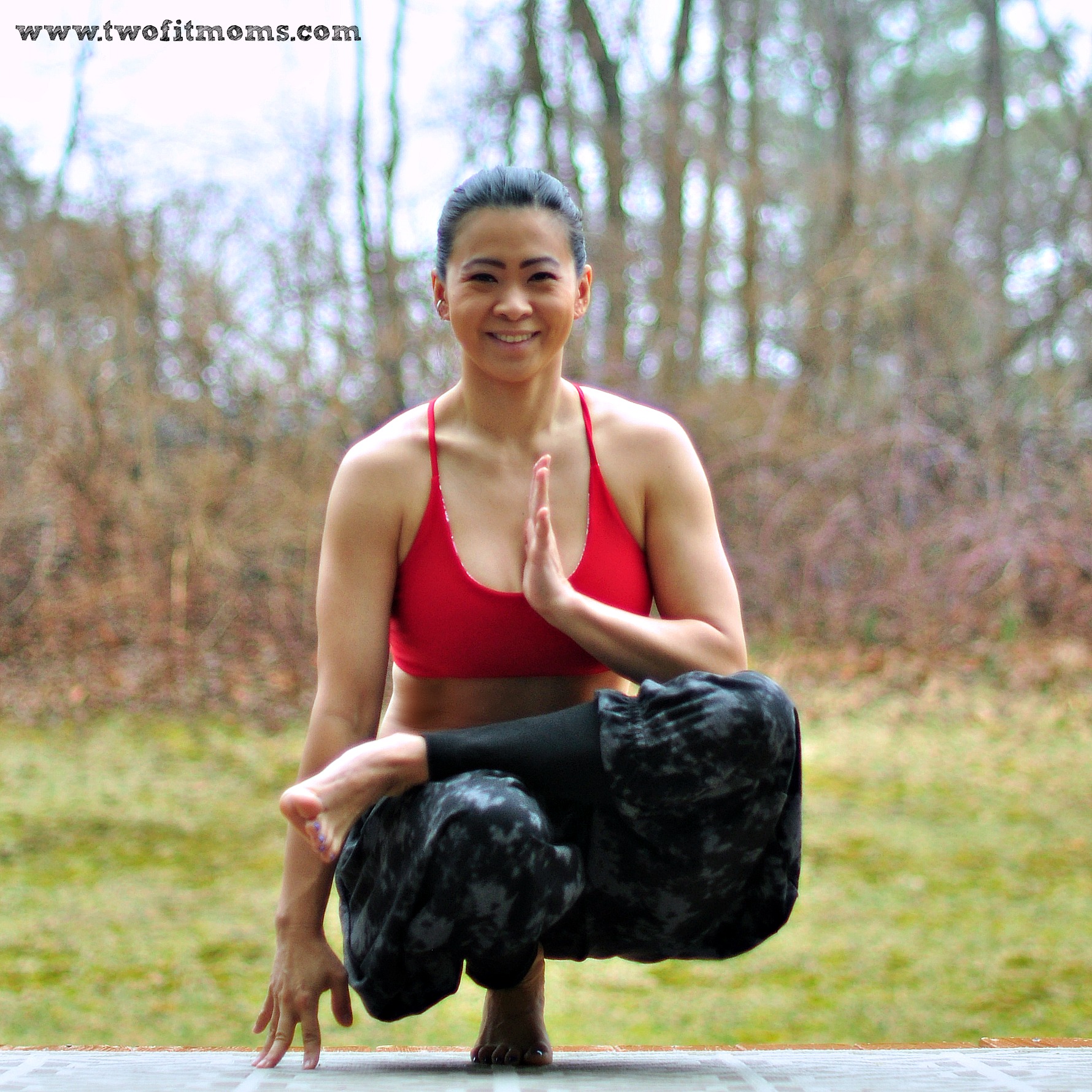
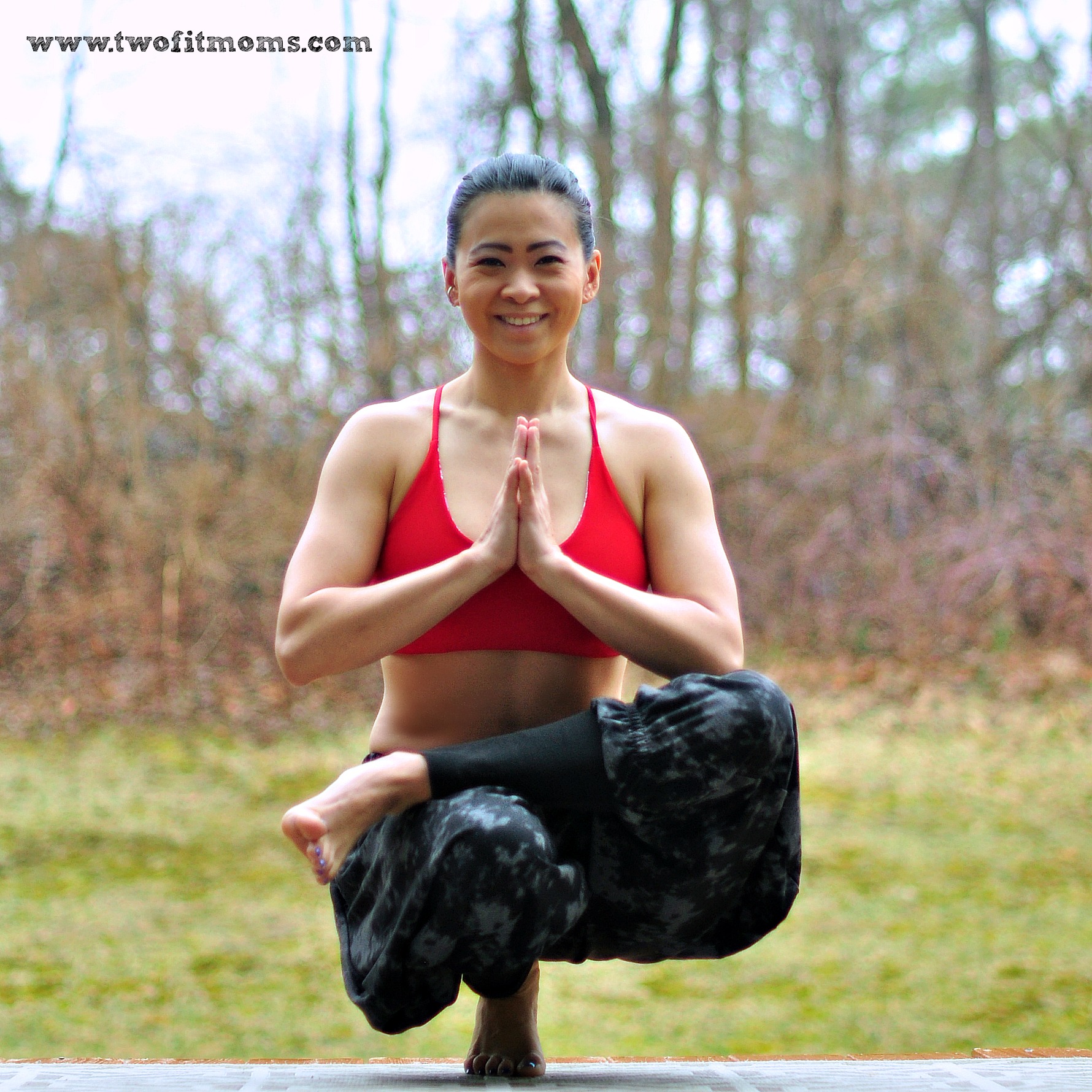
  • Learn to Balance in Toe Stand

    Learn to Balance in Toe Stand

    Toe Stand looks simple, but it actually requires a lot of concentration and focus. You will wobble, fall over and probably be pretty frustrated, but keep at it!  The good news is that the more you practice, the easier it becomes! Make sure to warm up the hips thoroughly. Do not practice this pose if you have any hip, knee or ankle injuries. Always remember to listen to your body and work the pose at your own pace.

    Step 1: Figure “4” it!

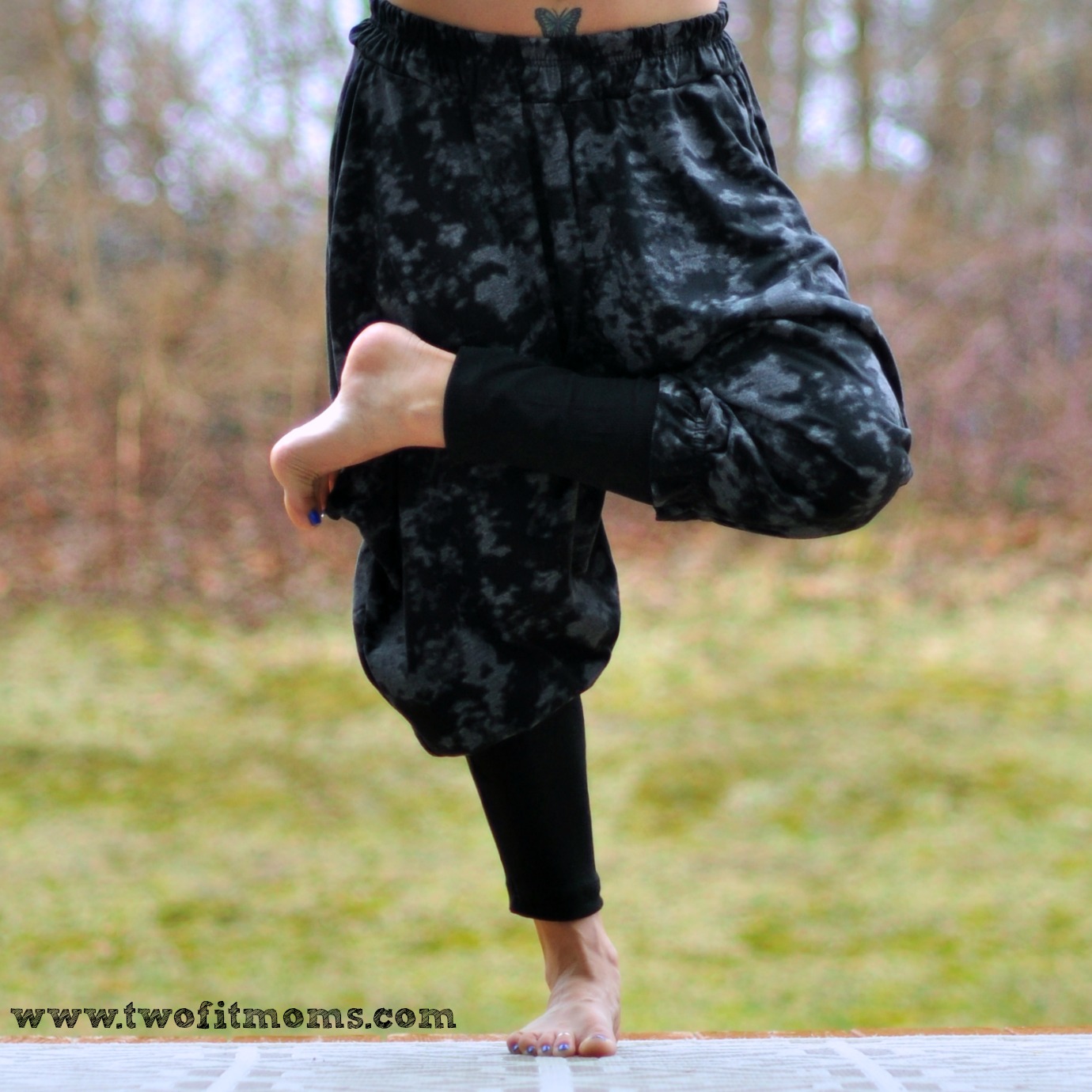
    Start by standing up tall, feet together and spine long. Shift your weight into your right foot and cross the left ankle just above your right knee. If you have really open hips, you can place your left ankle up near your right hip bone for half lotus. In either variation, the knee should be pointing down toward the ground. Keep driving the knee back, hips open.

    DSC_5186s

    Step 2: Fingertips to your mat!

    Hinging from your waist, slowly start to bend the right knee and place your fingertips onto your mat or onto blocks.

    DSC_5190s

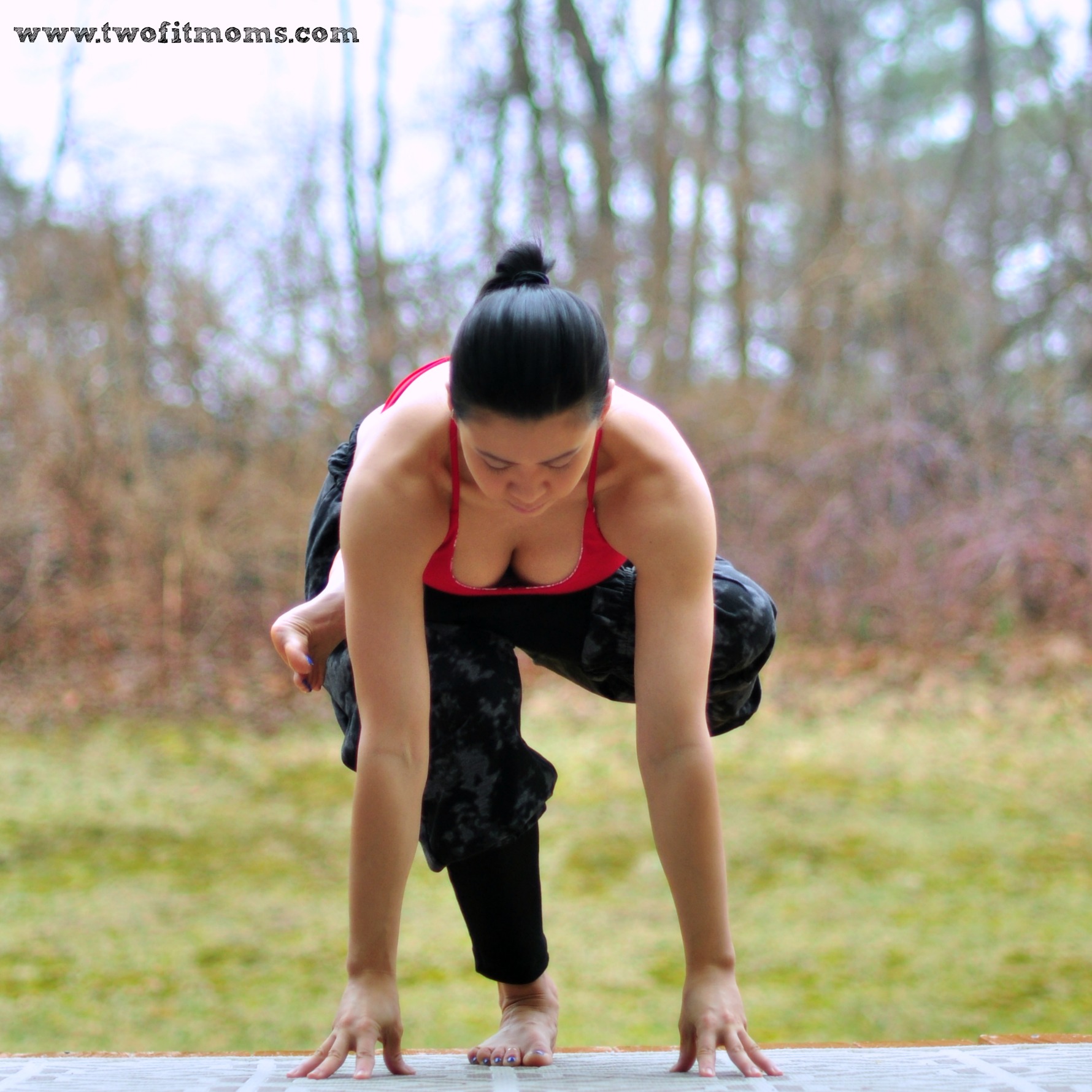
    Step 3: Squat down

    Slowly lower the hips even further down coming up onto the ball of the right foot.  The right thigh should be parallel to the mat. Your buttasana will rest on your right heel. From here, you can walk your fingertips back so that they are closer to your hips. Keep your core engaged, spine long! This will help you balance. If this is your first attempt, stay here and breath.

    DSC_5197s

    Step 4: Hand up!

    Look straight ahead and find something to focus on! Slowly try to bring one hand up to heart center while maintaining your balance.

    DSC_5200s

    Step 5: Toe Stand!

    Staying focused and calm, try to bring your second hand up to meet the first hand. Namaste!

    DSC_5206ss

    XOXO
    Blog Signature


  • Parsva Bakasana

    Parsva Bakasana

    Twist, twist, twist! Parsva Bakasana, or Side Crane/Crow, can be a huge challenge for some yogis. Just like Bakasana, this pose requires flexibility, and the more flexibility you have the better! So, don’t be ashamed if you need some help. Use a block to perch on and a strap to keep your elbows in towards your body.


    Step 1: Warm up with a twist

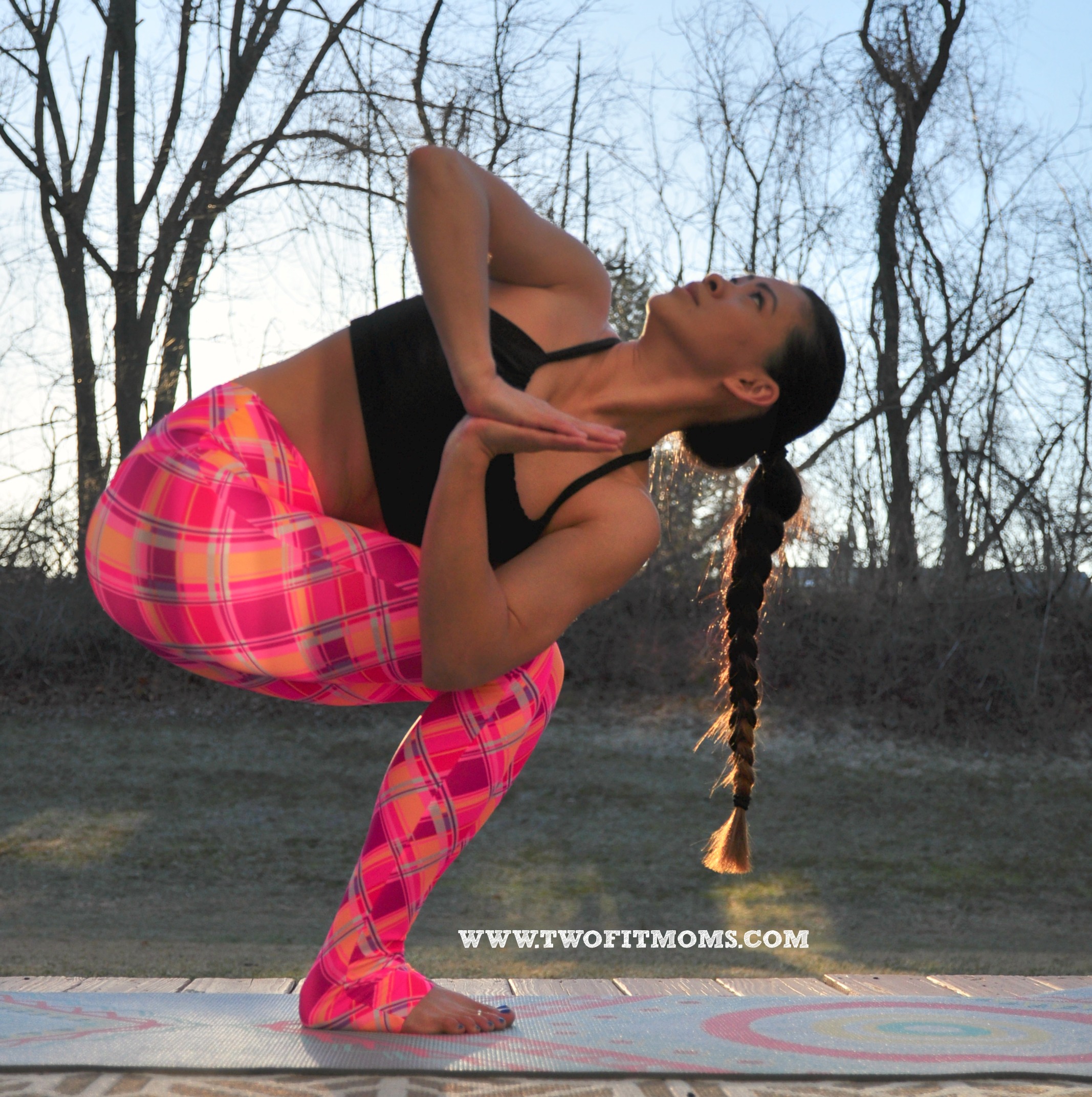
    Begin by standing at the top of your mat, feet together or hip width distance apart. On an inhale, sweep the arms up overhead as you bend your knees and come into Chair Pose. Weight shifts slightly towards your heels…you should be able to lift up your toes! Take 5 deeps breaths.

    Bring your hands in prayer at heart center. On an exhale, twist over to the right, hooking the left elbow to the outside of your right thigh for Revolved Chair Pose. Try to work the left armpit down toward your thigh as your hands press actively together. Your right shoulder will pull slightly back. Try your best to keep your knees in line with each other and your hands at heart center. Take 5 deep breaths then release and twist to the opposite side. Take a forward fold once you have completed this on both sides.

    001

    Step 2: Find your birdie perch!

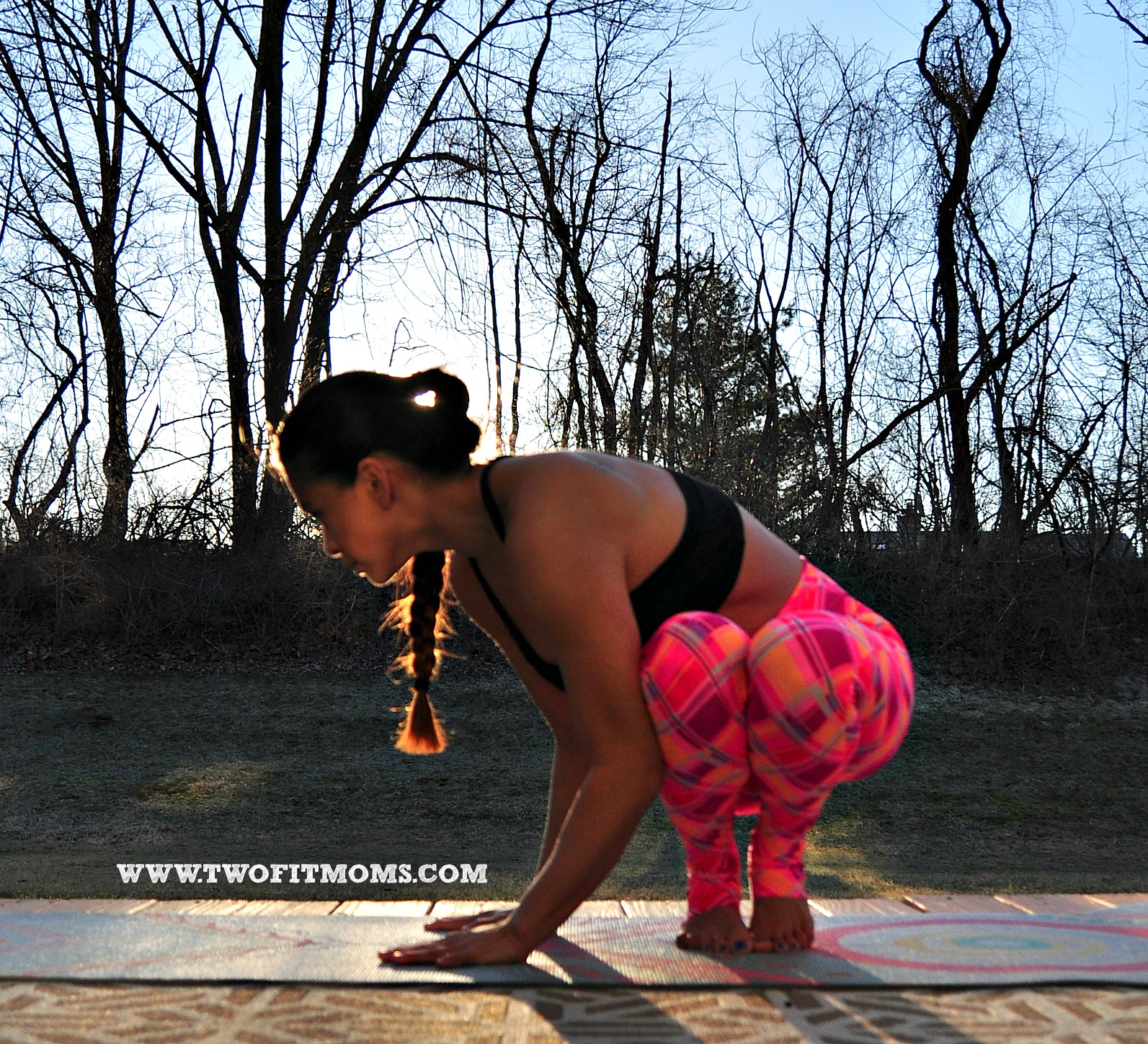
    Start off in your Revolved Chair Pose. Slowly start to lower your bottom down, coming onto the balls of the feet and bringing your hands down onto your mat. Remember to stay twisted!  If you have trouble here, grab a block and stand on it.  That little bit of added height will help you get your hands onto your mat.

    Spread your fingers and suction the palms of your hands onto your mat. Keep your elbows squeezing in. The outside of your right thigh will be alongside your left tricep.  Your right hip will be between your hands. Take a moment to adjust…working the right thigh up toward the left armpit.

    002

    Step 3: Almost ready for lift off!

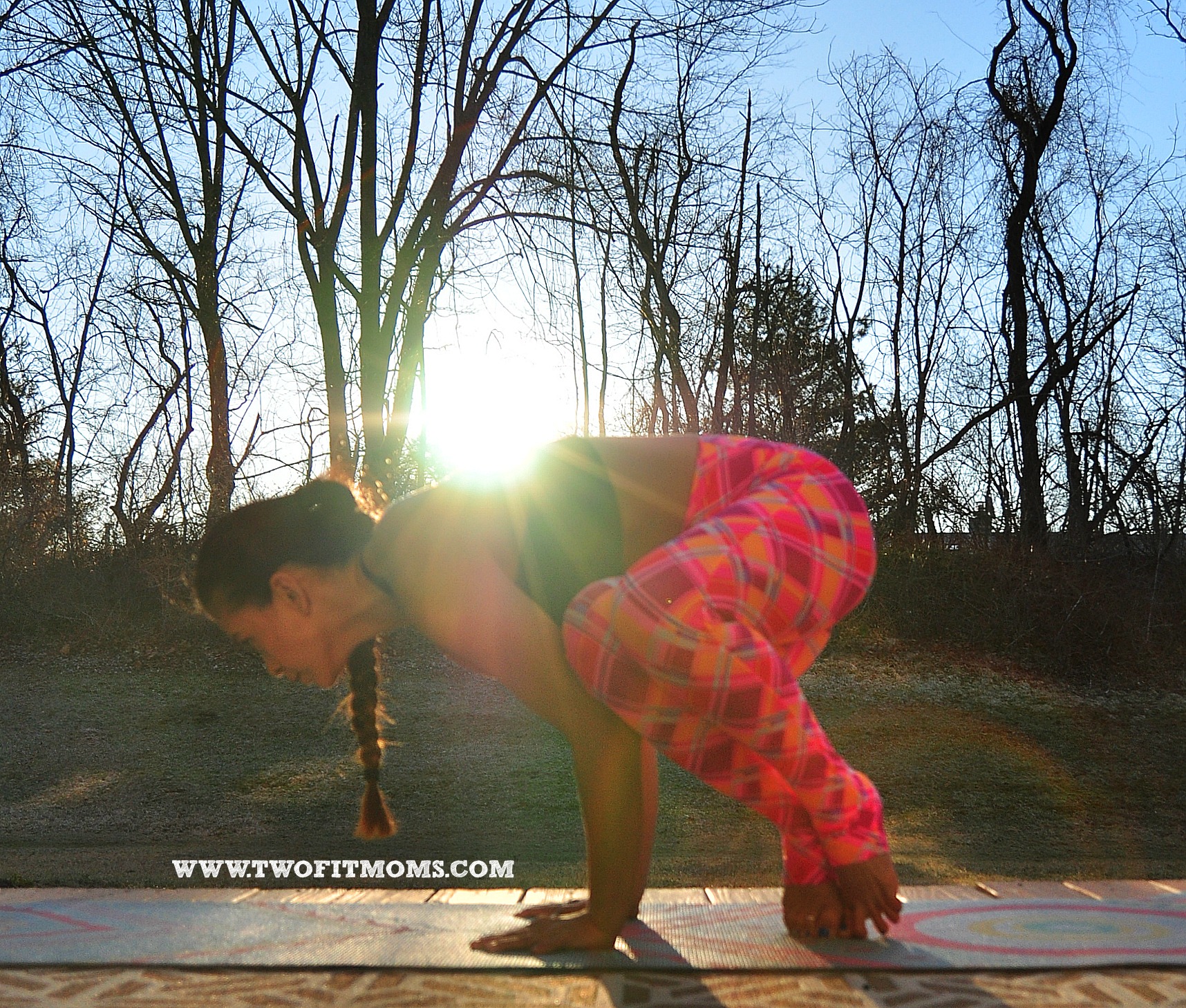
    From your little birdie perch, slowly start to lift your bottom up as you lean forward and bend your arms. Think Chaturanga Dandasana arms…so squeeze in your elbows! Gaze forward and try to keep your shoulders square.

    003

     Step 4: Start to take off!

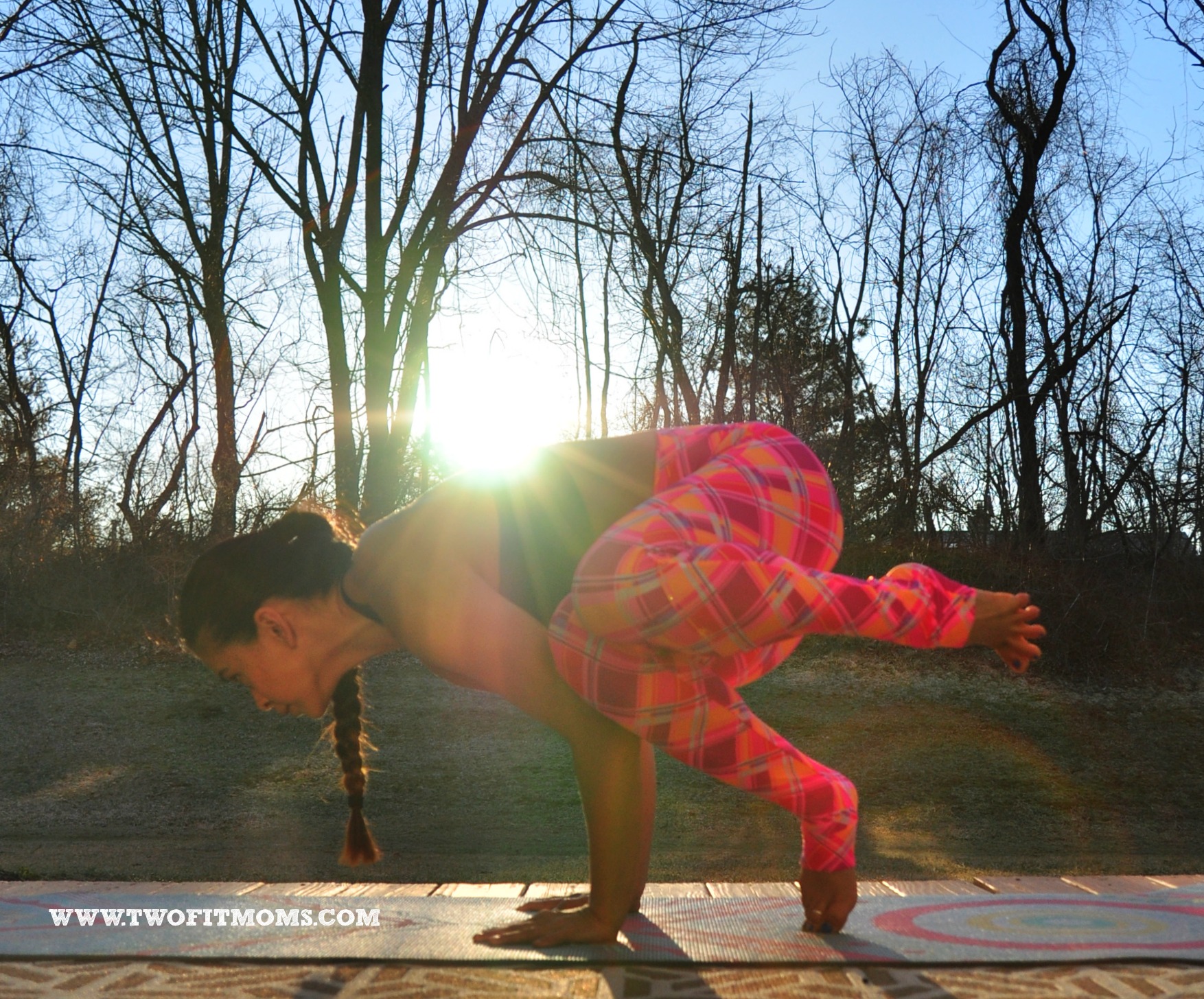
    Keeping your gaze forward, elbows squeezing in, shoulders square…attempt to lift up the top foot.

    004

    Step 5: Take Flight!

    Only when you are ready…try to bring the bottom foot up to meet the top foot and take flight! Squeeze your thighs together, engage your core. If you can, hold the pose for 5-8 breaths before coming back down.

    ***Modification #1:  Place a block, longways, either under your forehead or your chest to give added support. This will allow you to feel what this arm balance is like with both feet lifted!

    ***Modification #2:  Allow your right hip to rest on top of your right tricep so you are balancing your weight between both arms.

    005

    Advanced Option: Straight Arms

    006

    Have fun and be safe!

    XOXO
    Blog Signature


  • Instagram Quick Tip: Photography 101

    Instagram Quick Tip: Photography 101

    I am extremely passionate about my yoga.  What you may not know is that I am equally passionate about  photography. Combining these two art forms came naturally to me when I started my Instagram. As my yoga progressed over these past two years, so has my photography. I’ve learned to really USE my camera through a lot of trial, error and practice. Without getting too technical, here are a few tips I’ve learned and put into practice every single day.

    Photo Mar 26, 8 05 14 AM

    Camera vs. Phone

    The cameras on our phones these days are incredible. When I’m out and about, it’s a no brainer to whip out my phone if I want to snap a picture. With the abundance of self timer apps available and baby phone tripods, you really don’t need anything else to shoot basic pictures.

    During my Junior year in high school, I took my first ever photography class…and fell in love. Digital cameras were not around yet, so we used film. There was no “deleting” pictures and “reshooting”…It was you, your camera and about 24-36 chances per roll. You learned very quickly how to make good use of your shots. Although shooting today is much easier, I learned a lot from that class that I still put into practice to this day…exposure, set up, lighting…just to name a few.

    When I decided to purchase a digital single-lens reflex camera (DSLR), I knew I had to look at it as an investment.  They do not come cheap — they are also a lot bulkier than a camera phone — but they yield beautiful results! If photography is something that really interests you, regardless of whether or not you are using it for yoga, you need a decent camera to shoot. Being able to set your own shutter speed and depth of field can take a great shot and make it amazing.

    Here are a few of my favorite tips to help you take beautiful yoga pictures!

    Tip #1: Shoot Low

    Photo Mar 27, 10 29 58 AM

    I am constantly growing and learning in my yoga practice.  The same is true for my photography practice. In October, I had the privilege of shooting with Robert Sturman,  a renowned photographer who specializes in yoga photography. One of the most important tricks I learned from collaborating with him is to SHOOT LOW. I mean…on the ground low. Whether you or someone else is taking the picture — get LOW.  This one simple technique will offer new perspective and make all the difference in your pictures.

    This picture was taken last summer.  My camera was about three feet off of the ground shooting straight at me.

    Photo Aug 16, 7 52 15 AM


    This picture was taken last month.  My camera was on the ground and propped up to shoot up.  See the difference?

    Photo Mar 04, 9 07 37 AM

     Tip #2: Use Natural Lighting

    I’m not a fan of flash photography. Nine times out of ten, the subject ends up looking washed out. Look for locations with  lots of natural light! Usually the best light is during sunrise and sunset…or on cloudy days! If it’s possible, try to have the subtle light from the sunrise/sunset facing you so your face is not in shadow. The light during full sun can overexpose a picture, cause you to squint or create too many shadows.  Lastly, avoid shooting directly into the sun UNLESS you are going for silhouettes. Any back lighting will make you appear dark as in my example below.

    Photo Mar 25, 7 51 39 AM

     Tip #3: Have a Plan

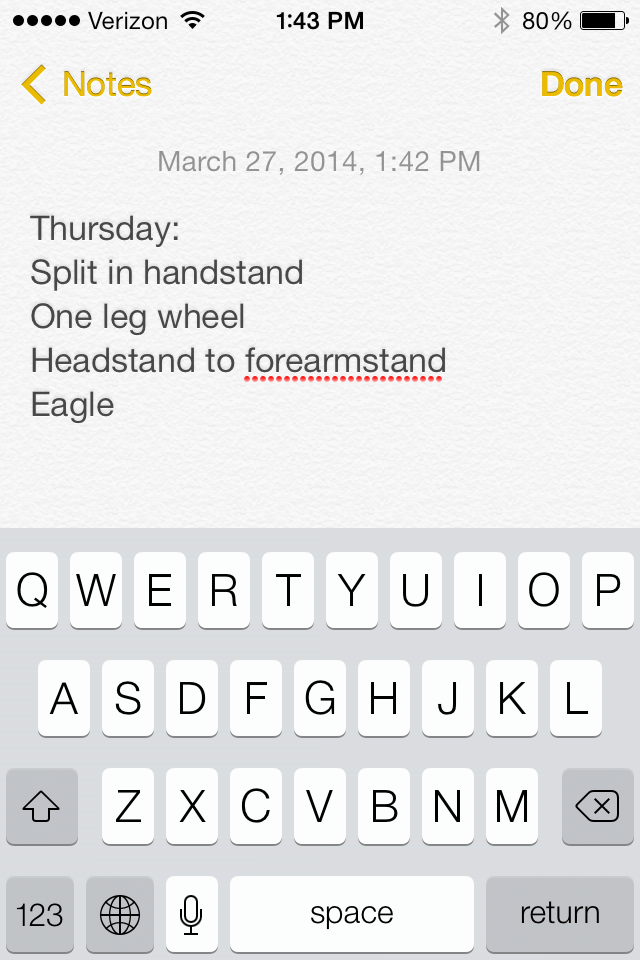
    Contrary to what many people believe, I do not spend hours on end taking pictures of myself everyday. After my real yoga practice, which is usually before sunrise, I have about 10-15 minutes to snap some pictures for the day. I make those 10-15 minutes count by having a plan. Each night, I decide what I am going to work on for the next day, and I write down three to four things I want to capture. Some days I end up with more shots, some days I end up with one shot.

    Photo Mar 27, 1 43 22 PM

    Tip #4: Think Outside the Box

    I’m a huge fan of thinking outside the box when it comes to taking my yoga pictures.  I look for opportunities to take pictures at different angles in order to offer new perspective. Turning ever so slightly towards the camera or away from the camera can make a shot look completely different. Also, zooming into just a portion of the pose can offer amazing effect. I don’t suggest cutting limbs out of pictures for the sake of it, but I do suggest focusing on certain aspects of the pose and purposely cutting parts out. There is a big difference between the two.

    Photo Mar 27, 1 45 27 PM

    I hope these tips offer you some perspective on how I take my pictures! Look out for some more photography tips coming your way soon!

    XOXO

    Blog Signature

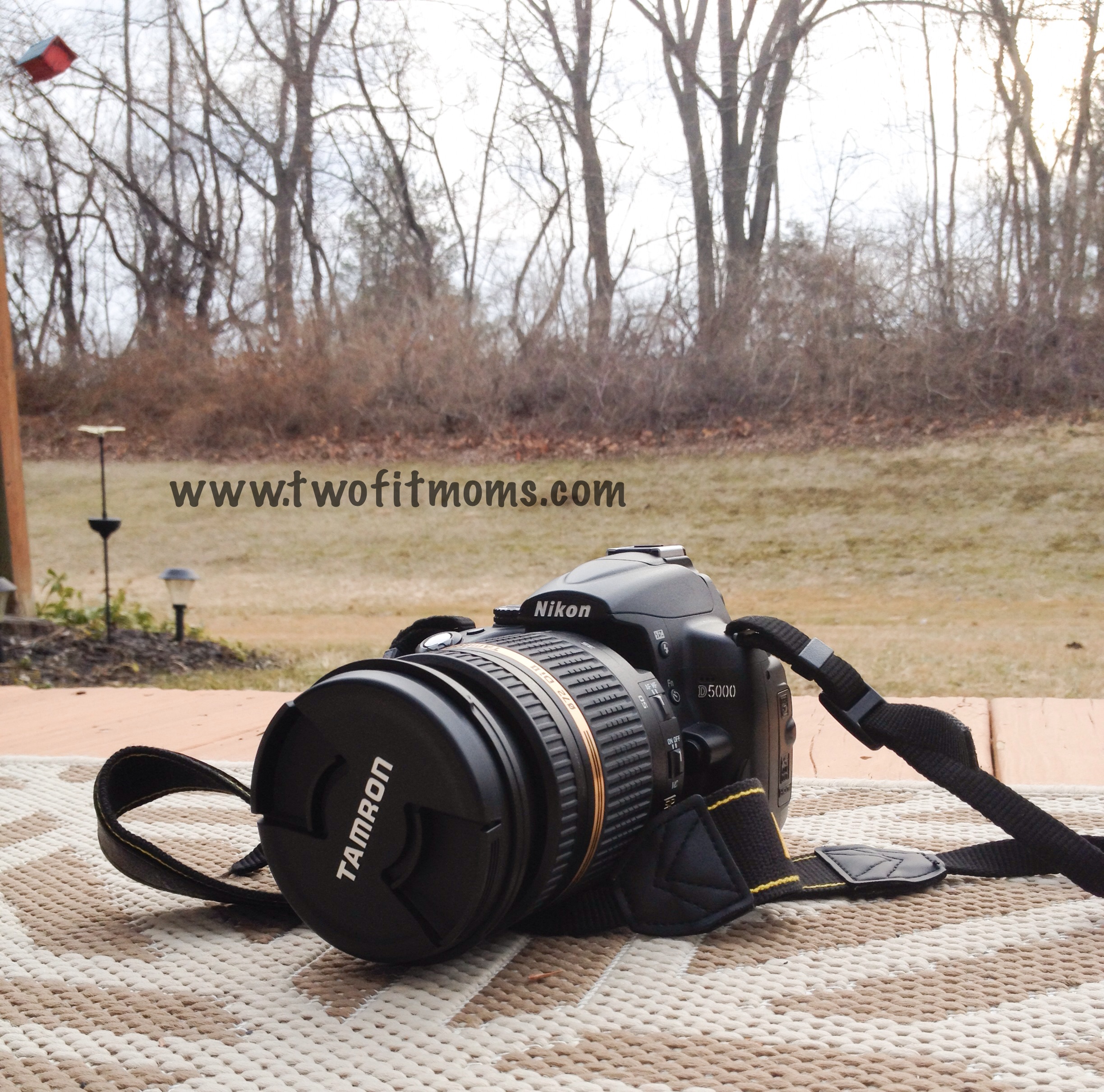
    If you are seriously interested in buying a phone tripod or a new camera, here are some of my favorite cameras and photography products. My camera is a few years old, so I have listed the two newer models. (I shoot with a Nikon D5000!)


  • A Fresh Look at Fitness

    A Fresh Look at Fitness

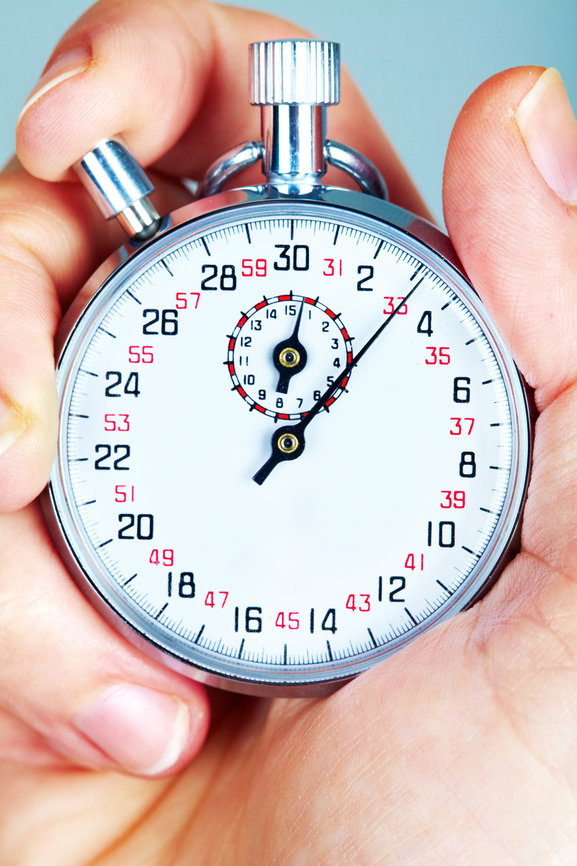
    I went for a run today and had an unexpected realization. Within 30 seconds of putting my headphones on, zipping up my hooded sweatshirt, and starting my stopwatch, I had a series of thoughts and flashbacks that stopped me in my tracks. For some odd reason, I was momentarily transported back in time to the summer that I spent at my grandmother’s house in Japan when I was Mechanical stopwatcheight years old. I suddenly remembered the voice that I heard over a megaphone every morning, announcing the daily exercises that would soon begin at the park. And then I remembered the steady stream of neighbors, young and old, stepping out of their little homes and walking toward the field. No one was wearing a stopwatch. No one was displaying strong, “go get ‘em” attitudes. This was just a way of life, and there was no competition or sense of urgency associated with participating in this routine. If you were well, you got yourself up out of bed and went to exercise with everyone else.
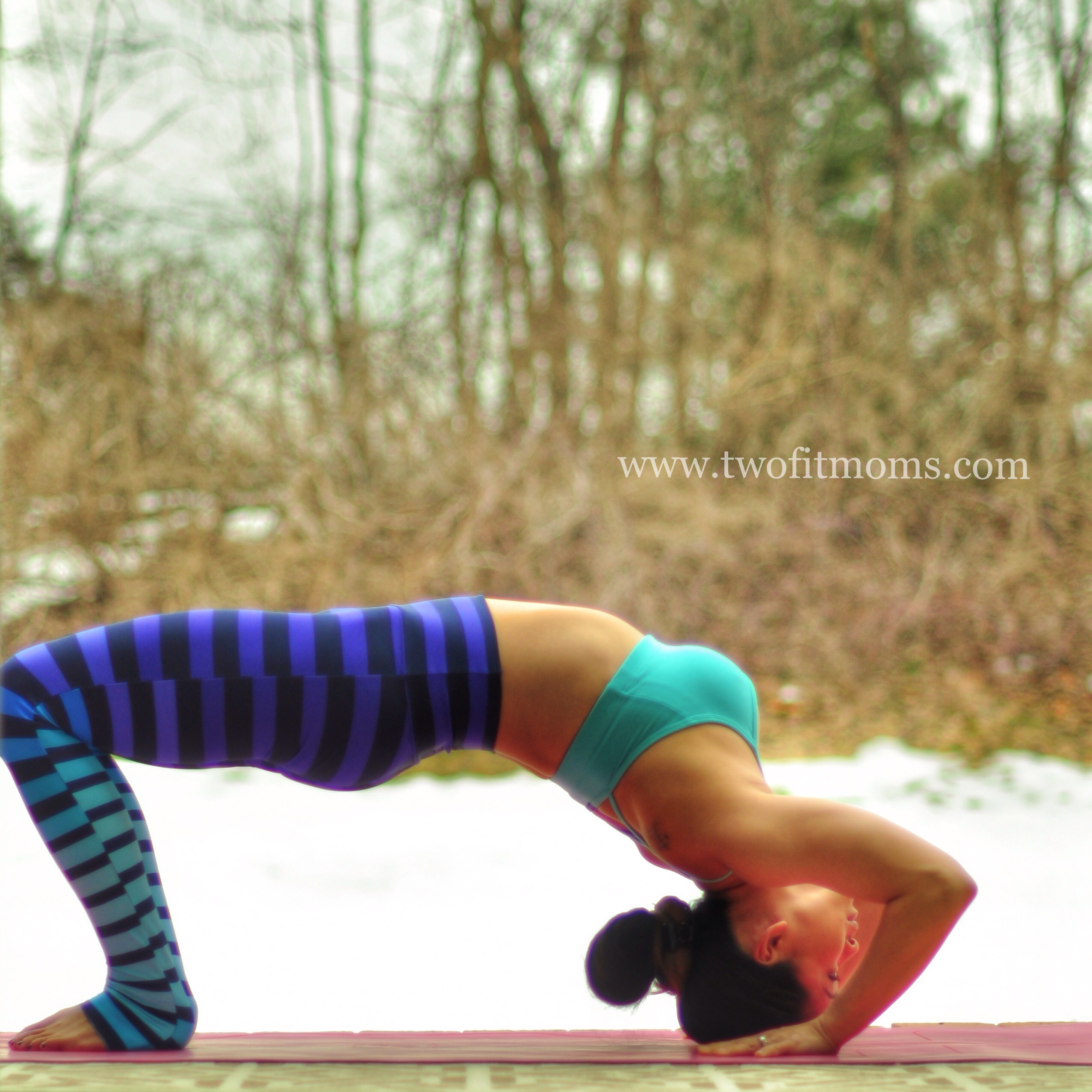
    As I stood on the pavement in the present moment, I longed for that incredible feeling of wanting to exercise as a way of life, not as a means to an end. I just wanted to jog because it felt good. I didn’t want to look at my stopwatch. I didn’t care how quickly I could cover the same distance repeatedly.

    We live in a culture of 30-day weight loss plans, 60-day intense training programs, road races, timed obstacle courses and 7-day jumpstart programs. All of these things are wonderful fitness tools, but maybe it would be enjoyable to just get back to the mindset of moving our bodies for the sake of wellness.

    In this game called life, none of us are getting out alive. The goal is to make our time here on Earth healthy and enjoyable—to balance our life activities so that we spend the vast majority of our time LIVING rather than dying.

    What’s the point of making exercise such a painful, dreadful experience? For most of us, the goal is not to become an elite level athlete. We just want to feel good, look good and maintain a healthy lifestyle. Can’t we just achieve all of that with moderation?

    This week, I challenge you to approach your exercise routine with a different mindset. Exercise only because it feels good. When it stops feeling good, go do something else. Jog until it isn’t fun. When jogging isn’t fun anymore, grab a jump rope. When jumping rope isn’t fun, walk. When walking isn’t fun, go stretch, lift, tumble or balance. Do something! And do it only for as long as you perceive it to be fun. The second it stops being fun, it stops being sustainable. Practice moving for fun so that exercise can become a natural part of life. Remove the stress and the competition for one week, and see how you feel.

  • Urdhva Dhanurasana: Getting into Wheel Pose

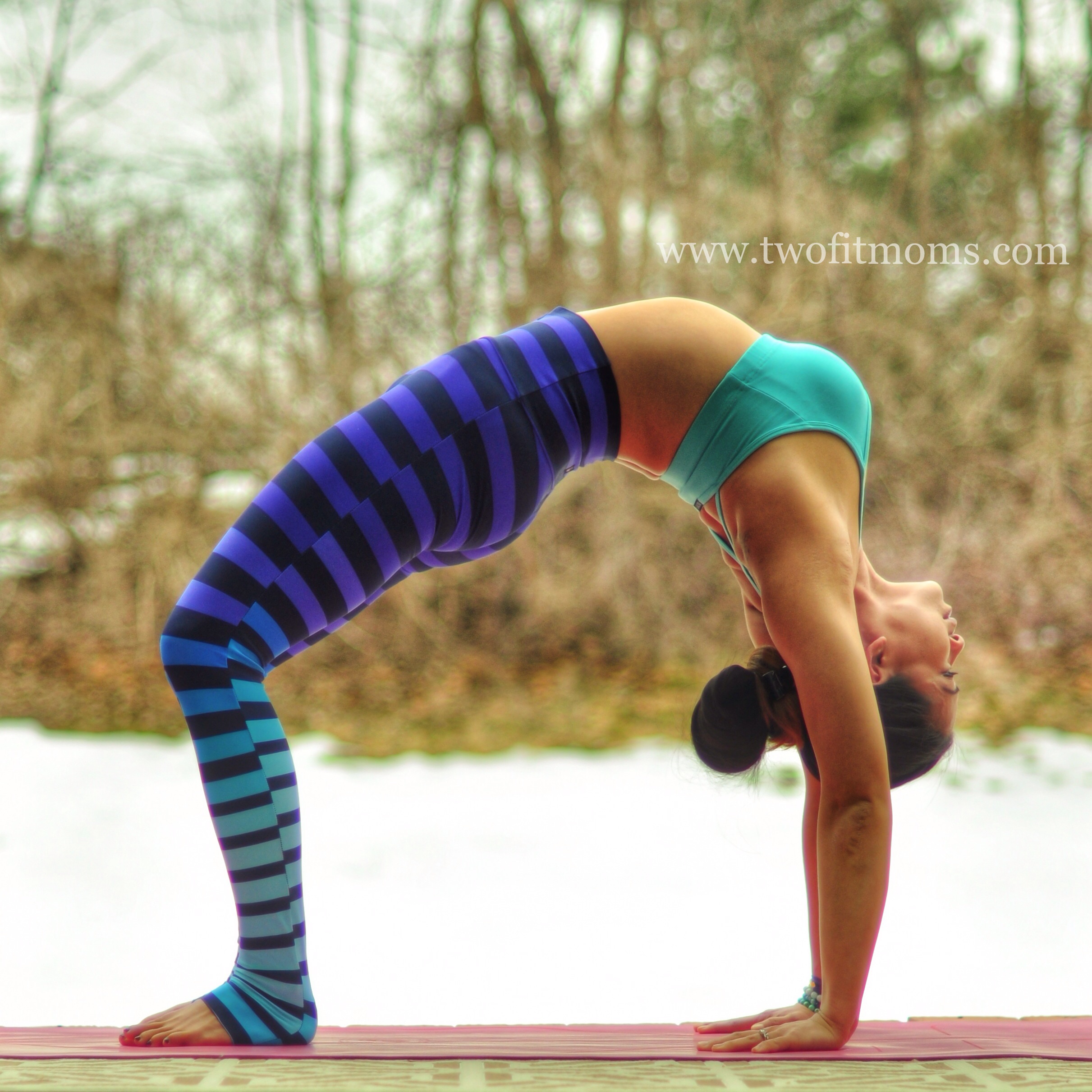
    Urdhva Dhanurasana: Getting into Wheel Pose

    Our journey into backbending continues with Urdhva Dhanurasana or Wheel Pose. As we discussed in the Bridge Pose tutorial, backbends can be energizing…flooding your body with oxygen while stretching out the entire front body, shoulders and chest. Be mindful when practicing and continue to take each posture slowly.

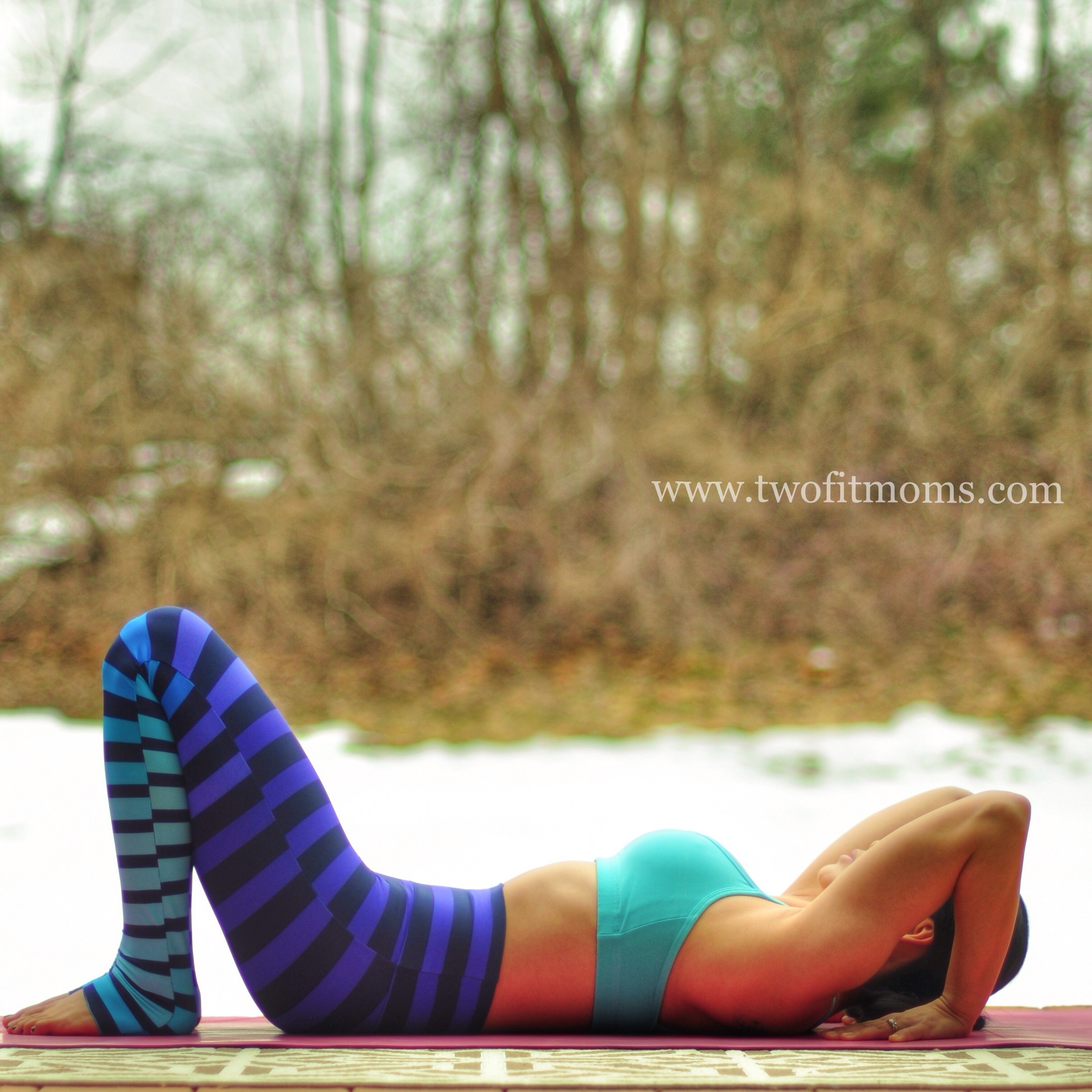
    Step 1: Lie down on your mat. Extend your legs out and take a couple of deep breaths. Bend your knees and bring your feet down onto your mat. Your feet should be parallel to one another and hip-width distance apart. Try to get your heels as close to your buttasana as possible. Bend your elbows and place your hands down alongside your ears. Fingers will point TOWARD your body. Squeeze the elbows in.

    Photo Mar 12, 1 57 37 PM

    Step 2: Take a deep inhalation. On the exhale, push into your feet and lift your hips up. Feet remain parallel and knees squeeze in. Try to keep your buttasana relaxed by drawing the tailbone slightly up. Take a breath. On another exhale, push into your hands this time and come up onto the crown of your head. Elbows squeeze in as your shoulder blades hug your back. I like to walk my hands closer to my body at this point. This is just an option though! Take a breath or two here.

    Photo Mar 12, 1 57 44 PM

    Step 3: On an exhalation, push firmly into your mat with your feet and hands and try to straighten the arms. Remember to keep the feet parallel. There will be a slight internal rotation of the thighs…this is what will prevent your feet and knees from spinning outward. Draw your tailbone down and relax your buttasana.  Keep your shoulders engaged and hugging your back.  Let your head fall neutral. Stay here and take 3-5 breaths.

    Photo Mar 12, 1 58 08 PM

    When you are ready to come down, bring your chin to your chest and slowly bend your elbows bringing the back of your head and your body gently onto your mat. Hug your knees into your chest and relax.

    XOXO

    Blog Signature