Tag: stress

  • The Key to Managing Acute Stress

    The Key to Managing Acute Stress

    These days, most articles that I run across on the topic of stress tend to be about chronic stress— the day-to-day stress of jobs, finances and family dysfunction that chip away at our well-being, year after year. This is the insidious form of stress that we all try to manage with yoga and meditation in the hope that we can gain control over it and avoid all sorts of medical issues down the road (heart attack, stroke, ulcer, etc.) Controlling chronic stress is one of my on-going goals, and I use various techniques, such as journaling, prayer, and meditation to help each day.ManagingStress
    With all of this stress management on my mind, you’d think that I would be mindful of acute stress as well as chronic stress, but I actually rarely think about the acute variety. I lump all forms of stress into one bucket, and that’s not really a fair way to think about it.

    Acute stress is short-term stress that fires up in response to an event. The event might be a near collision on the highway. Or maybe something more primitive— like being chased by an animal. In either scenario, your stress hormones are in high gear. Your adrenal glands release adrenaline and norepinephrine, your heart races in your chest, and your body feels hyper-alert and energized.

    I thought about acute stress today as I was on a conference call for work. As I tried to speak naturally and (hopefully) intelligently, I worried that I was rambling and not communicating effectively. I suddenly realized that I was sweating and my heart was pounding in my throat as I was asked a series of interview questions. I was exhibiting the symptoms of an acute stress response!

    I wasn’t running from an animal or avoiding a near-death experience, but I was pumped up with stress hormones as if my life were in danger. Although the physical sensations of acute stress are uncomfortable, this type of stress response (in small doses) is actually good! We want our impulses to quicken and our awareness of our surroundings to intensify when we are in a challenging situation. What we DON’T want is uncontrollable energy and fear that cannot be used to our advantage. The good news is that we can effectively manage our acute stress to work for us rather than against us.

    Being able to channel the rush of adrenaline into a controlled stream of positive energy is the trick to being able to thrive under short-term stress. And you can do it!

    I know this isn’t going to come as a huge surprise, being that this is a yoga website and all…but the trick to managing and channeling this stress is to control the breath.

    You can turn an intense, harried situation into a calm, collected experience by slowing your rate of breathing. You will continue to benefit from the added burst of energy provided by the stress hormones flowing through your body, but you will be in full control. Your voice will not waver, and your actions will exude confidence.

    You obviously cannot shut down in the middle of your stressful episode to meditate or start flowing on your yoga mat. Instead, you will practice these two breathing techniques and re-gain control of the situation. You may find that one technique is easier than the other. Try them both for a couple of minutes each and see what works for you.

    Slow-Deep Breathing
    Inhale deeply through the nose for a count of six until the lungs are full, and then exhale through the nose for a count of six until the lungs are empty. In your head, count like this: Inhale-two-three-four-five-six; Exhale-two-three-four-five-six. Keep the count in your head for a couple of rounds until the rhythm of the slow breathing exercise feels natural.

    Square Breathing
    Inhale through the nose for a count of four; Hold your breath (with lungs full of air) for a count of four; Exhale for a count of four; Hold your breath (with lungs empty) for a count of four. Practice this breathing technique by maintaining this count in your head: Inhale-two-three-four; Hold-two-three-four; Exhale-two-three-four; Hold-two-three-four.

     

  • Entertaining 101: Planning Makes Perfect (well, almost)

    Entertaining 101: Planning Makes Perfect (well, almost)

    I love entertaining, but it’s a lot of work.  Creating the menu, buying the food, cleaning the house, setting the table, slaving over a stove . . . . all while managing kids and work and possibly wrapping and decorating too! This doesn’t sound like fun at all.  In fact, entertaining can be really stressful.
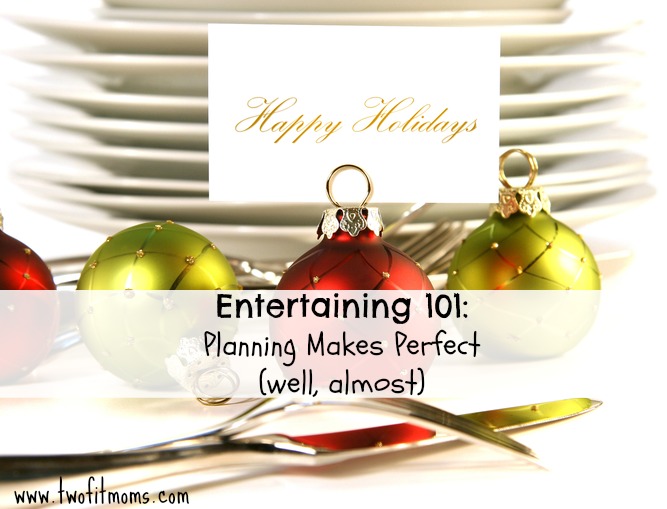
    Closeup of christmas placecard holders with plates and intencils
    So as the holidays get closer, consider these tips that are sure to make entertaining more manageable this year, especially if you are planning for a crowd.

    1. Plan Your Menu in Advance. In fact, write down your menu. While you are at it, make your grocery list too! We love lists, and this is definitely time to pull one or two together.  Try to avoid any guessing.  Even with a list, you may forget an item or two, but not having a list will be a disaster.

    2.Keep it Simple. There’s no need for 10 appetizers and 12 desserts.  Limit your menu to a few really good, quality dishes. And, while you are at it, don’t use the holidays to test a new recipe.  Stick to familiar favorites — and ones that are easy to prepare.

    3. Start Cooking Ahead of Time.  Make as much of your meal, as far in advance as possible.  Soups, sauces, appetizers are all things you can generally prepare ahead of time.  I make my Marinara Sauce a day or two in advance of serving it — the same with my Roasted Butternut Squash Soup.  We like to make our White Bean Dip in advance (in fact, it tastes better once it’s flavors have had a chance to meld.) You can also wash and cut veggies a day in advance of cooking them.  Don’t forget that prepping a recipe in advance saves time too!

    I always make my pies the day before I serve them.  Our Maple Sweet Potato Pie is the perfect example of a make-ahead dessert.  Crisps and cakes can also, usually, be made a day ahead of time too. This is true for our Blueberry Crisp (try it with apples this season) and our Apple Raisin Clafoutis.

    Ultimately, the key is to get as much cooking and prepping done before the actual event to avoid slaving over a stove while your guests have already arrived.

    4. Set Your Table the Night Before.  Iron your table linens, pull out your dinnerware and cups and cutlery and decorative accents ahead of time.  If you can set your table a few days in advance all the better — if not, the night before is perfect.  No one needs to worry about ironing a tablecloth the day of the event.

    5. Make a Buffet. A sit down dinner is all nice and good, but it’s much harder to pull off! Create a more casual vibe by arranging your food family style.  If you have a counter or island in your dining area, arrange the dishes on it so that people can get up and help themselves. You can use chafing dishes to keep things warm.  Crock pots are also great. They not only keep food hot, but you can serve from them too.

    A buffet offers a much more relaxed environment — and it works out well for families (especially those with young children) and in homes where seating is an issue.

    As you can see, all of these tips largely center around planning in some way, shape or form.  We guarantee that if you plan in advance, and spread the work over a few days, you will successfully entertain this season.  In fact, you may even enjoy yourself!

    Now, if you need some ideas on the types of dishes that work best when entertaining large groups, check out our next article . . .


  • 4 Poses for Stress Relief

    4 Poses for Stress Relief

    We all have days, weeks or even longer stretches of time when the stress of life is overwhelming and suffocating. The shoulders and neck muscles tighten, the jaw clenches, and the back may even round with grief. Stress causes a wound-up emotional state, and our insides feel twisted and tight. In these difficult periods, be kind to yourself, and try to find even a few minutes to unwind and decompress. Counteract the tightening, gripping power of stress with a few expansive, heart-opening, shoulder-stretching poses. Trust me, you will feel much better.

    Here are four of my favorite stretches for stress relief. Breathe and sink into each of these postures for a minimum of five breaths, and be sure to practice the relevant poses on both sides of the body.

    Puppy Pose
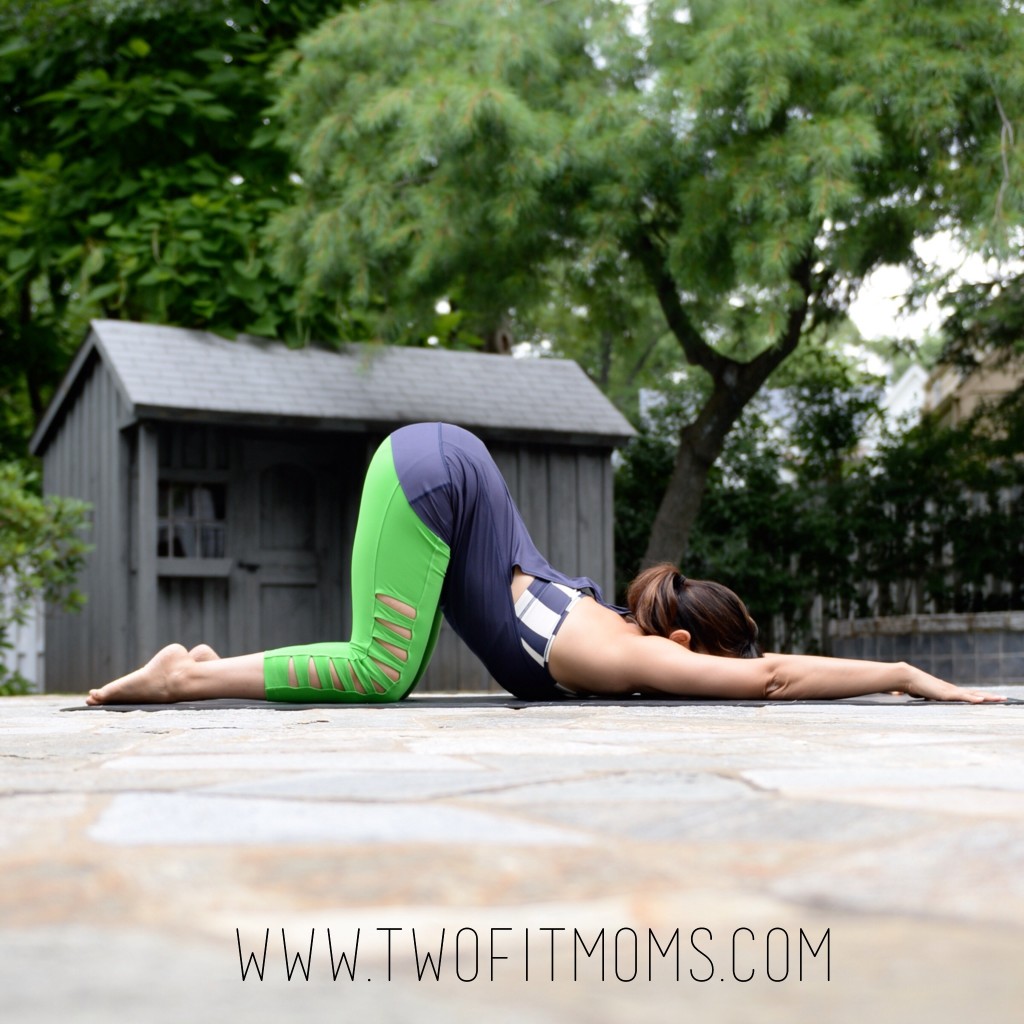
    Start out on hands and knees (tabletop position). Make sure your shoulders are stacked directly over your wrists, and your hips are stacked over your knees. Keep your hips stacked over your knees, and begin to walk your hands forward, sinking your chest toward the floor. Depending on your flexibility, you may rest your forehead, chin or chest on the mat.
    Puppy

    Twisted Monkey Pose
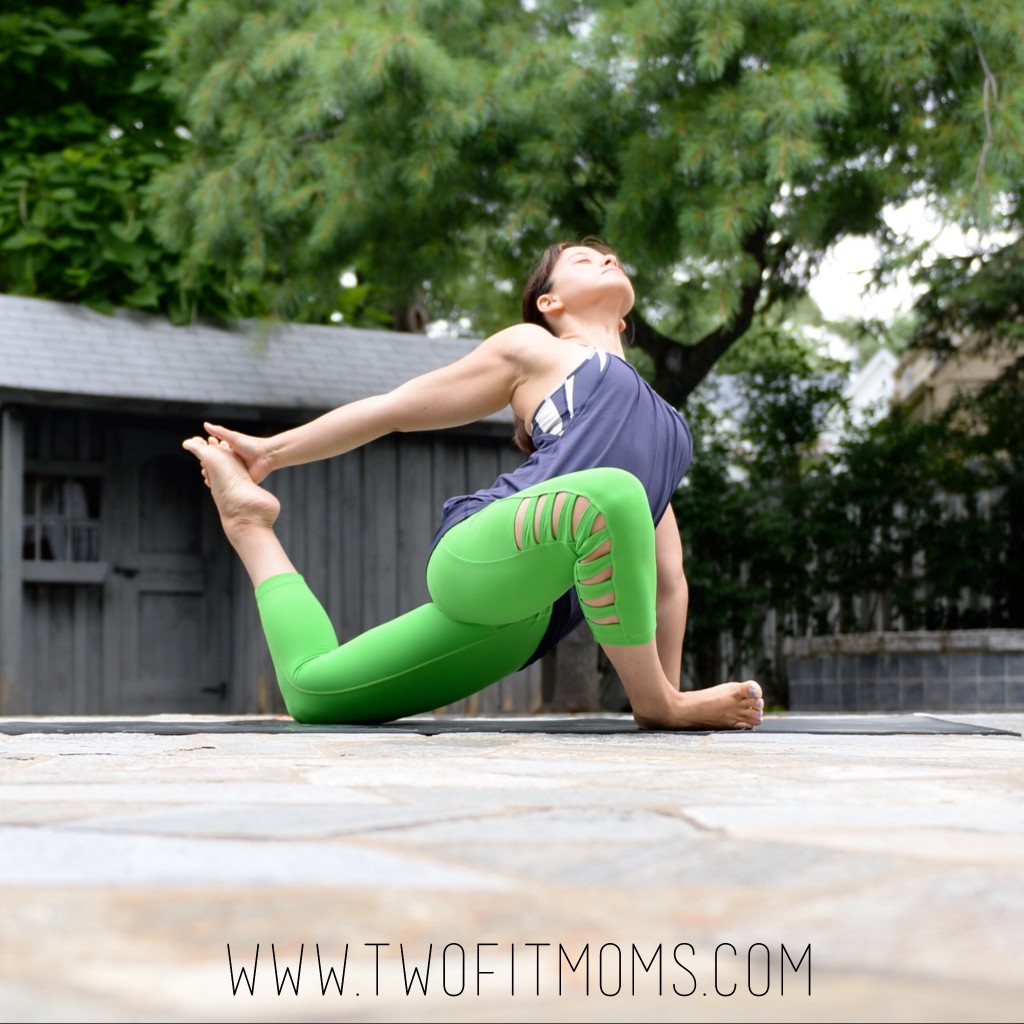
    From downward facing dog, step your right foot forward between your hands. Lower your back knee, and untuck the toes on your back foot. Lift your back foot from the mat. Sweep your right arm back (palm facing up), and grab the pinky-side edge of your left foot. Begin to kick your back foot into your hand. Puff your chest, and roll your shoulders down. Roll onto the outer edge of your right foot, and allow your right knee to fall away from the body. Enjoy this full-body stretch for 30-60 seconds before repeating on the opposite side.TwistedMonkey

    Prasarita Padottanasana
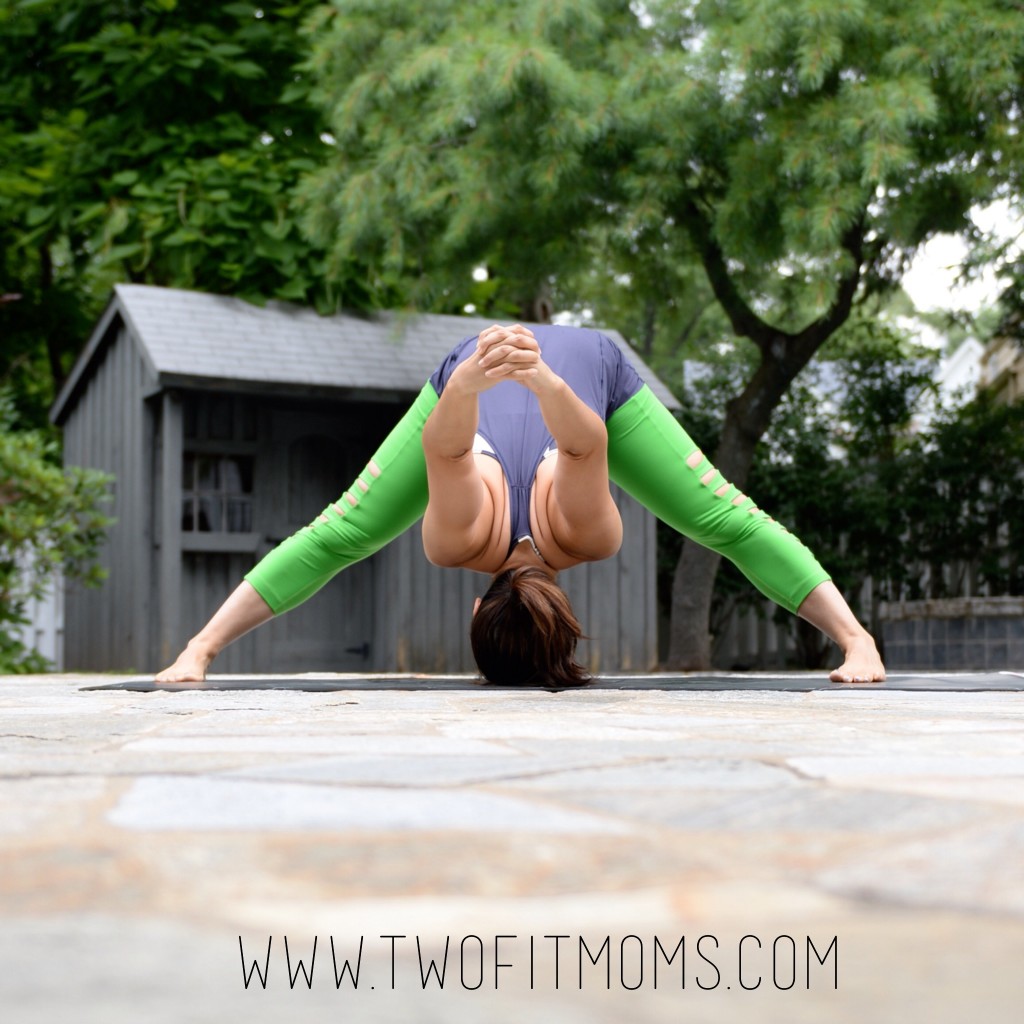
    Step your feet about a leg’s distance apart, and position your feet so that they are parallel to one another. Interlace all ten fingers behind your back, and squeeze your palms together. Roll your shoulders down and away from your ears, and engage your thighs by pulling your quadriceps up and into the body. Inhale deeply, and exhale as you hinge forward from the waist, allowing your clasped hands to fall forward. If possible, allow the crown of your head to rest on the mat.Prasarita

    Supine Pigeon Pose
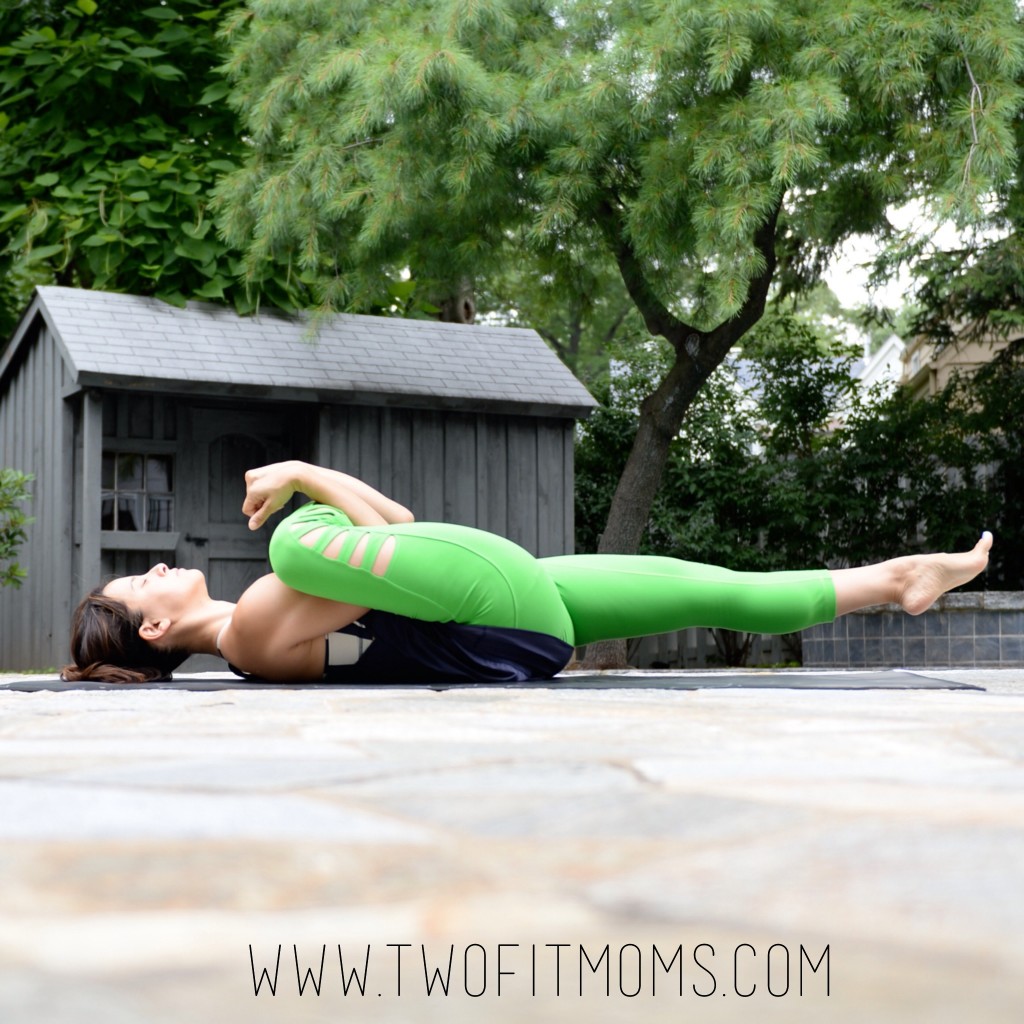
    Lie on your back with your knees bent and your feet flat on the mat. Cross your right ankle over your left thigh, so that you create a triangle of space between your two legs. Bring your legs toward your chest, and then hook your arms through the triangle of space and cradle your right shin. Pull your shin toward your body as you extend your left leg to hover a few inches above the ground. Hold this hip-opening stretch for 30-60 seconds, and repeat on the other side.SupinePigeon

    Will these four stretches solve your problems and remove the stress from your life? Of course not. Stress is often caused by circumstances that are beyond our control. The goal here is to focus on what we CAN control—our breath, our body, and our response to difficult situations. Good luck in all that you are facing. You are stronger and more resilient than you think!