Tag: falling

  • Falling off the Wellness Wagon

    Falling off the Wellness Wagon

    Running a health and wellness website like this one has its unique challenges.  We want to post as many articles as we can to keep you motivated and on the path to wellness, but in the process, we don’t want to paint an unrealistic picture of our lives.  We are busy mothers, and sometimes, that means skipping a workout to care for a sick child or ordering a pizza on a particularly busy night.  Our diets aren’t perfect, our exercise schedules aren’t perfect, and our willpower isn’t perfect.  Our goal is to inspire you and to encourage you, NOT to overwhelm you and make you believe that we live perfect lives that you should try to emulate.

    Choice of pastry against a white backgroundYes, we want you to join us in our daily quest for wellness, but when life gets in the way, and it will, we want you to know that it’s okay.  You are normal.  You can recover.  Don’t throw in the towel.  Just acknowledge that life isn’t perfect, and get right back on track the next day.  “Healthy” does not mean perfect.

    We are ALL human, and falling off the wagon is just part of life.  Yes, it would be wonderful if all of our meals were organic, all of our snacks were unprocessed, and all of our cravings were for cauliflower rather than cake.  The fact of the matter is, life just doesn’t work that way, and we all slip up.

    Everyone has an “off” day.  You know the kind of day that I’m talking about.  You bolt out of bed and race through your morning routine after realizing that you slept through your alarm.  No time for a healthy, home-cooked breakfast.  No time for a morning workout either.  You start your day with a cup of coffee and large muffin that you buy at the convenience store on your way to work.  You end up feeling annoyed and defeated because you ate the muffin and skipped your workout.  You decide that you’ve ruined your clean eating plan for the day anyway, so you say yes to the piece of cake being offered at work.  You then choose the sweetened chai tea latte instead of the chamomile tea during your break.  You eat multiple pieces of bread out of the breadbasket at dinner, order Fettuccine Alfredo instead of grilled fish, and finish off your meal with ice cream for dessert.  At this point, you are defeated and disappointed and the self-loathing begins.  Maybe you’ll even head home to binge on cookies and chocolate later.

    Why will the hypothetical scenario described above resonate with so many readers? It will resonate because it is truly that common.  You are not alone.  Whether you fall off the wagon for a few hours or a few days, there is no need to feel defeated and angry.  Remember that you are in this for the long haul.  What you do over the course of a few hours or a few days or a few weeks has no significance in the long run.  What matters is the trajectory of your life over months and years.  Long-term habits matter, not short-term slip ups.  Allow yourself to have an “off” day from time to time.  It cannot break you if you maintain a long-term perspective.  Forgive yourself for not being perfect, and move on.
  • Pincha Mayurasana:  The Art of Falling

    Pincha Mayurasana: The Art of Falling

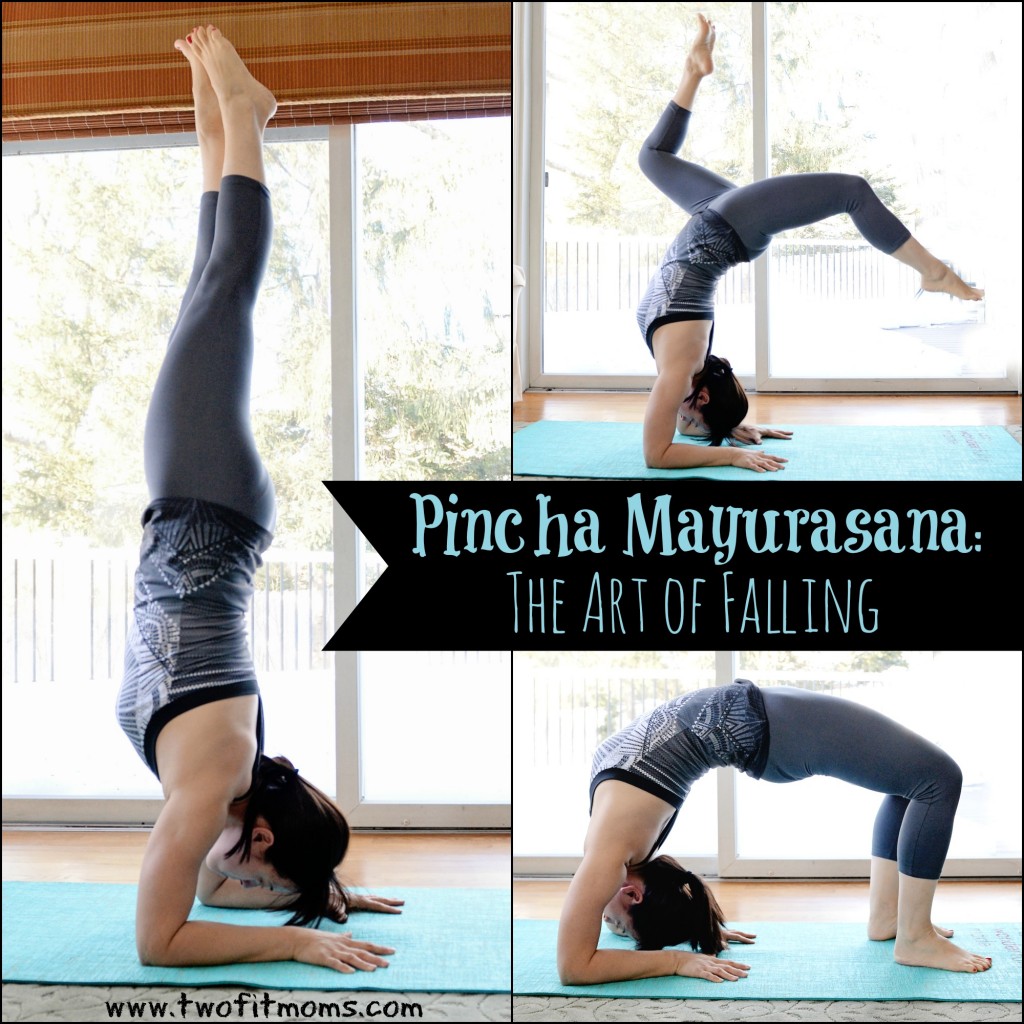
    If you’ve recently added Pincha Mayurasana (forearmstand) to your inversion practice, you may be wondering when or if you should move away from the safety of a wall.  As a general rule, you should NEVER move your inversion practice away from the wall until you have perfected your exit strategy.

    Falling flat onto your back and injuring yourself is NOT an exit strategy.  Falling safely out of an inversion is FallingFromPinchaactually a skill, and today, I will show you how to turn your fall out of forearmstand into a controlled transition.
    The goal?  Forearmstand into forearm wheel.  Yes, forearm wheel is a deep pose requiring flexibility, but once you master this pose and this transition, you will practice in the middle of the room without fear.

    Getting into Forearm Wheel
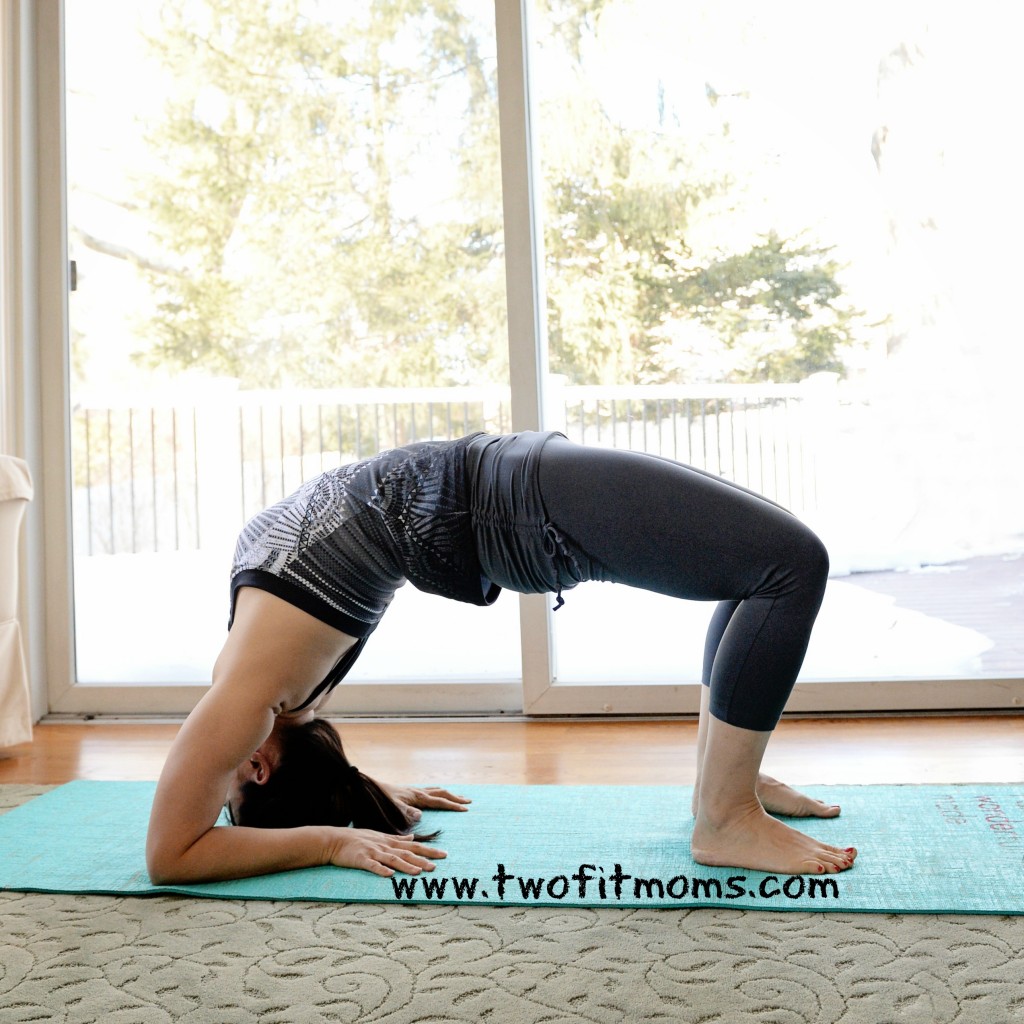
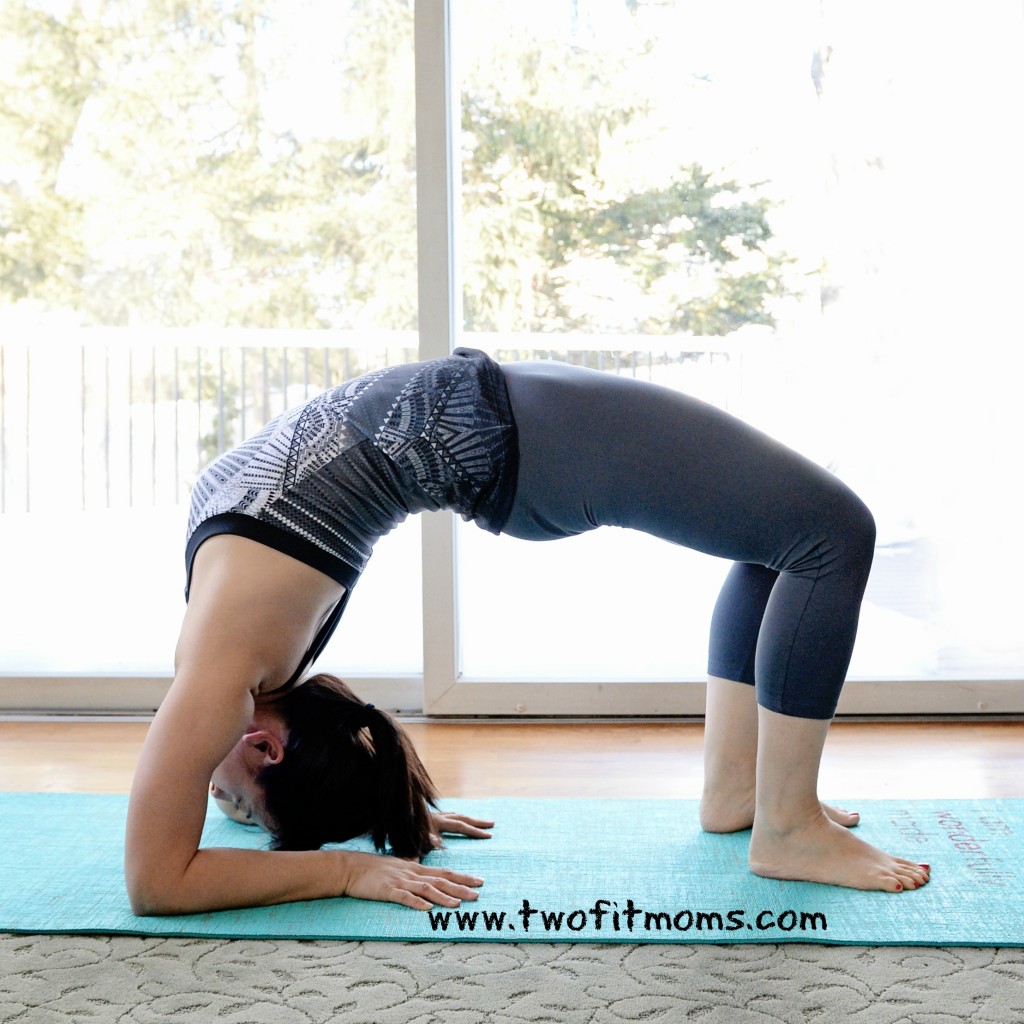
    The first step in perfecting this transition is to practice the final pose:  forearm wheel.

    Step 1
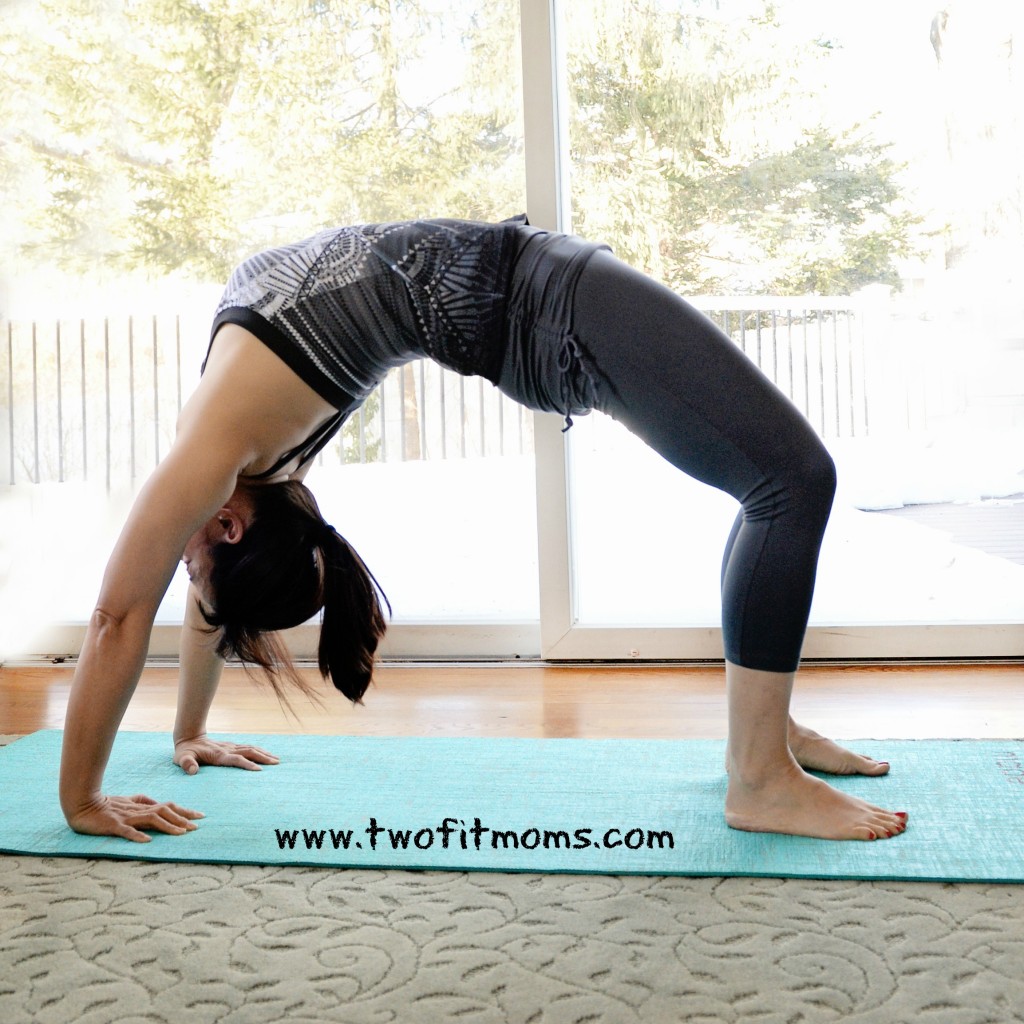
    Lie on your back, with your knees bent and feet flat on the floor. Place your palms onto the mat on either side of your head with your fingers pointing toward your feet.  Press through your hands and feet and gently lift up onto the crown of your head for a breath or two.  Continue to press through your hands and feet, lifting your head from the floor. Straighten both arms and lift your hips toward the sky for wheel pose.  If you are unable to do wheel pose, please continue to practice your forearmstands against a wall and re-visit this article at a future date.  Being comfortable with your backbends is essential for this exit strategy.
    WheelPose
    Step 2
    Slowly bend your elbows and gently lower the top of your head to the mat. Keep your elbows stacked above your wrists and your chest lifted.
    LowerOnToHead
    Step 3
    Slowly lower yourself onto one forearm.  If the stretch feels too intense, stop.
    WheelOneArmDown
    Step 4
    If your back is not straining, lower yourself onto the other forearm.
    WheelBothArmsDown
    Step 5
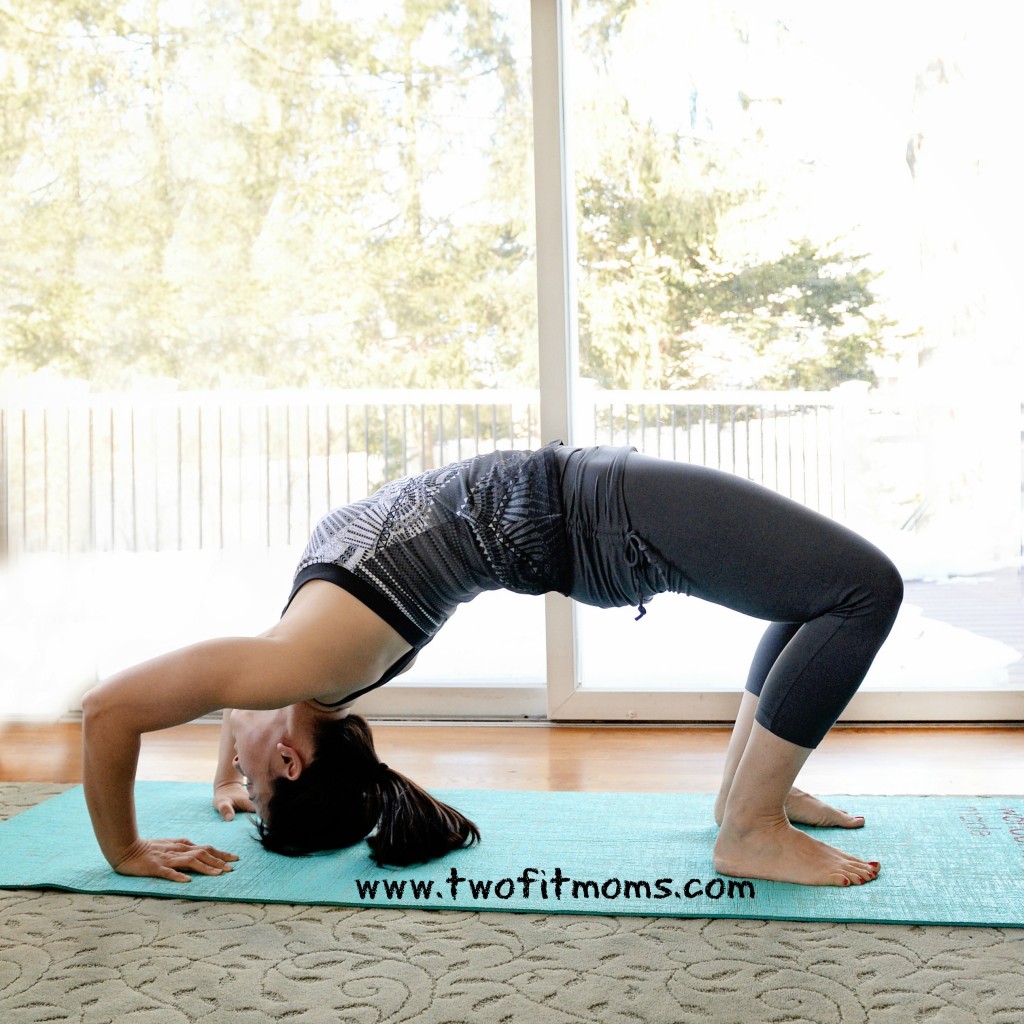
    Press down firmly through your forearms and lift your chest to raise your head off the mat.
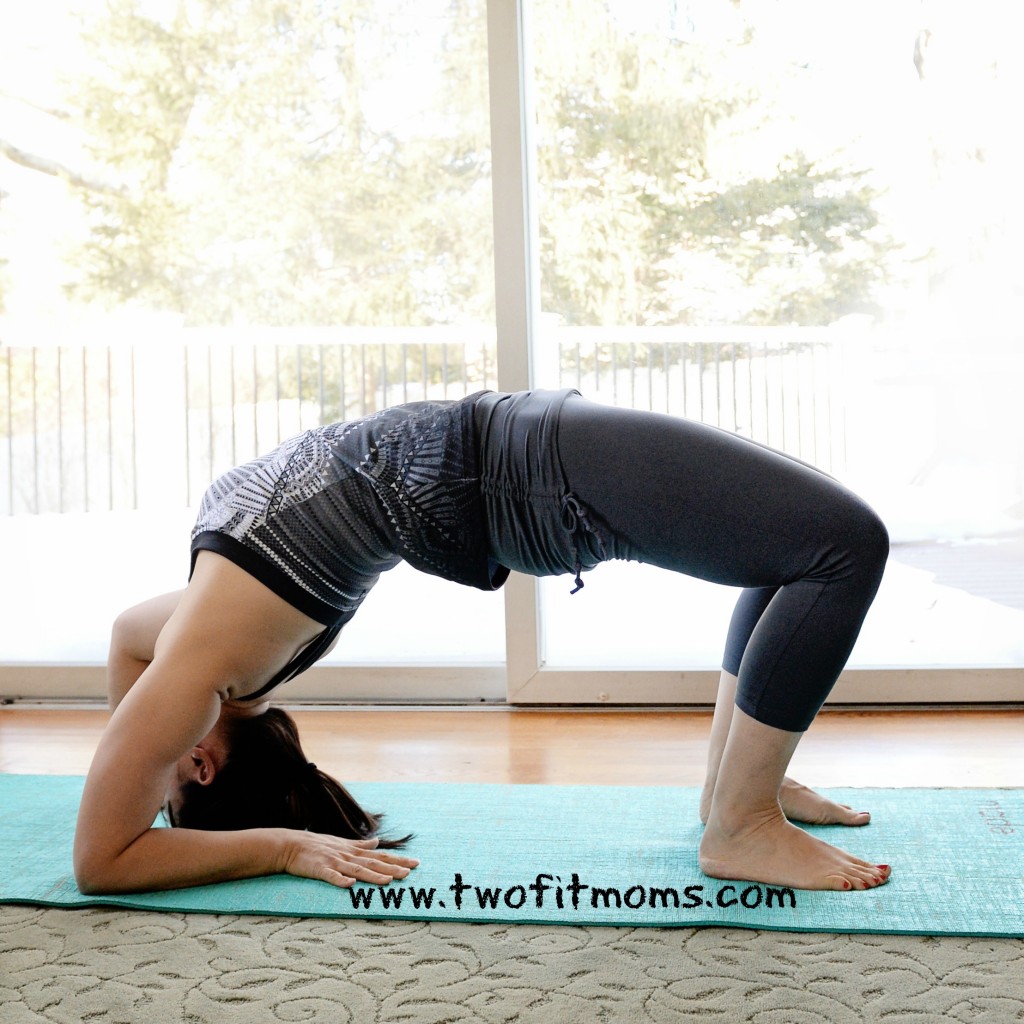
    ForearmWheel
    If you are unable to do this forearm backbend with ease, then please continue practicing your forearmstands with a wall.  Falling into a deep backbend from a height is potentially harmful until your flexibility improves.  Each day, make it a point to work on your backbends and to open up your chest, shoulders and hip flexors.  The sooner you become comfortable in your backbend practice, the sooner you will become free from the wall.

    Practicing the Transition
    Now that you’ve mastered the forearm wheel, let’s practice falling into it.  Make sure you are thoroughly warmed up before attempting.  When you begin to lose your balance in your forearmstand, your natural inclination is to simply tip over.  Work with that natural momentum, and do not try to fall to the side or to lift your forearms from the ground.  Keep your forearms firmly rooted into your mat, with your elbows stacked right under your shoulders.  Do not collapse into your arms!  If you stay strong through your shoulders and arms, your legs will touch down, your head will never touch the mat, and you will be in a forearm backbend.

    Remember:
    Keep your inversion practice at the wall until you perfect your exit strategy.  Perfecting an exit strategy, however, may take a great deal of time.  Do not get discouraged.  Your yoga practice is not a race, and it is here to serve you through your lifetime.  Practicing your inversions with a wall is FINE.  Be prudent and use a wall if your body is not quite ready for the exit strategy presented here in this article.  Good luck!

  • Headstands 101:  The Art of Falling

    Headstands 101: The Art of Falling

    I would be remiss to write a “Headstands 101” series of articles and not touch upon the topic of falling.  Falling is the greatest fear in practicing any inversion.  Nobody wants to fall because it feels so uncontrolled and unexpected and could result in an unwanted injury.

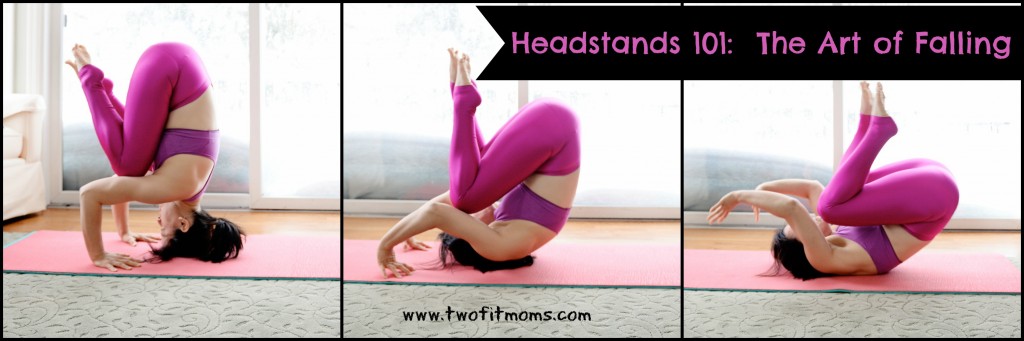
    Today, I’m here to tell you that falling is a skill.  You CAN and WILL turn your falls into transitions.  You will no longer fall out of a headstand.  When you feel your body wavering as you balance on your head, you will not flail around and fall flat onto your back.  Instead, you will execute a controlled transition from one pose into another.  The goal?  Tripod headstand into a somersault.  Once you master this transition, your headstand practice will soar to another level.  When you can practice without fear, amazing things will happen on your mat.  Let’s get started.

    Channel Your Inner Kindergartener
    First, remind yourself what it feels like to do a somersault.  Squat down onto your mat as you rest on the balls of your feet.  Keep your knees together and place your hands down onto the floor in front of you.  Spread your fingers and begin to lean forward, putting pressure into your hands.  Tuck your chin to your chest and place the back of your head onto the ground, slightly in front of your hands.  Round your back, push off of your feet, and turn yourself into a tight ball.  Somersaulting should not hurt!  Keep practicing this move until it feels natural and smooth.

    Once you feel comfortable somersaulting, come into a tripod egg to practice the exit strategy.  If you need a refresher on getting into a tripod egg, click HERE to review the steps for this pose.

    Banner
    From your tripod egg, tuck your chin to your chest, round your back by squeezing your knees into your body, and safely roll out of the headstand.  Practice this over and over until it is second nature to tuck and roll as soon as you feel as though you no longer have control of the pose and may tip over.  Once you can tuck and roll out of a tripod egg, lift your knees from your triceps a few inches and try somersaulting again.  Keep lifting your legs and practicing your forward roll until you can safely tuck and roll out of the full expression of the pose with your legs fully extended.

    If you cannot master the somersault, don’t worry about it.  You can always re-visit this transition at some later date.  Until you can MASTER the somersault, however, you should NOT move your headstand practice away from the support of a wall.  There is no purpose in practicing if you put yourself in danger.  You must be able to safely exit a headstand in the middle of a room via forward roll, and until you are comfortable practicing somersaults, you should continue practicing with a wall behind you.  This is all a process, so please do not be discouraged if you are struggling.  It does not need to happen today.  Or tomorrow.  Or even a year from now.  Let yoga be a lifelong practice.  Be safe, have fun, and practice without fear.