As busy mothers, yoga instructors and business owners, we are on the constant quest to live balanced lives. With young children to care for and multiple schedules to juggle, there’s hardly a moment in the day that isn’t pre-scheduled with children’s activities, meal preparation or work obligations.
At first glance, it seems counterintuitive to add a yoga practice to a seemingly never-ending list of daily tasks, but we realize that the intense focus required to maintain balance and 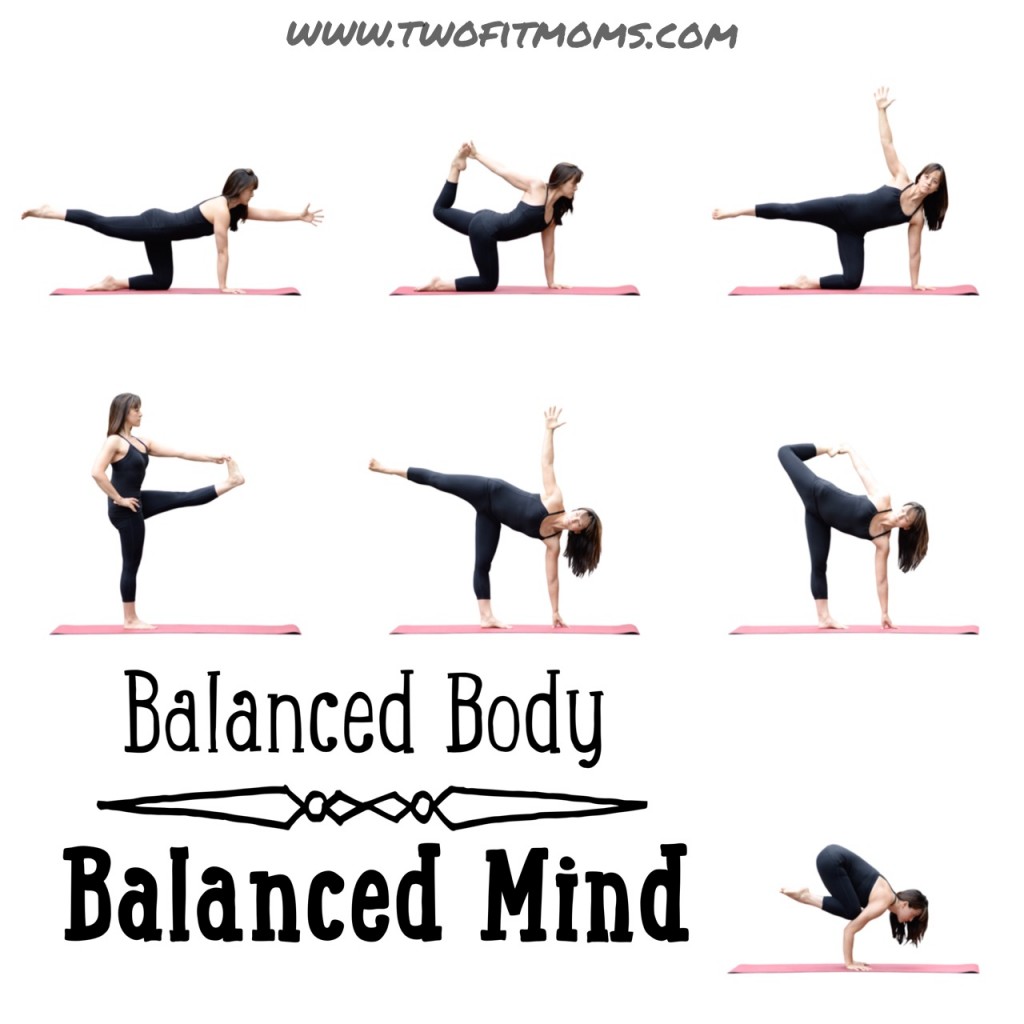 alignment on the yoga mat is the same focus necessary to navigate life’s many challenges and obligations. Whether you have a pending deadline at work, an hour of traffic during your commute, or a house full of kids, your ability to manage stress and face the day will seem that much easier after an intense yoga class.
Practicing on the mat is perfect training for managing a stressful, busy schedule off the mat. Each balance pose requires an even breath and a commitment to focus solely on the current posture. A balance practice gives no thought to the poses that come before the present moment. Each balance pose, just like each life task, can be successfully performed with this strategy of focusing and dedicating one’s undivided attention to the effort. Test your own strength and hone your balance skills by practicing the seven poses below. Remember to breathe deeply, find a focal point in each posture to help maintain your balance, and practice on both sides of your body.
If you would like a complete yoga practice, the postures shown below are featured in our Downloadable Balance Practice class.
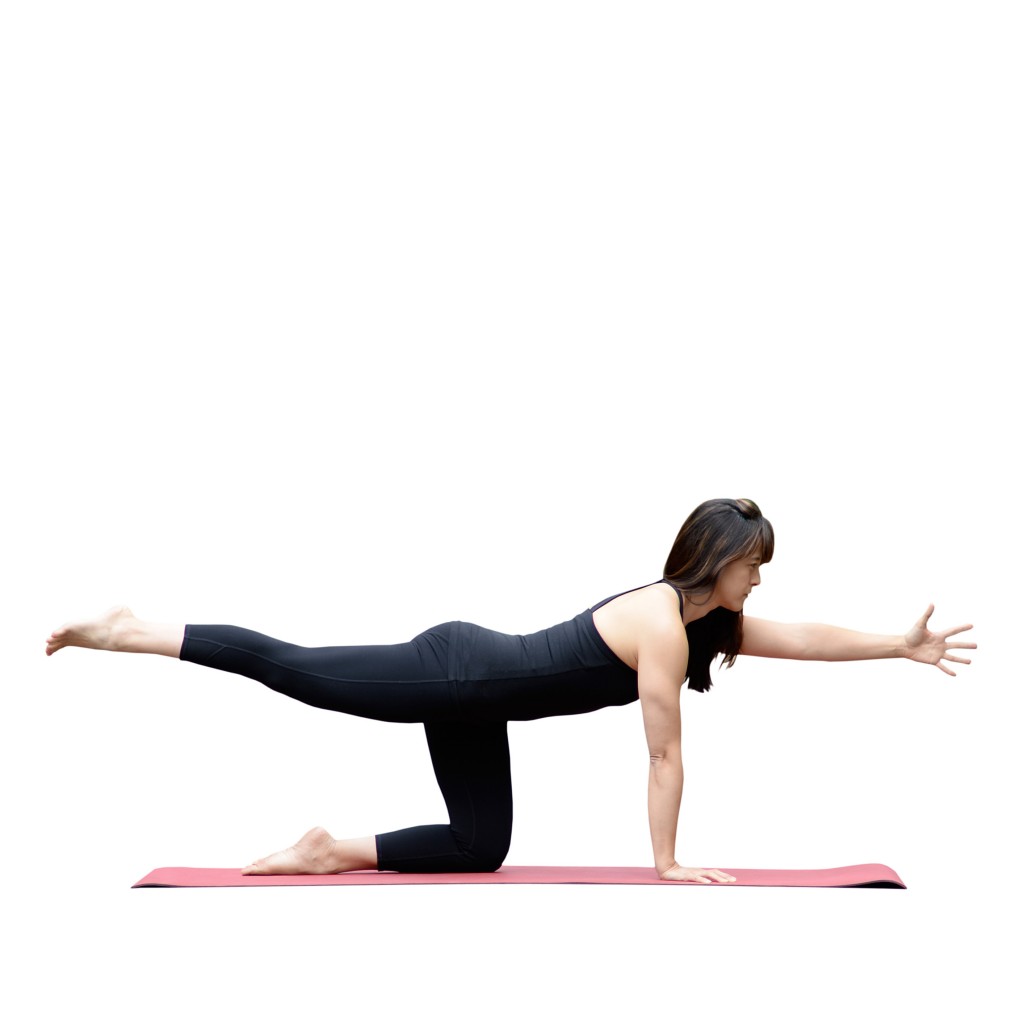
Tabletop Variation: Begin in tabletop position with shoulders stacked over wrists and hips stacked over knees. Slowly extend your left arm and your right leg. Engage your core, find your balance, and remember to breathe. Return to tabletop position.
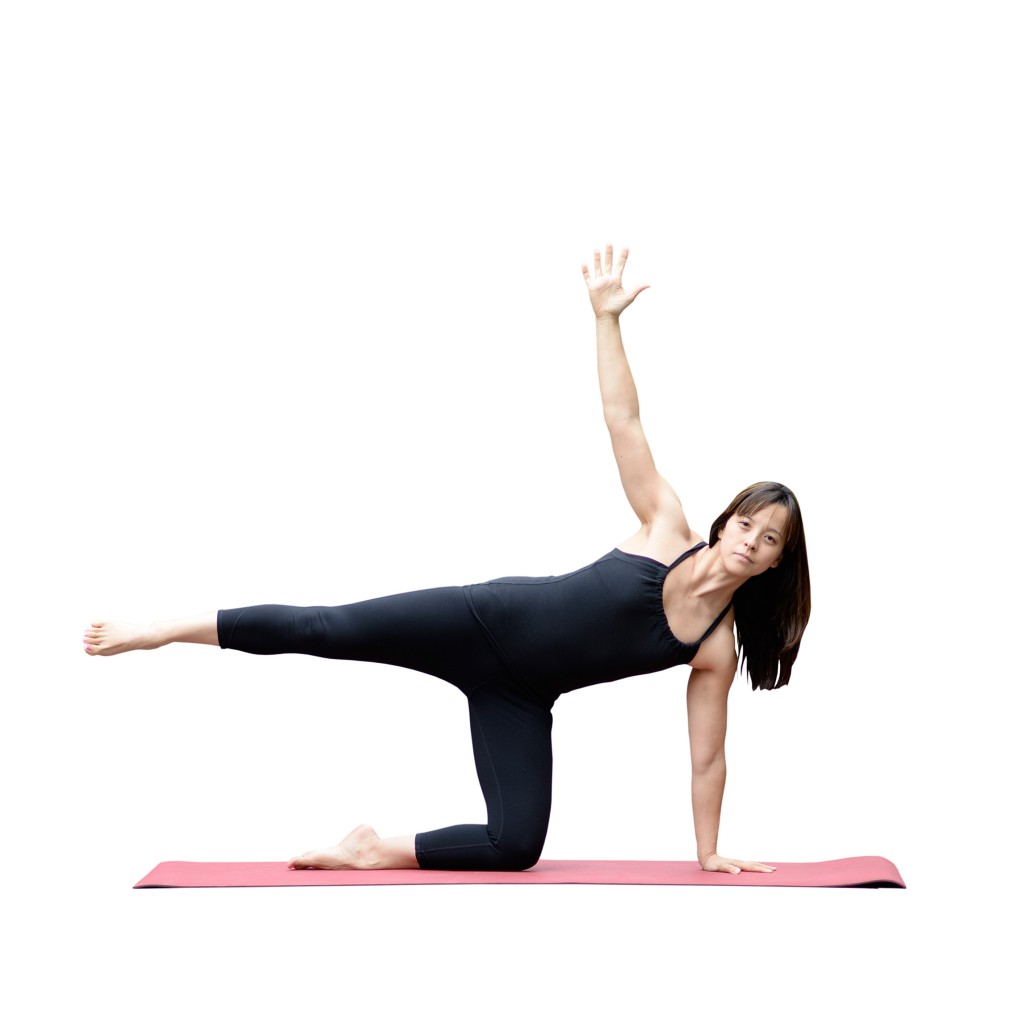
Modified Side Plank: From tabletop position, begin to shift your weight into your left hand and left shin. Bring your right foot in line with your left foot. Once you feel stable, slowly lift your right leg so that it is parallel to the mat. Extend your right arm toward the sky, and remember to keep your hips lifted.
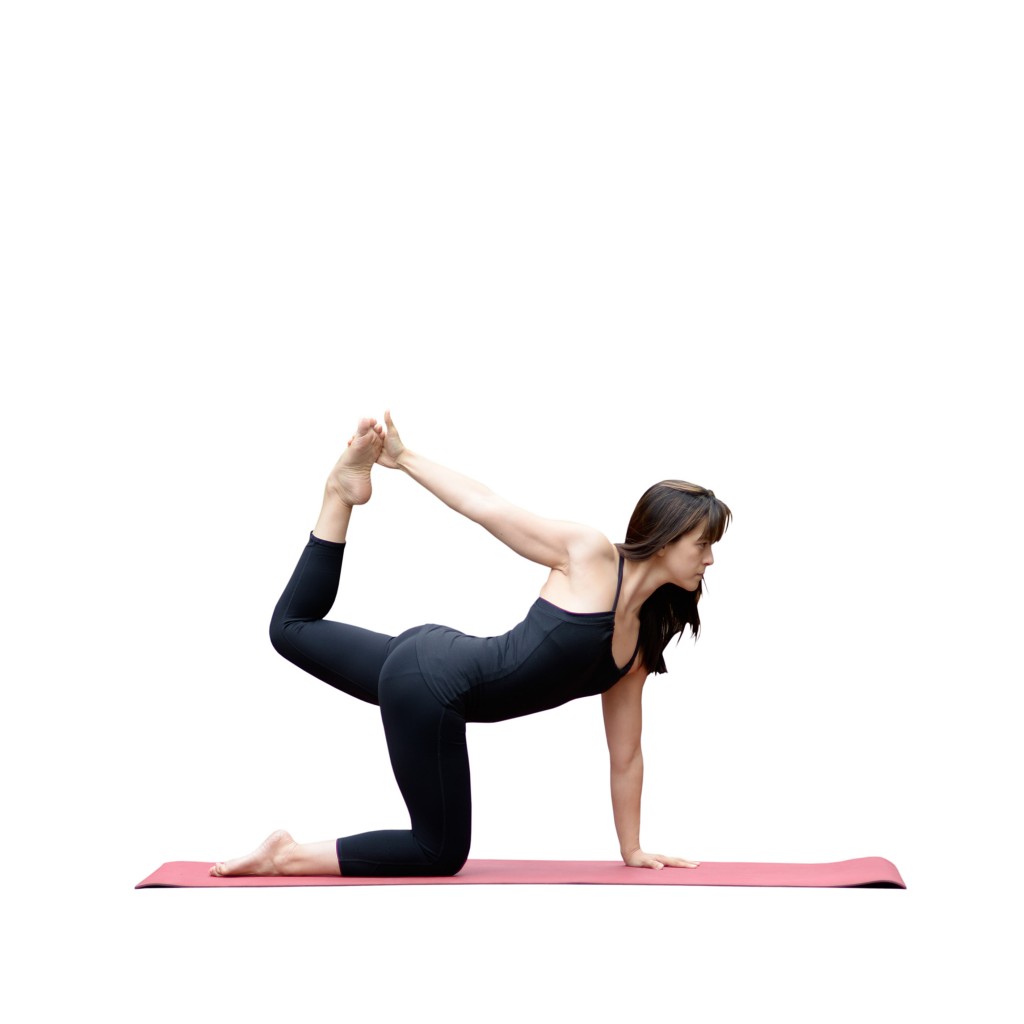
Tiger Pose: From Modified Side Plank, return to tabletop position, and test your balance with tiger pose. In Tiger pose, opposite hand and opposite foot connect for a feel-good backbend. If your flexibility allows, try an overhand grip!
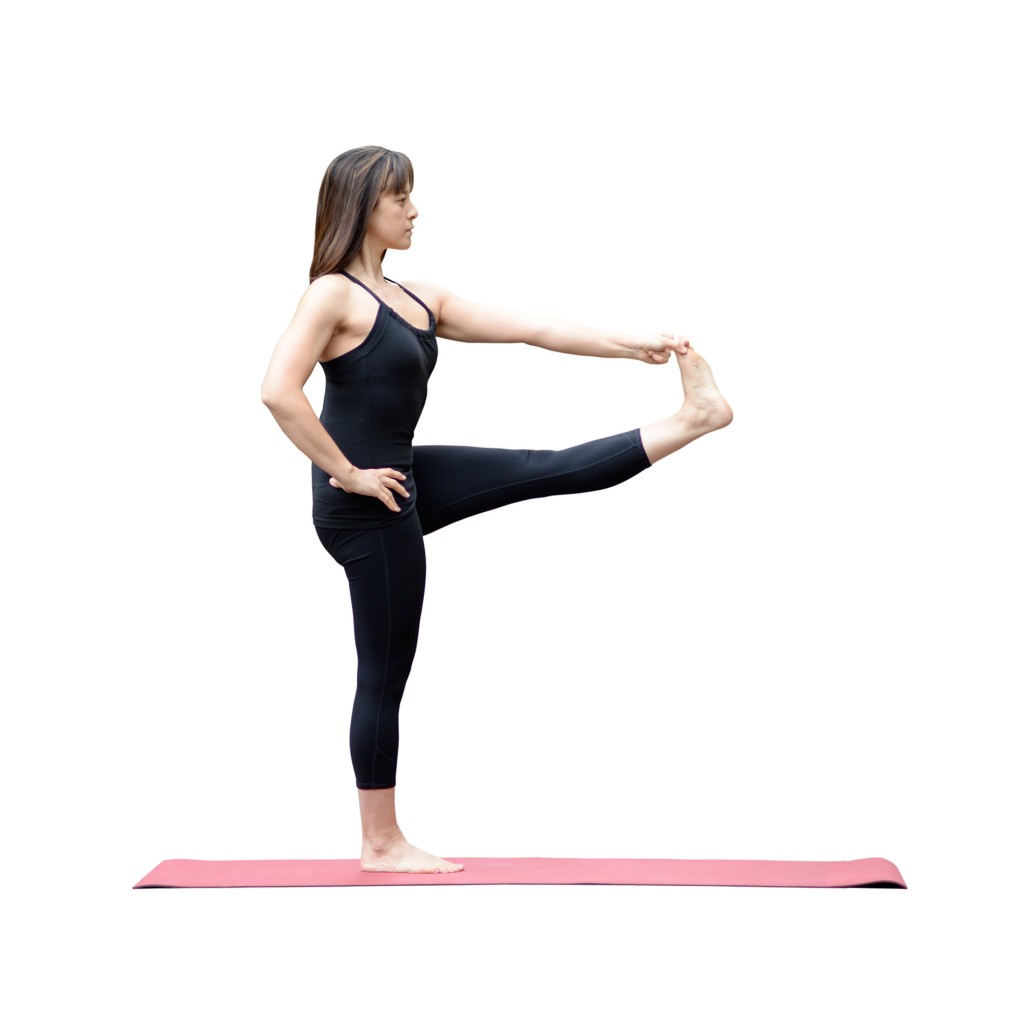
Hand-to-Big-Toe Pose: After testing your balance on the floor, come to a standing position with your hands on your hips. Begin to shift your weight into your right foot. Bend your left knee, and lift it so that your left hip is inline with your left knee. Wrap your “peace fingers” (index and middle fingers) around your left big toe, and seal the grip with your thumb. Feel free to balance with a bent knee. If you feel stable, begin to extend your left leg. Roll your shoulders back, pull your left hip back in space, and breathe deeply.
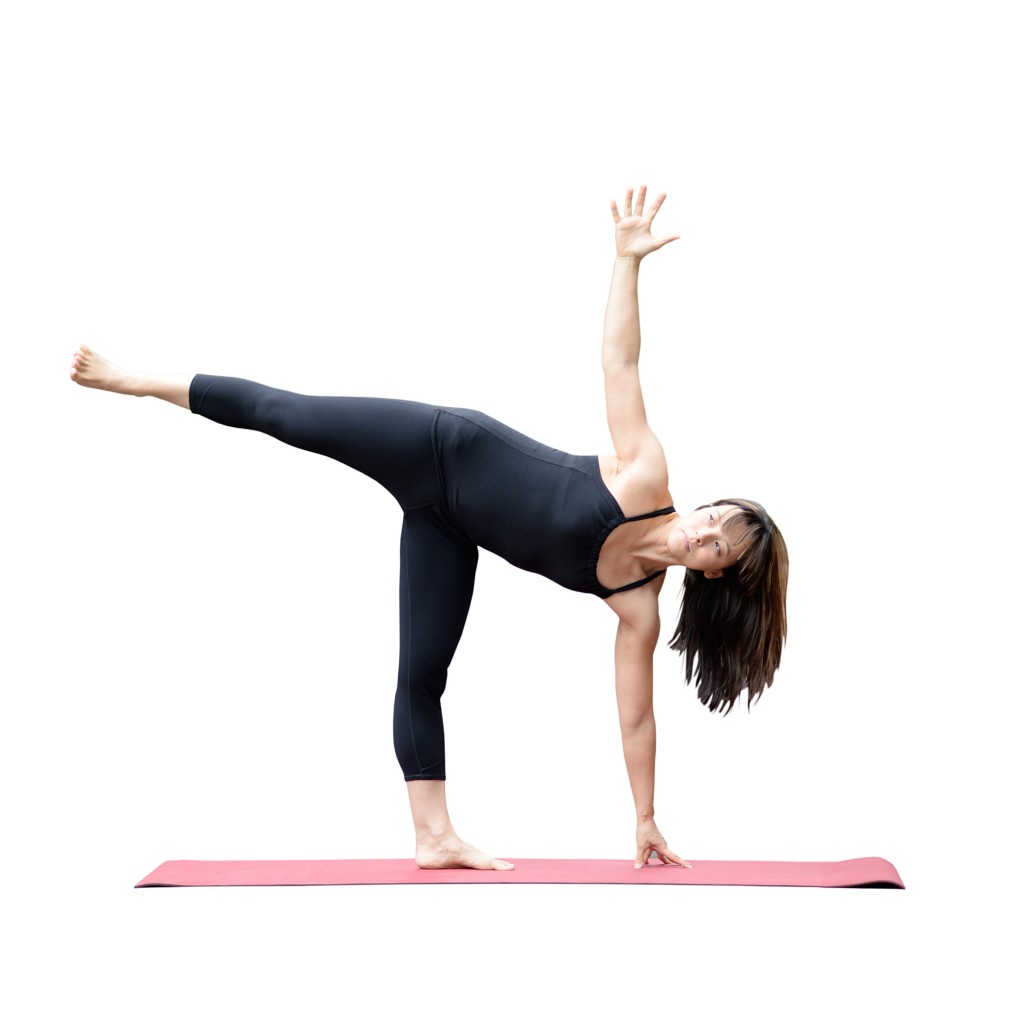
Half Moon Pose: It’s not easy to stack the shoulders and hips while balancing on one foot. Be patient, move slowly, and keep your gaze downward until you are able to balance with ease. If you feel stable, challenge yourself by gazing out to the side or up toward your extended arm.
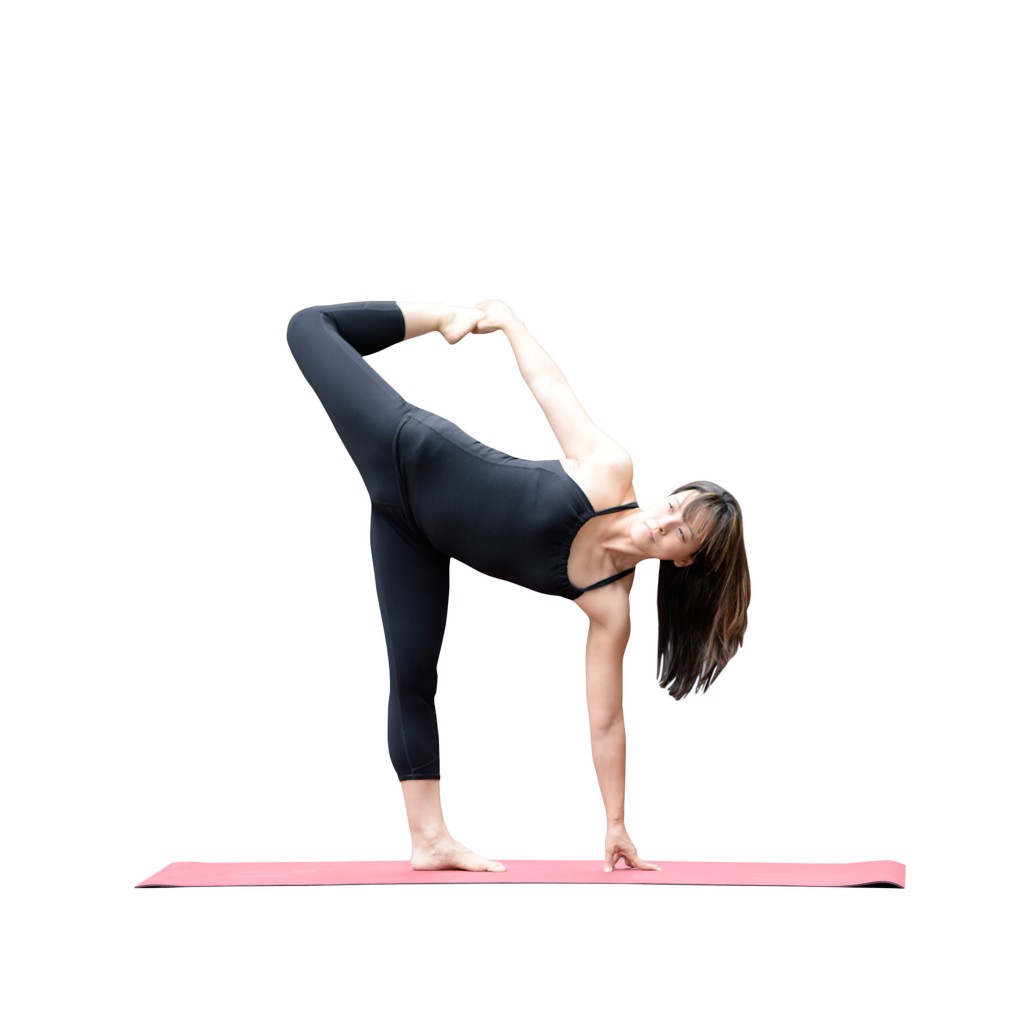
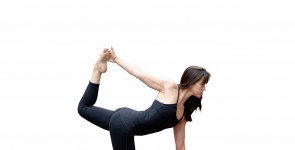
Sugar Cane Pose: This is a challenging balance pose that happens to also be a great chest-opener and hip flexor stretch. From Half Moon pose, bend your top leg, and catch the pinky side edge of your foot with your hand. Kick your foot firmly into your hand to create resistance to maintain your balance. Enjoy the stretch, and then slowly transition back into Half Moon pose before lowering your leg to the mat.
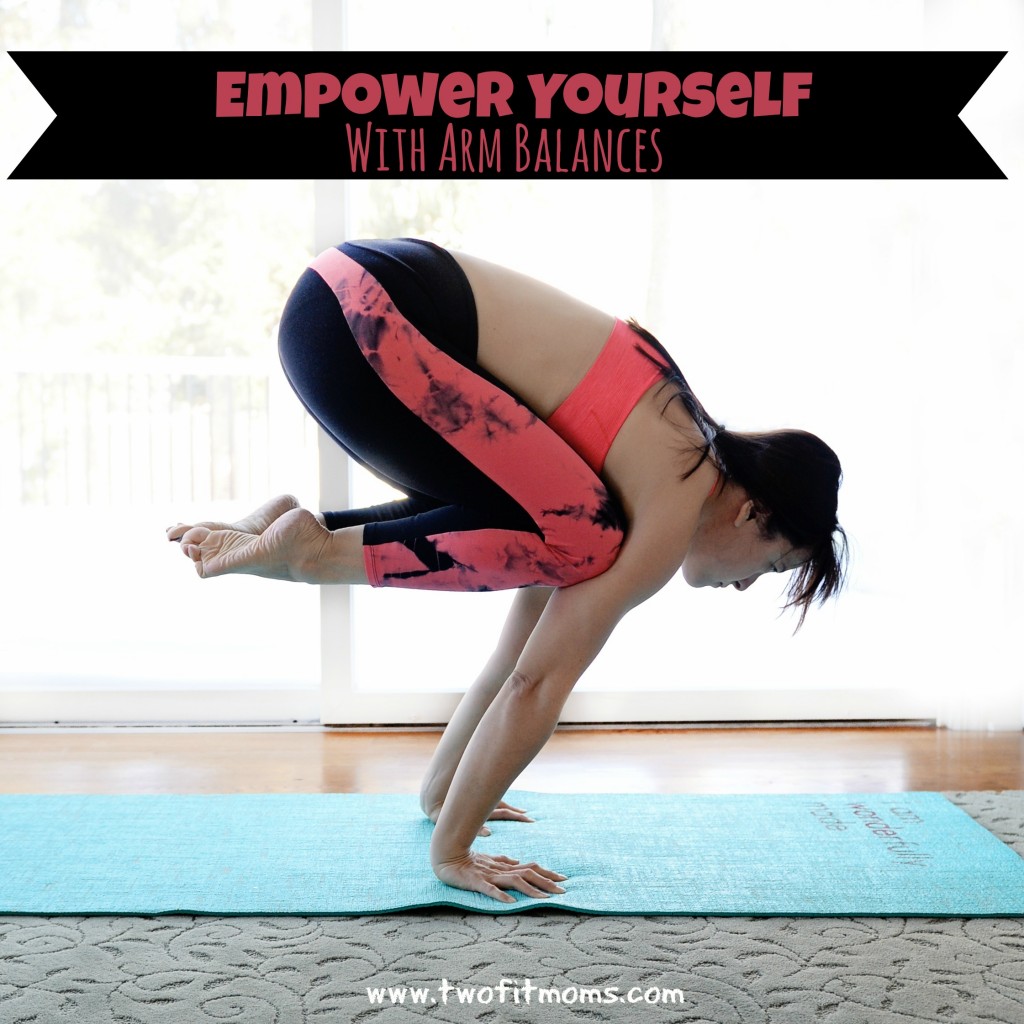
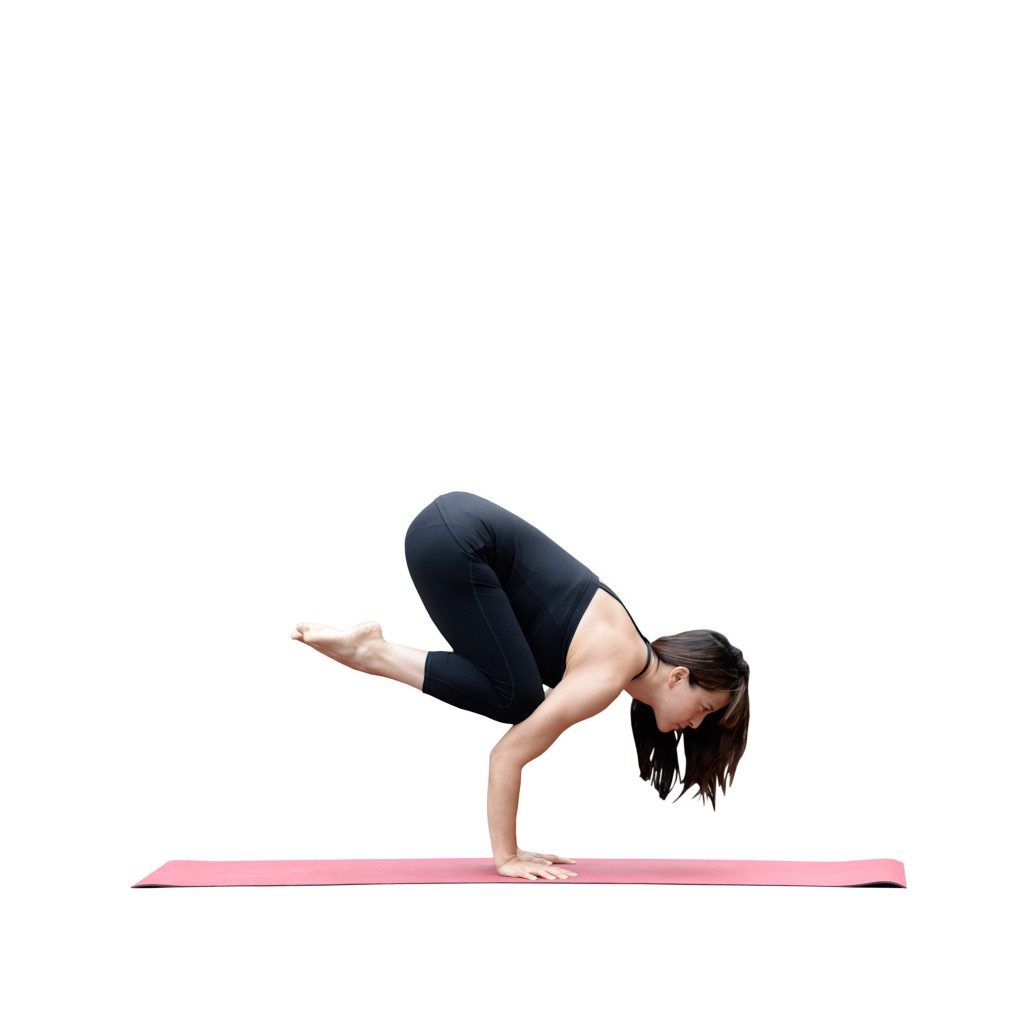
Crow Pose: Most yoga students begin their arm balance journeys with this pose. For a step-by-step tutorial, click here.

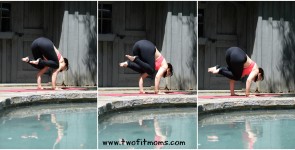
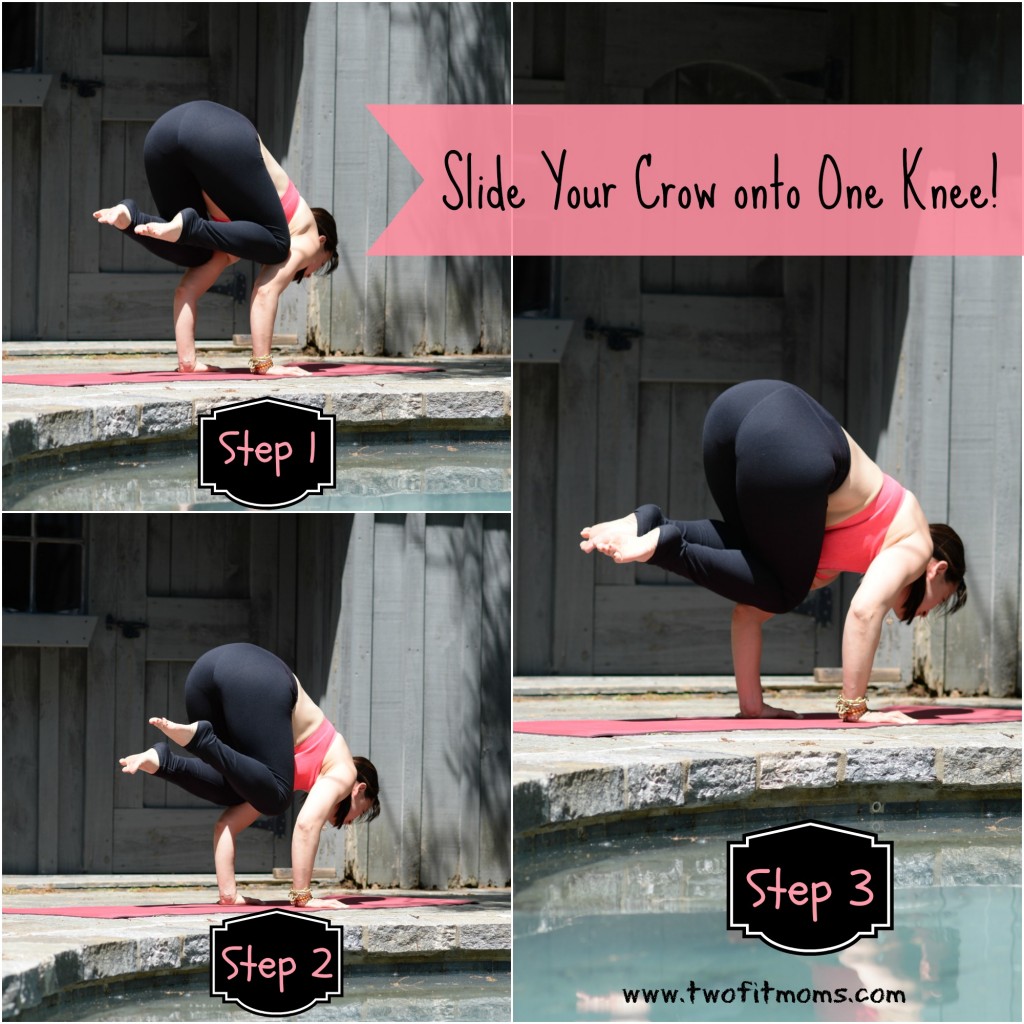
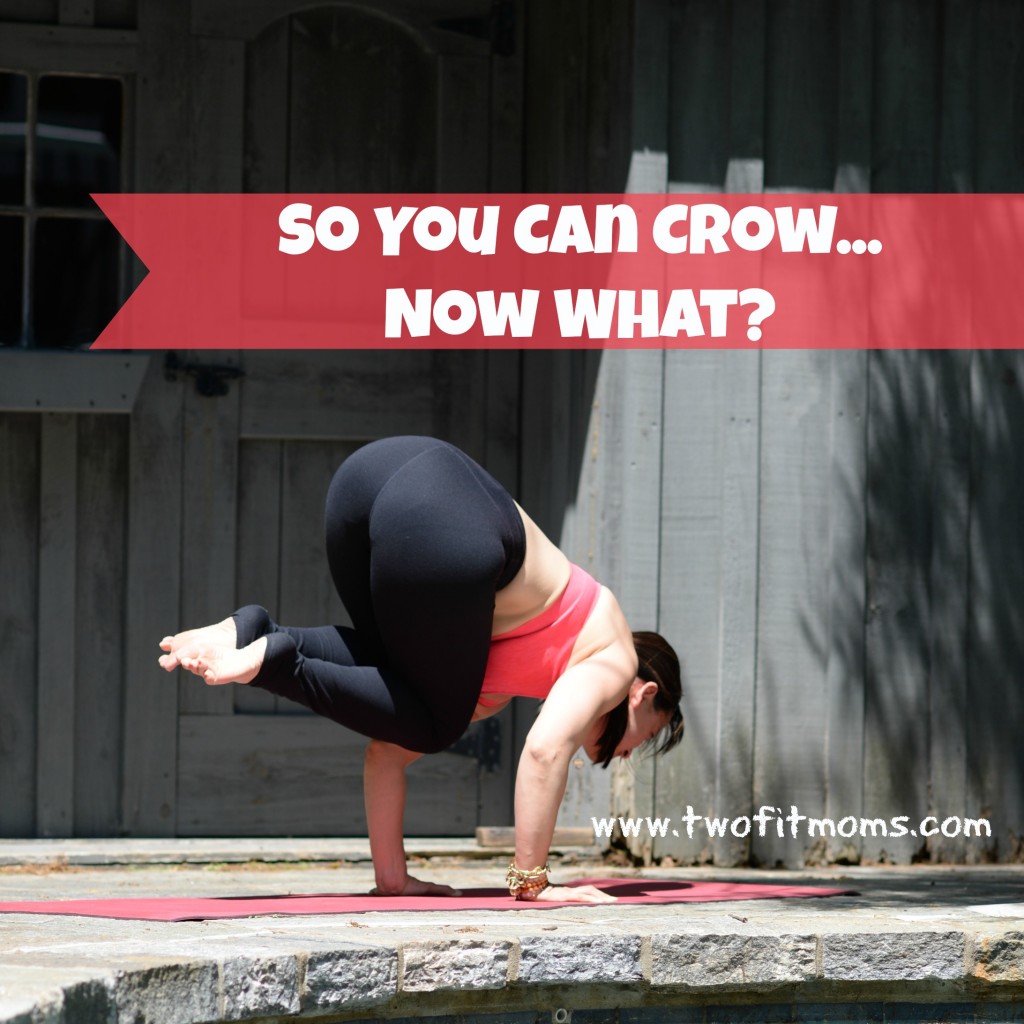 Once you are able to balance in crow pose for 4-5 breaths, you are ready to add an element of difficulty. Rather than introducing you to one-legged crow (eka pada bakasana), which is the typical progression, I recommend trying a slightly less challenging, core-engaging crow exercise, which I call “sliding crow”. The mechanics of this exercise are similar to one-legged crow in that you must engage your core muscles and lift one knee off of your tricep, but it will feel less intimidating because your knees will not move more than an inch or two off of your arms.