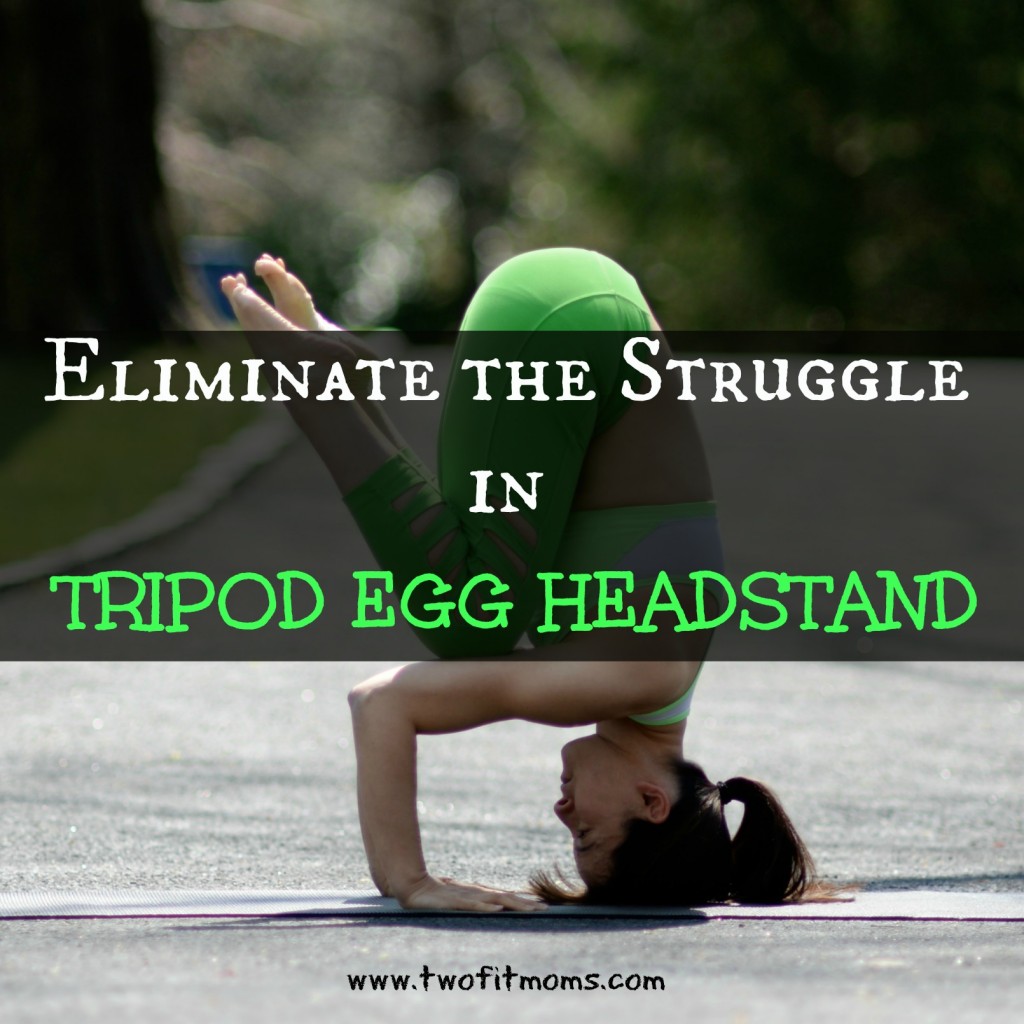
Have you tried our Tripod Egg Headstand tutorial without much success? Are you stumped as to why you are unable to get into this inversion? If so, this article may shed some light on the topic and help you re-focus your efforts.
There are many elements that play into the perfect headstand— core strength, neck stability, concentration, balance, hand placement, head placement, etc. The list of factors is surprisingly long, but if I had to pick just one factor that determines whether or not a beginner can successfully perform a Tripod Egg Headstand, I would have to say… HAMSTRING FLEXIBILITY!
 That’s right— the tightness (or looseness) in the backs of the legs. Does that surprise you? It might. Most people rarely make the connection between hamstrings and headstands, but the connection is real. If you are struggling to climb into a Tripod Egg, your hamstrings may be the issue.
Let me explain.
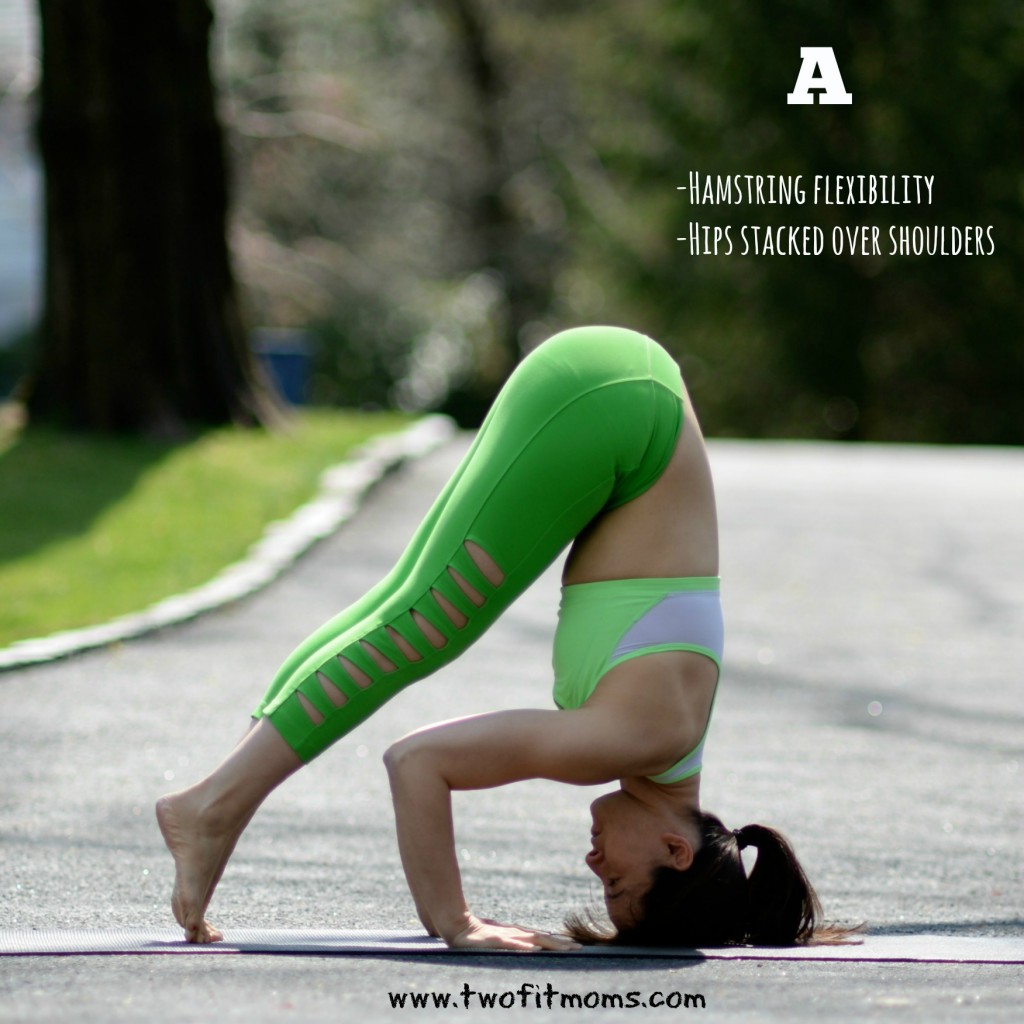
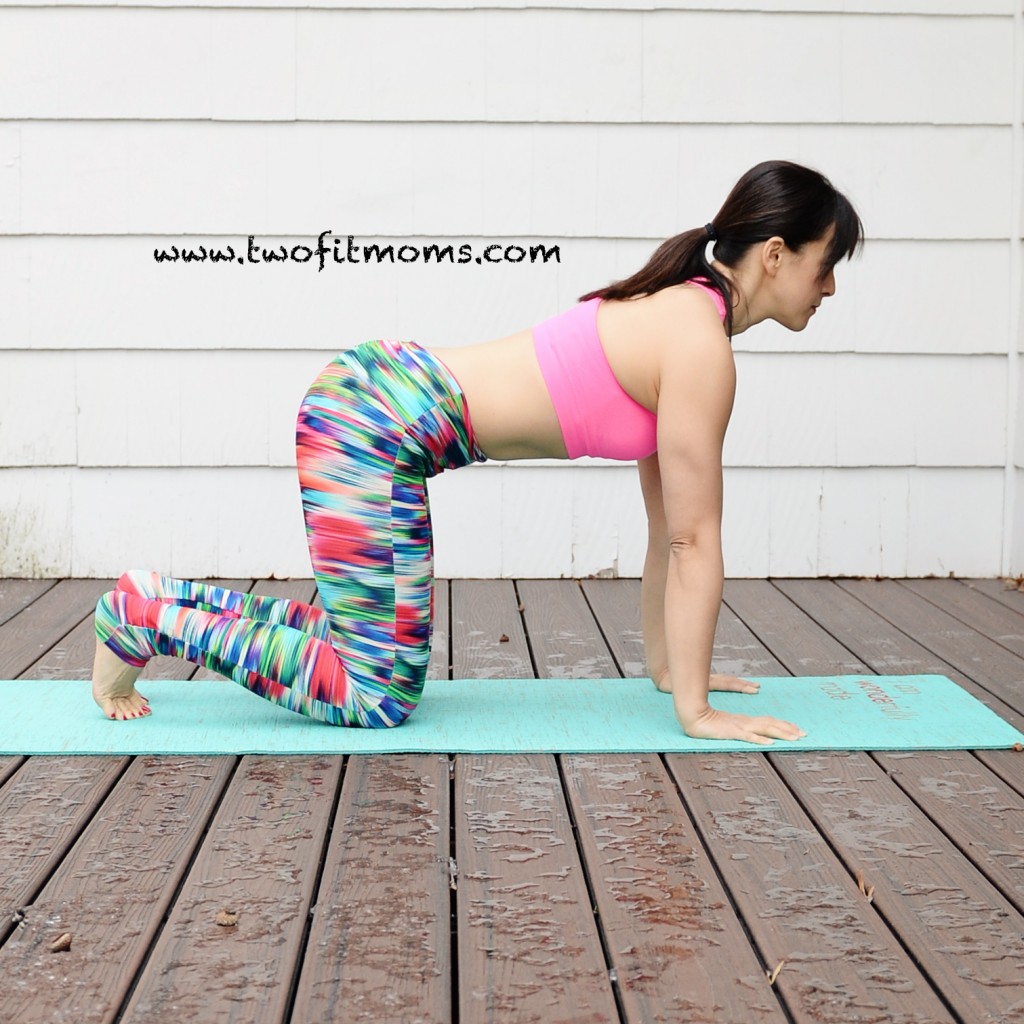
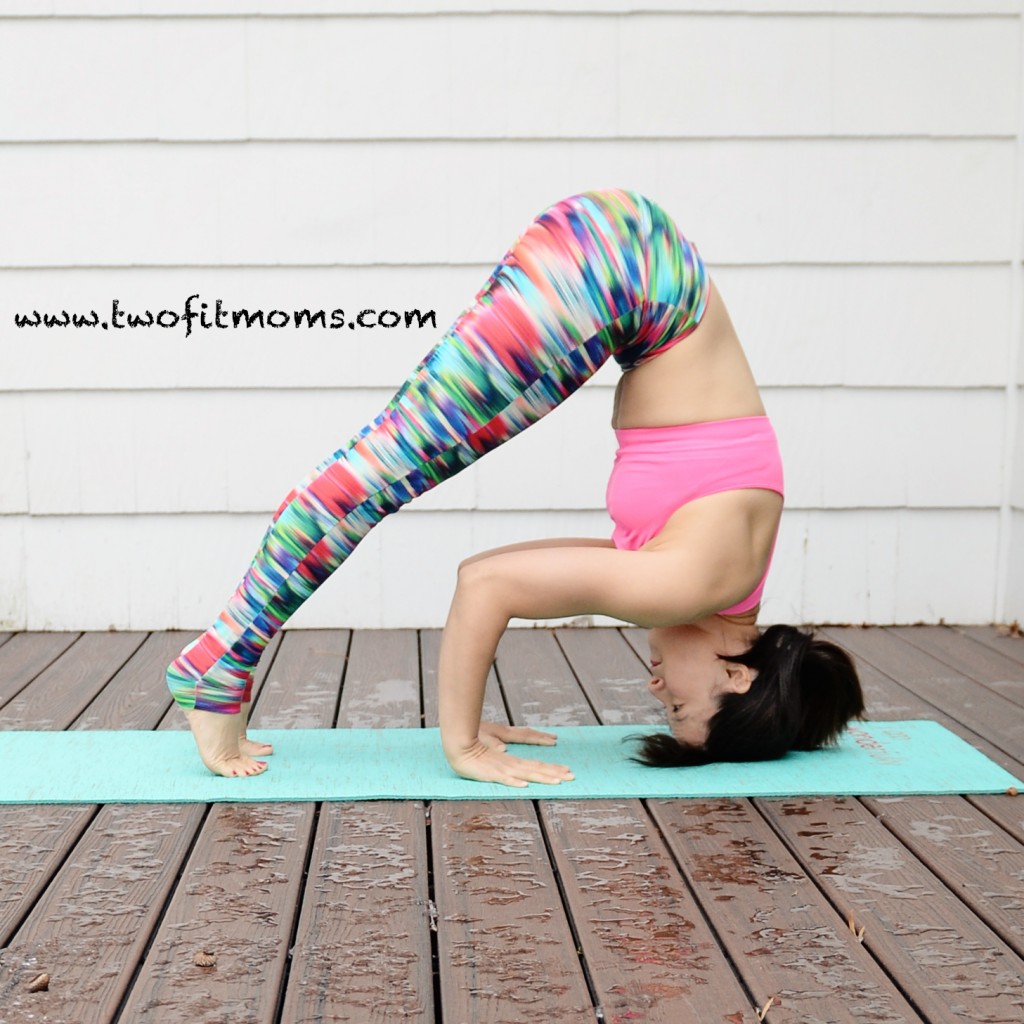
Take a look at photo A below. No, it’s not really a headstand…I haven’t taken flight just yet, but this posture basically looks like a headstand with my feet still resting on the mat. In fact, if you only look at my arms, head and torso and use your hand to cover my legs in this photo, you’ll probably think that I am balancing in a headstand. The reason why this image resembles a headstand is because my hips are stacked right above my shoulders. Hip stacking is what makes it possible to easily perform a Tripod Egg headstand. How does one stack the hips over the shoulders? By walking the feet toward the elbows— a task that requires hamstring flexibility. Walking the feet toward the elbows may feel effortless to someone with loose hamstrings, but it will feel very difficult to someone with limited hamstring flexibility.
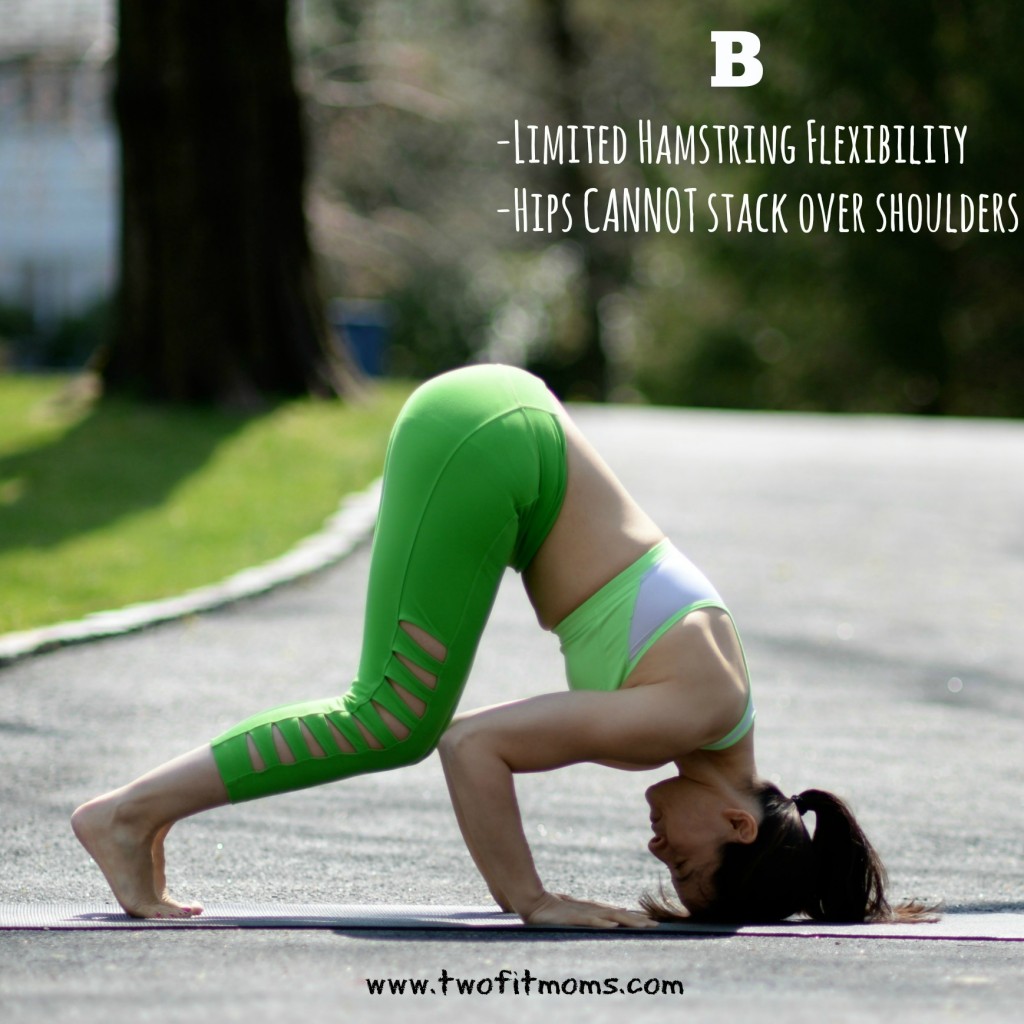
Take a look at photo B where I simulate a case of tight hamstrings. My knees are bent, and as a result, I am unable to stack my hips over my shoulders. If you draw an imaginary vertical line through my hips, you will easily see that my hips are not even close to being aligned over my shoulders. So now we have this important realization: Without hamstring flexibility, hip stacking doesn’t happen.
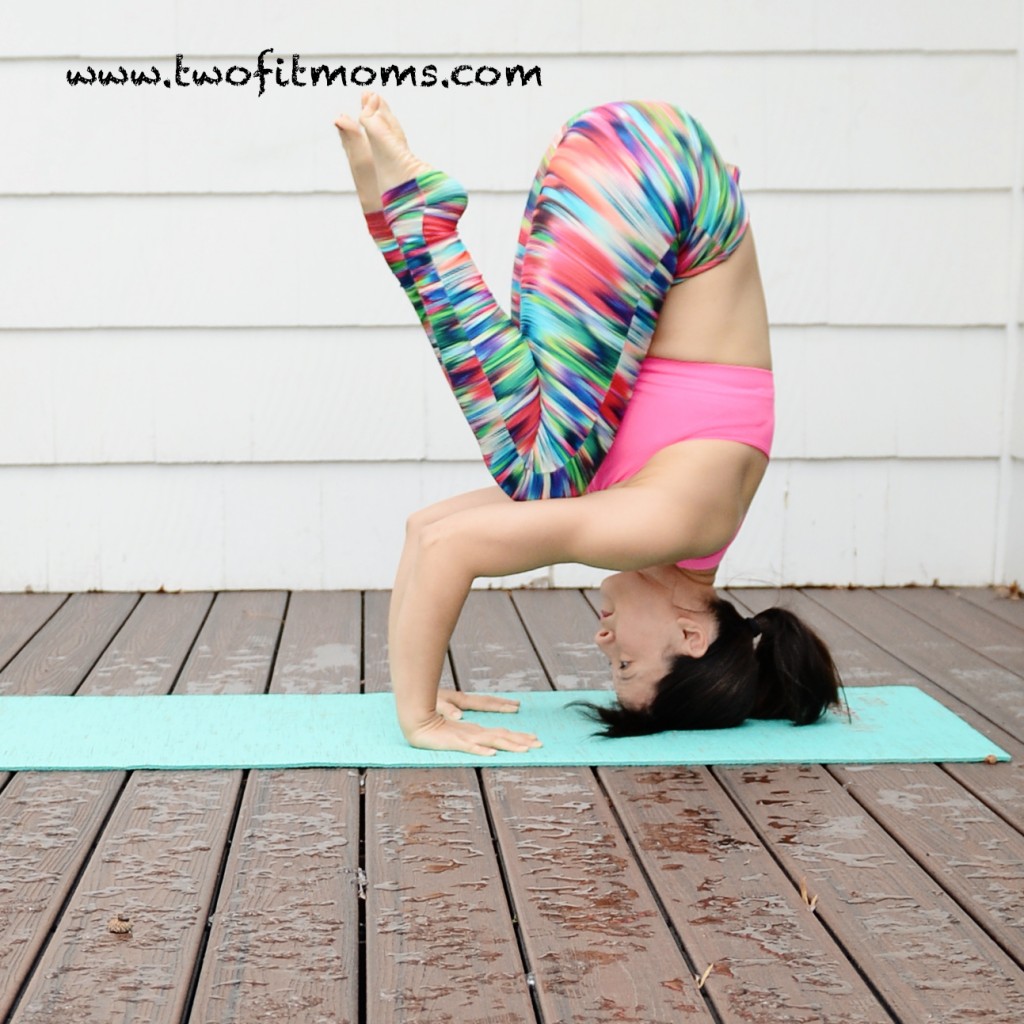
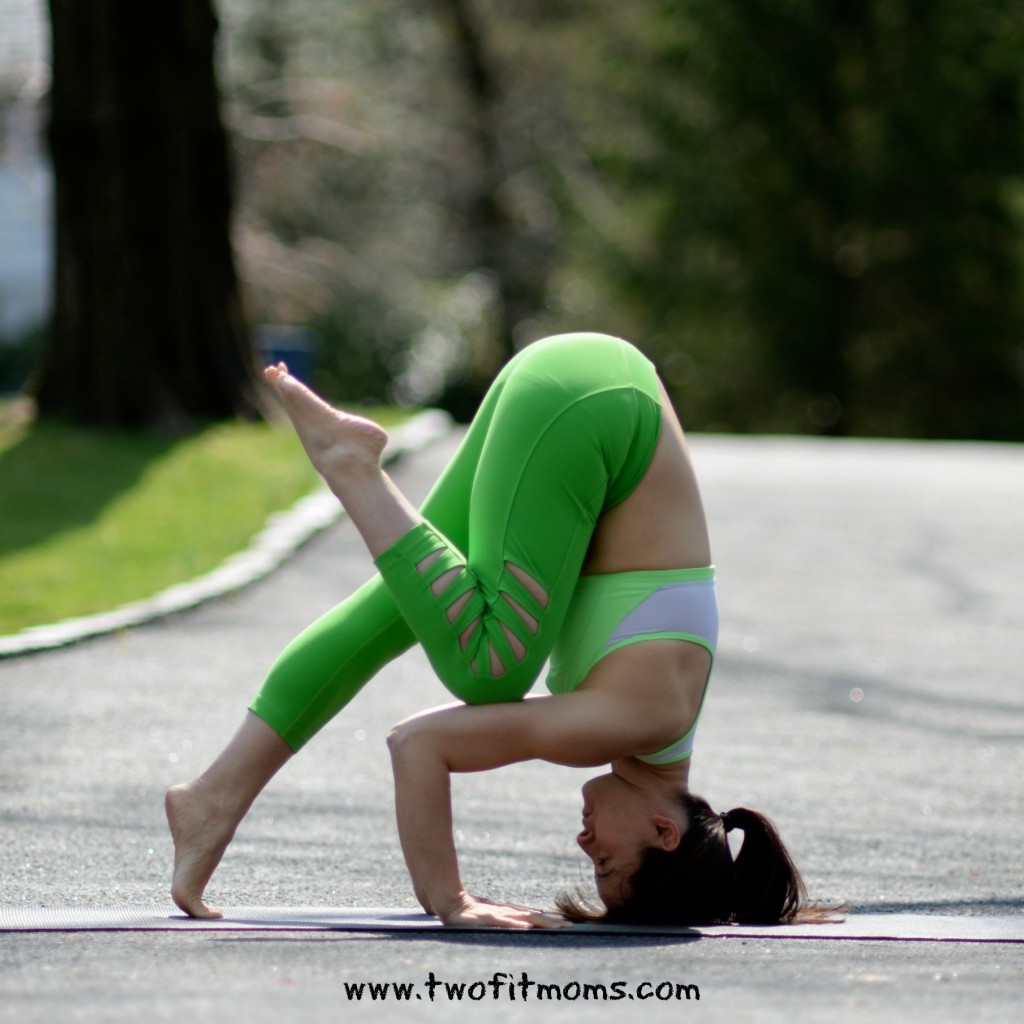
Assuming I have plenty of flexibility in my hamstrings, I can stack my hips and easily place my right knee onto my right tricep. Take a look at this next photo and compare it to photo A above. Yes, I have to engage my core to lift my knee, but I don’t have to change anything else about my posture. My body is already aligned and ready to go. This posture is possible because of the hip stacking. And in turn, the hip stacking is possible because of the hamstring flexibility. The final motion of lifting the left knee onto the left tricep doesn’t require much additional effort once the hips are stacked and the first knee is in place.
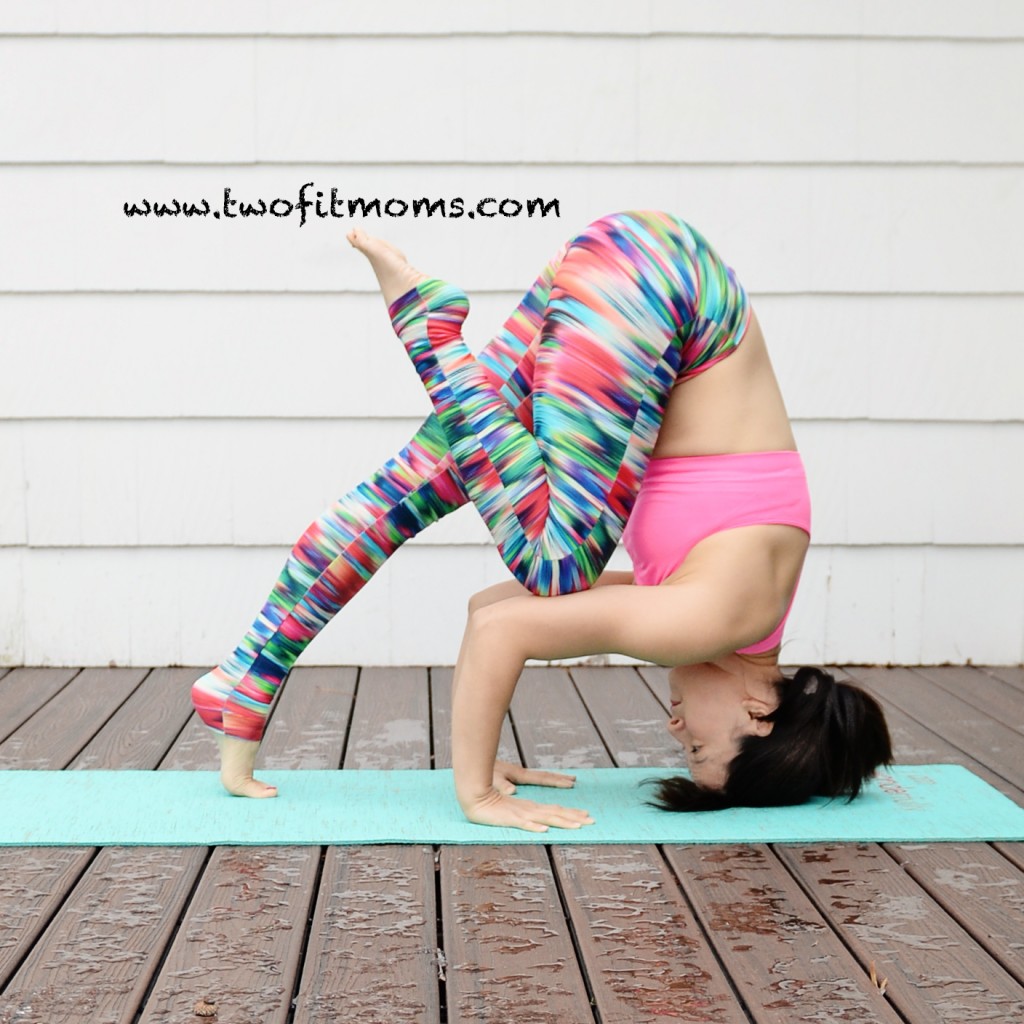
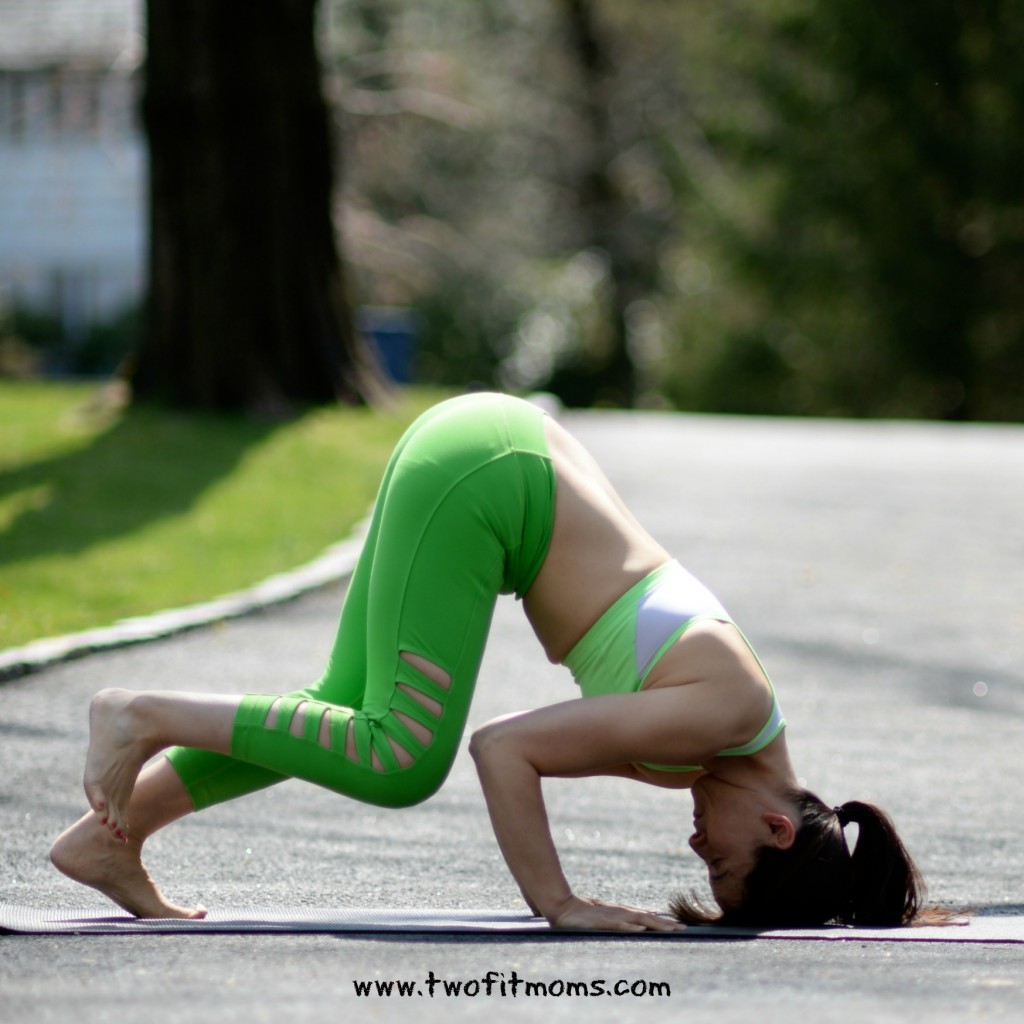
By now, you see the importance of having loose hamstrings, but let’s go through one final illustration. In the photo below, I am simulating a scenario where my hamstrings are tight, and I am attempting to put my knee onto my tricep. With tight hamstrings, I cannot straighten my legs. If I cannot straighten my legs, I cannot stack my hips. Consequently, it’s not even possible to get my knee onto the back of my arm. My knee is actually BELOW the level of my tricep. Even if by some strange miracle, I could crunch my body and round my back in such a way to allow the knee to rest on the tricep, what are the chances of balancing with both knees on both triceps if the hips are not aligned over the shoulders? Slim to none, and slim just left town.
If you are struggling with your Tripod Egg, and you don’t know why, I encourage you to set this inversion goal aside for a little while and focus on gaining more hamstring flexibility. Once you make progress, re-visit the inversion. I bet you’ll notice quite a difference!
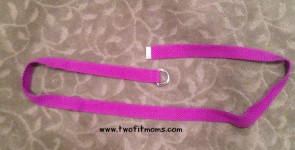
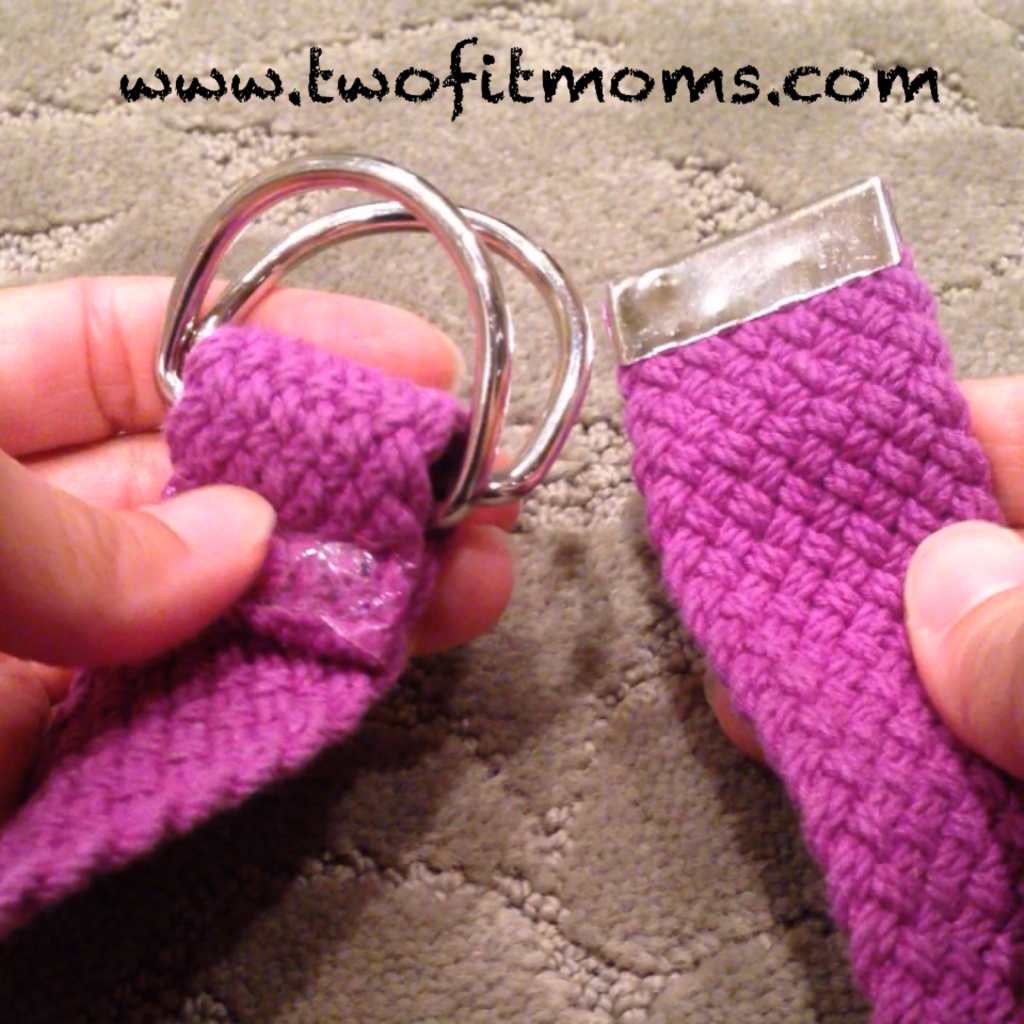
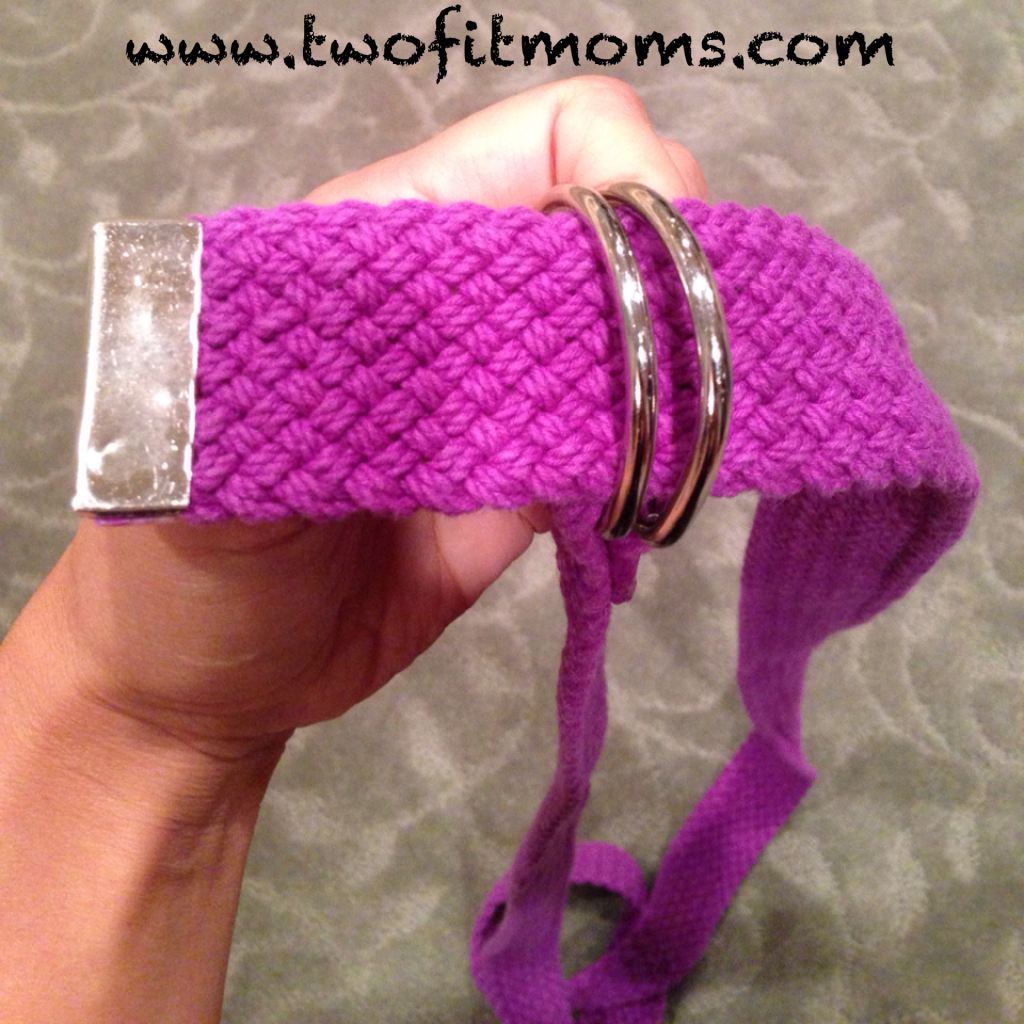
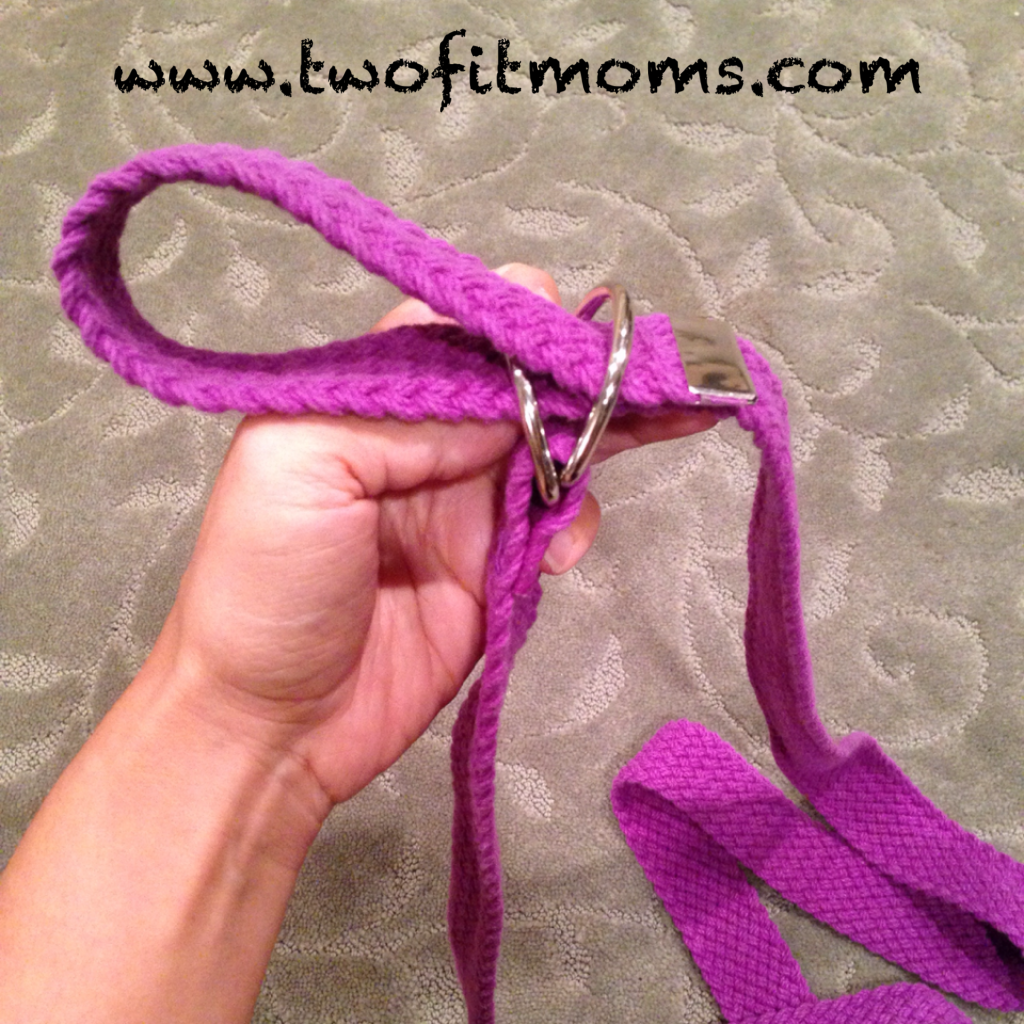
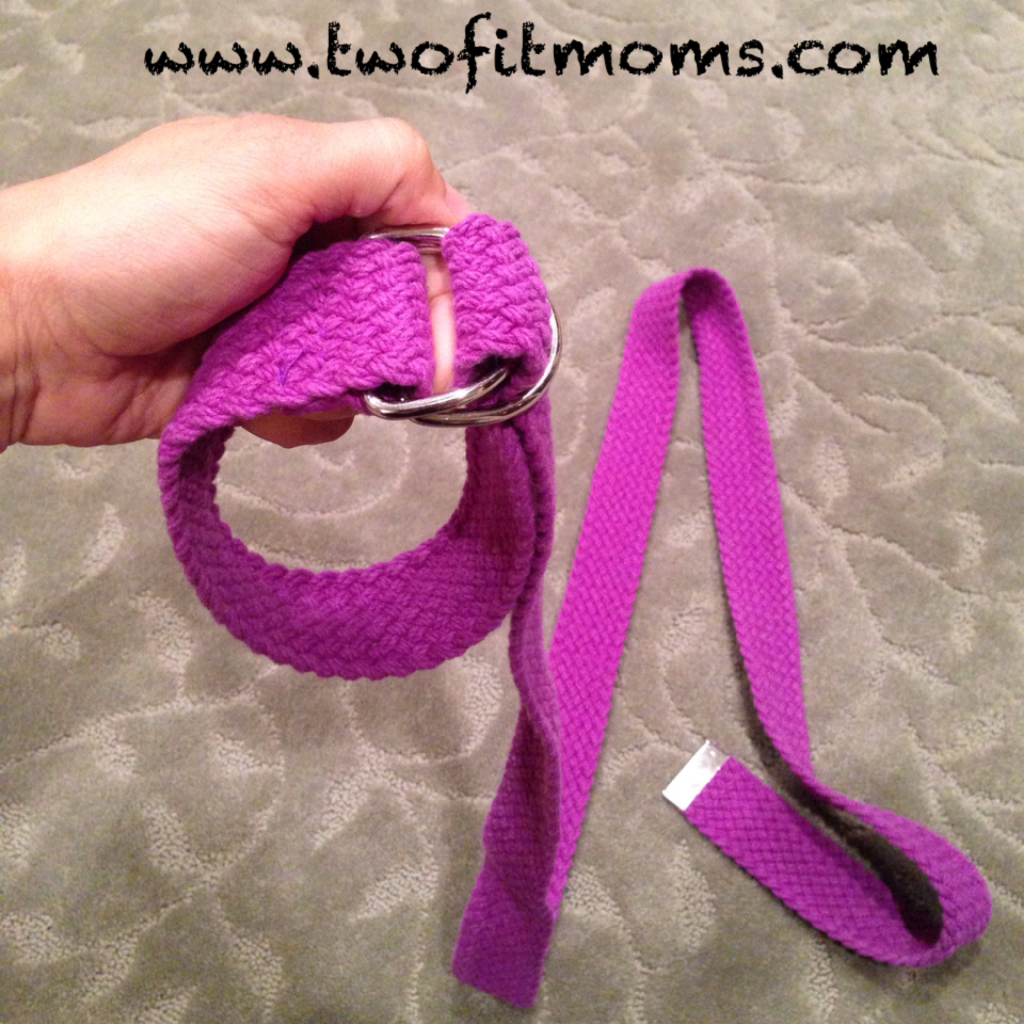
If you are looking for suggestions on improving your hamstring flexibility, we can help! Please warm up with a few rounds of Sun Salutations, and practice these hamstring stretches on a daily basis. If you own a yoga strap, give this stretch a try, too. Good luck!
 at the age of 36! It is never too late to learn a new hobby or skill. Just be patient, and remember to practice. It may not happen for you today, and that’s ok! There is no timetable for success. I will equip you with the tools and knowledge, and you will work at your own pace until you feel comfortable in the pose.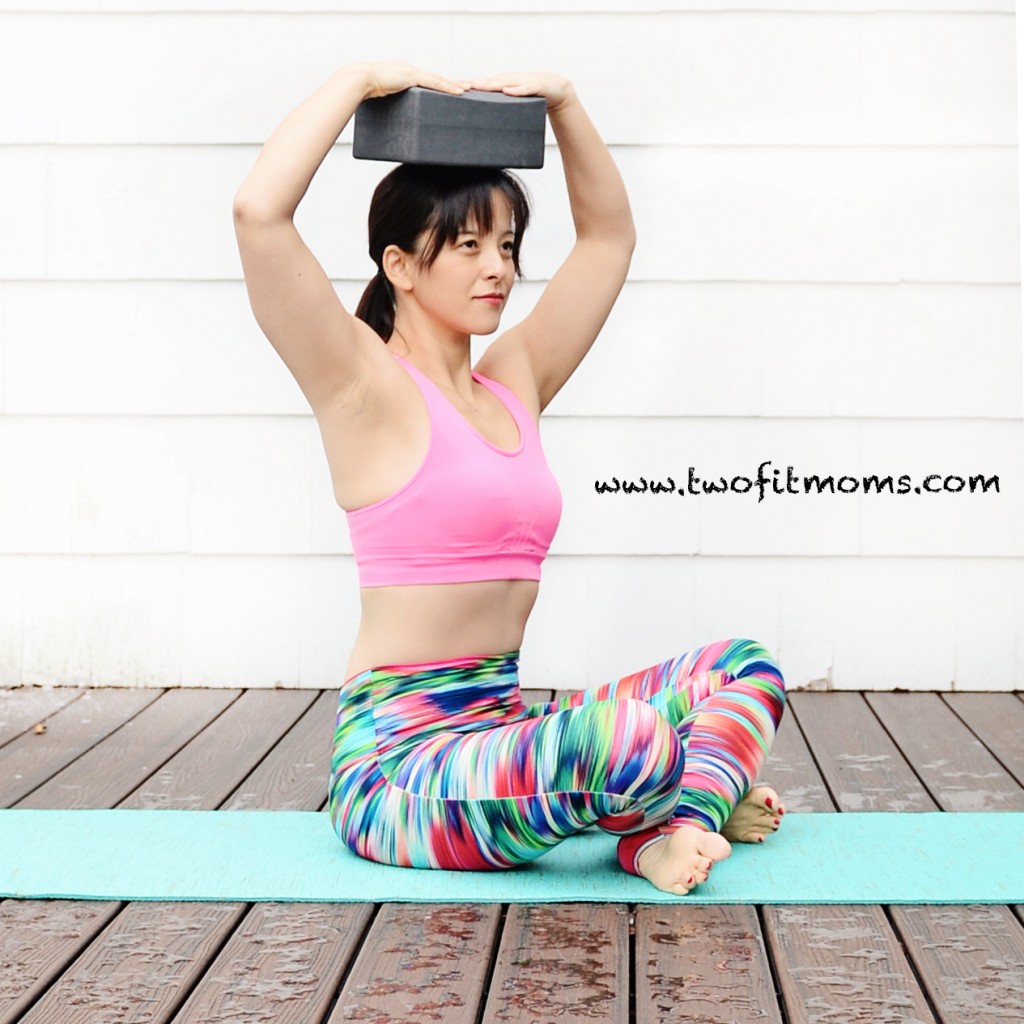
 more limber. If your neck feels strained, focus on lengthening your neck so that your shoulders are drawn away from your ears. If the top of your head hurts, adjust your balance point a few inches. Personally, my own balance point in a headstand is not the same as the balance point with the book on my head. I usually balance a few inches closer to my forehead. This is an exploration. Find the right spot for your own body.